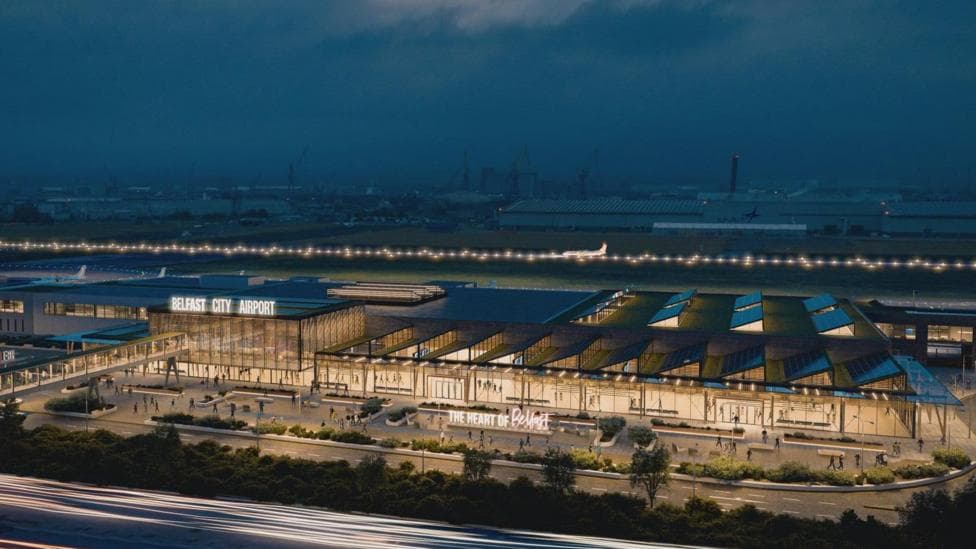
Belfast City Airport is pursuing a significant expansion that would extend its evening flight operations and substantially increase the volume of aircraft movements annually. The operator is seeking permission to push back its final departure time from 21:30 BST to 22:30, while simultaneously requesting a 27% increase to its annual flight limit, raising the ceiling from 48,000 to 61,000 movements per year.
These operational changes form part of a broader modernisation strategy outlined in the airport's Master Plan 2040. According to the airport's published master plan from March 2026, the facility aims to grow from its current 2.4 million annual passengers to 7 million by 2040, supported by a £200 million investment programme. The plan envisions expanding aircraft stands from 13 to 21 and constructing a new two-storey pier to handle increased traffic.
Implementing the proposed flight extensions and capacity increases will require modification of the airport's legally binding Planning Agreement, a process that typically involves consultation with councils and other planning bodies. The infrastructure minister is expected to make the final determination on whether these changes proceed.
Why is the airport seeking these changes?
Matthew Hall, chief executive at Belfast City Airport, stated that extended operating hours and increased traffic movement limits are
"critical" for the airport to meet the forecast increase in demand for air travel. He emphasised that
"the proposed changes would provide the operational flexibility required to facilitate airline schedules and future route development, while continuing to operate within a framework that recognises the importance of balancing growth with our commitment to being a responsible neighbour".
The expansion proposals reflect broader trends in UK aviation, where several major airports are pursuing capacity increases. London Luton Airport recently cleared final legal hurdles for its expansion plans, which could raise annual passenger numbers to 32 million by 2043.
What does the wider expansion plan include?
The flight modifications run parallel to the airport's comprehensive planning application for major facility upgrades. Matthew Hall outlined that the expansion would encompass extended passenger facilities, new airfield infrastructure, additional parking provision, and complementary airport uses including a hotel.
A particularly significant element involves improved ground transport connectivity. The plans would
"safeguard the opportunity to deliver a pedestrian link to a future rail halt directly serving the airport". The airport will require cooperation from Translink, Northern Ireland's public transport operator, to deliver and operate such a station. On 20 August 2026, both organisations signed a Memorandum of Understanding to explore rail connectivity possibilities, marking a formal commitment to investigate the feasibility of a direct terminal link.
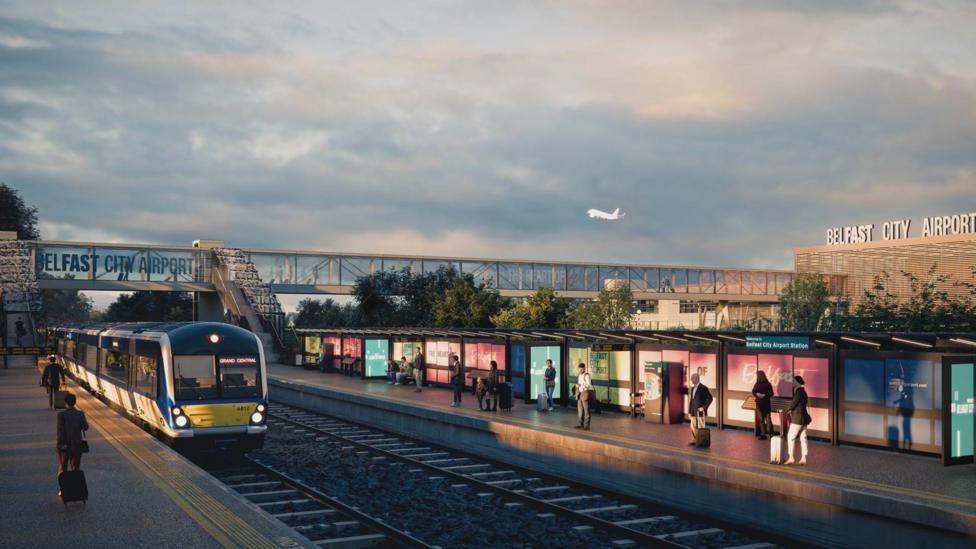
Currently, passengers using train services to reach the airport can access Sydenham rail halt as the existing rail access point. The proposed direct connection would significantly enhance accessibility for travellers arriving by public transport.
What is the economic significance?
The expansion carries substantial economic implications for Northern Ireland. An Assembly motion in May 2026 indicated that the airport's master plan could deliver a £1.7 billion boost to the Northern Ireland economy by 2040. This projection underscores the strategic importance of aviation infrastructure to regional economic development.
What is the consultation and approval process?
The airport has filed a Pre Application Notice, which initiates a public consultation phase ahead of a full planning application expected later in 2026. This formal process will provide opportunities for local residents' groups, environmental campaigners, and other stakeholders to submit representations regarding the proposals.
The modification to the Planning Agreement will follow a separate but parallel track to the main planning application, involving multiple planning bodies and councils. The complexity of these overlapping processes means the full approval timeline could extend considerably.
What happens next?
The airport's planning notice indicates that a full planning application is likely to be submitted later in 2026. Recommendations from Translink's Rail Halt Accessibility Assessment were anticipated by summer 2026, with a separate City Airport rail connectivity feasibility study due to complete in the coming months. These studies will inform the final design and viability of the proposed direct rail link.
Key Facts:
- Evening flight operations would extend from 21:30 to 22:30 BST under the proposals
- Annual flight movements would increase by 27%, from 48,000 to 61,000 per year
- The Master Plan 2040 targets growth from 2.4 million to 7 million annual passengers by 2040
- A £200 million investment programme supports the expansion vision
- A direct rail link to the terminal is being explored in partnership with Translink