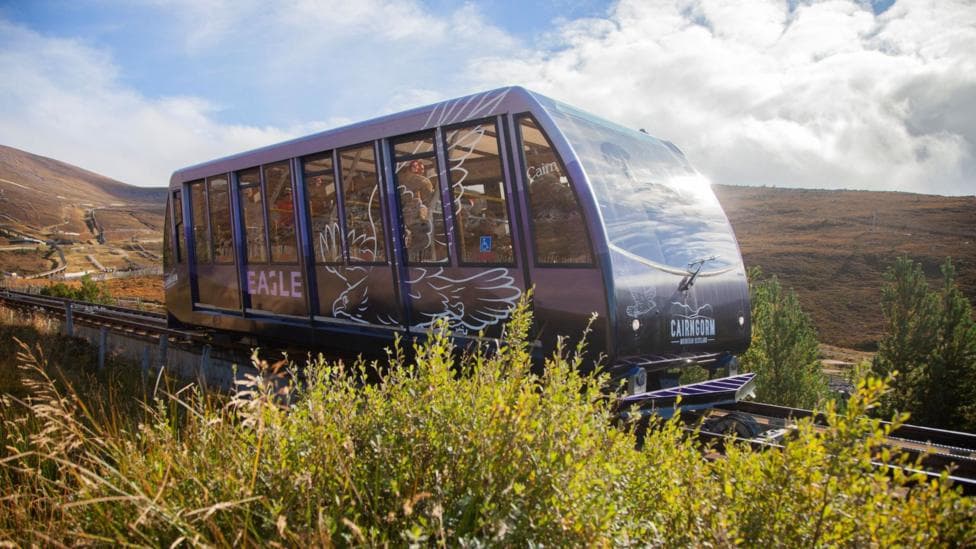
Visitors are now permitted to walk from the top station of Cairn Gorm's funicular railway to the mountain's summit under a new trial scheme that runs until 30 November. The permission marks a significant shift in access rules that previously restricted such walks to the winter snowsports season or required visitors to be accompanied by a guide.
The trial introduces a managed approach to protect the fragile habitats on the 4,085ft (1,245m) summit of the UK's sixth highest mountain. Participants must stay on designated paths and carry GPS handsets that monitor their location within an approved zone in the ski area. The devices alert visitors if they stray outside the permitted boundary and simultaneously notify rangers stationed at the Cairngorm Mountain resort's top station.
NatureScot, Highland Council and Highlands and Islands Enterprise (HIE) approved the trial after careful consideration of environmental concerns. The funicular railway itself carries visitors to the Ptarmigan Top Station at 3,599ft (1,097m), and the original access restrictions were established to safeguard nearby internationally designated conservation sites that support bird species including dotterel and ptarmigan.
Why was access previously restricted?
Planning regulations limiting summit access were implemented to preserve sensitive ecological areas. The mountain's summit and surrounding slopes form part of protected European conservation sites, making unrestricted visitor movement a potential threat to nesting birds and alpine vegetation. For three decades, Cairngorm Mountain has invested in path restoration, re-vegetation and maintenance work across the estate to support these conservation objectives.
How will the trial work?
Visitors participating in the trial must remain within the approved zone while using GPS tracking devices that provide real-time feedback. According to the resort's visitor management plan, the trial is designed to allow participants to reach the summit via the path network while staying within the ski area and away from protected European sites. The tracking data collected from participants will inform whether future trials can be expanded in 2026, subject to regulatory approval.
Cairngorm Mountain Chief Executive Mike Gifford stated:
Over the last three decades, significant work has gone into restoring, re-vegetating and maintaining the paths across the Cairngorm Estate. This trial provides an opportunity to build a robust, evidence-based understanding of visitor behaviour and the potential implications of increased access.
What is the broader context for this trial?
This is not the first time Cairngorm Mountain has tested expanded summit access. A previous trial ran in 2010 and was later extended into 2011, demonstrating that the mountain has explored this issue before. The current trial reflects ongoing efforts to balance visitor demand with environmental protection as the resort continues to diversify its offerings beyond traditional winter sports.
The resort has been expanding its appeal through various initiatives. In recent months, Cairngorm Mountain has hosted high-altitude DJ gigs and proposed a new toboggan ride to attract visitors amid shorter and less predictable snowsports seasons caused by climate change. The funicular railway itself has become a key asset: last month, the resort reported that a strong winter sports season and the return of its funicular railway after a lengthy closure helped it increase annual turnover to almost £6m.
The improved financial performance has also reduced the resort's dependence on public funding. HIE, the public body that owns the resort near Aviemore, provided more than £2.5m in revenue support during 2024-25, but this fell to £531,000 in 2025-26.
What happens next?
The trial runs until 30 November, with data collection informing decisions about potential expansion. According to the resort's summit access trials page, the scheme is being prepared to extend to small numbers of visitors in the coming weeks, with the system being tested in advance. The funicular railway is scheduled to close for maintenance from Monday 2 November to Sunday 8 November 2026, reopening on Monday 9 November, which falls within the trial period.
For those interested in guided summit experiences, the resort's guided summit walks currently run in summer and autumn, with bookings closing at 3pm the day before each walk. The current booking window runs from 20 September to 26 October.
Key Facts
- The trial permits unguided summit access from the funicular's top station until 30 November, a change from previous restrictions outside the winter season
- GPS tracking devices monitor visitor location and alert rangers if participants leave the approved zone
- The trial was approved by NatureScot, Highland Council and Highlands and Islands Enterprise to balance conservation with visitor access
- Data from the trial will inform decisions about potential future trials in 2026
- Cairngorm Mountain's financial performance improved significantly, with turnover reaching almost £6m and reduced reliance on public funding