A new series of curated rambles divides the 185-mile Shropshire Way into manageable segments accessible by train, offering walkers a chance to experience quartzite ridges, rewilding projects and outstanding regional food without committing to the entire route.
Few establishments occupy a more picturesque location. After completing a 15-mile trek through woodland, I arrive at a 16th-century coaching inn positioned on the banks of the Onny River in the rolling south Shropshire hills, its stone walls catching the late afternoon light. The interior features exposed timber framing, natural light filtering through stained glass windows, and vibrant displays of homegrown flowers. General manager Sam Thompson welcomes me and shows me to a bedroom in the recently converted stables block.
I am here to explore a section of the 185-mile (297km) Shropshire Way as part of the Heart of the Hills itinerary—one of several new walking packages launched by the county's tourism authority. These itineraries cater to walkers unable to undertake the full-length trail, offering loops that connect easily with rail services, complete with downloadable maps, GPX navigation files, lodging recommendations and curated suggestions for activities and attractions. My chosen route spans approximately 27 miles from Shrewsbury to Bishop's Castle via Ratlinghope, ideal for a two-day weekend escape.
What makes Shrewsbury worth exploring?
The historic market town itself merits extended time to wander. Independent retailers and dining establishments line the streets alongside striking Tudor buildings, and the town's culinary scene includes creative venues serving inventive small plates. However, the most compelling recent development concerns the reintroduction of beavers by the local council and conservation trust. The first kit born in the county in 400 years arrived late in the previous year, marking a significant milestone for the region's rewilding efforts.
The beaver trial began with the release of two animals on 7 February 2025 at the 8.5-hectare Old River Bed reserve, which functions as a Site of Special Scientific Interest. A trust representative guides me through the site, located just two miles north of the town centre, where a boardwalk crosses wetland habitats offering close views of the restoration project. Although the creatures themselves remain elusive during my visit—we observe herons and moorhens instead—the educational value is evident.
It's been a great success in inspiring the community to find out more about our local wildlife,the guide explains, noting that nature talks and guided tours of the beaver enclosure are being developed. By May 2026, the Shrewsbury beaver family was reported to be healthy and building dams, with the trust indicating a second kit might arrive.
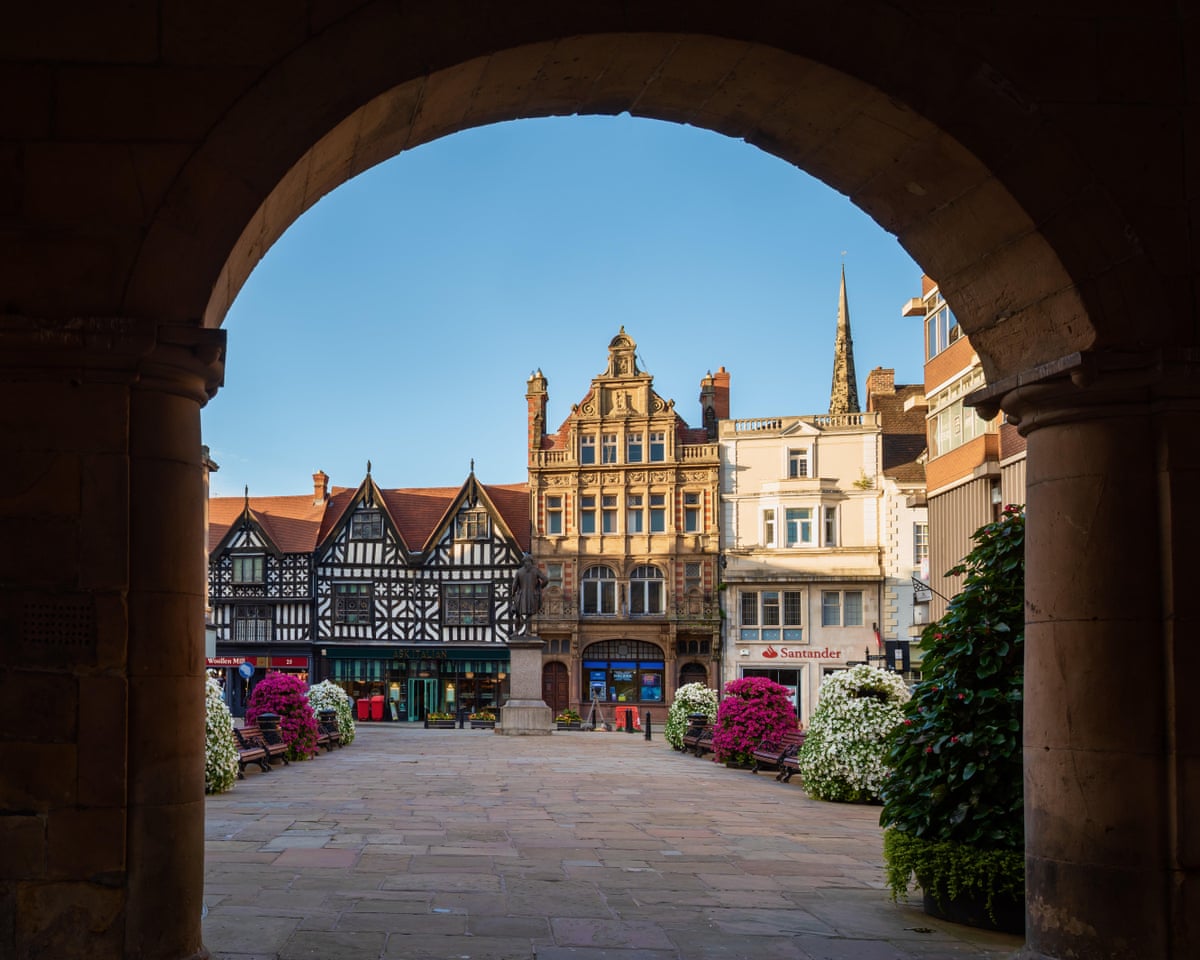
How does the first day's walk unfold?
After dining on pan-roasted trout in the beamed restaurant at my base—where a wine and tapas bar also operates—I set out the following morning to walk the first leg to Ratlinghope. The route crosses the River Severn, and as the urban landscape recedes, quiet country lanes emerge leading toward Lyth Hill Country Park, where sweeping vistas extend across the Shropshire countryside.
The path climbs steadily toward Wilderley Hill, passing fields of bright yellow rapeseed against a backdrop of green pasture. I pause beneath an oak tree for lunch, surrounded only by the calls of wrens and chaffinches. The terrain transforms as the route approaches Ratlinghope, following a brook, crossing wooden footbridges and threading through attractive woodland. Just beyond the path stands St Margaret's Church, a 12th-century structure that served as the burial place of Richard Munslow, a 19th-century farmer and the last documented "sin-eater"—a figure whose role involved consuming bread and ale over the deceased to symbolically absorb their sins.
The Bridges pub offers a welcoming beer garden and seven minimalist rooms arranged around an adjacent courtyard, with guests enjoying access to a lounge situated above the bar. The menu features dishes such as Guinness rarebit and duck terrine, while the light-filled restaurant emphasises organic ingredients sourced from the owners' regenerative farm on the Linley Estate and across the Welsh Marches. My dinner includes substantial radishes with anchoïade and hake prepared with fennel, capers and crispy polenta. The following morning's breakfast—homemade granola and poached rhubarb—proves equally impressive. The establishment radiates such warmth and friendliness that Sam mentions the staff will even arrange transport home for guests who have consumed too much. The pub's character alone justifies a visit to the area.
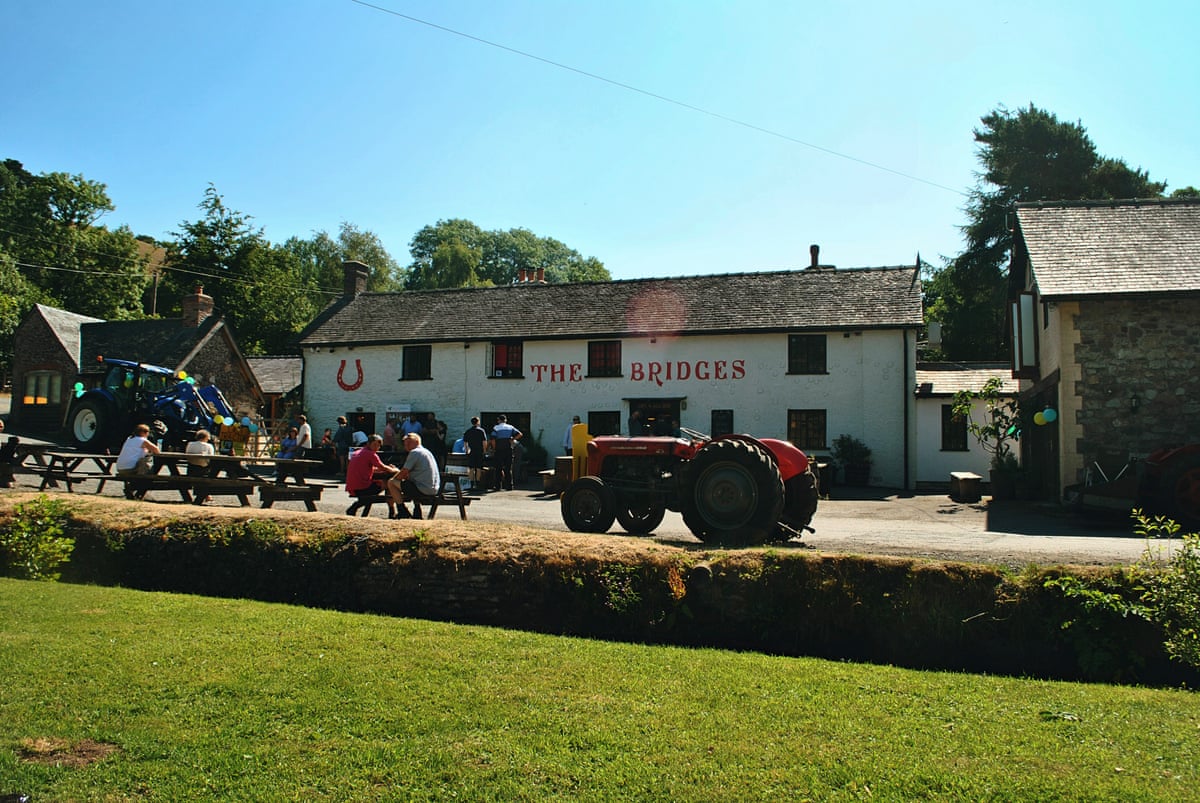
What characterises the second day's terrain?
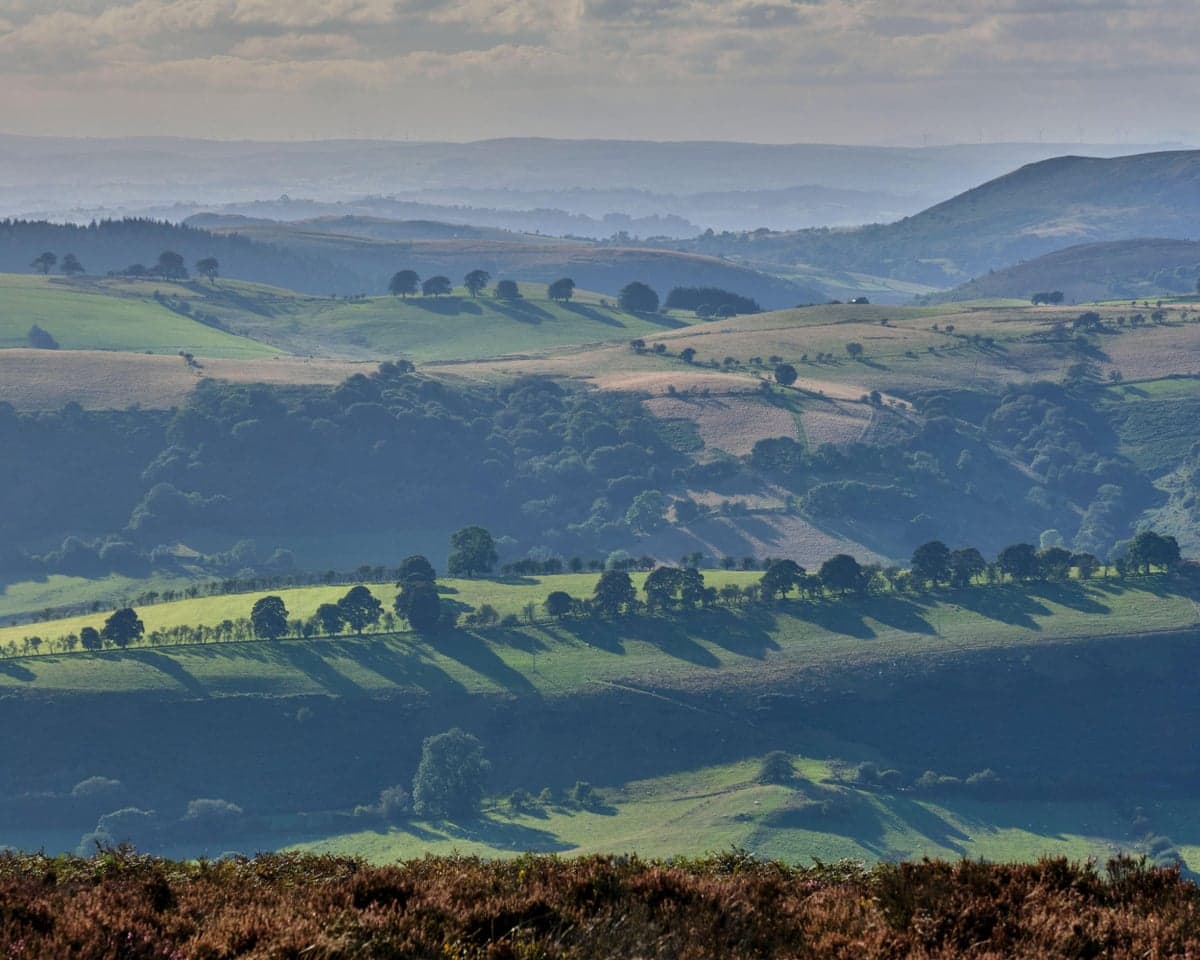
Clear skies and gentle warmth accompany me for the second day's 12-mile walk across moorland and pastures toward Bishop's Castle. Although the destination sits on the edge of the Long Mynd—a heath and moorland plateau—my route heads north toward the Stiperstones, a national nature reserve featuring a dramatic ridge of quartzite rock formations that jut from the landscape. The ascent grows steeper as I pass the Devil's Chair tor, observing skylarks and buzzards circling overhead.
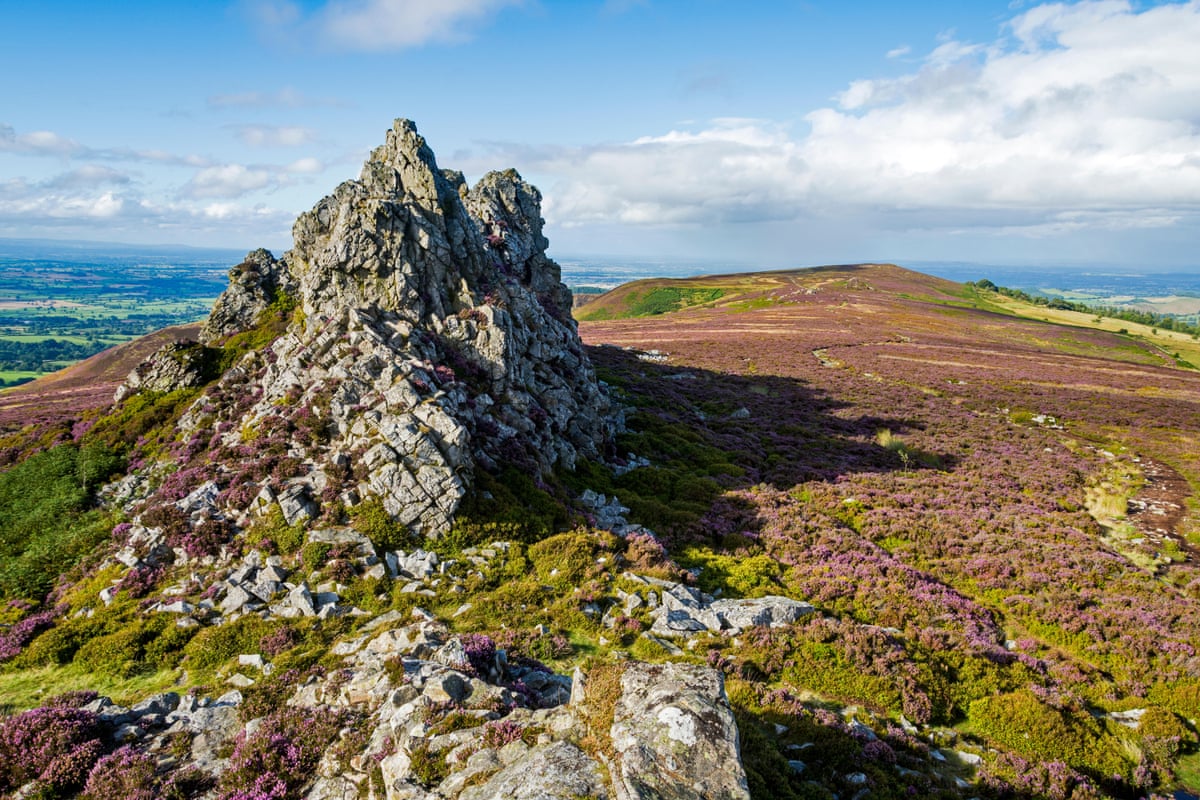
The walking proves genuinely beautiful. After several hours of steady progress, a magnificent row of Linley Beeches guides the descent into Bishop's Castle, an attractive town characterised by half-timbered buildings. A Georgian-era property with an oak-panelled drawing room and five antique-furnished bedrooms provides accommodation for the night. The town itself contains several points of interest, including an unusual pharmacy where prescriptions consist of poems selected to evoke particular emotional states, to be "taken" as needed. Although little survives of the medieval castle that once stood here and provided the town's name, the grand estate with its attractive gardens and welcoming restaurant warrants a visit.
How accessible is the Shropshire Way for weekend walkers?
The structured itineraries make exploring this landscape far more manageable than attempting the complete 185-mile route. The Heart of the Hills itinerary is listed as approximately 26 miles with moderate to challenging difficulty, with the first walking day from Shrewsbury to Bridges covering 14¾ miles. Train access proves straightforward—Craven Arms station lies a short bus or taxi journey from Bishop's Castle, allowing walkers to return home without retracing their steps.
With additional time, extending the journey to incorporate further loops of the trail would be entirely feasible. However, the return train service beckons, and I depart feeling satisfied with this introduction to a small section of the Shropshire Way. As weekend rambling experiences go, this itinerary delivers on all fronts, and the experience has sparked genuine enthusiasm to explore additional segments of the trail in future visits.
Key Facts
- The Shropshire Way spans 185 miles (297km) across the county, with new curated itineraries breaking it into train-accessible loops suitable for weekend trips
- Beavers were reintroduced to Shrewsbury for the first time in over 400 years, with the first kit born in late 2025 at the Old River Bed nature reserve
- The Heart of the Hills itinerary covers approximately 26-27 miles across two days, passing through historic towns, moorland plateaus and quartzite ridge formations
- Accommodation options range from riverside coaching inns to Georgian properties, with many establishments emphasising locally sourced and organic dining
- Train connections at Craven Arms station provide straightforward access for walkers returning home without completing the full route