A former Royal Marine has finished an extraordinary solo and unsupported voyage across two oceans, spending 327 consecutive days without touching land. Dave "Dinger" Bell, based in Bere Regis, Dorset, departed from Peru's west coast on 9 November and arrived in Kilifi, north of Mombasa, Kenya, on 3 June at 10:15 BST (12:15 local time), having rowed more than 15,000 nautical miles (28,000km) in his carbon-fibre boat.
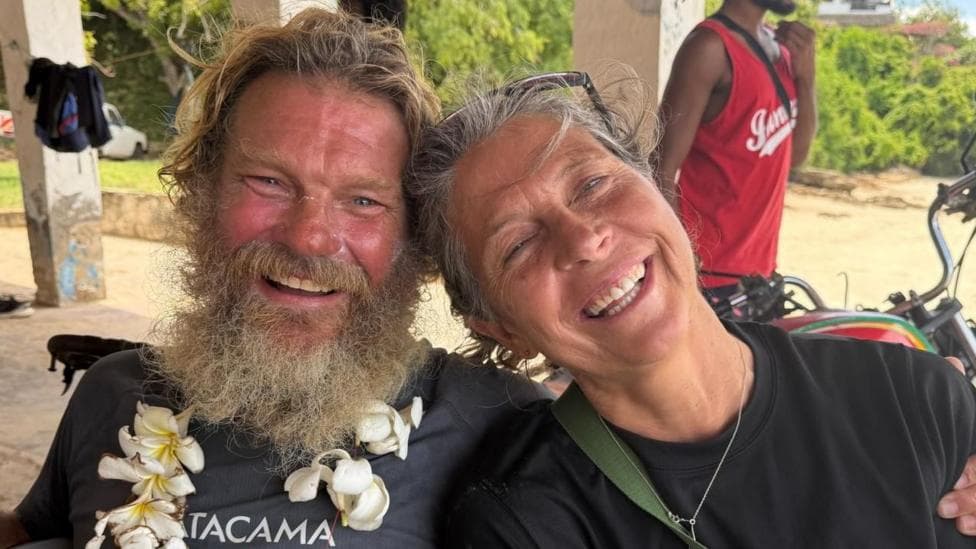
Bell undertook the expedition to raise funds for Rock2Recovery, a charity supporting military communities, veterans and their families, as well as blue-light workers affected by stress. Upon stepping ashore in Kenya, he was greeted by his partner, Georgie, and handed a beer as he walked unsteadily up the beach after nearly 11 months at sea.
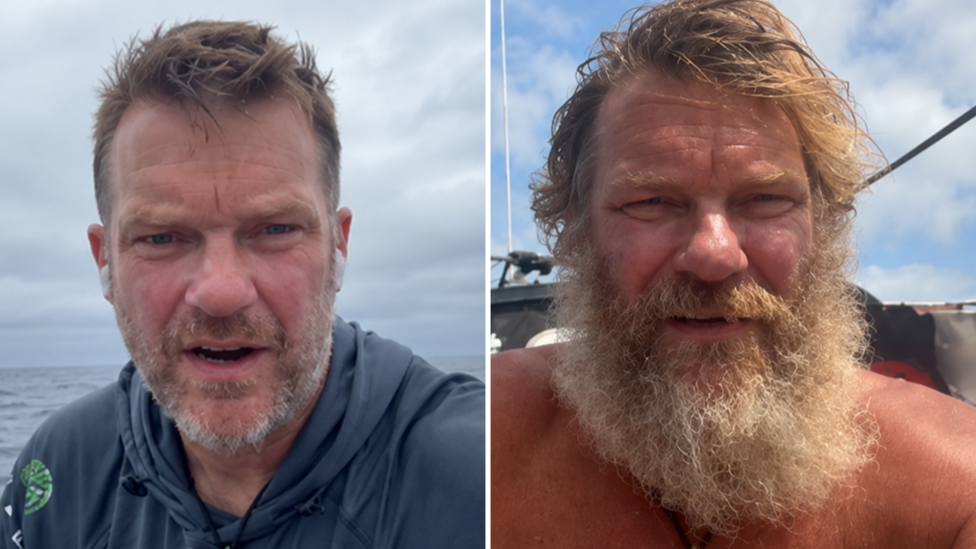
What was Bell's reaction to completing the journey?
Speaking to journalists at his arrival point, Bell expressed his sense of accomplishment and calm.
"The last week has been so amazing. I've been the calmest I've ever been in my life. I've not stepped off that boat since the ninth of November. This is the first time I've touched land."He arrived ahead of schedule and noted that he still carried enough provisions to sustain himself for an additional 20 days at sea.
Bell described his immediate plans as a mixture of practical and emotional priorities.
"The plan is for me to step off... go back to the hotel to clean up, sleep and rest and socialise with the people that are coming to see me, then come back to the boat - when I've got rid of my land legs hopefully, so I can walk by myself."He anticipated that returning to solid ground would create a profound sensory experience.
"I'm trying to sensitise myself because it's going to be bewildering to step off and step on dry land - total sensory overload. I'm looking forward to it, it'll be a novelty to feel like that and it'll eventually wear off."
How did Bell manage the psychological demands of nearly 11 months alone?
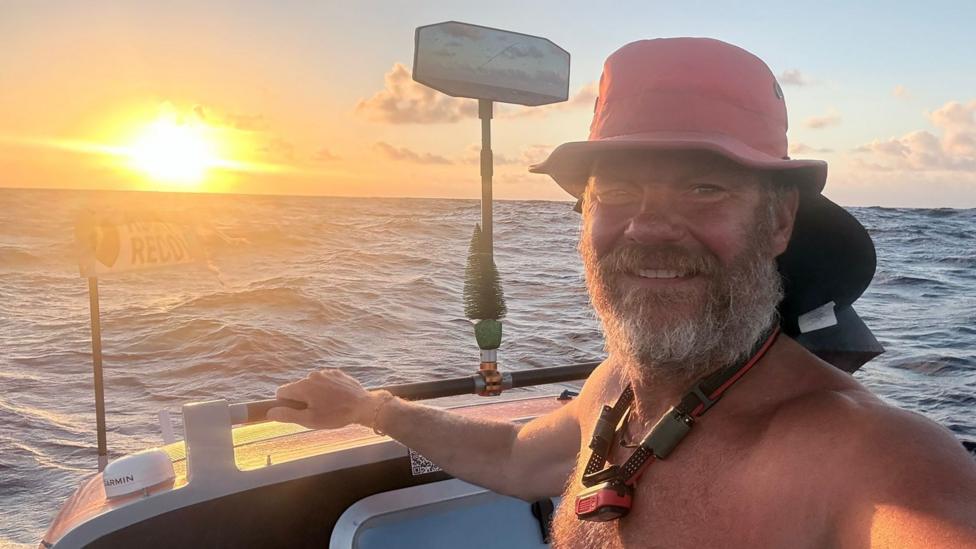
Maintaining mental resilience during such an extended isolation required deliberate strategies. Bell relied heavily on audio content to avoid what he termed "clockwatching."
"I had avoided 'clockwatching' by listening to podcasts and audiobooks, as well as by sending and receiving voicenotes."This approach helped him pass the months without fixating on the passage of time or the distance remaining.
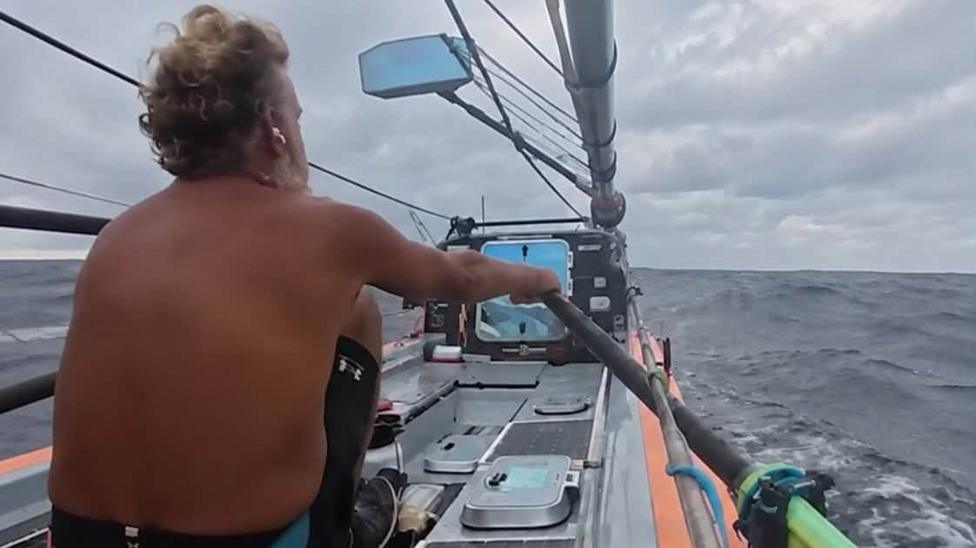
In a voicenote recorded in the Indian Ocean and sent to a national broadcaster, Bell explained his fundamental motivation for undertaking such a demanding challenge.
"The idea struck me it might be achievable and I couldn't let that go."He described the driving force behind his voyage as an
"overwhelming sense of curiosity."
What was Bell's route and biggest obstacle?
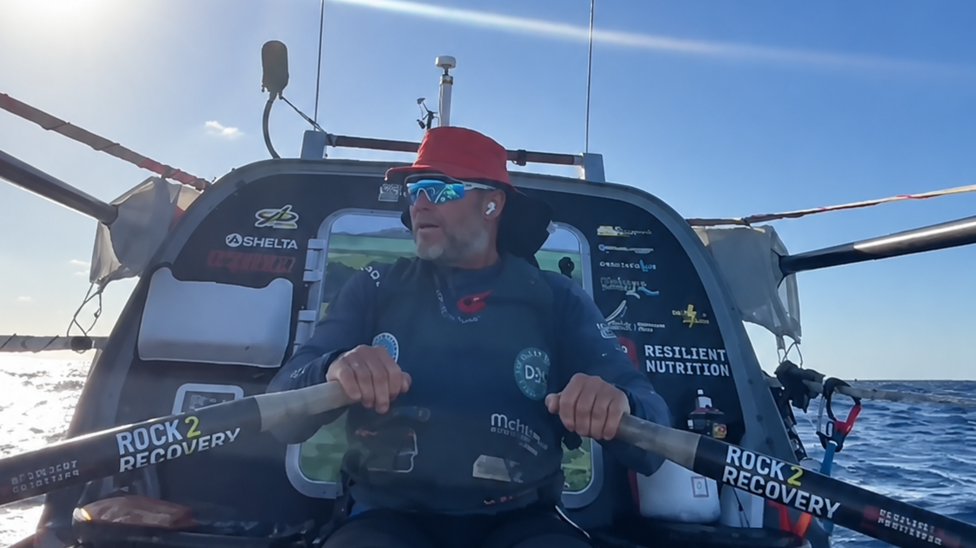
Bell's westerly trajectory took him across the Pacific, through the Coral Sea, past the Great Barrier Reef, along Australia's northern coast via the Torres Strait, and then across the Indian Ocean. The voyage presented unexpected challenges that required him to abandon his rowing schedule temporarily.
The most significant psychological test came when Bell was forced to cease rowing for eight weeks while crossing the South Pacific.
"I was too quick so I had to slow down. To sit, mid-ocean, knowing you've still got seven, eight, nine months at sea but not be rowing was one of the hardest things, psychologically, that I've ever had to deal with."This pause was necessary to avoid reaching the Coral Sea during cyclone season, demonstrating that physical endurance alone was insufficient for success.
What wildlife did Bell encounter during his voyage?
Rather than viewing the ocean's inhabitants as threats, Bell found his encounters with marine life to be among the most rewarding aspects of his journey. When asked about sharks, he responded positively.
"Yes, the most enjoyable part was the wildlife encounters I had. I was followed for weeks - one whitetip on one side and one on the other - and I would row for days like that."These interactions provided both companionship and wonder during his extended solitude.
How does this voyage compare to Bell's previous achievement?
Bell is not new to ocean rowing. In 2021, he completed a solo Atlantic crossing from New York to Newlyn in Cornwall in 119 days, becoming among the first to row unsupported from New York to continental Europe. After that expedition, he declared he would never undertake such a challenge again. However, technological advances changed his perspective. Lighter boats, improved solar panels and more reliable autopilot systems rekindled his curiosity about what further achievements might be possible.
What recognition has Bell received?
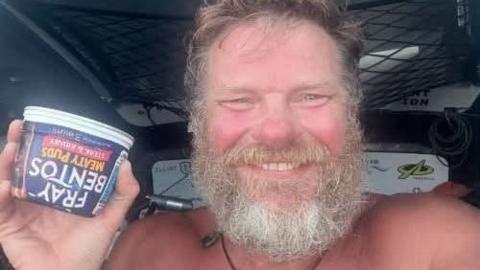
Bell's accomplishment has drawn congratulations from prominent figures in adventure and sport. Television adventurer Jason Fox posted on social media:
"He's done. Two oceans on his own. It is incredible. What he's done is insane and it's all for Rock 2 Recovery."Former footballer and pundit Graeme Souness also acknowledged the feat, saying:
"Dave, I can't get my head around 15,500 miles. Truly, truly incredible. Well done you."
How much has the expedition raised for charity?
Bell's completed voyage had raised more than £110,000 for Rock2Recovery, demonstrating that his personal achievement also translated into substantial support for the veterans and emergency workers the charity serves.
Key Facts
- Bell departed from Peru on 9 November and arrived in Kenya on 3 June, spending 327 days continuously at sea without landing
- He rowed more than 15,000 nautical miles (28,000km) across the Pacific and Indian Oceans in a carbon-fibre boat
- His previous ocean-rowing achievement was a 2021 Atlantic crossing from New York to Cornwall completed in 119 days
- The expedition raised over £110,000 for Rock2Recovery, which supports veterans and blue-light workers affected by trauma and stress
- Bell's greatest psychological challenge was stopping rowing for eight weeks in the South Pacific to avoid cyclone season, despite knowing months of rowing remained