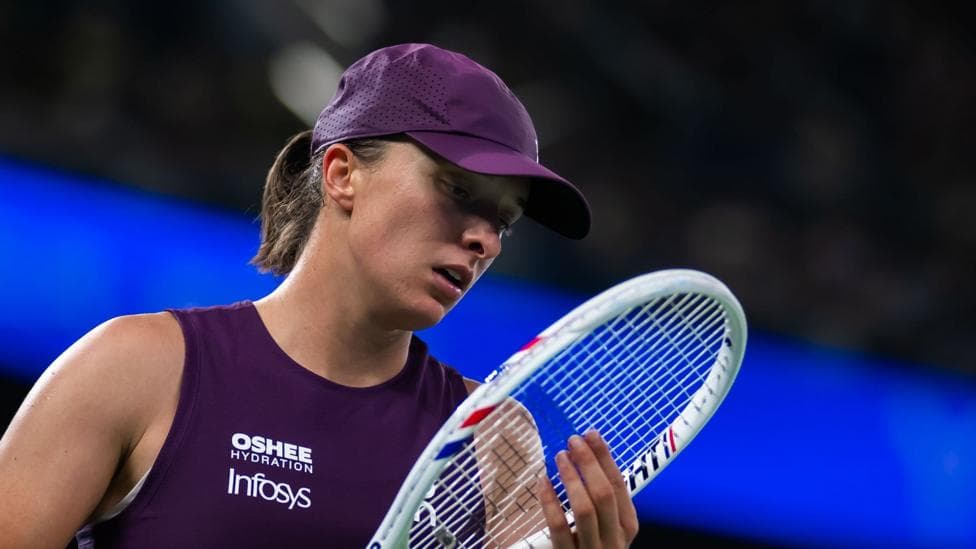
Six-time Grand Slam champion Iga Swiatek has decided to conclude her 2026 campaign ahead of schedule, describing it as one of the most taxing periods of her professional career. The Polish player withdrew from the Ningbo Open on Tuesday due to a thigh injury and subsequently announced she would not compete for the remainder of the year, prioritizing recovery before her return in 2027. According to BBC Sport, this marks the first time since 2019 that Swiatek has failed to qualify for the end-of-season WTA Finals.
The 25-year-old's decision to step away reflects a season marked by inconsistency and emotional strain. Swiatek revealed she had been managing a left-thigh problem involving the quadriceps for several weeks, which ultimately prompted her withdrawal from Ningbo. Her ranking has slipped to ninth following a campaign in which she captured just one WTA title—the Canadian Open in August—and compiled a 42-16 win-loss record.
"The past few months, or actually the past couple of years, have been incredibly intense," Swiatek said. "I feel I need to rest and recover my body fully, so that's exactly what I will do - [for] a bit longer this time."
This season represents a significant departure from Swiatek's recent trajectory. For the first time since 2021, she has ended a calendar year without capturing a Grand Slam title. Her 2026 Grand Slam results included a quarter-final appearance at the Australian Open, a fourth-round exit at the French Open, a third-round departure at Wimbledon, and a fourth-round loss at the US Open. Her most recent Grand Slam victory came at Wimbledon in 2025.
The former world number one has endured considerable turbulence throughout 2026. In March, she parted ways with long-time coach Wim Fissette and subsequently hired Francisco Roig, the former coach of Rafael Nadal and Emma Raducanu, in an effort to stabilize her game and become "a rock on the court." Despite these changes, Swiatek has struggled with the mental and emotional demands of professional tennis, openly discussing anxiety and erratic unforced errors that have plagued her performances.
What was the highlight of Swiatek's difficult year?
The Canadian Open victory in Toronto emerged as the clearest positive moment of Swiatek's 2026 campaign. Her triumph over Elena Rybakina—now ranked world number one—produced an unusual outpouring of emotion that suggested a potential turning point in her season.
"I'm especially proud of the work we've done in the second half of the year and the progress that came with it," Swiatek reflected. "It gives me a lot of confidence in what's ahead."
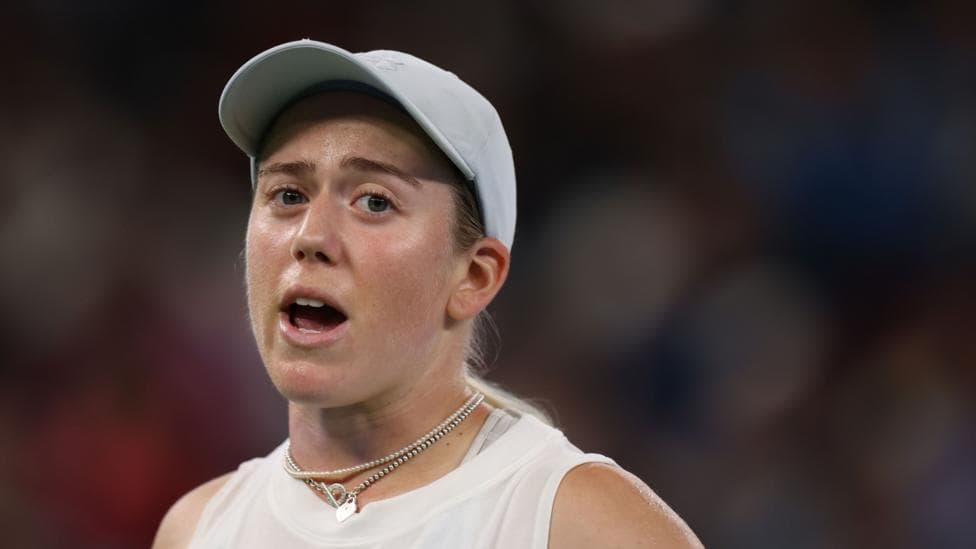
However, the momentum generated by that victory failed to sustain itself. On Saturday, Swiatek lost to fellow Polish player Maja Chwalinska in the Wuhan Open semi-finals, marking only her fourth defeat across 23 matches. The loss carried particular emotional weight, as Chwalinska is a childhood friend. Despite playing through her thigh injury against Chwalinska, Swiatek was visibly affected, wiping away tears during the match.
Why did Swiatek choose to end her season now?
Swiatek's decision to withdraw from further competition was logical given her circumstances. For a player accustomed to automatic qualification for the WTA Finals as a baseline expectation, continuing to compete without realistic prospects of reaching that milestone offered little benefit. Even had her injury healed sufficiently to permit participation in additional tour events in Tokyo or qualification as an alternate for the season finale in Indian Wells, the mental respite she clearly requires would have remained elusive.
The stress and anxiety Swiatek has publicly acknowledged experiencing on court have manifested in inconsistent play and emotional overwhelm during matches. Her candid assessment following the Wuhan loss—that she could "go on a longer vacation" by not reaching the WTA Finals—revealed her true priority: securing the extended break necessary to address both physical recovery and psychological well-being before returning to competition.
What lies ahead for Swiatek?
With the WTA Finals scheduled for November 8–15 in Indian Wells, Swiatek will not compete in the season-ending event. Her next competitive opportunity will arrive at the Australian Open in January 2027, where she will have the chance to complete the career Grand Slam—a milestone that has eluded her throughout her career.
The extended break Swiatek has chosen represents a deliberate investment in her long-term career trajectory. By stepping away now rather than pushing through additional tournaments while injured and mentally fatigued, she aims to return in 2027 with renewed physical health and psychological resilience. The success of this strategy will become apparent when she returns to the tour, but her willingness to prioritize recovery over short-term competitive results suggests a player intent on reclaiming the consistency and dominance that characterized her earlier years.