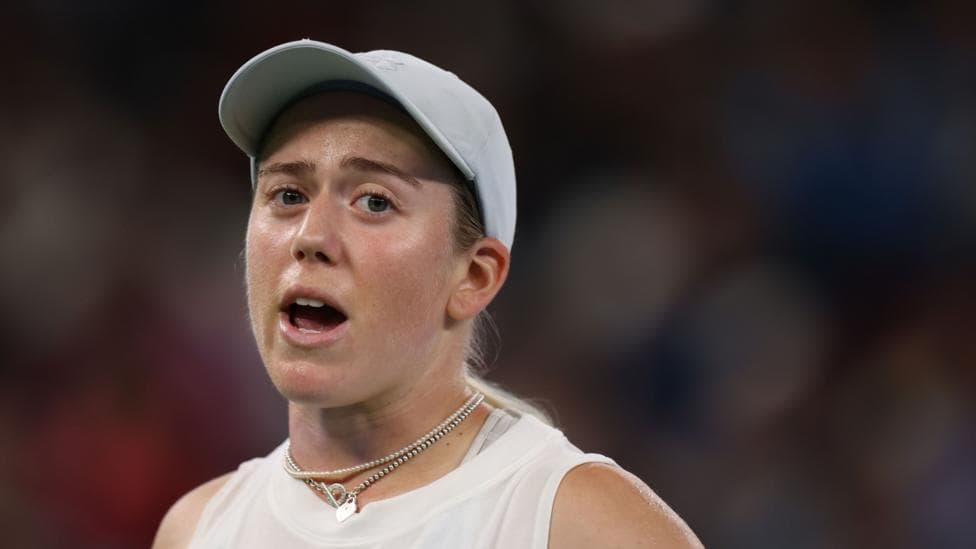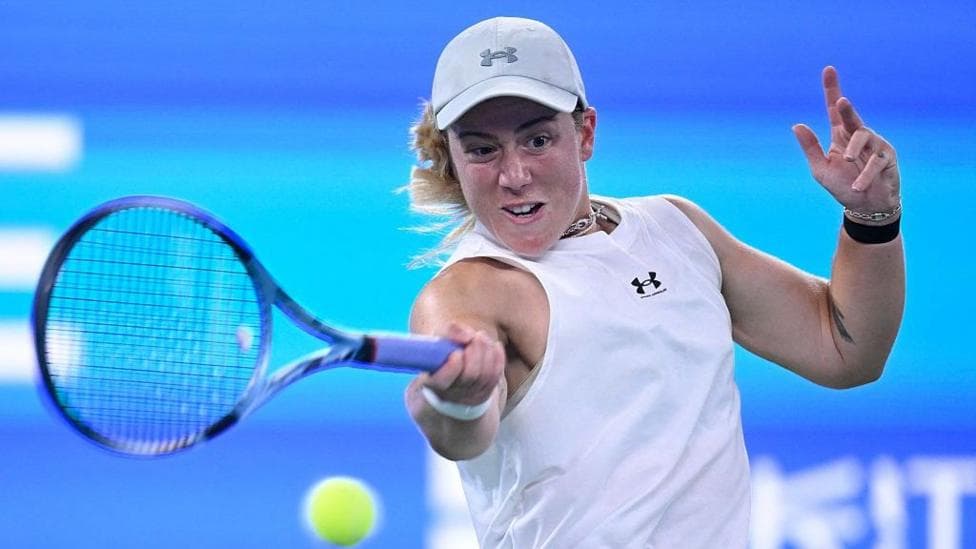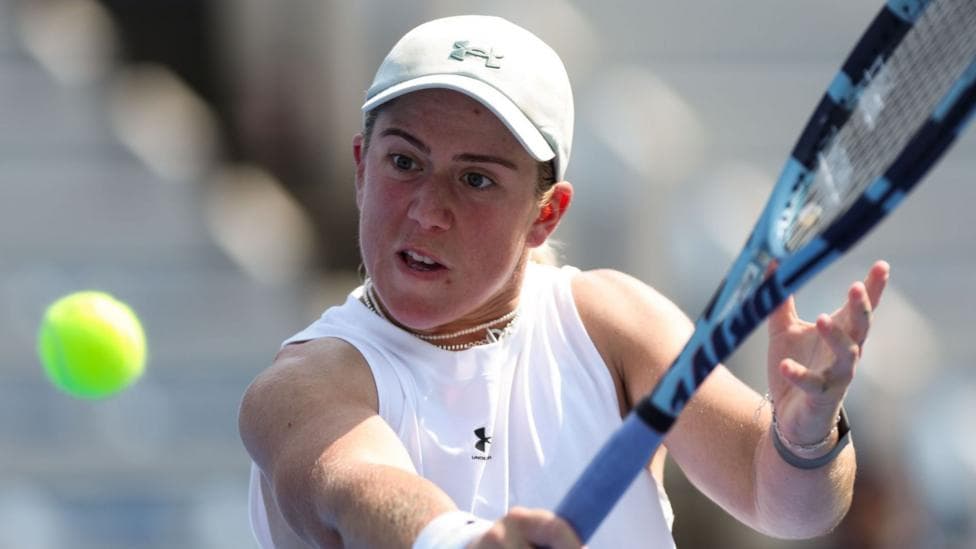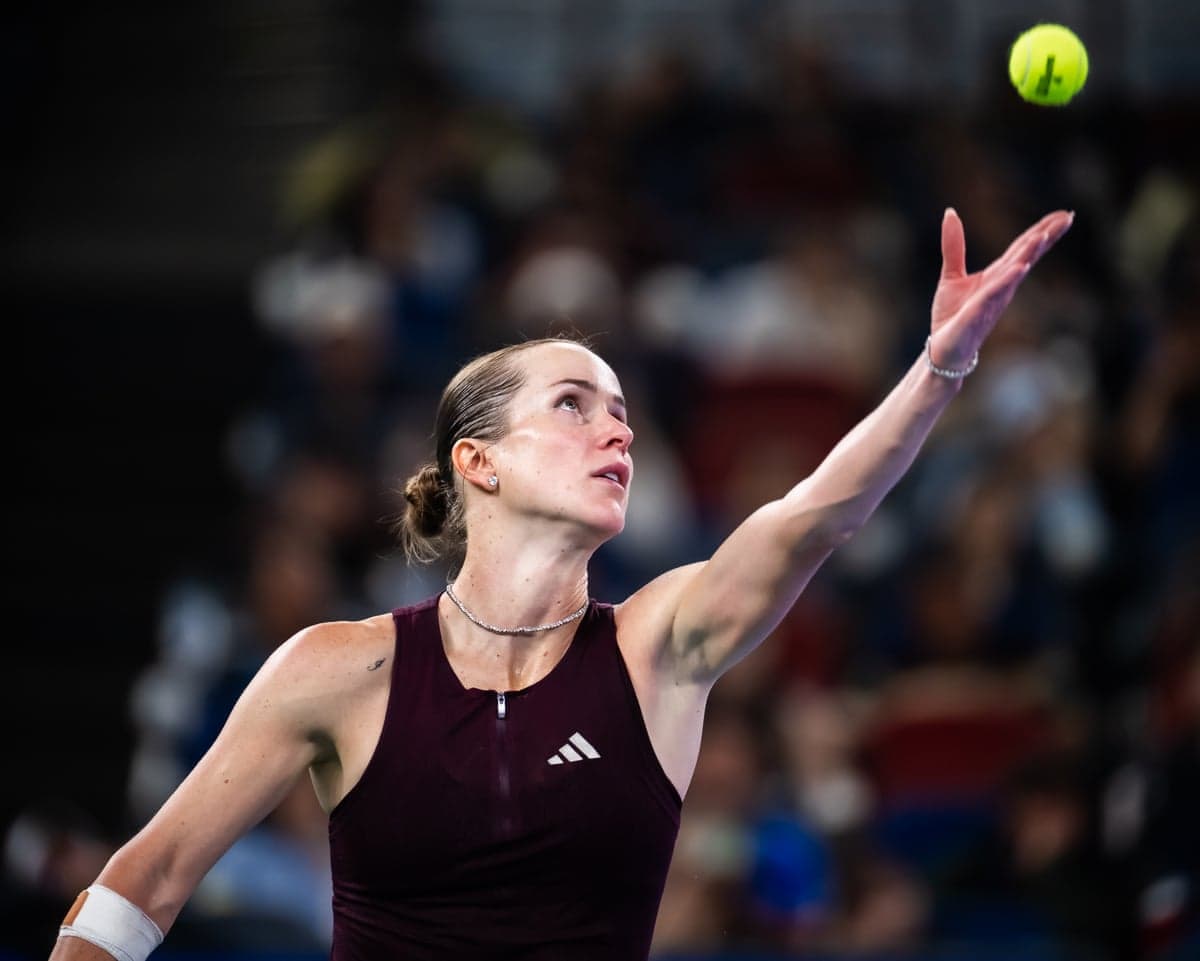
Elina Svitolina, the world No 6 tennis player, has announced her separation from her husband Gaël Monfils in an emotional statement shared on Instagram. The 32-year-old Ukrainian athlete revealed the profound psychological impact that Russia's ongoing war against her country has had on her personal life, leading her to the difficult decision to end her marriage.
According to The Guardian, Svitolina described experiencing sleepless nights and persistent self-doubt as she grappled with the conflict's emotional weight. She explained that she had come to recognise she needed to rediscover her own identity, something she felt unable to accomplish while remaining in her marriage.
In her statement, Svitolina wrote:
"This is the most difficult thing I have ever had to share. Everyone knows how much Ukraine means to me. What I have rarely spoken about is what the war has done to me inside. With time, I came to understand that I need to find my way back to myself and that I cannot do that within our marriage. It is the hardest truth I have ever had to face and the hardest thing I have ever had to tell the person I love. Gaël listened. He has respected what I need with a strength and grace I will never forget."
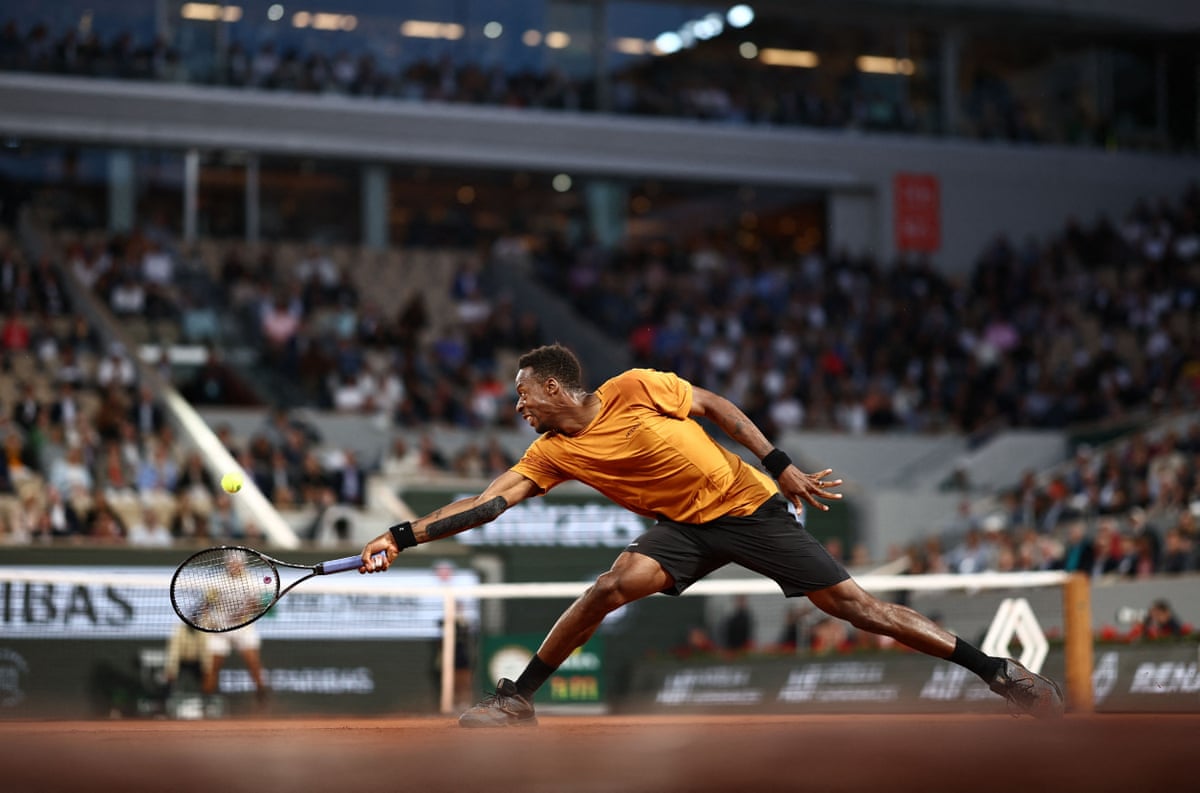
The four-time Grand Slam semi-finalist and Monfils, a former world No 6 from France who is now 40 years old, were married in 2021 and share a four-year-old daughter named Skai. Monfils recently concluded his 22-year Grand Slam career following a straight-sets loss at the US Open in early September.
Svitolina emphasised that their daughter remains her priority as the marriage comes to an end. She stated:
"Skai will always come first. Our marriage is ending, but our family is not. Please know that there is no one to blame here. There are only two people who loved each other deeply and a story that is changing shape."
The separation marks a significant personal development for Svitolina, who has been vocal about her commitment to Ukraine throughout the conflict. Her willingness to discuss the internal emotional toll of the war adds to broader conversations within professional sports about how global crises affect athletes' mental health and personal relationships, a theme that has resonated with other competitors facing their own challenges in balancing professional demands with personal circumstances.