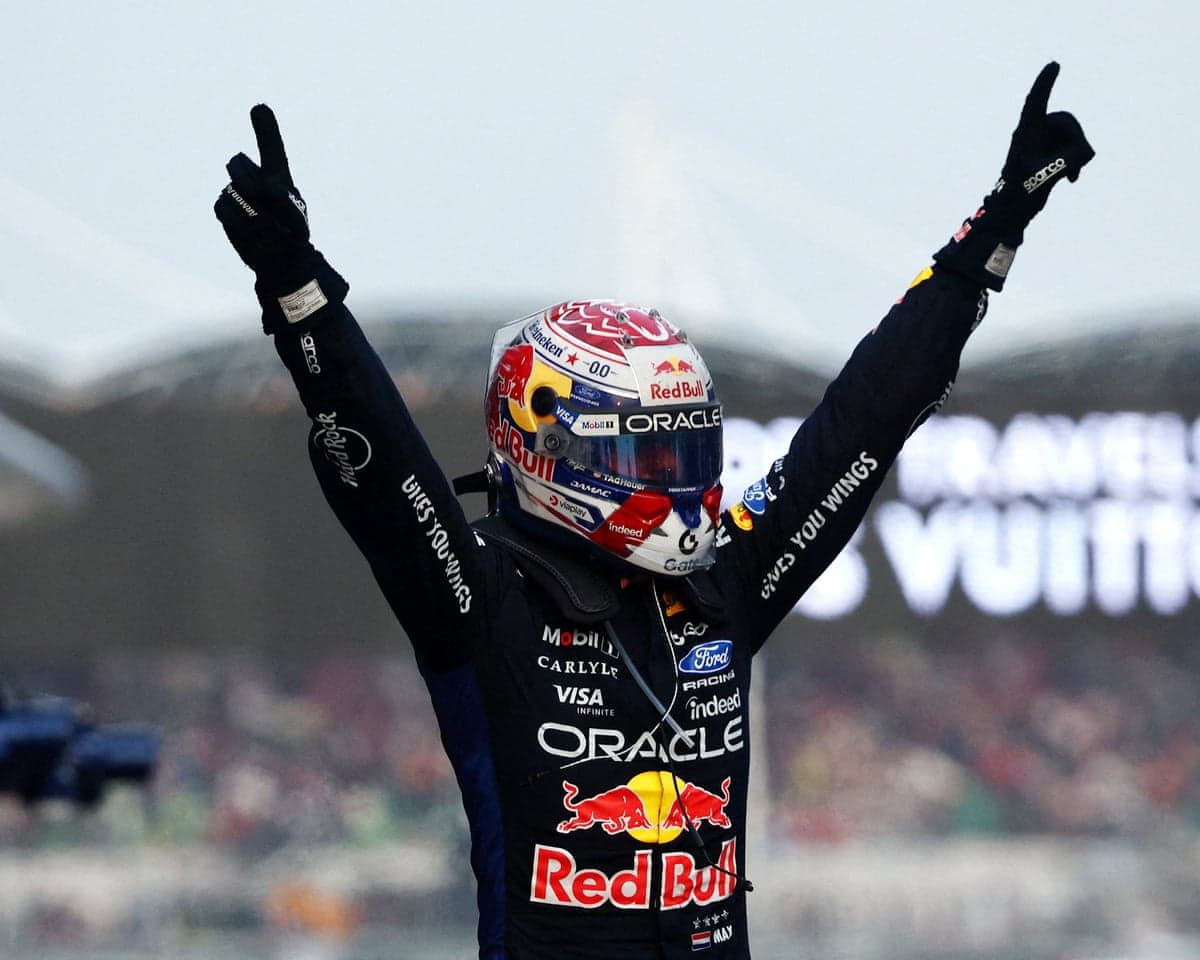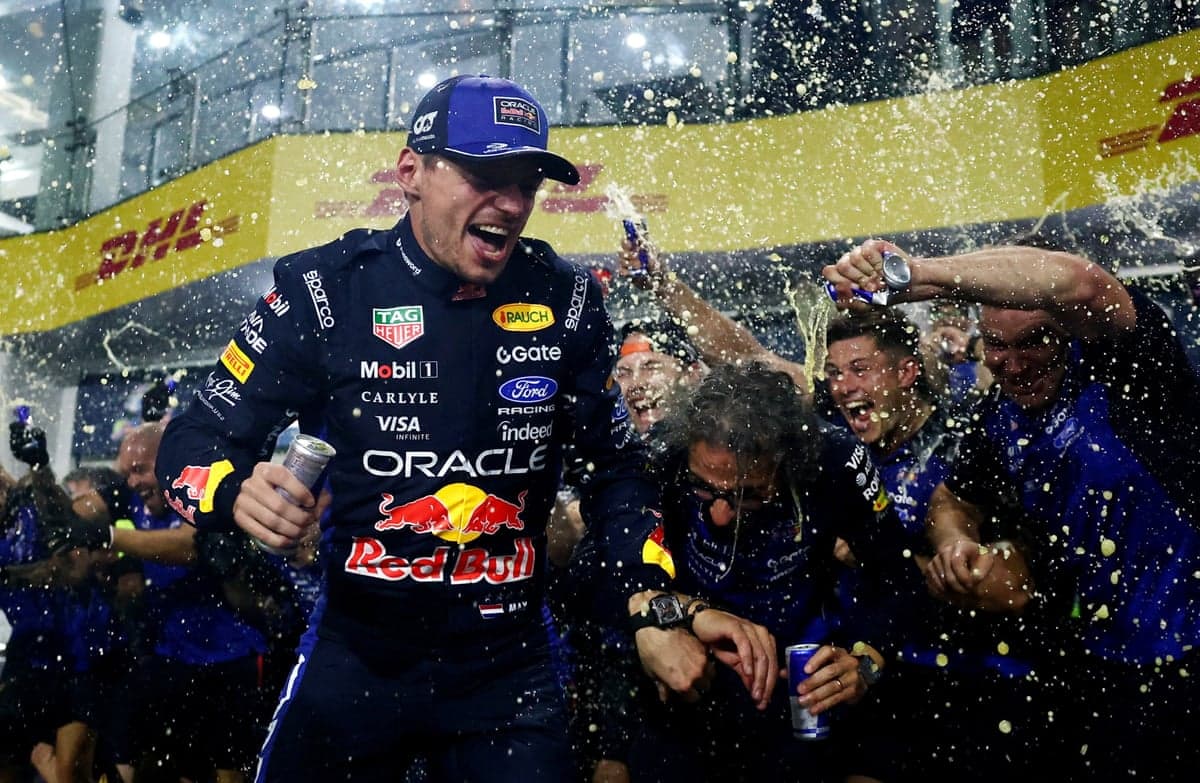
Max Verstappen's commanding victory at Sepang on 4 October marked a watershed moment for Red Bull, demonstrating that months of incremental development have finally yielded a genuinely competitive machine. The four-time world champion won by 2.307 seconds over Kimi Antonelli, securing Red Bull Ford Powertrains' first victory of the 2026 season and signalling to rivals that the team's resurgence should not be underestimated heading into 2027.
The significance of this win lay not merely in the result itself, but in what it revealed about Verstappen's relationship with his car. For the first time in months, the Dutchman drove with the confidence and control of a champion, free from the frustrations that had plagued him since the season's opening races. The transformation underscored what might have been achieved had the RB22 been competitive from the start, while simultaneously hinting at the threat Red Bull could pose when they arrive at next year's championship fully prepared.
How did Red Bull's car go from uncompetitive to dominant?
The journey from struggling machinery to race-winning performance was neither swift nor straightforward. In the opening phase of the season, the RB22 was deficient across almost every measurable parameter—lacking pace, balance, and consistency. Verstappen, despite his extraordinary skill, found himself powerless against the car's fundamental shortcomings. He described the experience as feeling like a passenger, unable to predict how the vehicle would respond to steering inputs.
"At the start of the season, I really had weekends where I would turn the steering wheel and strange things would happen,"he reflected, an understated characterisation of a deeply unsettling situation for any driver.
Red Bull responded by introducing major upgrades at Miami and Austria, yet the scale of the problems distributed across the chassis meant progress remained incremental. As recently as Monza, a month before Sepang, Verstappen could manage only sixth place on the grid, hampered by the team's relative weakness in electrical energy deployment on a power-sensitive circuit. A win seemed as distant as ever.
However, beneath the surface, each development brought greater understanding. In Madrid, Verstappen qualified just over a tenth off pole and demonstrated genuine race pace, suggesting the car was beginning to coalesce. At Baku, Red Bull deployed their final major upgrade, including a revised floor design. Though Verstappen started eighth due to yellow flags in qualifying, he surged through the field with a car that had become noticeably rapid on the straights—a development that did not escape the attention of Mercedes as he closed on George Russell.
Verstappen's teammate Isack Hadjar, returning from a three-race absence with a wrist injury, offered a telling assessment of the transformation.
"I definitely feel like I jumped in a car that's way better than when I left it in Budapest,"he said, capturing the magnitude of the improvements in a single observation.
What made the Sepang victory so convincing?
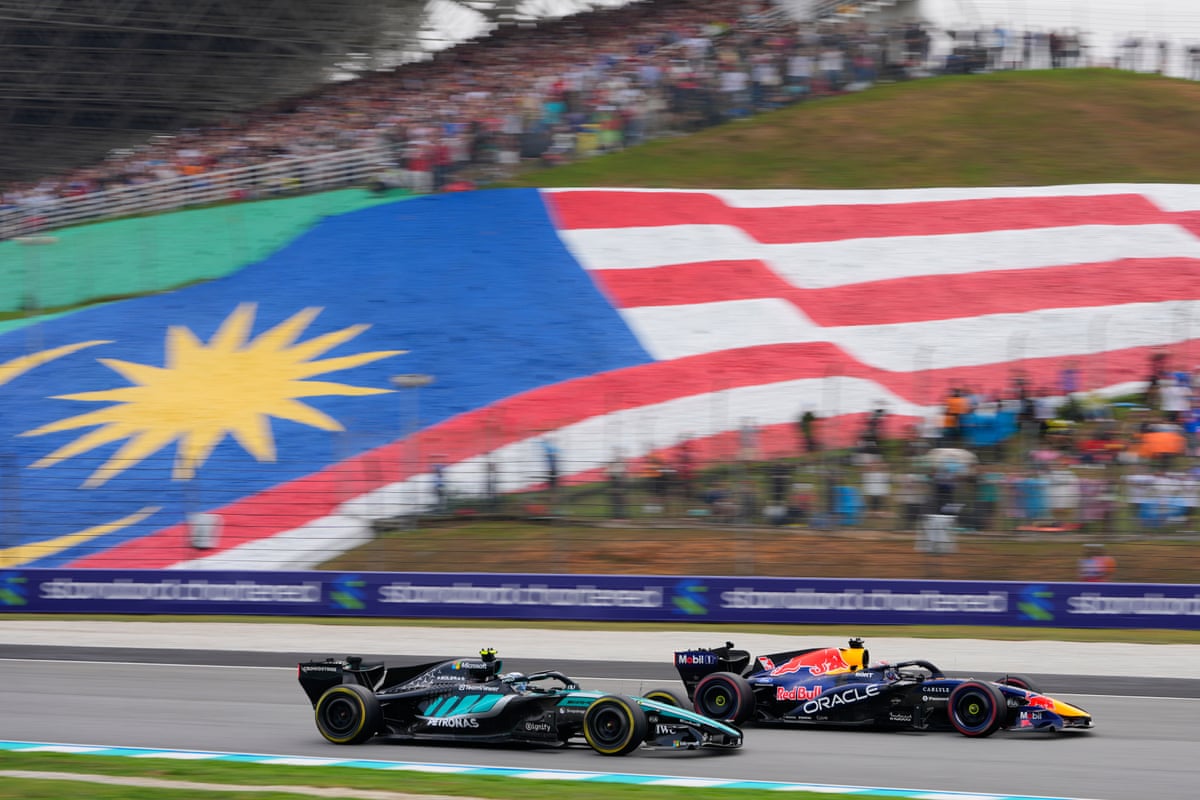
Sepang provided the validation that Red Bull's development strategy had finally succeeded. Verstappen claimed pole position with a qualifying lap of 1:35.130 and controlled the 55-lap race from start to finish, completing it in 1:47:14.808. The RB22 demonstrated superiority in multiple performance windows—it was quicker in a straight line than Mercedes, and crucially, it had regained speed in the medium and high-speed corners that had been an Achilles heel throughout the season.
On a circuit notoriously punishing to tyre degradation, the car's improved balance meant it was less damaging to the rubber and allowed superior energy deployment. By addressing problems that had compounded one another, Red Bull had engineered a more coherent whole. Verstappen described the process as having
"pushed weaknesses out of the car,"a characterisation that captured the methodical nature of their recovery. After 16 races, Red Bull had finally positioned themselves on level footing with McLaren, Ferrari, and Mercedes.
The achievement deserves recognition not only for the performance gains but also for the broader context in which they were achieved. Building their own engine for the first time and delivering a race victory represented a feat that many in the paddock regarded as beyond realistic expectations. George Russell's late-race retirement with a suspected power-unit failure meant Mercedes could not mount a serious challenge, though the broader picture showed Red Bull had genuinely closed the gap.
What does this mean for Red Bull's rivals?
The victory carries implications that extend well beyond the immediate championship standings. Red Bull's resurgence, achieved through collective effort and sustained development focus, demonstrates the team's capacity to recover from adversity. The paddock is acutely aware that when Red Bull arrives at a new season with momentum and a competitive car, they represent a formidable threat.
There remains a possibility that the Sepang result was partly track-specific. Mercedes' upgrades, deployed at the Malaysian circuit, failed to deliver the expected performance gains, and Russell will start the Singapore Grand Prix from the back of the grid following an engine change after his retirement in Malaysia. The streets of Singapore this weekend will provide a more definitive test of whether Red Bull's improvements translate across different circuit characteristics.
How are Red Bull approaching the season's final races?
Rather than viewing the remaining rounds as a mere epilogue to a disappointing season, Red Bull and Verstappen are treating them as a crucial foundation-building phase for 2027. The team's ambition is to end strongly while extracting every possible piece of learning that can be fed into next year's development programme. Hadjar articulated this philosophy clearly:
"We have to try all the things, make all the mistakes now and do all the learning to arrive in 2027 ready to roll and start on high."
This forward-looking approach will not be lost on their rivals, who understand intimately how dangerous Red Bull becomes when they possess both a competitive car and momentum heading into a new season. The team's ability to recover from the RB22's early-season struggles, combined with their determination to maximise the learning opportunity in the races ahead, suggests that 2027 could see a resurgent challenge from Milton Keynes.
What happens next?
The Formula 1 calendar moves to Singapore for the next round, scheduled for 9–11 October 2026. The street circuit will provide a different test of Red Bull's improvements, with its unique demands on car balance and tyre management. How Verstappen and the RB22 perform on the Marina Bay circuit will offer clearer insight into whether Sepang represented a genuine breakthrough or a result suited to that particular track's characteristics.
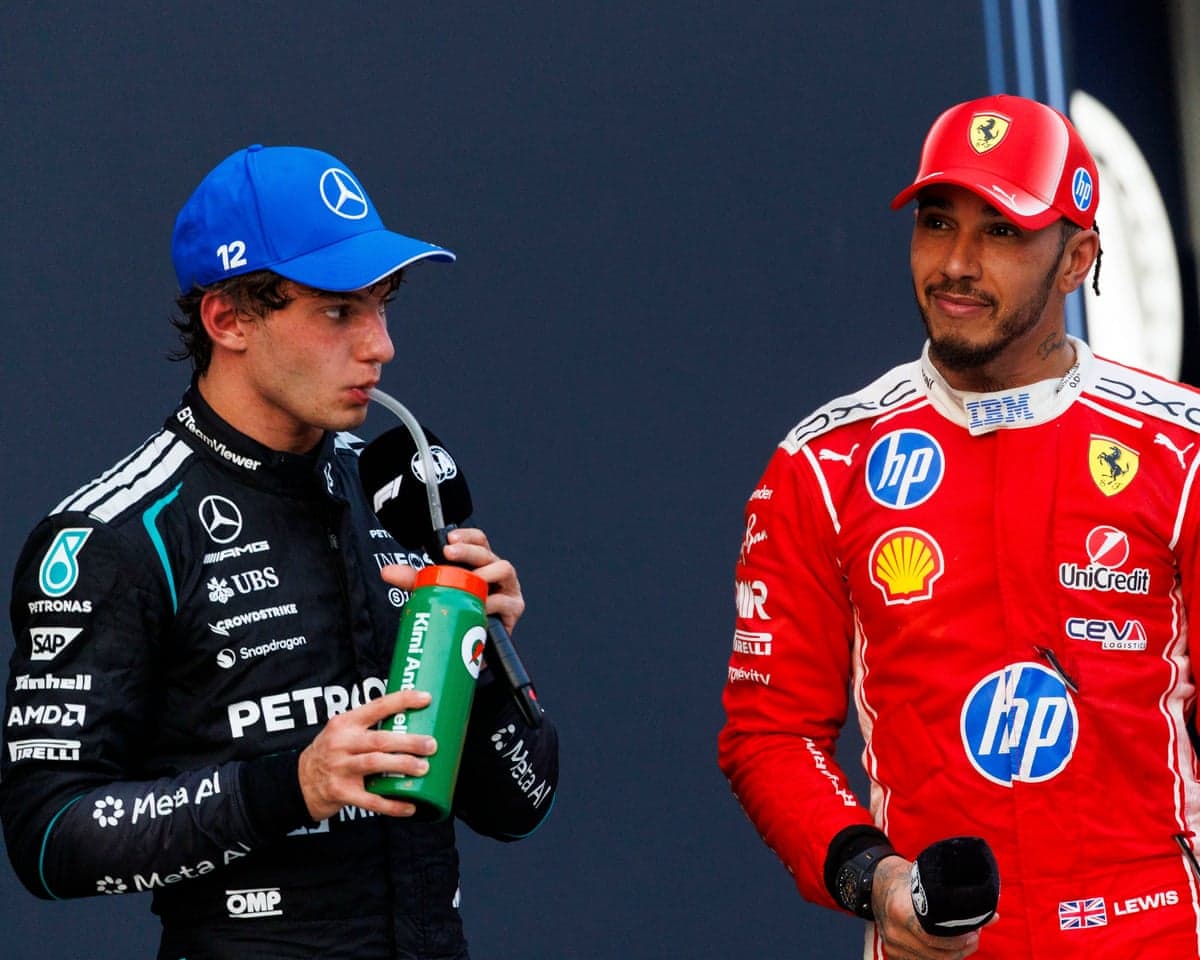
Meanwhile, Antonelli's second-place finish extended his championship lead over Russell to 84 points, while Lewis Hamilton's recovery from 18th on the grid to third place, finishing 4.919 seconds behind Verstappen, demonstrated that Mercedes retain competitive pace despite their Sepang struggles. The championship battle remains fluid, but Red Bull's emergence as a genuine threat has fundamentally altered the dynamics of the final races.