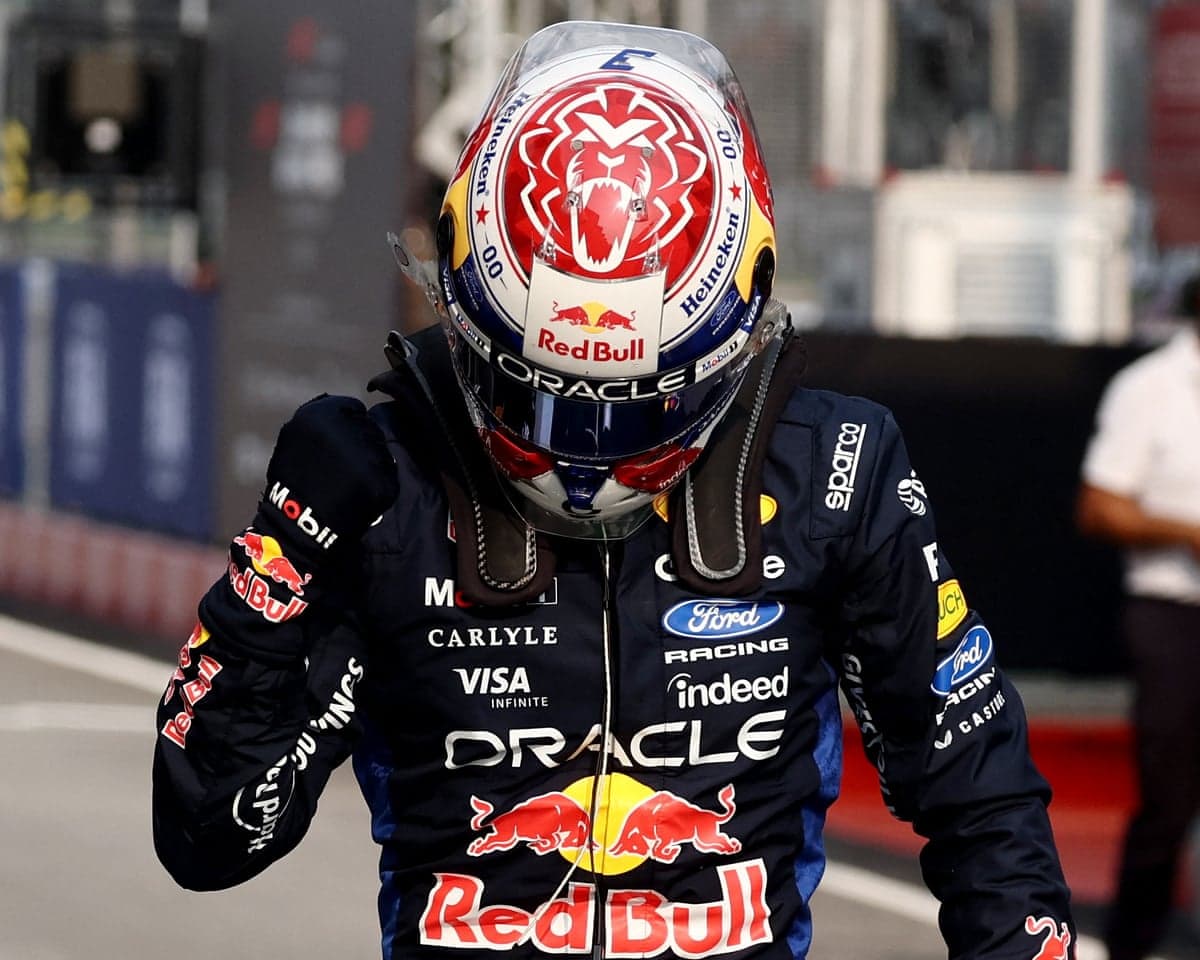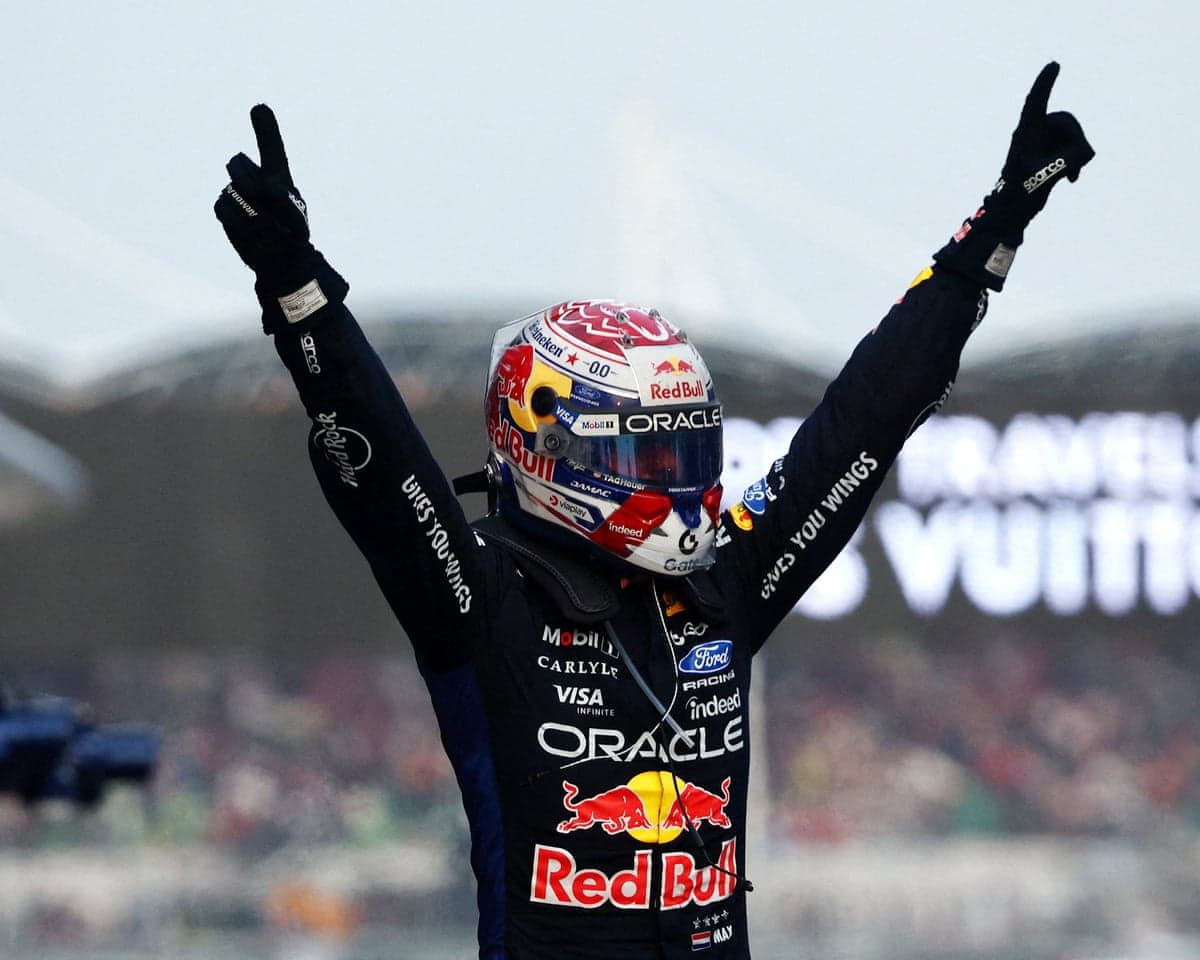
Max Verstappen claimed his first victory of the season at the Bahrain Grand Prix held in Malaysia, steering Red Bull to triumph in a race marred by extraordinary technical failures during the formation laps. The Dutchman's commanding performance at the Sepang circuit left Mercedes driver Kimi Antonelli in second place, while George Russell's retirement with five laps remaining has effectively ended his title challenge and handed Antonelli an 84-point championship lead with seven races to go.
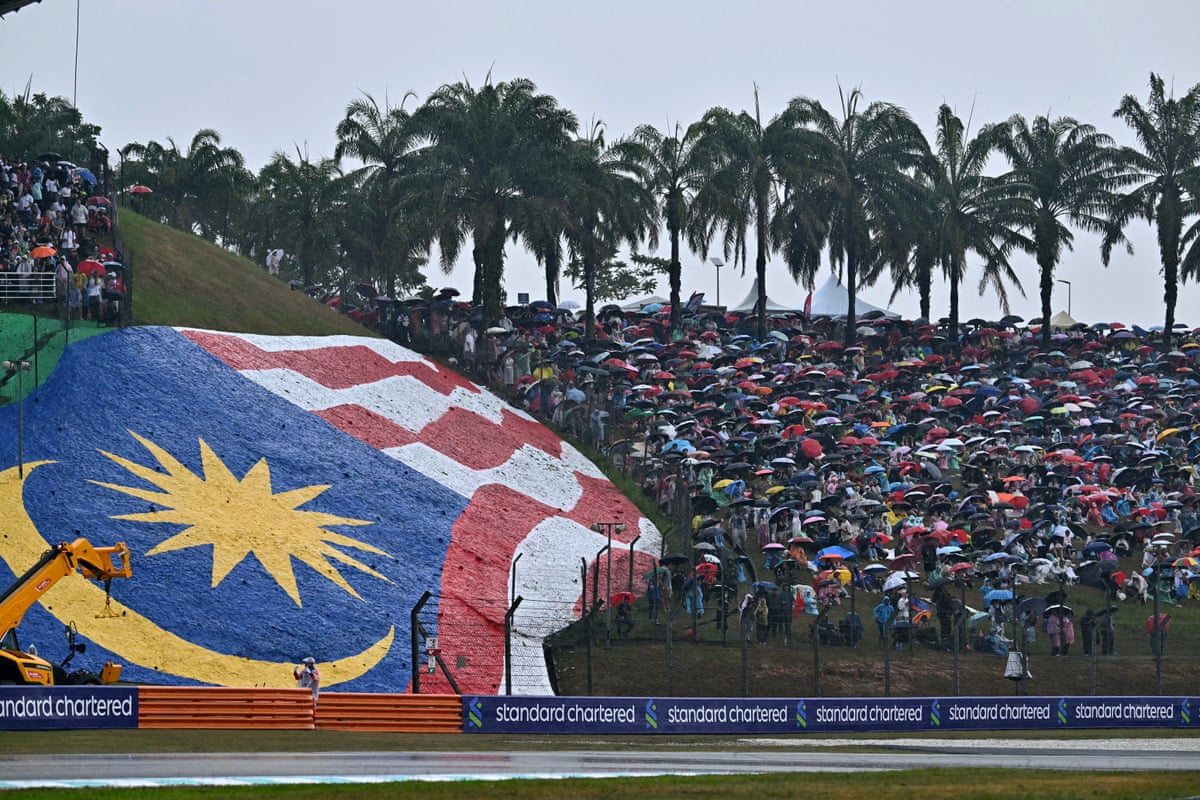
The event was overshadowed by farcical scenes before racing even began. The newly introduced hybrid power unit formula, which combines electrical and combustion systems in an almost 50-50 split, proved catastrophically unprepared for wet conditions when heavy rain drenched the circuit before the scheduled start. According to ESPN's race report, multiple cars slowed or stopped during the formation laps, forcing the FIA to abort the start procedure and return the field to the pits.
Lewis Hamilton was among those affected, experiencing a software malfunction that brought his Ferrari to a halt on track. His race engineer, Carlo Santi, informed him:
It's a software issue we are trying to fix.The problem was not isolated. Verstappen reported he could not accelerate, while the Ferrari-powered Haas of Esteban Ocon and the Cadillac of Valtteri Bottas also stopped, leaving the field scattered across the circuit in disarray.
The root cause emerged from an unforeseen vulnerability in the new engine architecture. When cars remained off throttle for extended periods in wet conditions, the turbocharger would spool down, causing the electrical system to consume all available power reserves. This left the engine unable to generate sufficient output to meet FIA regulations, preventing re-acceleration—a trap that engineers had apparently not anticipated during development.
The FIA responded by suspending the start and ordering all cars back to the pits. A delay of 53 minutes followed as officials re-sorted the grid and uploaded new software parameters to every vehicle in an attempt to prevent a recurrence. The initial 45-minute postponement caused by the downpour meant competitors and spectators endured over 90 minutes of disruption before racing could commence on the 5.543-kilometre circuit.
How did Verstappen overcome his poor start?
Despite a terrible getaway from pole position, Verstappen recovered with characteristic aggression. Antonelli seized the lead at the first corner, while Russell made a brilliant start from seventh to claim second. Verstappen, struggling initially for grip on slick tyres in the damp conditions, quickly found his rhythm and caught Russell on the fourth lap. At a safety car restart, the two Mercedes drivers went wheel to wheel with Verstappen through the opening corners before the Red Bull driver edged ahead. Russell then capitalized on the same opportunity to pass his teammate and claim second, setting up a pursuit of the leader.
From that point forward, Verstappen controlled the race with complete authority. Antonelli, demonstrating superior pace to Russell throughout, swept past his teammate on lap 21 to reclaim the runner-up position. Verstappen's dominance reflected the scale of Red Bull's recent upgrades, which have transformed a car that was difficult to manage during the opening half of the season into a competitive weapon. For much of the campaign, even Verstappen's exceptional skill had been tested by the vehicle's handling characteristics, making this victory a remarkable turnaround.
What was Hamilton's path to the podium?
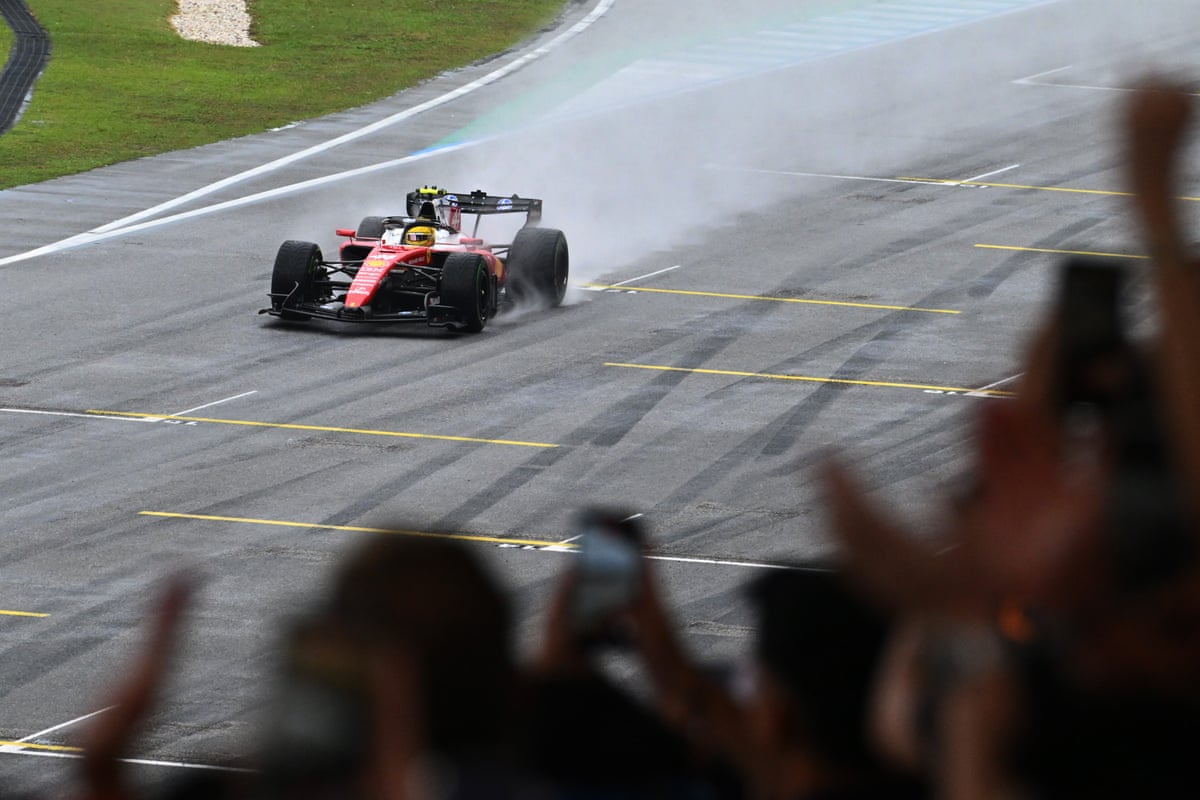
Hamilton's afternoon began in disaster. Starting on slick tyres in wet conditions, he lost grip immediately and tumbled to 17th place. Yet the Ferrari driver demonstrated extraordinary determination, systematically working through the field and reaching fifth by lap 29. A late pass on Isack Hadjar secured him third place and a podium finish, capping a remarkable recovery that showcased his racecraft and mental resilience in adverse circumstances.
Why did Russell's title hopes collapse?
Russell's retirement with five laps remaining proved catastrophic for his championship ambitions. A power unit failure forced the British driver to pull off track, mirroring a similar engine problem that Hamilton suffered at the same venue in 2016—an incident that nearly cost the seven-time world champion the title that year. Russell's mechanical failure, combined with Antonelli's second-place finish, has left the Mercedes driver's title hopes in tatters. With Antonelli now holding an 84-point advantage and only seven races remaining in the season, Russell faces an almost insurmountable deficit.
What was the significance of this race for the championship?
Antonelli's performance has fundamentally altered the championship landscape. By finishing ahead of his struggling teammate and benefiting from Russell's retirement, the Italian has moved into a commanding position. The 84-point lead represents a substantial cushion with seven meetings remaining, effectively placing the title within his grasp. Russell's mechanical misfortune has transformed what appeared to be a competitive battle into a one-sided affair, with Antonelli now the clear favourite to claim the drivers' championship.
Verstappen's victory, while dominant on track, came amid the broader context of Red Bull's resurgence. The team's recent upgrades have restored competitiveness after a difficult opening phase of the season. The Dutchman's triumph marked his first win since the Abu Dhabi Grand Prix last year and his first at Sepang since 2017, when Malaysia last hosted a Grand Prix. The circuit's return to the calendar after a nine-year absence was part of a triple-header that also included Azerbaijan and Singapore, placing additional physical and mental demands on teams and drivers.
What happens next?
The championship circus moves to Singapore for the next scheduled round on October 9–11. The technical issues exposed at Sepang will demand urgent attention from engine manufacturers and the FIA, as the hybrid power unit formula must be refined to prevent similar failures in future wet-weather races. For Antonelli, the focus shifts to consolidating his commanding lead, while Russell and Mercedes face the challenge of recovering from a devastating blow to their title aspirations.
Key Facts
- Verstappen won the 56-lap race at Sepang, his first victory of the season and first at the circuit since 2017
- The new hybrid engine formula failed catastrophically in wet conditions, causing multiple cars to stop during formation laps and forcing a 53-minute delay
- Antonelli's second-place finish and Russell's retirement extended the Italian's championship lead to 84 points with seven races remaining
- Hamilton recovered from 17th place to claim the final podium position, demonstrating exceptional racecraft in difficult circumstances
- The FIA uploaded new software parameters to all cars to address the turbo-spooling issue that prevented re-acceleration in wet conditions