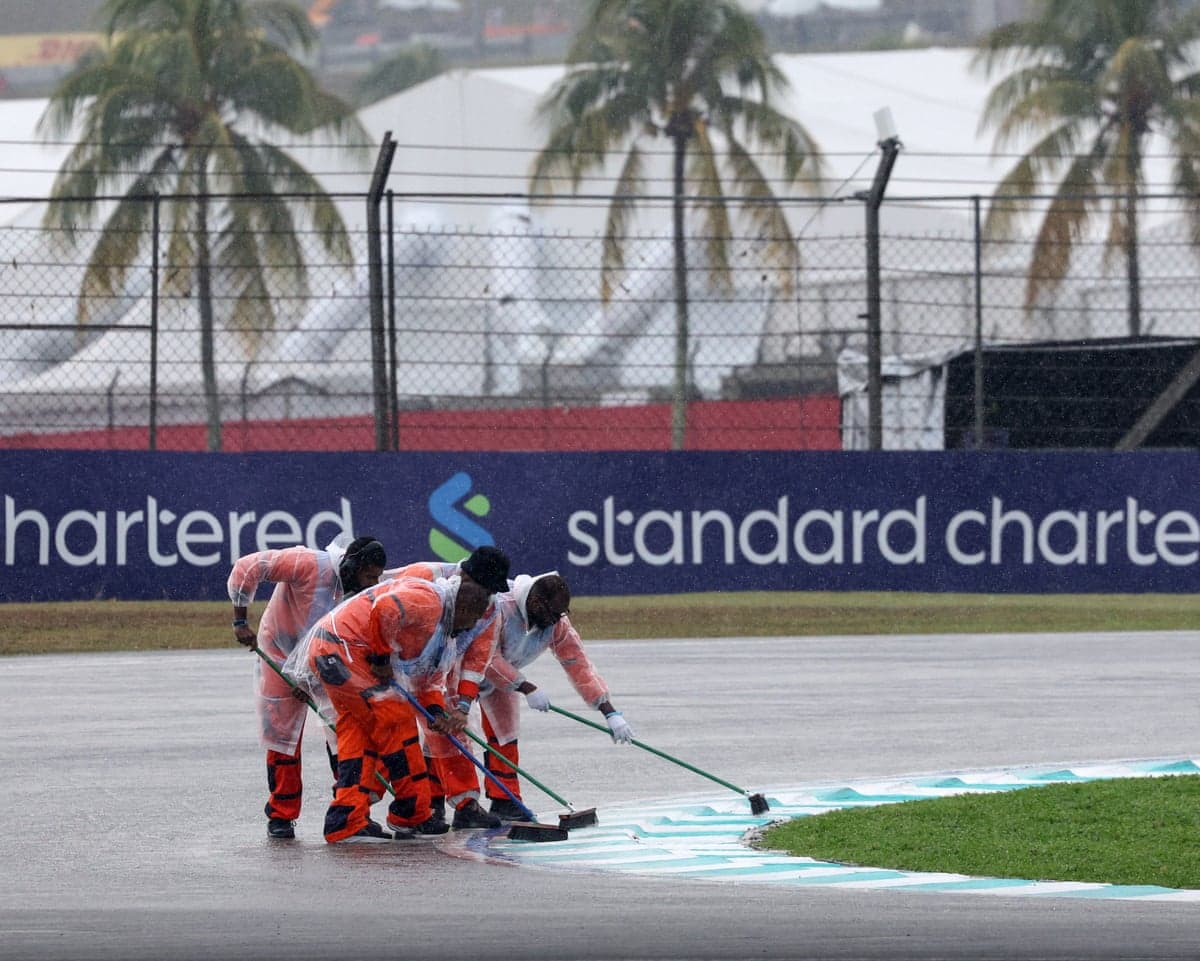
Formula One's attempt to project competence suffered a significant blow on Sunday when a software malfunction brought the field to a standstill during the opening moments of the Malaysian Grand Prix at Sepang, forcing a 53-minute delay and leaving drivers openly mocking the sport's technical infrastructure.
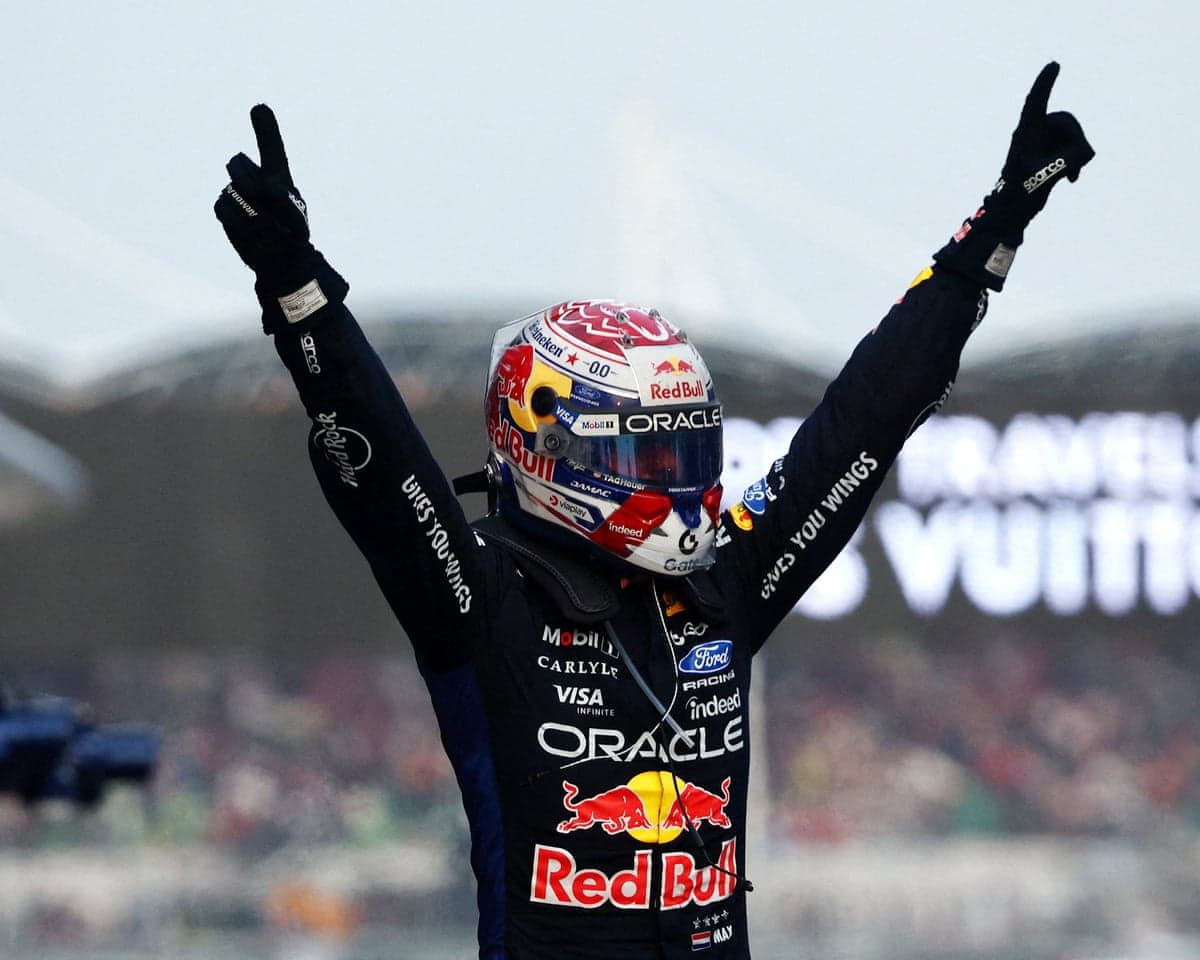
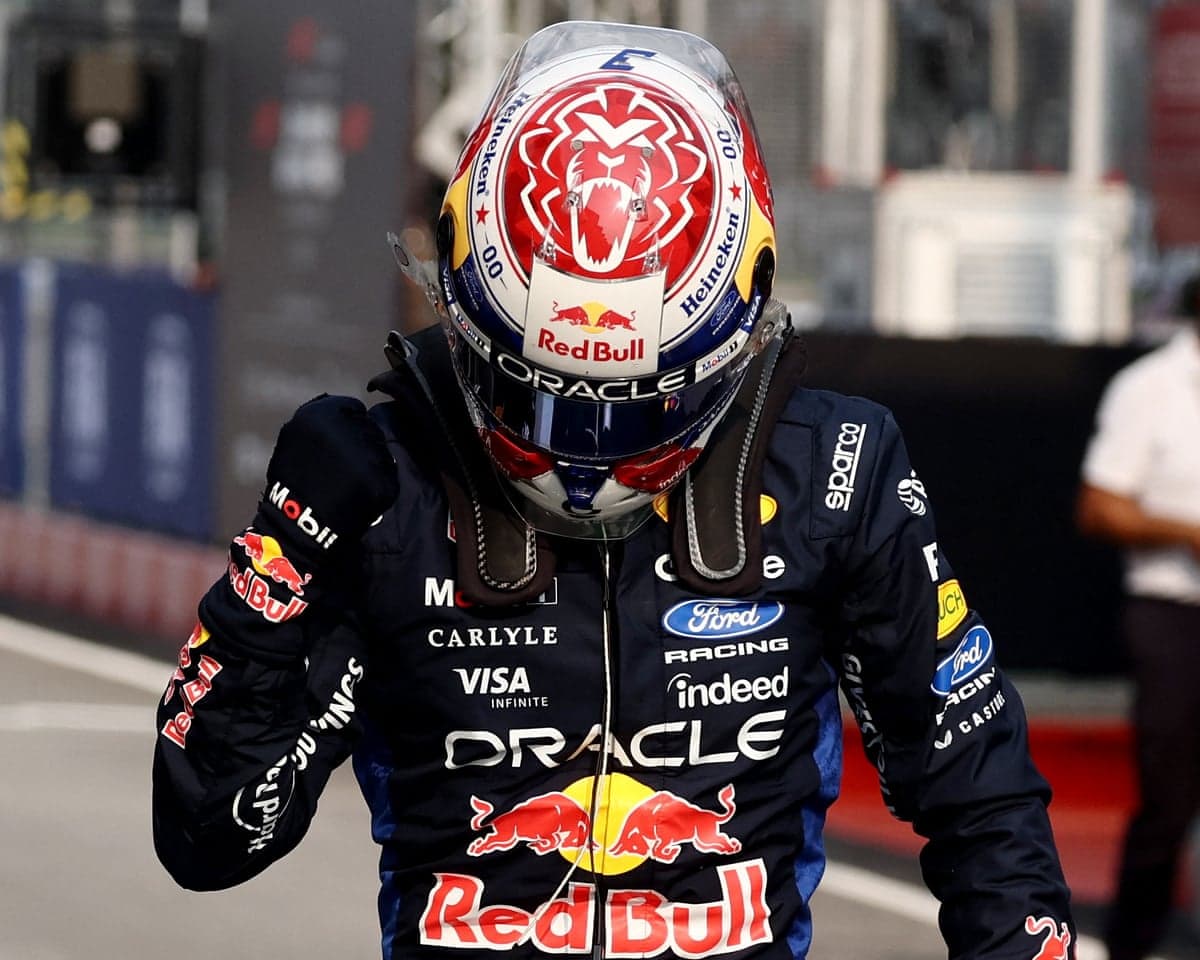
Max Verstappen secured his first victory of the season in dominant fashion once racing resumed, but the chaotic scenes that preceded the start overshadowed his performance and exposed fundamental weaknesses in the sport's regulatory framework. The incident highlighted how far removed drivers have become from direct control of their vehicles, reduced largely to operating steering-wheel buttons while complex software systems govern engine behaviour beyond their influence.
The race had been postponed due to heavy rainfall, and when competitors finally ventured onto the track for formation laps in persistently wet conditions, the hybrid power-unit software encountered parameters it had never encountered before. As the field circulated at low speed with minimal grip, the system designed to manage the near-equal split between electrical and combustion energy sources began to fail. Verstappen first reported loss of acceleration capability, followed by other drivers experiencing the same issue. One Haas and one Cadillac came to complete stops, forcing drivers to perform emergency reboots of their vehicles to restore basic functionality.
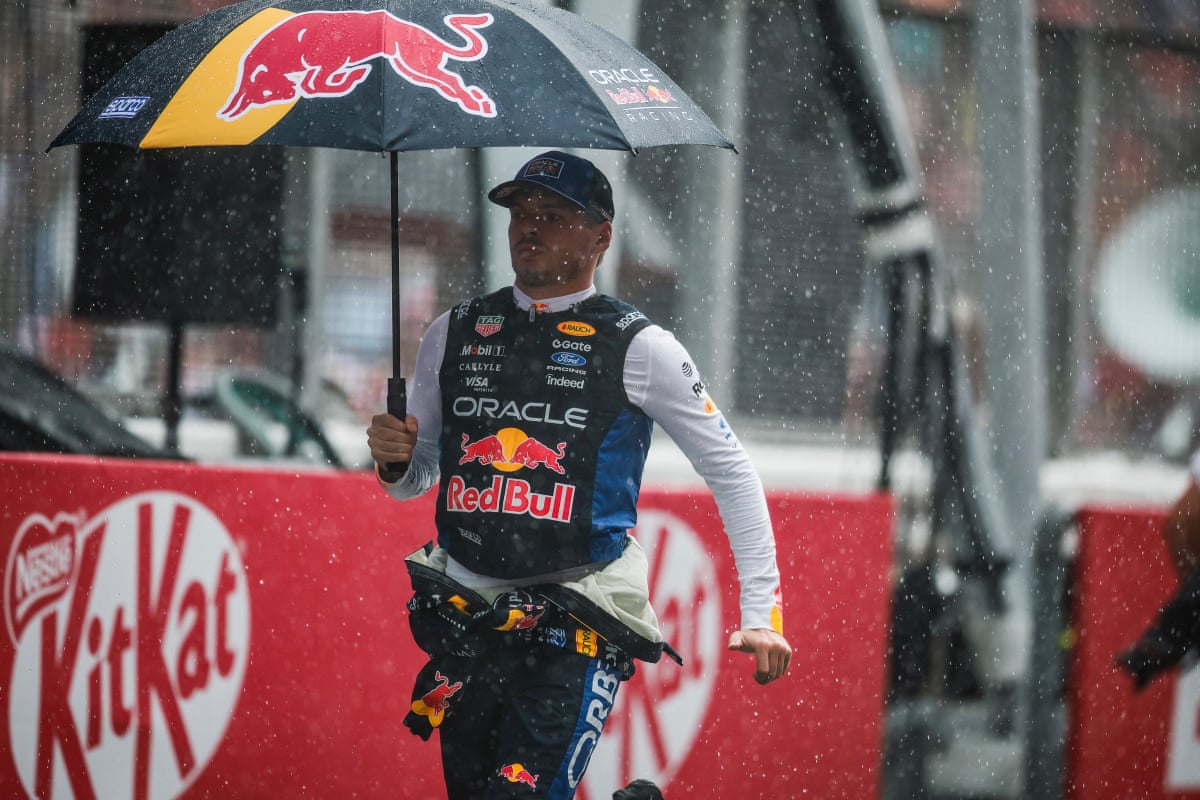
The FIA attributed the failure to an unanticipated software bug triggered by the combination of low engine speeds, low-grip conditions, and the circuit layout interacting with the wet-weather management protocols embedded in the power-delivery system. According to reporting on the incident, the issue had not been detected during testing or in the laps leading to the grid. The governing body subsequently wrote and deployed a software update that resolved the immediate problem, though the reputational damage proved far more difficult to repair.
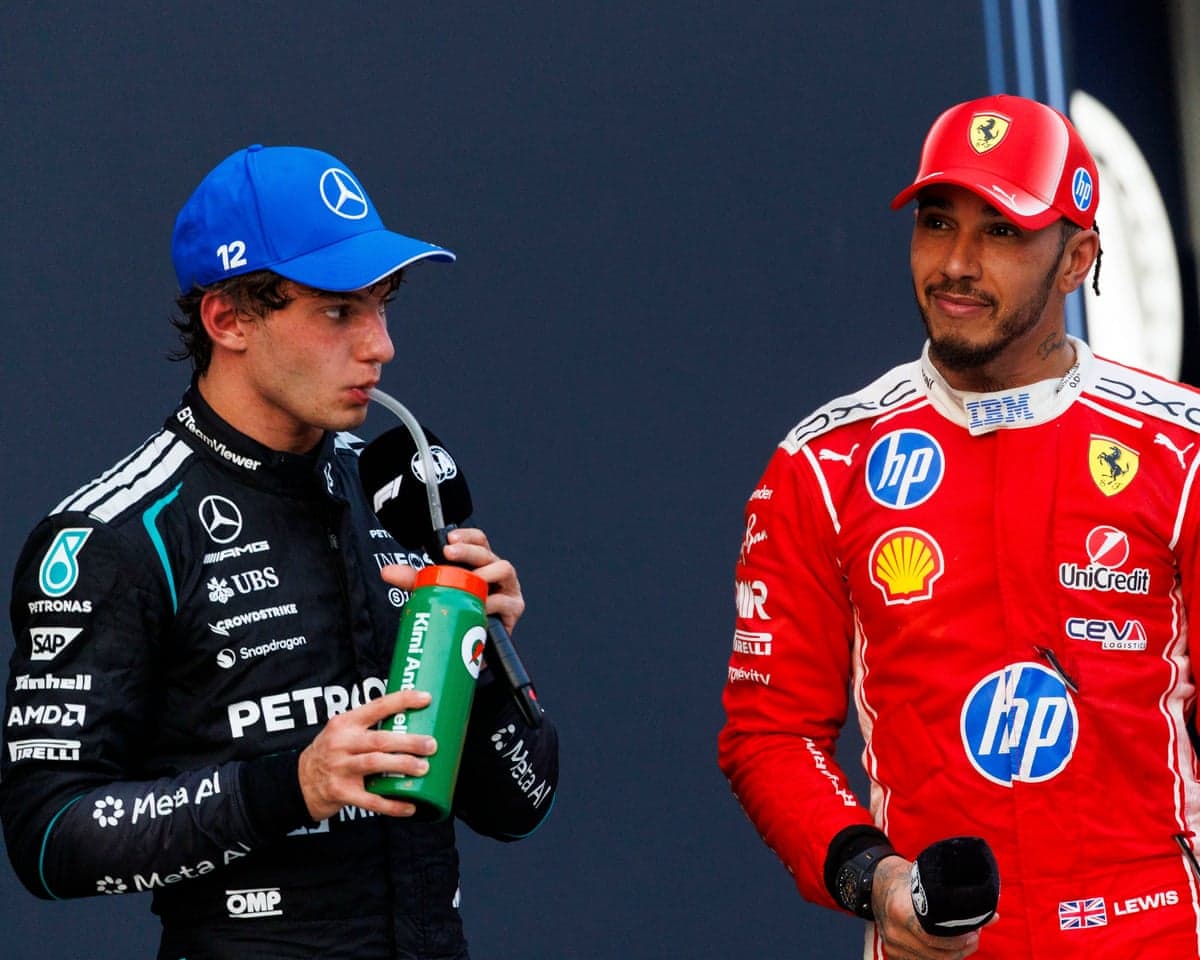
The response from the sport's two most prominent drivers underscored the absurdity of the situation. Verstappen and Lewis Hamilton drew comparisons to a pre-race entertainment activity involving Lego cars that had taken place at Silverstone in July.
"These engines are so complicated and a lot of software is implemented," Verstappen observed. "When there is some kind of error or glitch, that's the problem. I triggered it first, then I look in my mirror and I just see everyone … I was like wait, are they waiting for me?"Hamilton's response was equally dismissive.
"It was like the Lego race,"he said, with Verstappen adding,
"Yeah, we had the same speed."Both drivers were laughing, but their mockery reflected genuine frustration with a system that had rendered them powerless.
How did the software bug occur?
According to technical analysis of the malfunction, FIA single-seater director Nikolas Tombazis explained that the software had been developed collaboratively with the teams over several years, and that the update deployed at Sepang lifted the 250kW energy-limit constraint in the affected minisectors. The underlying cause, however, pointed to a more systemic problem: there had been very little wet running throughout the season, which severely limited opportunities to test the software in the precise conditions that triggered the fault. This gap in testing protocols allowed a critical vulnerability to remain undetected until race day.
What does this reveal about the 2026 regulations?
The incident exposed the fragility of regulations that were misconceived from their inception, regardless of how they are perceived by different segments of the fanbase. The 2026 ruleset, which mandates an almost equal power split between electrical and combustion sources, places unprecedented reliance on software systems that drivers cannot override or influence. When those systems fail, drivers become passengers, reduced to pressing buttons on their steering wheels with no effect on the outcome.
The FIA announced it will conduct a comprehensive review with the teams and power-unit manufacturers, but no quick fix is forthcoming. The fundamental architecture of these regulations—agreed upon five years earlier by Formula One, the teams, and the power-unit manufacturers—remains unchanged. As Ferrari driver Carlos Sainz pointedly asked in the aftermath:
"My only question is who, five years ago, decided this was the direction to go?"
When similar complaints emerged after the Hungarian Grand Prix, F1 chief executive Stefano Domenicali had dismissed driver concerns by citing a conversation with Star Wars creator George Lucas as evidence that new fans were uninterested in the technical complexities of the sport. Domenicali suggested that newer audiences were drawn to the action itself rather than understanding the machinery beneath the surface. Yet the Sepang incident demonstrated that even casual observers could not ignore the reality: drivers struggling to maintain control of vehicles, frantically manipulating steering-wheel controls to no avail, then openly deriding the system afterwards.
How did the race unfold once it finally started?
Once the software update was applied and racing commenced, the Malaysian Grand Prix delivered the entertainment value that F1 executives point to as vindication of the current regulations. Verstappen demonstrated commanding pace throughout the 56-lap distance, controlling the race from the front. Hamilton mounted a remarkable recovery after Ferrari's aggressive tyre-strategy gamble dropped him to 18th position, ultimately finishing third, 4.919 seconds behind the winner. Kimi Antonelli claimed second place, 2.307 seconds adrift of Verstappen. George Russell's late-race retirement effectively ended his title aspirations.
The on-track action was undeniably compelling, yet it could not erase the fundamental question raised by the pre-race chaos: how can a sport that styles itself as the pinnacle of motor racing allow its vehicles to become inoperable in conditions that are entirely foreseeable and manageable in professional motorsport?
What are the broader implications?
Formula One might also consider itself fortunate that the software failure occurred during the formation laps rather than mid-race. Had the cars been circulating at racing speed when the malfunction struck, or had rain arrived after a dry-weather start, the embarrassment would have been exponentially worse. The sport narrowly avoided a scenario in which the safety car would have been required to manage a field of disabled vehicles during active competition.
The responsibility for this situation extends beyond the FIA alone. These regulations were formulated with full participation from Formula One, the teams, and the power-unit manufacturers. Each stakeholder accepted the direction that prioritised electrical-combustion hybridisation and software-managed power delivery, accepting the inherent risks that came with that choice. The Sepang incident serves as a stark reminder that those risks were not adequately understood or mitigated before the regulations took effect.
What happens next?
The championship moves forward to the Singapore Grand Prix, scheduled for 9–11 October 2026, followed by the United States Grand Prix in Austin on 23–25 October 2026. Whether the software review conducted by the FIA and the teams will produce meaningful safeguards before those events remains uncertain. What is certain is that the sport's credibility has been damaged, and the illusion that these regulations represent the future of competitive motorsport has been significantly undermined.
Key Facts:
- A software bug in the hybrid power-unit management system caused multiple cars to lose acceleration during formation laps at Sepang, forcing a 53-minute race delay.
- The malfunction occurred because the software had not been tested in the wet conditions that triggered the fault, according to FIA officials.
- Max Verstappen won the race with Kimi Antonelli second and Lewis Hamilton third after a recovery from 18th position.
- The 2026 regulations mandate an almost equal split between electrical and combustion power sources, with a 250kW energy limit that was adjusted in the software update deployed at the circuit.
- The FIA will conduct a full review with teams and manufacturers, but no immediate regulatory changes are expected.