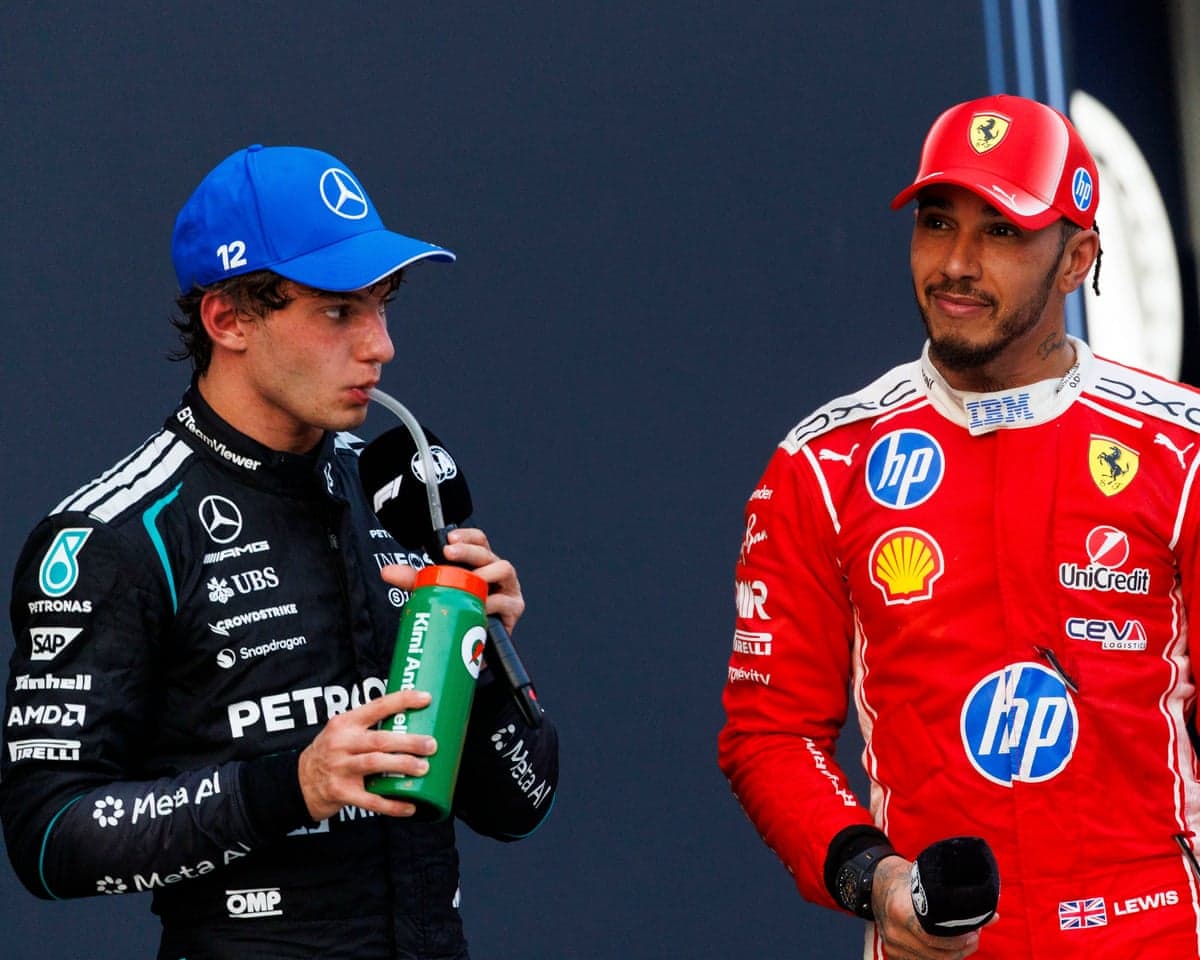
Formula One's drivers delivered a scathing assessment of the sport's current engine regulations following a chaotic start to the Bahrain Grand Prix in Malaysia, where software problems caused multiple cars to lose power and become stranded on track during formation laps.
The race start was delayed by 53 minutes after a software bug in the engine control systems triggered what the FIA termed an "unintended loss of power." The malfunction prevented cars that had slowed significantly from accelerating again, forcing the field to return to the pit lane for a software update before racing could begin.
Championship leader Kimi Antonelli of Mercedes expressed his frustration with the incident.
"It was insane," he said. "At some point we were five-wide in the straight, because we couldn't understand what was going on."Lewis Hamilton, who was among the drivers forced to stop on track, described an unprecedented situation.
"I had to stop on-track, stop the car, the engine, and restart it. I've never done that before," he said.
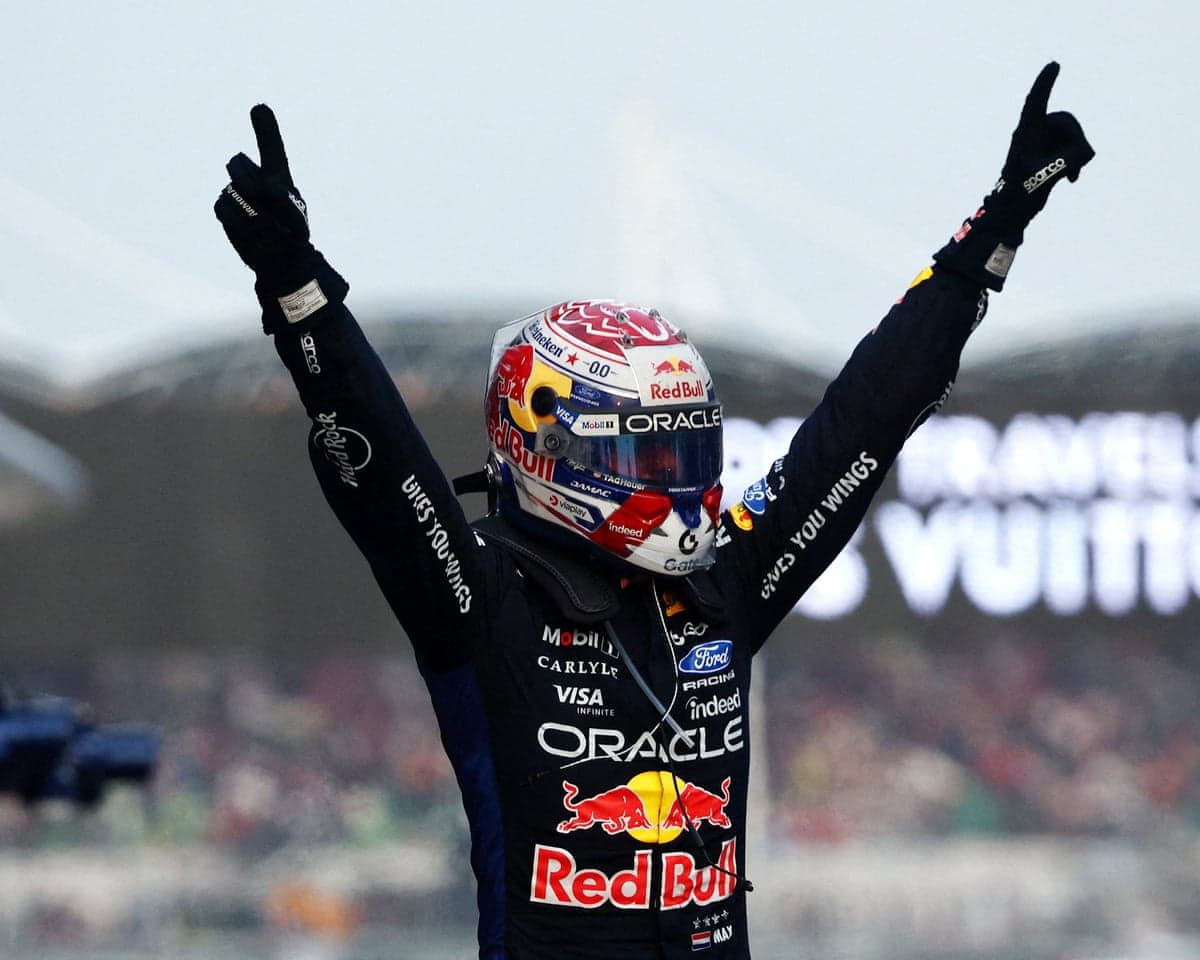
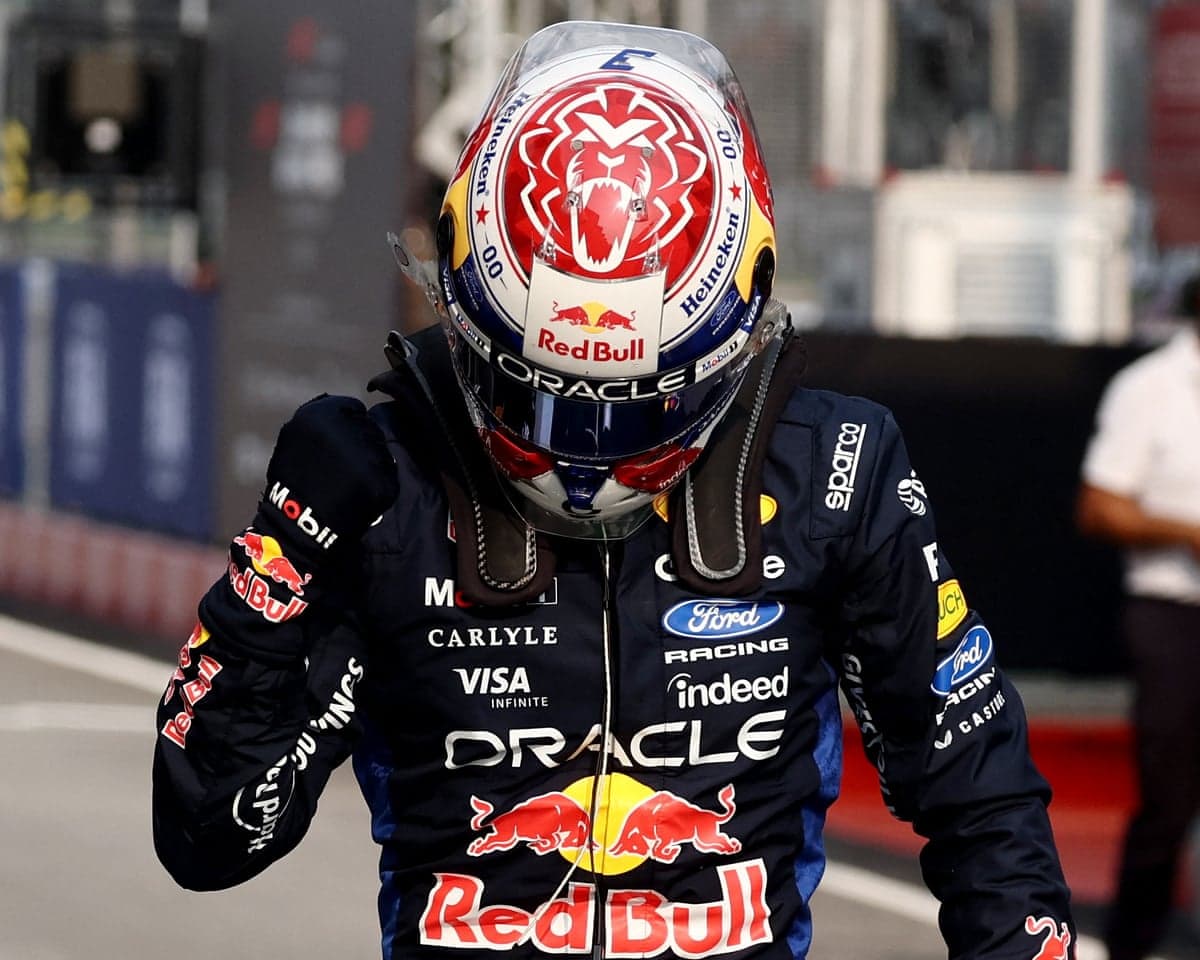
Max Verstappen, who went on to win the race in 1:47:14.808, reiterated his longstanding concerns about the engine formula.
"What can you say? It's not what you want for the sport. I hope there is a lesson learned," he said.Antonelli finished second, 2.307 seconds behind Verstappen, with Hamilton completing the podium in third place, 4.919 seconds back.
What caused the software failure?
The bug emerged from an unprecedented combination of circumstances specific to wet-weather racing at Sepang. According to technical analysis, wet-weather energy rules limited battery power to 250 kilowatts, compared with the standard 350 kilowatts, and rain-related power reductions in certain circuit sectors contributed to the conditions triggering the malfunction. The formation lap marked the first time the 2026 cars had attempted one in wet conditions during actual competition, with earlier wet running limited to tyre tests or pre-season shakedowns.
FIA single-seater director Nikolas Tombazis acknowledged that the governing body had been caught off guard.
"We didn't manage to test the software as extensively as we would have liked because there's been very little wet running this year and there was a bit of a combination of circumstances which caused this bug to kick in," he said.Tombazis explained the mechanics of the failure:
"Basically, the formation lap, some cars went very slowly, almost came to a standstill. There was a bit of a concertina effect between cars, and some cars almost stopped completely. That bug prevented the power to be redeployed and for the cars to start again. I think if we had had a bit more testing, we probably would have managed to catch it in time and not to have such a situation."
The diagnosis and fix were implemented relatively swiftly, with engineers identifying the problem and deploying a corrected software version within approximately 25 minutes. The FIA's update removed energy-limit constraints in the affected sectors, allowing racing to proceed.
Why are drivers so critical of the current engine rules?
The incident intensified existing frustration among competitors with the 2026 engine formula, which splits power almost equally between electronic and combustion systems. Defending world champion Lando Norris of McLaren, who finished ninth and has been a vocal opponent of the regulations, characterised the situation as unacceptable.
"It's just horrible," he said, "and it demonstrates once more that the sport has taken a wrong turn. We shouldn't have any of that stuff, the electronic side."
Carlos Sainz of Williams called for institutional accountability.
"[F1] needs to have a hard look at themselves and see how we ended up in this situation," he said. "It is clear the regs are extremely complicated for the drivers, for the teams, for the power units, for the manufacturers. It is too complicated. Again, my only question mark is who five years ago decided that this was the direction to go?"
The current formula will remain unchanged for the remainder of this season, with only minor adjustments planned for next year and more substantial revisions scheduled for 2028. The software failure has renewed debate about whether the sport's technical direction was sound.
What happens next?
The FIA, teams and power-unit manufacturers are to undertake a full review of the software issue to prevent recurrence. The governing body has committed to examining how the unprecedented combination of low engine speed, low grip conditions, wet-weather energy settings and Sepang's specific sector layout created the conditions for the bug to activate. Additionally, George Russell retired with a suspected power-unit failure with five laps remaining, adding another dimension to concerns about reliability under the current regulations.
Key Facts
- A software bug in engine control systems caused the formation lap to be aborted, with multiple cars unable to accelerate after slowing on a wet track.
- The 53-minute delay was resolved after engineers implemented a corrected software version that removed energy-limit constraints in affected circuit sectors.
- The malfunction occurred during the first wet-weather formation lap of the 2026 season, exposing insufficient testing in such conditions.
- Drivers across the grid expressed strong criticism of the complexity and reliability of the current engine formula, which combines electronic and combustion power in roughly equal measure.
- The FIA, teams and manufacturers will conduct a comprehensive review to prevent similar incidents in future races.