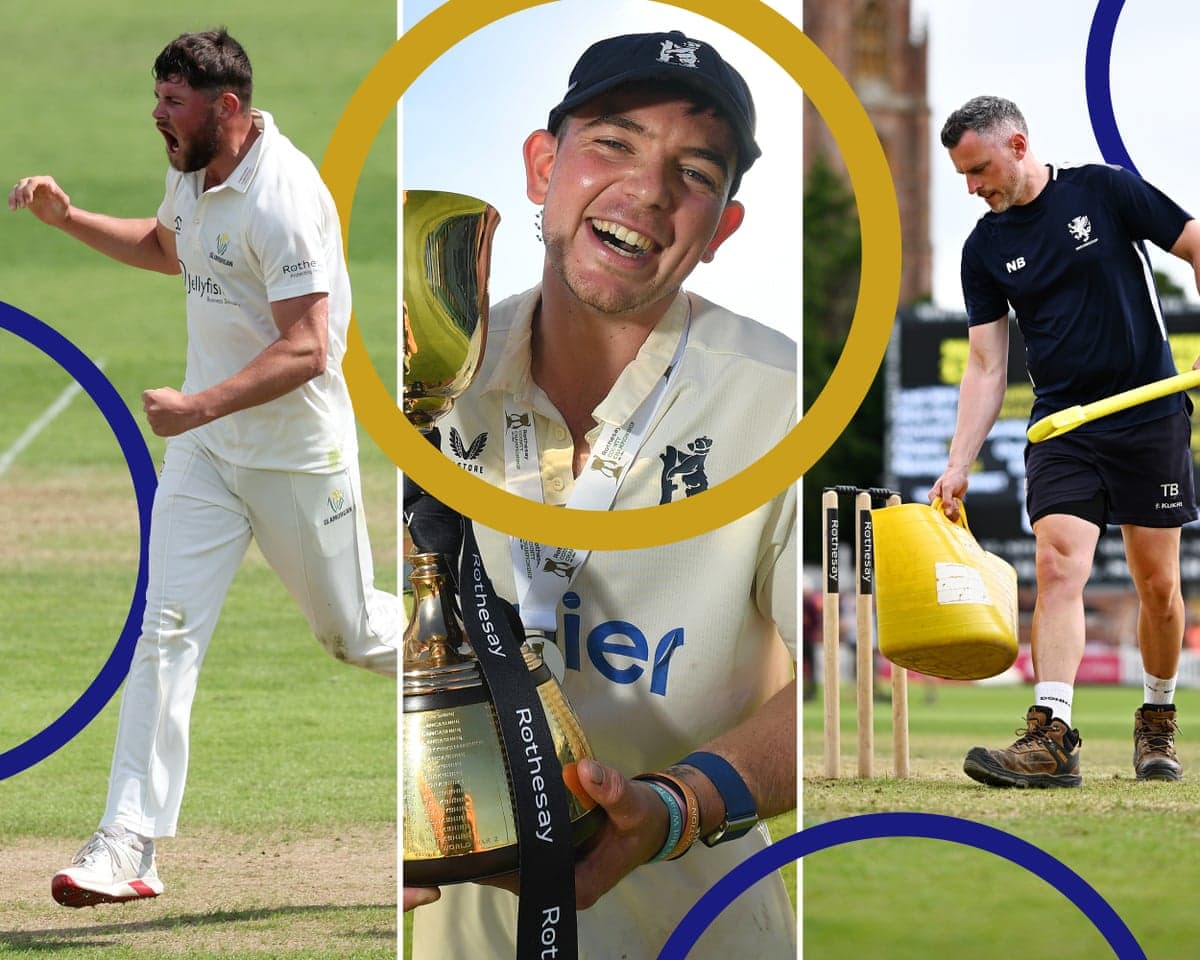
The final weeks of the County Championship season delivered triumph for Warwickshire, heartbreak for Somerset, and promotion for both Kent and Durham. Warwickshire's dominant run in the closing stages of the competition proved decisive, securing their ninth County Championship crown with a comprehensive victory that underscored their superiority when it mattered most.
Building momentum at the decisive moment
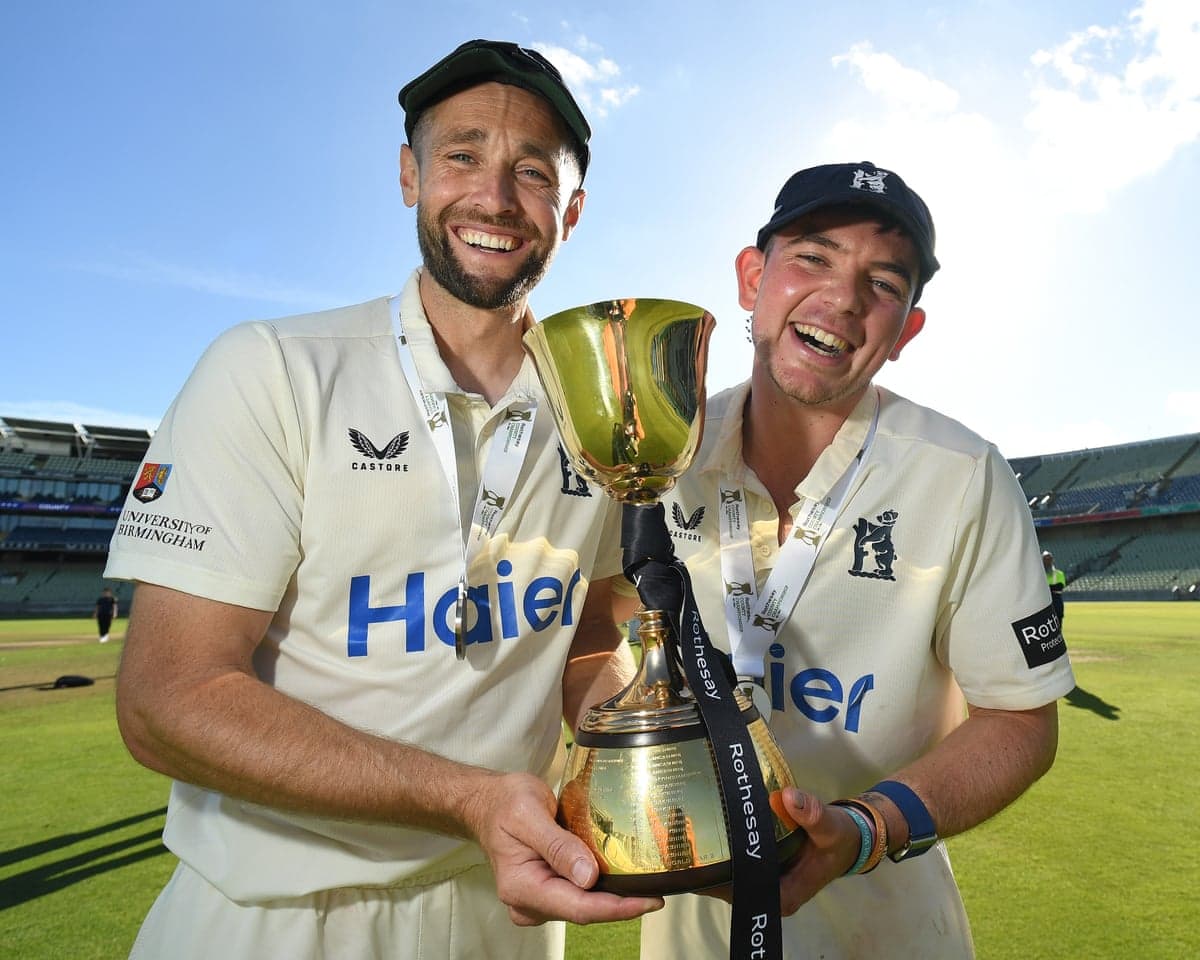
Over the six weeks since the County Championship resumed, Warwickshire demonstrated the form of champions. Following an initial draw against Nottinghamshire in wet conditions, the Birmingham-based side won their remaining five matches, with the final four victories coming by substantial margins. According to live coverage of the final round, Warwickshire clinched the title by defeating Leicestershire by an innings and 79 runs at Edgbaston, with Ethan Bamber taking 4-42 as the visitors collapsed to 125 all out. This sequence of results provided an unassailable case for a pennant earned through consistent excellence and momentum.
The narrative of Chris Woakes' journey with Warwickshire adds symbolic weight to the achievement. A year earlier, Woakes departed the dressing room struggling with injury; by this season's conclusion, the same arm held aloft the Championship trophy. Woakes made his Warwickshire debut two decades ago alongside Ian Westwood, who now serves as his coach—a continuity that speaks to the deep institutional roots of this title success.
In the decisive final match against Leicestershire, Sam Hain capped a remarkable personal season with a century, while Bamber's nine wickets across the competition proved instrumental to the team's dominance. Captain Ed Barnard, appointed to the role at the start of this season after joining from Worcestershire in 2023, provided the leadership both on and off the field that proved essential to translating talent into silverware.
How did Somerset's challenge collapse?
Somerset's runners-up finish represents another near-miss in a season of frustration for the Taunton club. Three victories in their final six matches represented solid form, yet Warwickshire's five wins in the same period proved the decisive difference. The Somerset title hopes effectively ended when news arrived from Edgbaston that Hain and Barnard's partnership had delivered Warwickshire a commanding position.
At Taunton, Somerset faced Surrey in their final fixture. Tom Lammonby and Tom Abell both produced exceptional individual performances, with Lammonby scoring 229 and Abell contributing 307 to a Somerset total of 731. Despite this batting prowess, the mathematics had already shifted irreversibly. Jack Leach and Lewis Gregory restricted Surrey's first innings to 422, but rain on the fourth day prevented Somerset from forcing a victory that would have been merely symbolic. By late afternoon, James Rew had removed his pads and was bowling off-spin—the traditional signal of a match's conclusion. Somerset had not lost the title so much as watched it secured elsewhere.

Nottinghamshire's defence crumbles
Nottinghamshire, defending champions seeking back-to-back titles, remained in contention until the final week but two consecutive defeats ended their hopes. Yorkshire inflicted the decisive blow in a thrilling encounter that showcased the unpredictability of late-season cricket.
Sent in to bat by Jonny Bairstow, Haseeb Hameed grafted for more than four hours to accumulate 71 on a pitch that proved exceptionally difficult, with Yorkshire's attack sending down 42 maidens from 100 overs bowled. The five-strong pace attack maintained discipline, with George Hill conceding fewer than two runs per over—a throwback to cricket from a previous era. Olly Stone responded with a five-wicket haul, and when Hameed returned to the crease, Nottinghamshire held a lead of 72. Yet they could not accelerate, losing wickets as well as momentum. Jack White matched Stone's five-wicket return, with Ben Coad taking four.
Yorkshire required 158 to win and appeared well-positioned when their opening pair crossed 50 without loss. However, Liam Patterson-White and Mo Ali disrupted the chase, aided by Mitchell Hay's seven dismissals behind the stumps. The decisive moment arrived when Bairstow, needing to break the partnership, speared Ali into the stands for a walk-off six—a fitting punctuation to both the match and Yorkshire's season. Three consecutive victories propelled them to fifth place in the final standings, providing substantial momentum for the year ahead.

Sussex's redemption despite penalty
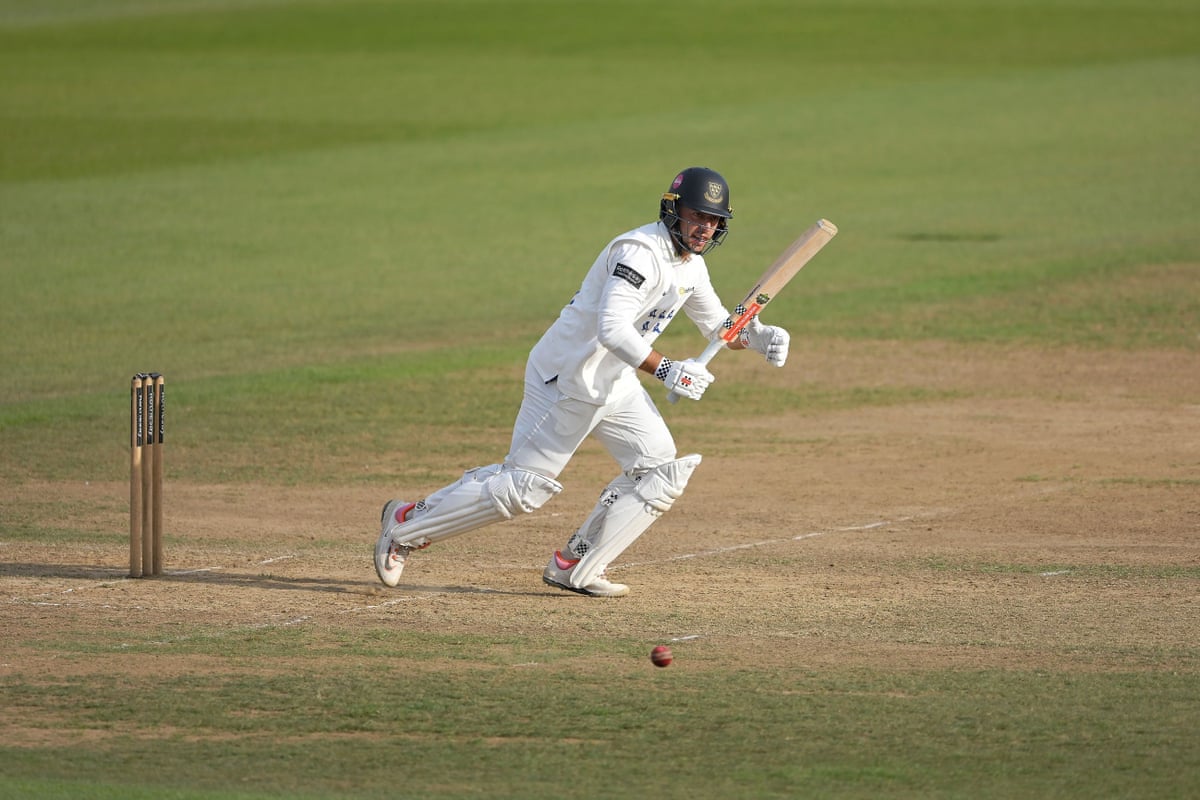
Sussex concluded the season in third place, an achievement rendered even more impressive by the 12-point penalty they carried. Without that deduction, they would have finished second—a testament to the quality of their cricket across the campaign. Their final-round demolition of Hampshire showcased the form that had carried them through a season that began with limited promise.
Sussex's innings against Hampshire began poorly, with seven wickets down for 124 runs. Jack Leaning and Jack Carson arrested the collapse through a partnership of 75 for the eighth wicket, guiding the total to 244. Jaydev Unadkat claimed five wickets as Sussex established a lead of 116. Tom Haines struck a century in the second innings, and despite Hampshire's resistance, Sussex secured victory and third place. It represented a remarkable turnaround from a season that had promised so little at its outset.
Northamptonshire's promotion hopes evaporate
Late-season cricket often assumes an unusual character, with tired pitches, fatigued players, and results elsewhere shaping narratives as much as individual performances. Northamptonshire began their final match with a mathematical chance of promotion, contingent on events unfolding at Canterbury. By early on the first afternoon, that opportunity had effectively disappeared.
Middlesex, buoyed by their One-Day Cup success and fresh momentum, dismissed Northamptonshire for 103 at Lord's. Luke Procter's decision to bat first at 10:30 in the morning in late September proved costly as his batsmen struggled against a four-pronged seam attack of experienced bowlers who maintained relentless line and length, extracting the marginal movement that had served Glenn McGrath so effectively in the same venue. At 32 for four, the match appeared beyond Northamptonshire, though Ben Geddes' aggressive batting and Ryan Higgins' second century in four days offered some resistance. Saif Zaib fought characteristically hard with a pugnacious century, but the pitch had deteriorated into an unresponsive surface and Middlesex cruised to victory.
Kent's rise from Division Two to promotion
Kent's promotion from Division Two represented one of the season's most compelling narratives. According to final-round coverage, Kent secured promotion by defeating Gloucestershire by eight wickets at Canterbury, with their advancement confirmed on the same day Warwickshire clinched the title. Canterbury supporters had known for days that their rivals would not accumulate the four points necessary to draw level, yet the moment of promotion still generated celebration.
Daniel Bell-Drummond adopted a contrasting approach to Northamptonshire's Luke Procter at the toss, opting for the strategy of taking 20 wickets rather than accumulating runs on the board. Matt Milnes and Khaled Ahmed extracted movement with the older ball, restricting Gloucestershire to 229 all out from 124 for three. Ben Compton's 126 in just over six hours anchored Kent's reply, establishing a first-innings lead of 124 that proved decisive against opposition playing only for pride.
Kent's promotion to Division One presents challenges ahead. The county will require greater contributions from Zak Crawley and Tawanda Muyeye with the bat, alongside stronger support for Milnes with the ball, if they are to establish themselves in the top flight. Yet precedent suggests adaptation is achievable—Glamorgan faced similar questions a year earlier and now occupy a comfortable mid-table position in Division One.
Durham's promotion confirmed
Durham secured promotion to Division One alongside Kent, with reports confirming their advancement following a strong first-innings total of 493 at Old Trafford. The Durham side demonstrated the consistency required to climb from Division Two, positioning themselves favourably for their return to the top flight.
The season's significance
Warwickshire's ninth County Championship title, secured through dominant cricket in the season's closing stages, represents the culmination of sustained excellence. The county's ability to maintain form and momentum when it mattered most—converting an 11-point advantage heading into the final round into a comprehensive victory—demonstrated the hallmarks of worthy champions. Somerset's near-miss, Kent and Durham's promotion, and Sussex's third-place finish despite their penalty all contributed to a final round that delivered resolution across multiple narratives, each reflecting the competitive intensity that defines the County Championship at its conclusion.