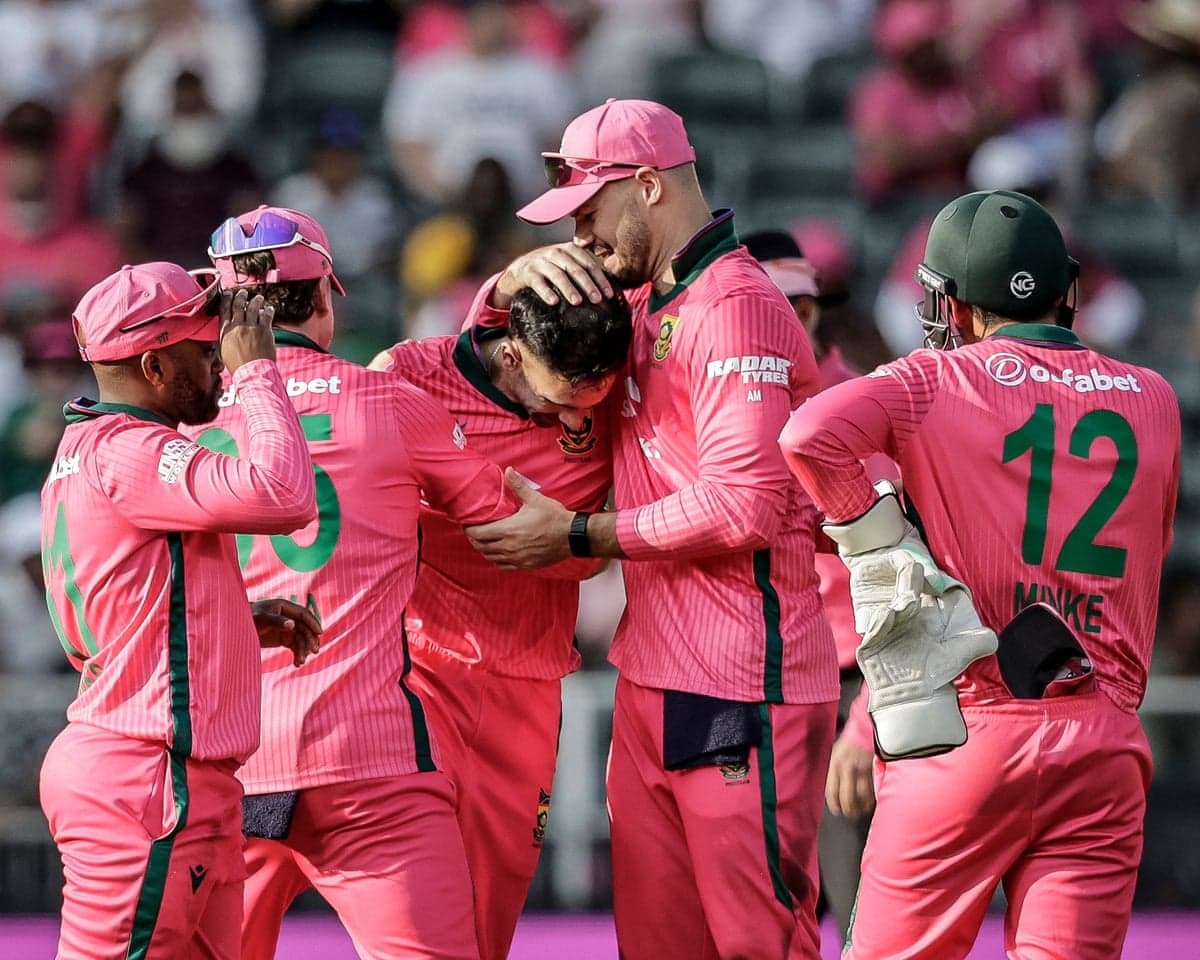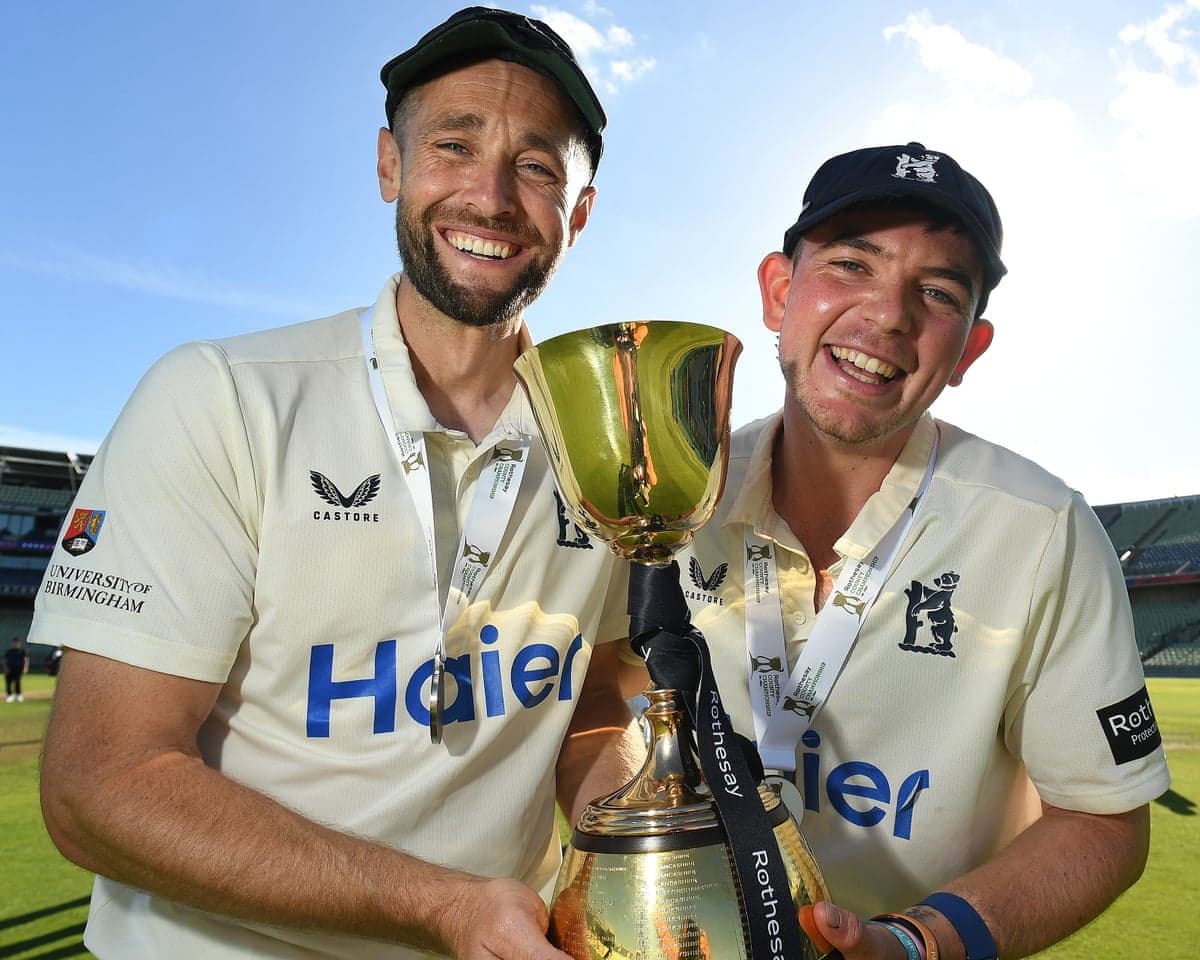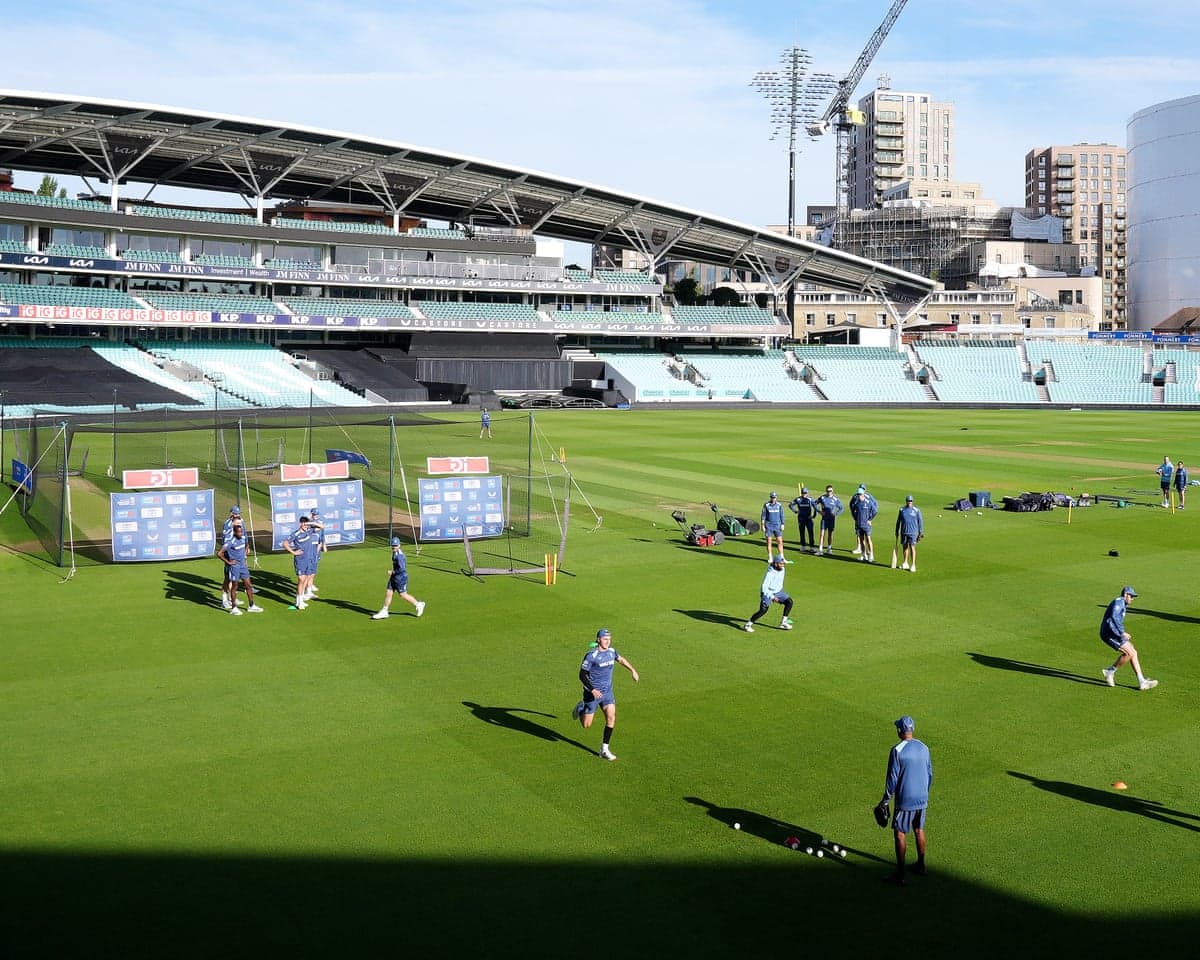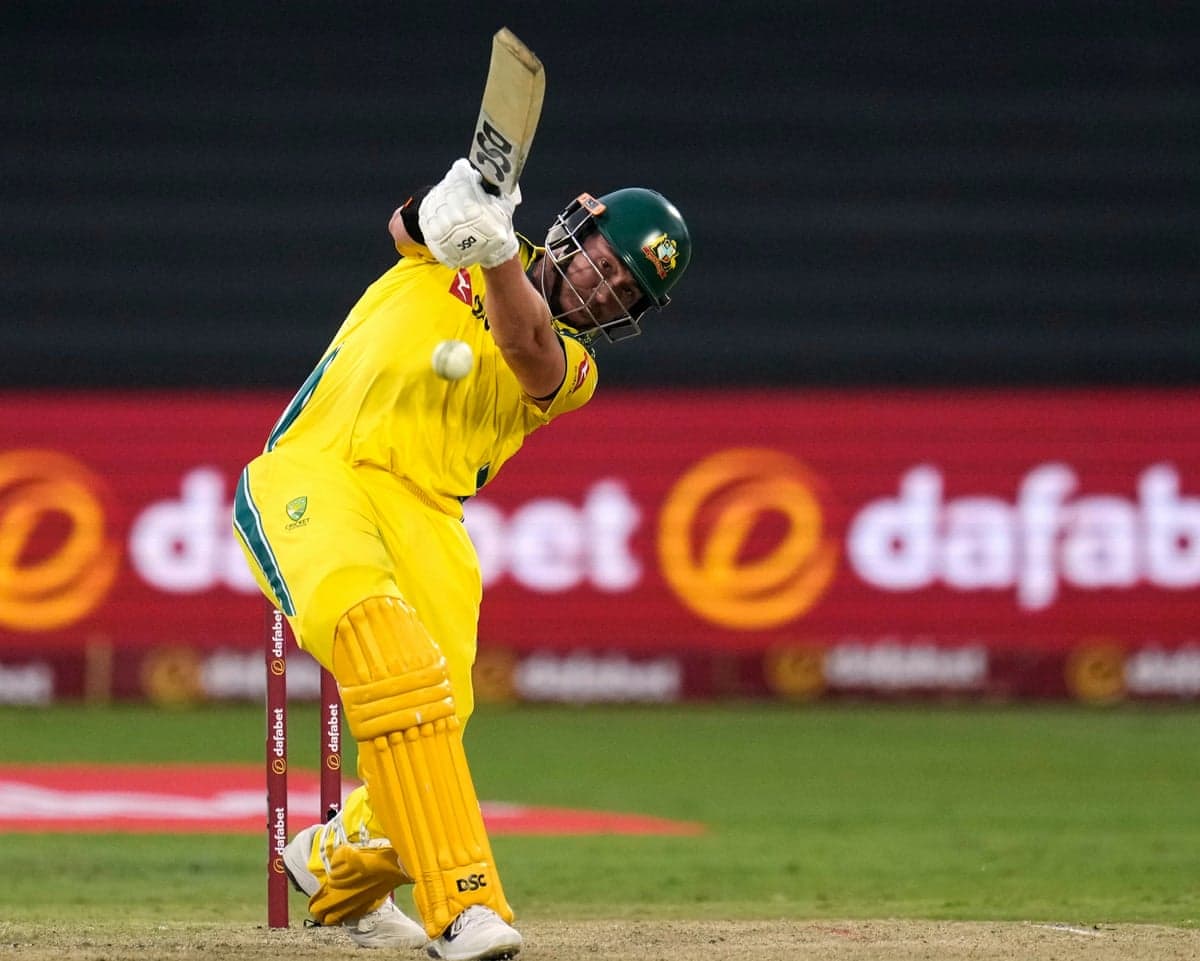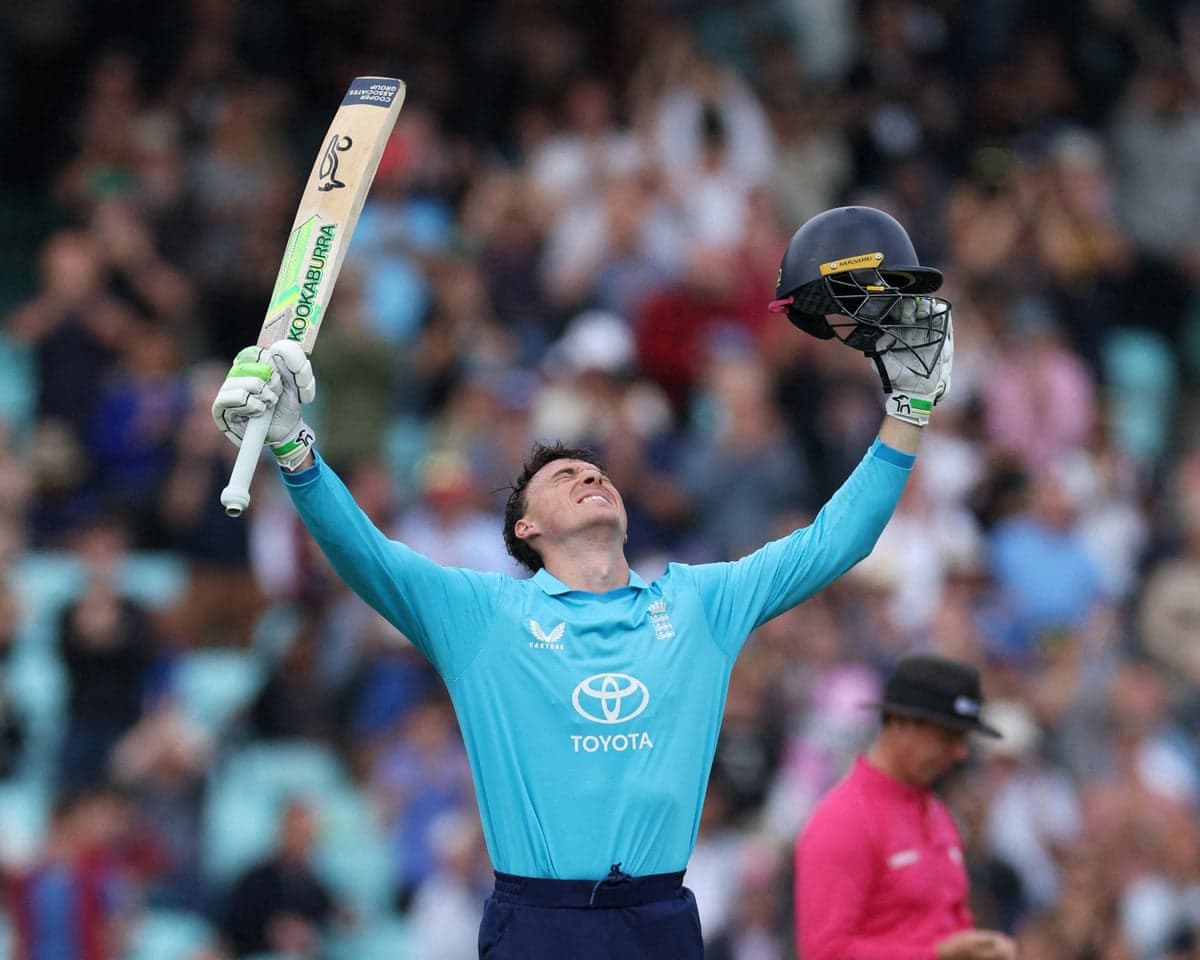
Tom Banton's first international century and Jordan Cox's explosive finishing guided England to a dominant 223-run victory over Sri Lanka in the deciding one-day international at The Oval on 27 September 2026, securing a 2-1 series win. Banton struck 126 from 105 balls while Cox contributed 76 from 52 deliveries as England posted 355 for seven, before Sri Lanka collapsed to 132 all out in 29.1 overs.
The triumph concluded a turbulent summer for England's white-ball programme on an encouraging note. While the Test team had endured considerable difficulties—prompting Brendon McCullum's removal from half of his coaching duties in July—Harry Brook's limited-overs sides had demonstrated upward momentum throughout 2026. This victory marked England's sixth bilateral series win in limited-overs cricket during the calendar year, and their third successive series win across formats.
Banton's performance was particularly striking given his recent absence from List A cricket and the remarkable arc of his career. Before this match, he had played only three such games in the previous five years, with two of those appearances coming the week prior. Yet his strokeplay suggested complete comfort at this level, combining aggressive 360-degree batting with technical soundness during a 150-run third-wicket partnership with Brook. The 26-year-old had once been regarded as England's next big talent when handed his debut in 2019 as a 20-year-old fresh from Second XI cricket, but had subsequently fallen out of favour for nearly five years before this resurgence.
The century arrived with minimal visible tension. His half-century came off 51 balls, while the three-figure milestone followed just 44 deliveries later, reached off 95 balls. The moment itself came when Banton danced down the pitch to spinner Dunith Wellalage and drove through extra cover, earning a standing ovation from the crowd. He finished with 16 fours and five sixes, demonstrating the strong wrists and innovative strokeplay—including reverse sweeps—that had drawn comparisons to Kevin Pietersen earlier in his career. When dismissed, he raised his bat to acknowledge the crowd's applause, mirroring Pietersen's famous gesture from two decades earlier.
Brook himself contributed 77 from 66 balls, providing both substance and inspiration before overseeing Sri Lanka's subsequent disintegration. His decision to bat first in a match beginning at 10:30am in September departed from conventional thinking but proved vindicated by the eventual scoreline. After a slow start where he faced 13 dot balls in succession while Root struggled, Brook accelerated from a position of 108 for two after 25 overs, building momentum that proved decisive.
The series had remained competitive until the decider. Sri Lanka kept the contest alive by winning the second ODI at Headingley by 16 runs, with Kusal Mendis scoring 121 and Kamindu Mendis adding 54 in a second-innings total of 321 for six. That match had featured a 143-run opening stand for England between Ben Duckett and Banton, with Banton scoring 73. England had won the opening ODI by 89 runs to establish an initial 1-0 advantage.
Cox's contribution proved equally valuable, arriving at the crease with England at 218 for three in the 35th over after Brook mis-timed an attempt to clear deep midwicket. Initially cautious, Cox moved to a run-a-ball rate to reach 30 before accelerating significantly at the death. His half-century represented his first in List A cricket, achieved in his tenth match in the format. Like Banton, Cox demonstrated innovation with the bat, striking six fours and two sixes while also displaying technical competence against the turning pitch.
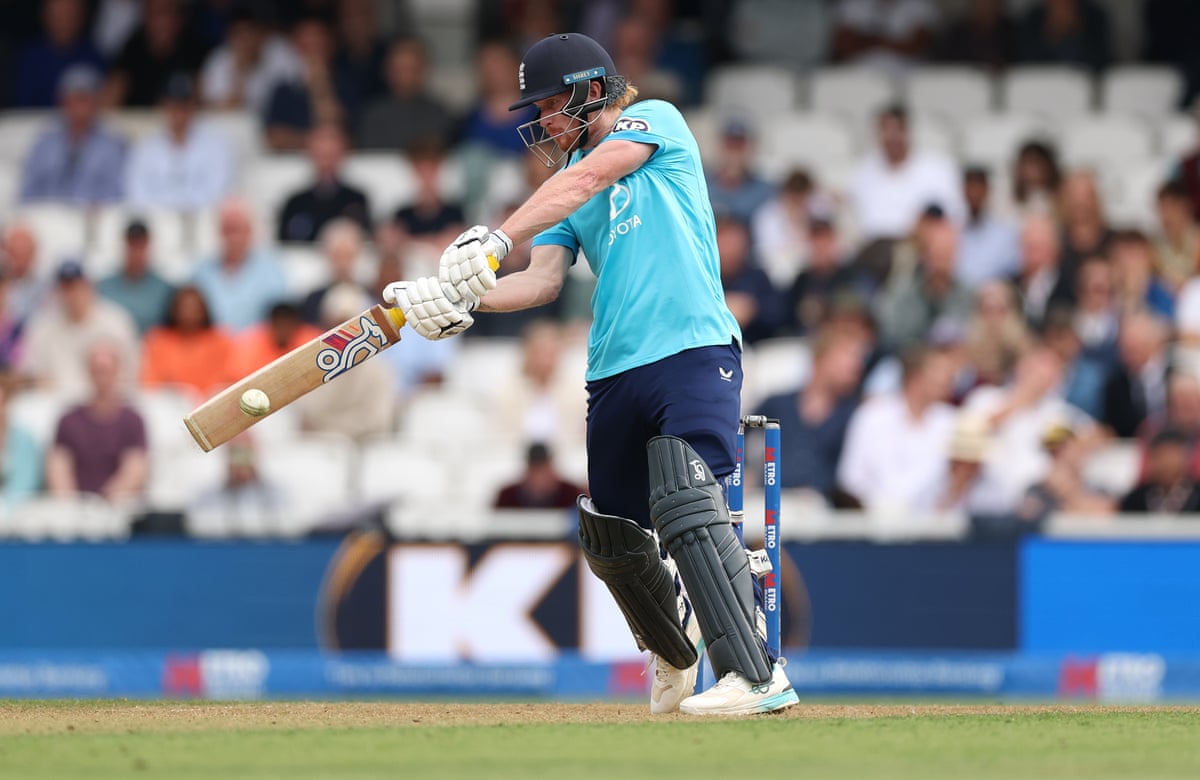
Cox's wicketkeeping to the spinners impressed observers, though he narrowly avoided an embarrassing moment when attempting to disturb the stumps ahead of a Jofra Archer direct hit aimed at Pavan Rathnayake. The third umpire Adrian Holdstock confirmed that Archer's throw had knocked the stump clean out of the ground, validating the run-out decision after initial confusion.

How did England's bowling dismantle Sri Lanka?
Sri Lanka's chase never gained traction once Sonny Baker, playing in place of the rested Josh Tongue, removed opening batter Pathum Nissanka with a delivery of high quality on his second ball. Baker had endured a difficult debut the previous summer but finally secured his maiden ODI wicket with a quick, swinging and rising delivery. Gus Atkinson claimed two further scalps during the powerplay, with both Kamindu Mendis and Kusal Mendis sending top edges into the inner ring.
Liam Dawson, selected ahead of the dropped Rehan Ahmed, proved particularly effective with three wickets for 26 runs from eight overs. Will Jacks collected the final wicket and was subsequently named player of the series. Sri Lanka's collapse was compounded by fielding lapses, with Kusal Mendis spilling a thick edge when Brook had seven runs, and the tourists having already dropped Root before his dismissal.
What does this mean for England's squad depth?
The composition of England's team reflected significant personnel challenges. Jos Buttler's hamstring injury meant Joe Root became the only England player with more than 50 one-day international caps, an unusual situation for a side competing in a bilateral series. Had Jacob Bethell and Buttler both been available, both would likely have been unavailable for selection. Banton's opportunity as opener came specifically because of Bethell's injury, and he may find himself out of the XI when England begin their next assignment.
Root himself endured a difficult match, falling lbw to medium-pacer Jarith Liyanage—a dismissal pattern that has troubled him throughout the summer, with nine of his 13 dismissals across formats involving the ball striking his pad. As he heads into a six-week break before England's white-ball tour of Australia, this mode of dismissal will likely occupy his thoughts.
Ben Duckett suffered a fifth-ball duck in this match, bowled by Dilshan Madushanka's delivery that swung away and nipped back. However, his overall summer had been productive, including a fluent 67 at Leeds and a substantial 141 against India at Lord's mid-season.
Cox's strong performances this season have elevated his standing considerably. While Buttler remains a fundamental component of England's white-ball plans, Cox's development as both batter and wicketkeeper suggests meaningful competition for places in the squad hierarchy. The question of Jacob Bethell's role when fit extends beyond the Test side, particularly given the emergence of younger talent in limited-overs cricket.
What happens next for England?
The Oval match on 27 September 2026 concluded England's 2026 home summer international schedule. The team now enters a six-week break before embarking on a white-ball tour of Australia, with further series in Pakistan and South Africa to follow during the winter. This series victory, combined with five consecutive bilateral series wins across all formats during 2026, provides momentum heading into that assignment despite the turbulent nature of the summer overall, which included the end of Brendon McCullum's reign as Test coach and Ben Stokes' retirement.
For a squad that had navigated considerable uncertainty and personnel challenges, reaching the conclusion of a demanding home summer with a decisive victory offered genuine encouragement about the direction of England's limited-overs cricket as it builds towards next year's World Cup.