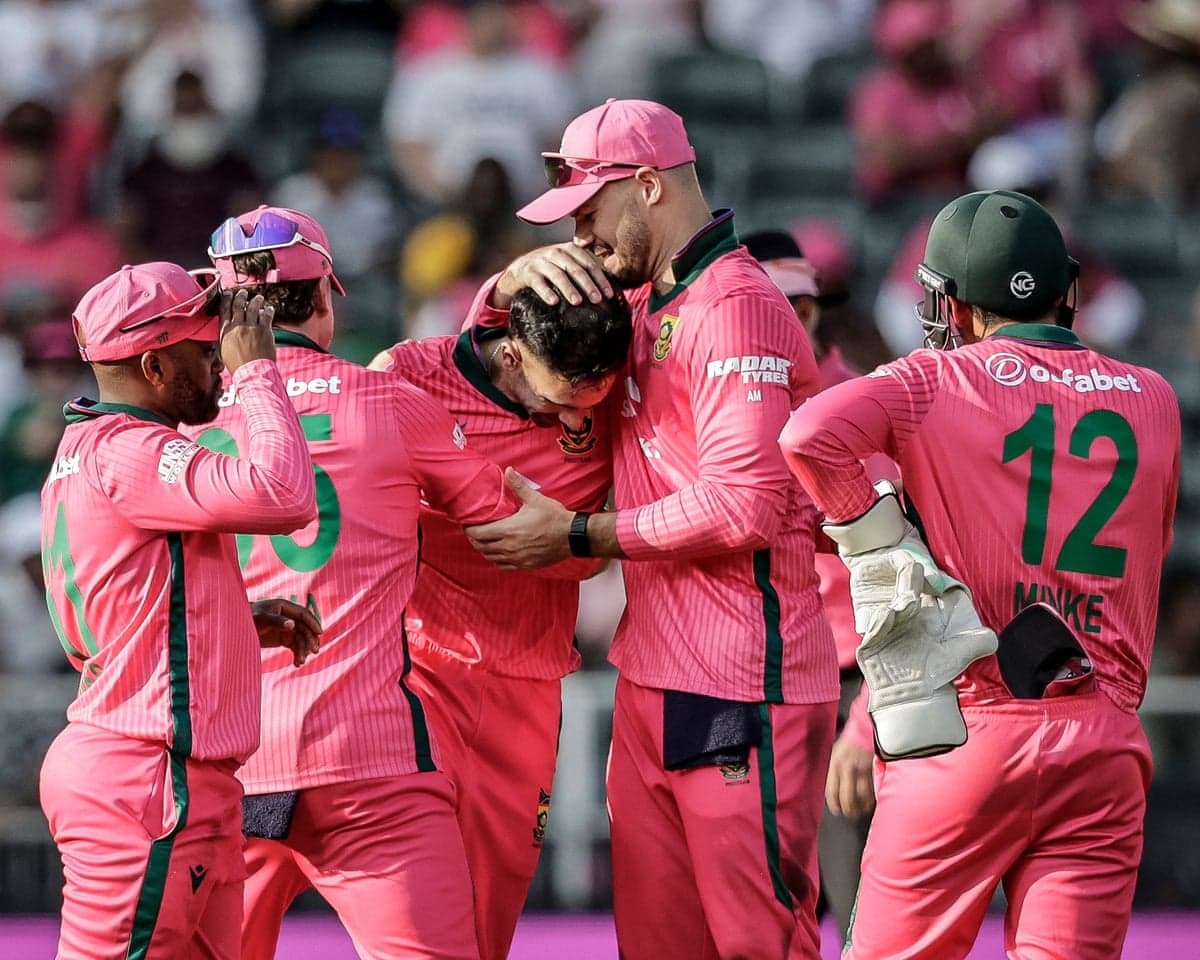
Temba Bavuma and David Miller both struck centuries as South Africa defeated Australia by 32 runs in the second one-day international on 27 September 2026 at the Wanderers in Johannesburg, securing an unassailable 2-0 series lead with one match remaining. The Proteas amassed 365 for nine in their 50 overs before dismissing Australia for 333 in 49.5 overs in a high-scoring encounter that extended South Africa's recent dominance over their rivals to 19 ODI wins in their last 25 meetings.
Australia's middle order again proved vulnerable to spin bowling after the visitors made a strong start to their chase. The absence of seamer Pat Cummins and a side strain suffered by Nathan Ellis, who bowled only four overs, further hampered the touring side's efforts. This result mirrors South Africa's 67-run victory in the opening ODI at Durban on 24 September 2026, where similar middle-order collapses proved decisive.
How did South Africa build their total?
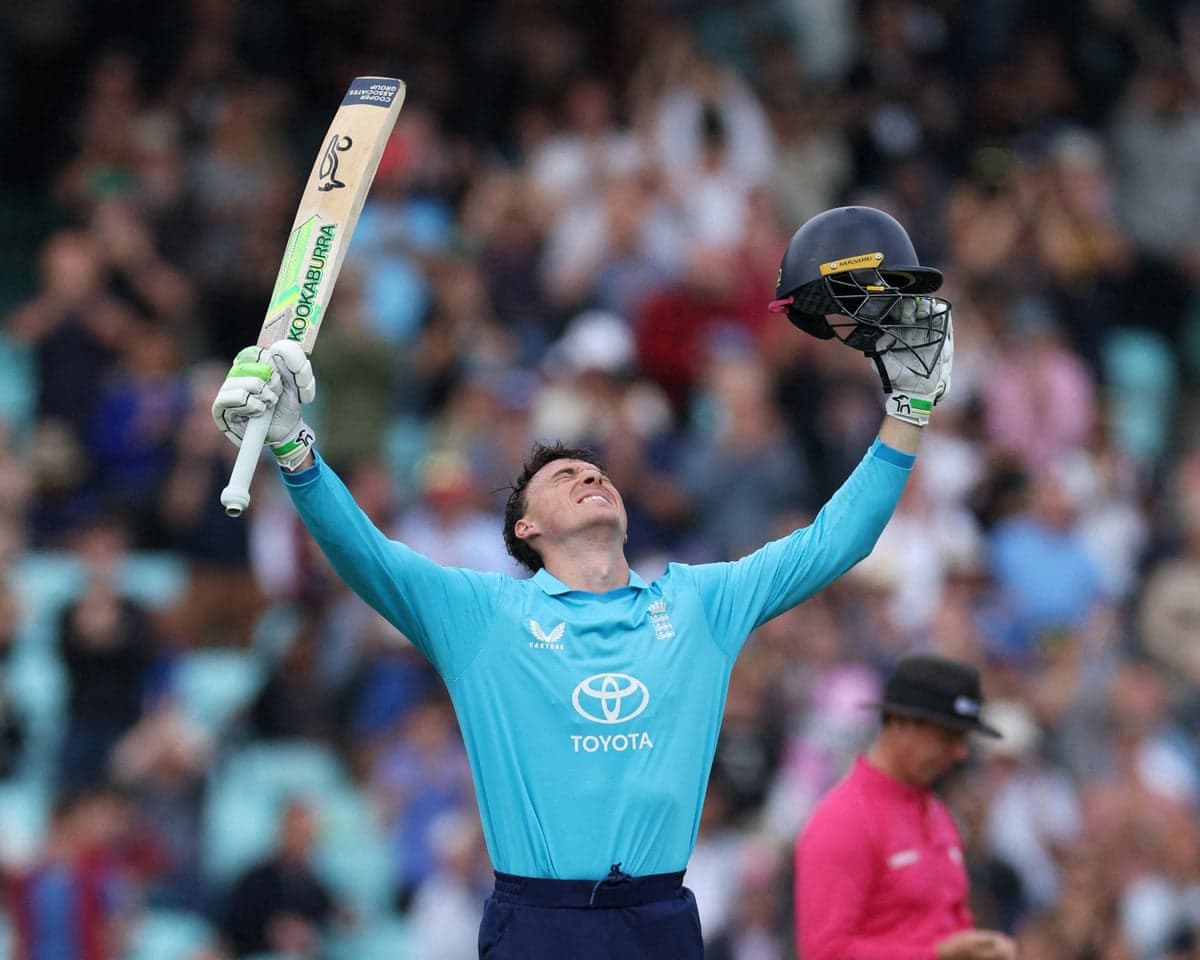
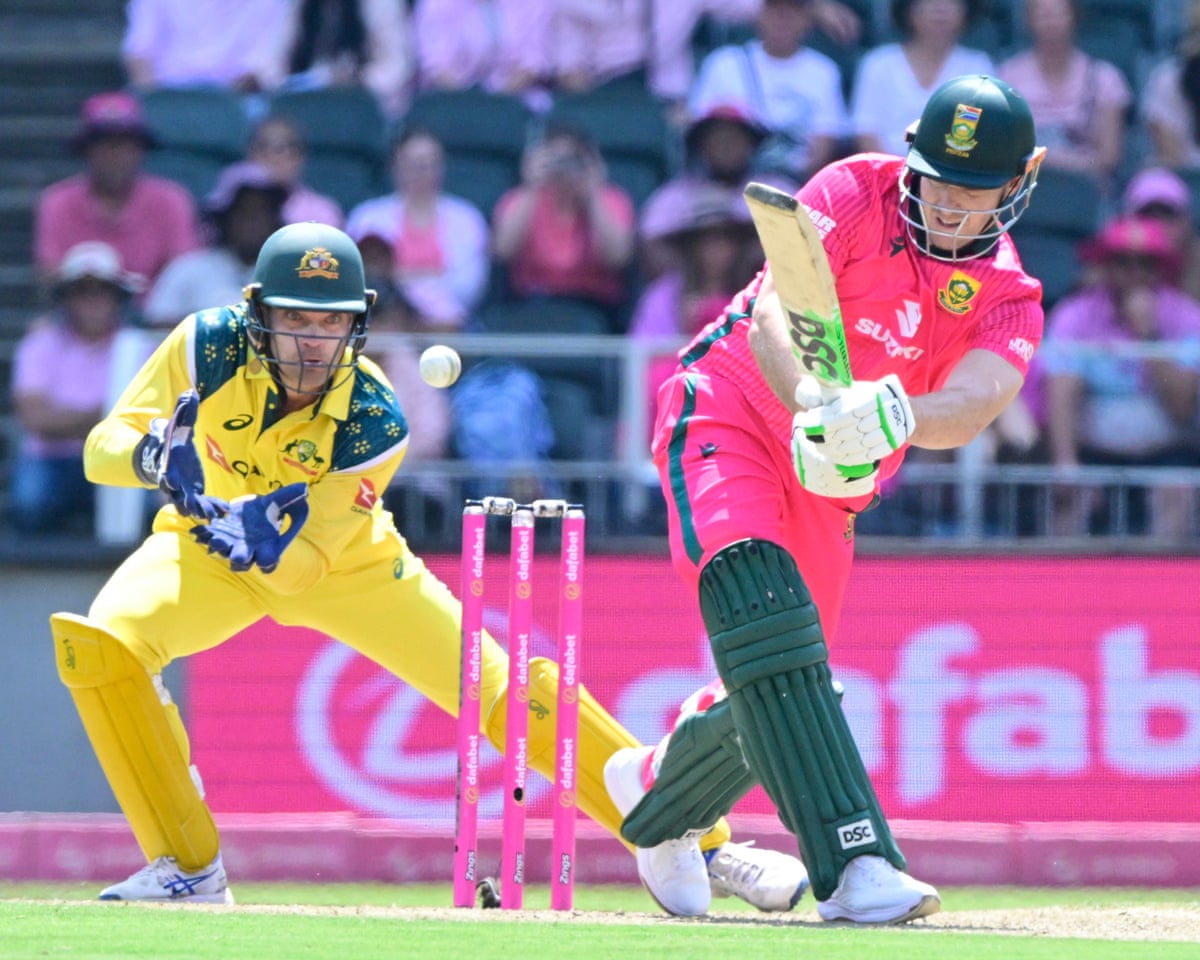
Bavuma compiled 103 from 116 deliveries for his sixth ODI century, anchoring the innings through a period of early difficulty. Miller proved far more aggressive, striking nine sixes in an explosive 142 from 93 balls—his career-best score and eighth ODI ton. Matthew Breetzke contributed 34 off 28 balls, while Duan Jansen remained unbeaten on 27.
Jack Edwards, playing in only his second ODI, was the standout Australian bowler with five for 67 in 10 overs, claiming the scalps of both Bavuma and Miller. Josh Hazlewood had earlier removed openers Aiden Markram for a duck and Quinton de Kock for 15.
Why did Australia's chase falter?
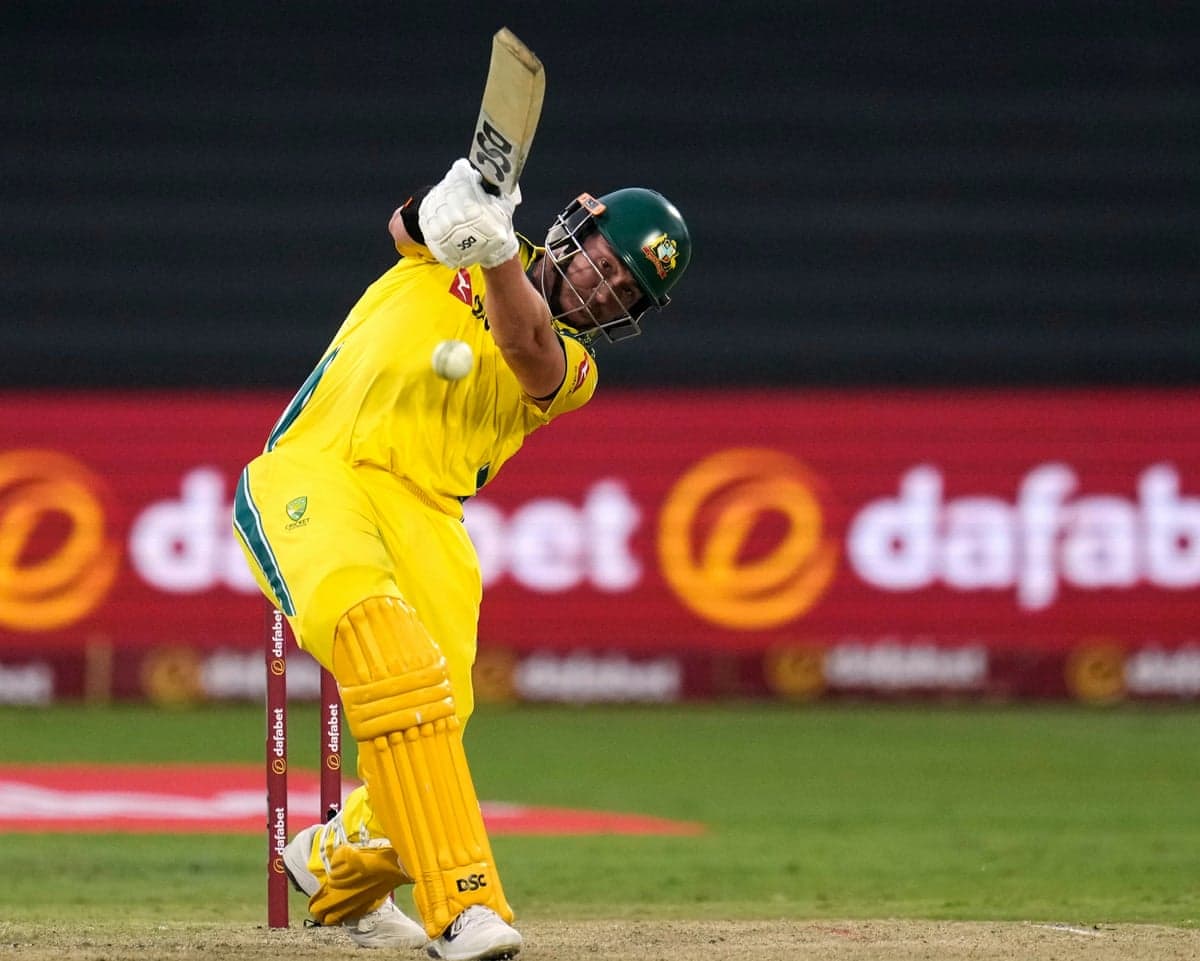
Mitch Marsh and Travis Head provided a commanding platform, putting on 130 runs in 17 overs for the first wicket. Marsh struck 84 from 53 balls while Head made 84 from 76 deliveries, mirroring Australia's strong starts in both matches of the series. However, the middle order crumbled against South Africa's spin attack once again.

Keshav Maharaj took two for 54, Bjorn Fortuin claimed two for 70, and Aiden Markram finished with one for 55 across their combined 10 overs. Markram dismissed Head lbw before Maharaj removed Alex Carey for 17 and Matt Renshaw for 32, both also lbw. Xavier Bartlett provided brief resistance with a fine 50 from 28 deliveries but lacked sufficient support from the lower order.
The pattern proved damaging: from the 30th to 40th overs, Australia managed just 35 runs on what was described as an excellent batting wicket. This mirrored their collapse in Durban, where they scored only 37 runs across the same 10-over period. According to live match coverage, Australia's inability to accelerate during these critical phases proved the decisive factor.
What did the captains say?
It's really disappointing. We came here determined to level the series at 1-1 and take it into the final game, but fair play to South Africa. I thought they played really well and outplayed us again.Marsh acknowledged the gap between the teams' performances. He continued:
We just want to keep improving. We certainly don't want to be whitewashed, so we'll go to Potchefstroom determined to win that final game and play some good cricket.
Marsh identified the middle overs as a critical weakness.
It's certainly an area where we need to improve and we're well aware of that. I thought we set up our innings really well in both games but we haven't been able to execute during those middle phases. It's a great learning curve, especially for some of our younger players. But you also have to give South Africa full credit for the way they've bowled during those periods.
Bavuma praised his team's all-round display:
It was another really good all-round team performance. It started with the bat. Conditions were a little tricky up front but we managed to get through that period and build towards a good total. David [Miller] played an unbelievable innings and then the bowlers did their job as well.
What happens next?
The third and final ODI is scheduled for 30 September 2026 at Senwes Park in Potchefstroom, where Australia will attempt to avoid a series whitewash. Following the conclusion of the ODI series, a three-Test match series begins in Durban on 9 October 2026, giving both teams important preparation for the longer format.
Key Facts
- South Africa's 365 for nine and Australia's 333 made for a high-scoring encounter, with the 32-run margin reflecting the visitors' middle-order vulnerability
- Miller's 142 included 12 fours and nine sixes, representing his career-best ODI score
- Australia's spin-bowling troubles continued a pattern established in the first ODI, with Maharaj and Fortuin again proving particularly effective
- South Africa have now won 19 of their last 25 ODI meetings against Australia, extending a period of sustained dominance
- The series loss comes as both teams prepare for a three-Test series beginning on 9 October 2026