The Hundred's much-anticipated rebirth under private ownership failed to capture the English cricket summer's imagination, overshadowed by a thrilling domestic Championship race and an unexpectedly turbulent England men's international campaign that kept the sport's attention firmly elsewhere.
Despite substantial investment and a clear calendar—no Ashes series, no major Test tour from India, and the Women's T20 World Cup sharing the stage with football's dominance—the franchise tournament struggled to establish itself as the summer's centrepiece. Six weeks after the finals at Lord's, the contrasting moods at two host counties revealed where the Hundred truly sits in English cricket's consciousness.
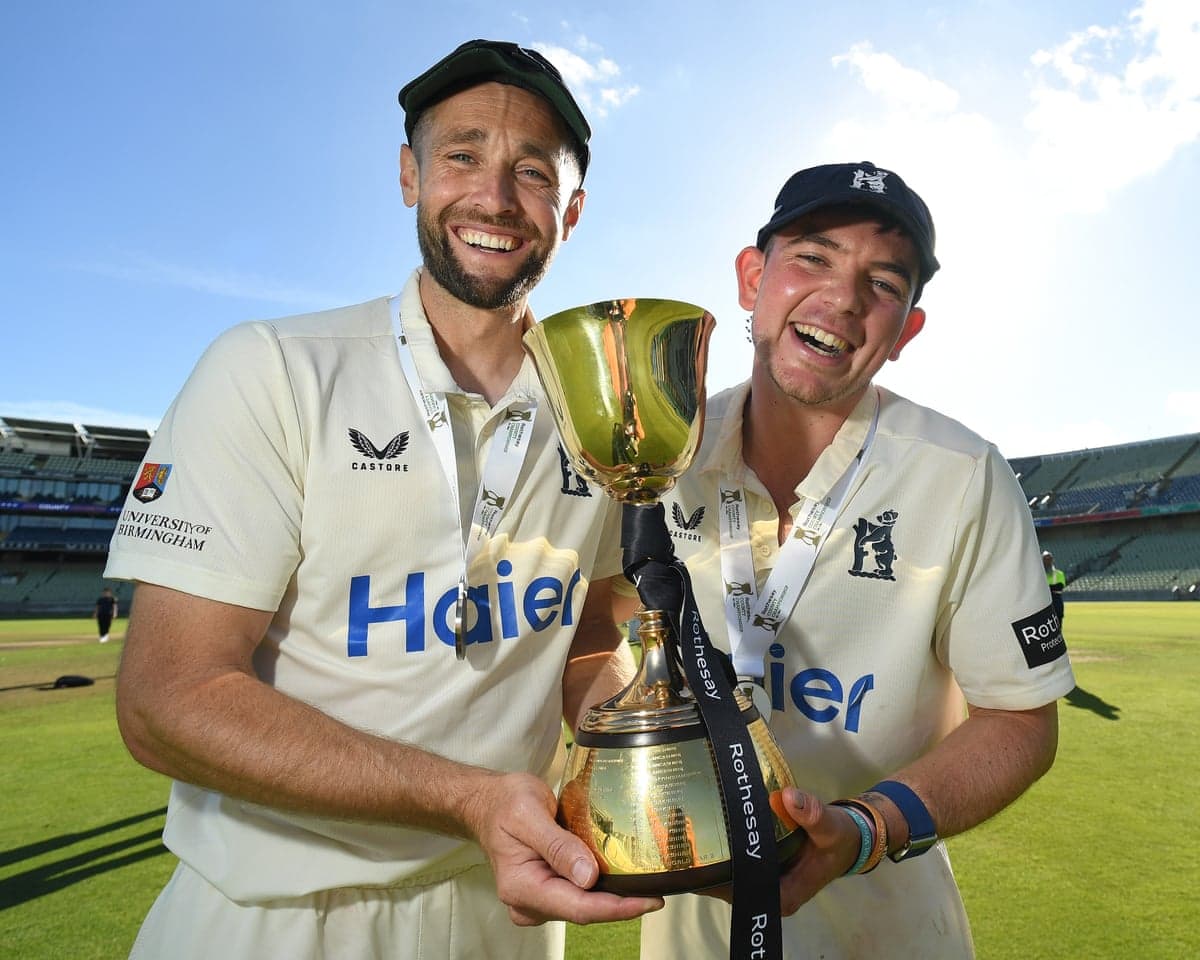
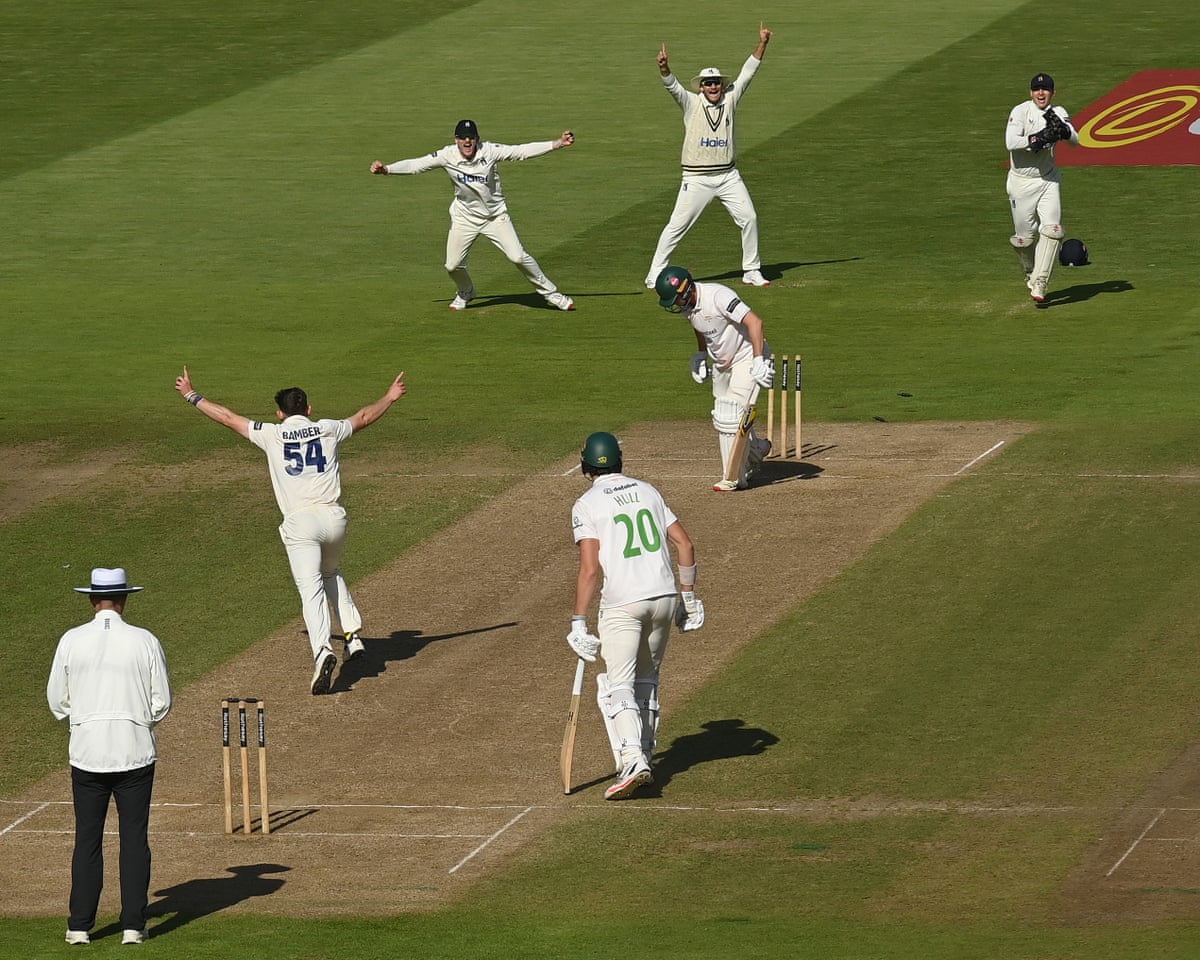
At Warwickshire, celebrations erupted on Saturday as the county claimed their first County Championship title in 136 years, with supporters and players flooding the outfield. The domestic triumph overshadowed any reflection on Birmingham Phoenix's disappointing showing in both the men's and women's Hundred. For Warwickshire, the summer will be remembered as famous regardless of their franchise's performance.
The picture at Lancashire could not have been starker. Manchester Super Giants, the franchise in which Lancashire holds a 30 per cent stake with overlapping staff, won the men's Hundred title. Yet at Old Trafford, the mood was one of crisis. The county finished second-bottom of Division Two with just two wins all season, also ending bottom of the T20 Blast and failing to reach the One-Day Cup knockouts. The club cancelled its end-of-season awards ceremony, and supporters expressed fury at the domestic collapse. Mark Chilton was sacked as director of cricket performance, while incoming chief executive Richard Kenyon will lead a comprehensive review of the club's performance operation, examining staff, contracts, resources and the pathway from academy to first team.
Why the Hundred took a back seat
The franchise tournament's struggle for prominence reflects a broader truth about English cricket: traditional county structures still command the emotional investment that money alone cannot buy. While the Hundred has attracted fresh audiences and the lines between host counties and their franchises have blurred, the domestic competition that genuinely stirred passion—and in Lancashire's case, recrimination—remained rooted in the Championship's year-round rhythms.
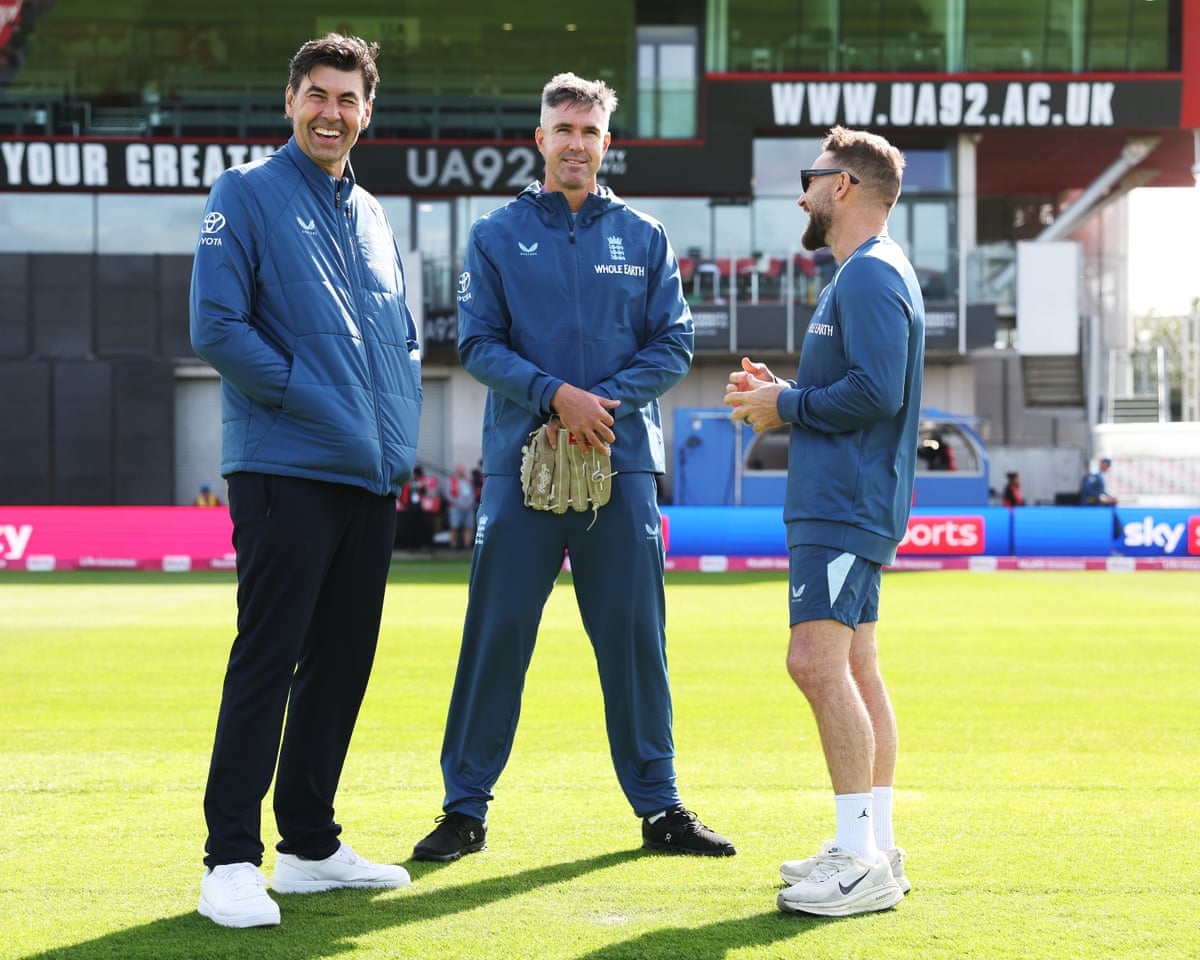
The main attention thief, however, was England's men's team. Even in a supposedly low-key international summer, their travails proved impossible to ignore. What was meant to be a quiet rebuild became a psychodrama. The Test team endured leadership upheaval, a strung-out Ben Stokes, and saw Brendon McCullum removed as Test head coach following a 2-1 defeat to New Zealand, with Stephen Fleming appointed to take over in the winter.

England's turbulent summer and emerging optimism
The first half of the season was marked by chaos. Yet looking ahead to the winter—white-ball tours of Pakistan and Australia, Test series in South Africa and Bangladesh, plus the 150th Anniversary Test in Melbourne—there is a sense of quiet optimism that England may have emerged from the Ashes debacle in better shape.
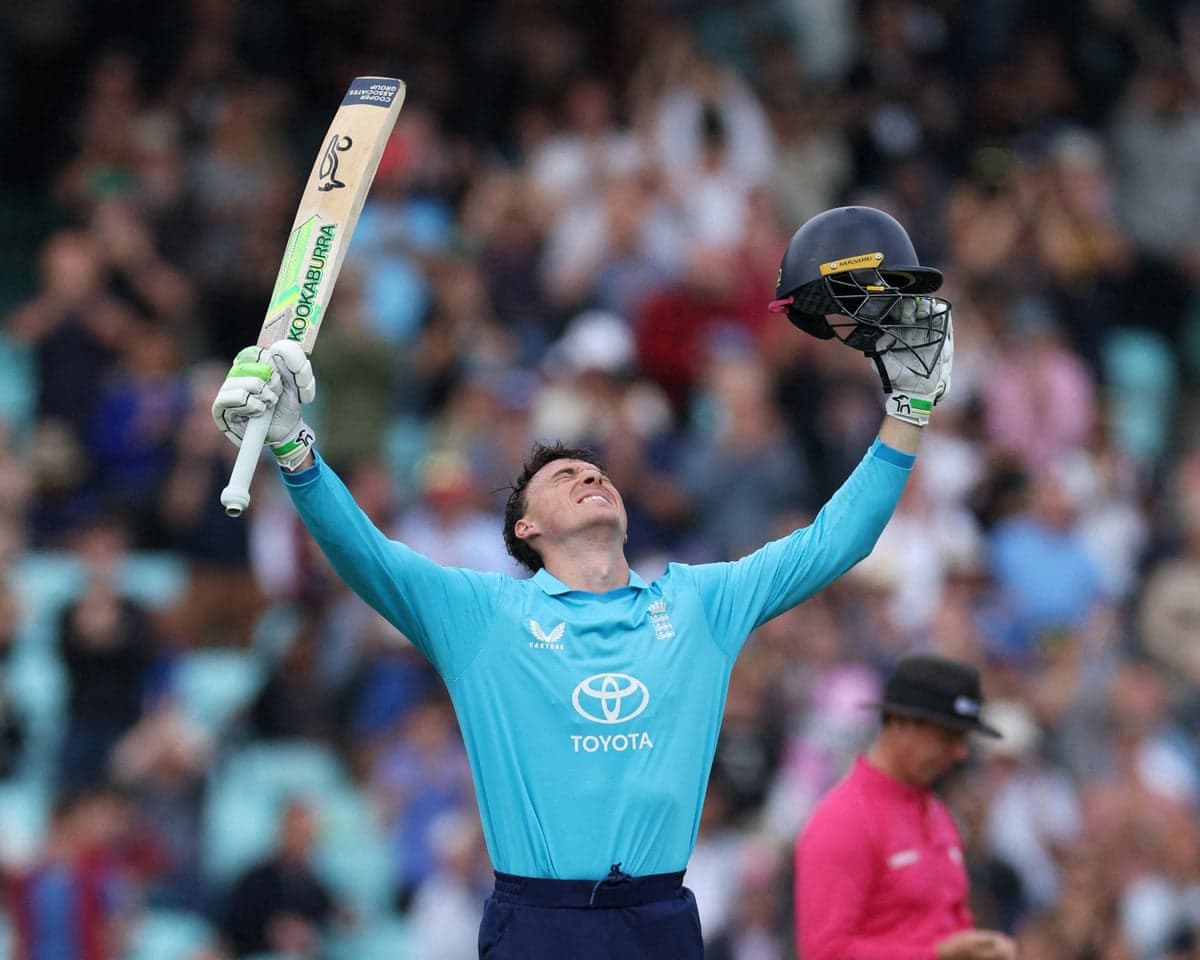
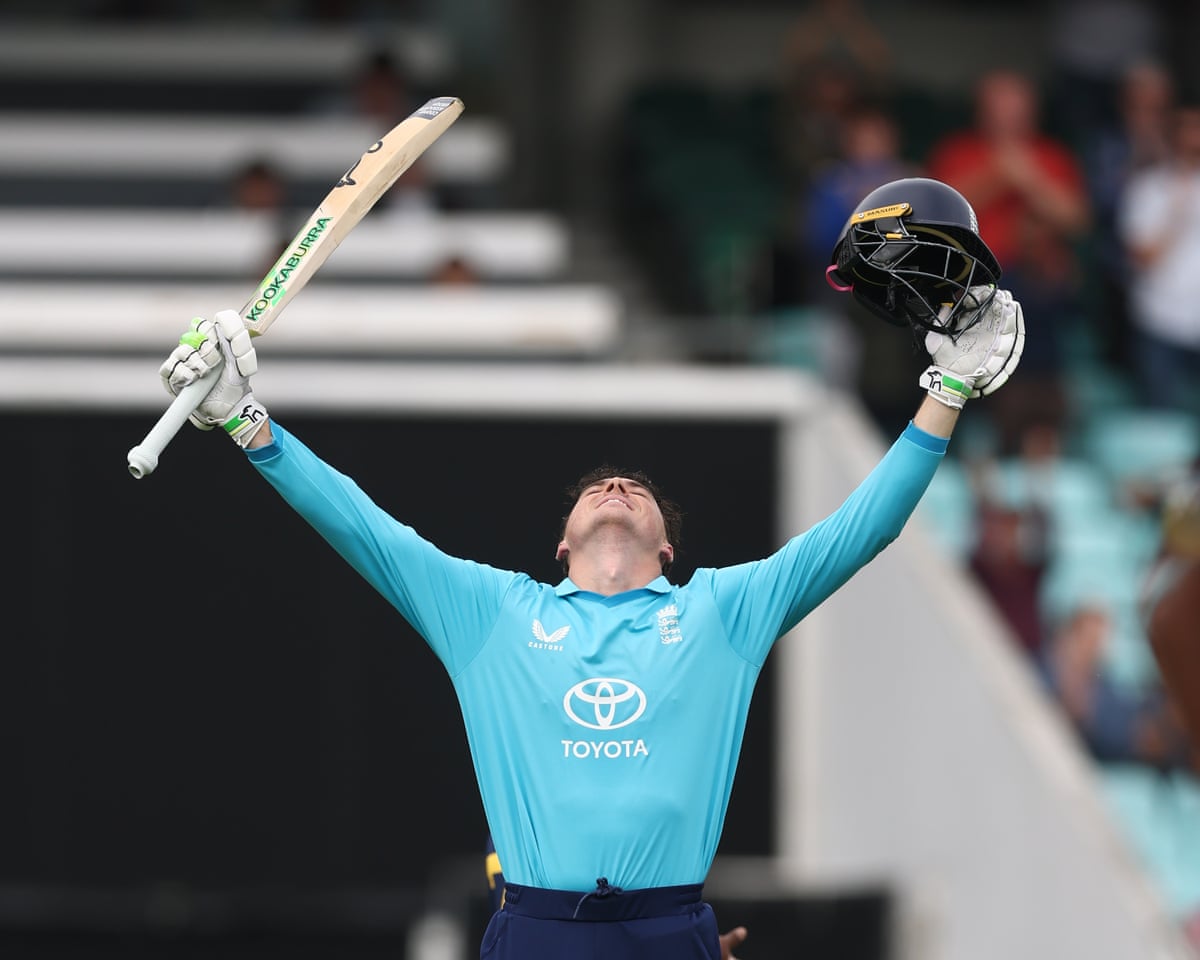
England's white-ball set-up is on the rise. The Twenty20 team have won their recent series, while the 50-over side has won all six bilateral series this year after years of neglect. Harry Brook's young batting group continues to develop, though they remain light on domestic 50-over experience.
The decision to split McCullum's role—keeping him as white-ball head coach while bringing in Fleming for Tests—may prove inspired. McCullum, showing little bitterness at having his wings clipped, has begun laying down a structured, rigorous set-up. Fitness has become his priority, and he is pushing for more pre-World Cup warm-up games. A year out from the World Cup in southern Africa, this specialisation could prove the right call.
Test cricket's promising foundations
The Test team's 3-0 sweep of Pakistan came with caveats. The tourists struggled with the Dukes ball's movement off the seam, and England endured a sideshow when Brydon Carse was arrested outside a Derby nightclub at 1-0 up in the series. Yet beneath the noise, promising foundations were laid.
Joe Root's return as captain provided calm and clarity after the Stokes turbulence. His own batting dipped, but he oversaw a promising new-look pace attack. Ollie Robinson took 29 wickets at nine runs apiece, while Jofra Archer and Josh Tongue—who played 17 and 15 internationals respectively—dispelled perceptions of fragility. Competition for places also improved: Jordan Cox, Dan Lawrence and Emilio Gay did not secure permanent spots, but they made enough impression to force difficult selection calls when Jacob Bethell returns. The Lions set-up also strengthened with Jonathan Trott's appointment as head coach.
What happens next
Much work remains, but the foundations look sound as Fleming begins his tenure as Test head coach this winter. His sibling-like relationship with McCullum should allow a smooth transition and a grown-up division of resources. Fleming has already signalled his intention to give younger players extended opportunities, a positive signal for the squad's development.
The Ashes, returning in 2027, will remain English cricket's overriding obsession. The Hundred's wait for top billing in an English summer will almost certainly continue for some time yet. Lancashire's winter review will continue under Kenyon as chief executive, while the domestic game's traditional structures have once again proved their hold on the sport's emotional centre.