Just weeks ago, the England cricket team appeared to be in crisis. The management seemed adrift, the squad lacked discipline, and morale had plummeted. Yet as the side prepares to enter the winter months, a dramatic shift in mood has taken hold. The second half of the summer delivered a succession of commanding Test and white-ball displays, revealing a group of genuinely world-class cricketers operating under a coaching structure that now feels cohesive and purposeful across all formats.
The transformation has been striking. England now stand in a markedly stronger position than they occupied at the start of summer, having recovered from the turbulence that followed an encouraging victory over New Zealand at Lord's. Where the Kiwis demonstrated the very qualities England aspires to—resilience, adaptability, and meticulous execution of fundamentals—the subsequent campaign against Pakistan showcased a more mature and sophisticated approach. The team leaned heavily on a quartet of pace bowlers, each distinct in method yet formidable as a collective unit. Most significantly, England completed a 3–0 Test-series sweep of Pakistan, with Joe Root making 62 not out and Jordan Cox 59 not out in a chase completed in 24.2 overs during the third Test at Edgbaston.
The removal of Brendon McCullum as red-ball coach proved necessary, and the appointment of Stephen Fleming as his successor appears inspired. Fleming arrived in England for a 10-day visit to meet Joe Root and ECB managing director Rob Key, having already engaged with Root and Marcus Trescothick during the Pakistan series and contributed to selection decisions. Though his journey to this role took time, Fleming has conducted a series of substantive conversations across the cricket world, and the partnership he will forge with Root promises to be genuinely productive.
What does identity mean in modern cricket?
The concept of team identity has become central to contemporary sport discourse, yet it represents a relatively recent preoccupation. When I joined Middlesex in 1987, the club had just captured six trophies in six years and stood as an elite force—yet nobody spoke of identity. Similarly, in the successful Surrey dressing room of the early 2000s, we possessed individuals of exceptional motivation and skill who challenged one another relentlessly every single day, but the word never arose. Modern athletes, by contrast, thrive when given explicit clarity about their team's identity and purpose. They respond to being invested in how the team operates and what it stands for.
McCullum arrived with a clear conception of identity and initially it galvanised England, yet the public messaging always felt somewhat narrow in scope. Fleming and Root appear positioned to construct something more layered and enduring. Fleming has signalled his commitment to standards of behaviour, wanting players to embrace freedom and enjoyment while coupling that with intelligent cricket and tactical flexibility. He has emphasised leadership and strategic thinking, and he has articulated an ambition to guide England to the world's top ranking and to win the World Test Championship. For anyone who cherishes Test cricket—with all the rigour and personal challenge it demands—such messaging is deeply encouraging.

How has the coaching structure evolved?
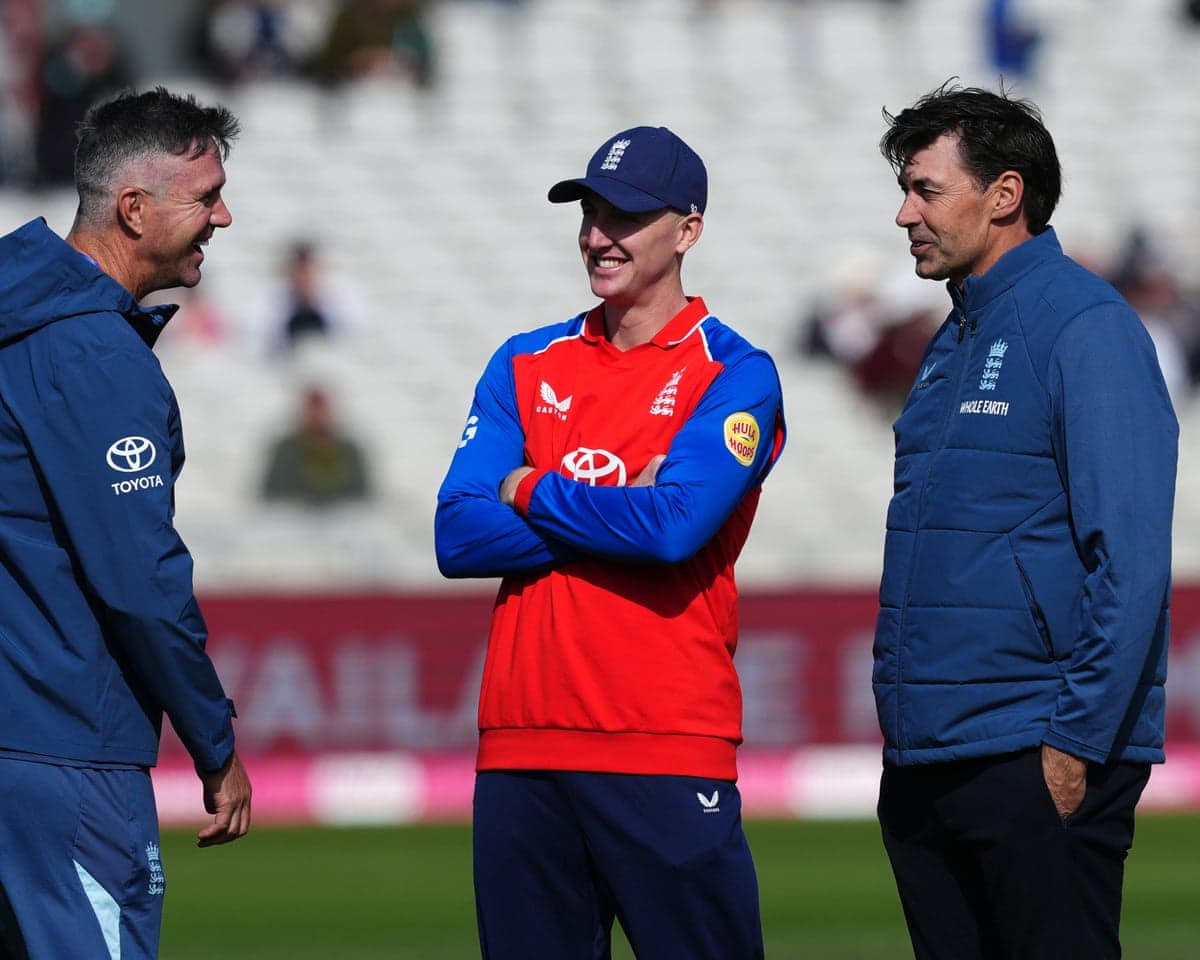
England now possesses a considerably stronger and more multifaceted coaching apparatus than existed at the start of summer. Kevin Pietersen has joined the setup to prepare, challenge and mentor the white-ball contingent, and the prospect of his working relationship with Harry Brook holds particular promise. McCullum, meanwhile, appears to have found his true calling in white-ball cricket, where England have delivered some outstanding results in recent weeks.
Which emerging players are making an impact?
The recent Test series produced compelling evidence of genuine competition for places—a dynamic that should sharpen performance across the board. In the past, selection has sometimes lacked this edge, with certain players retaining their spots despite inconsistent returns. That landscape has shifted markedly.
Sonny Baker, taking the new ball at the Oval, has undergone a notable technical evolution. He has adjusted the angle of his run-up and now extracts late outswing at 89mph, bringing to mind Brett Lee—and that comparison carries considerable weight. Earlier in his county career, he appeared somewhat limited, operating predominantly at two lengths with relatively little variation or craft. That assessment no longer holds. Success for a fast bowler ultimately hinges on skill and the ability to move the ball laterally through the air, and his recent performances have been genuinely impressive.

Jordan Cox has demonstrated outstanding temperament, character and technique, delivering exceptional performances in both Test and one-day formats. Tom Banton has similarly impressed. With such players performing at this level, no incumbent can afford complacency. England's four seamers excelled against Pakistan, yet if Baker continues his upward trajectory he must enter serious consideration for selection. The side faces legitimate concerns—particularly regarding the Test team's leading spinner and potentially the opening partnership—but these are outweighed by the genuine excitement surrounding the team's trajectory.
What lies ahead for England?
England's South Africa Test tour begins at Johannesburg's Wanderers Stadium on 17 December, with the second Test scheduled for 26–30 December at Centurion and the third for 3–7 January at Cape Town. South Africa will present a formidable challenge—they remain consistently tough and competitive opponents. Yet the foundations now appear solid for England to approach this series with genuine confidence.
The distance travelled from the despair of early summer to the current mood of optimism deserves recognition. From the chaos that engulfed the team after that promising win at Lord's, England have regrouped, refined their approach, and constructed something more sustainable. The coaching unit now feels purposeful and aligned. The squad contains genuine world-class talent. The strategy emphasises adaptability, smart cricket, and clear standards of behaviour. That represents genuine progress worth celebrating.