Australia seized the initiative in the third Test series decider at Cape Town on the second day, with wicketkeeper-batters Josh Inglis and Adam Carey combining in a commanding partnership to push the visitors ahead of South Africa's first-innings total. By stumps on October 28, Australia had reached 330 for 4, surpassing South Africa's all out 329 and positioning themselves to build a decisive advantage with six wickets remaining in hand. According to The Guardian, the recovery came after Australia had been reduced to 185 for 4 at one stage, requiring a substantial unbroken stand of 145 runs between Inglis and Carey to turn the match.
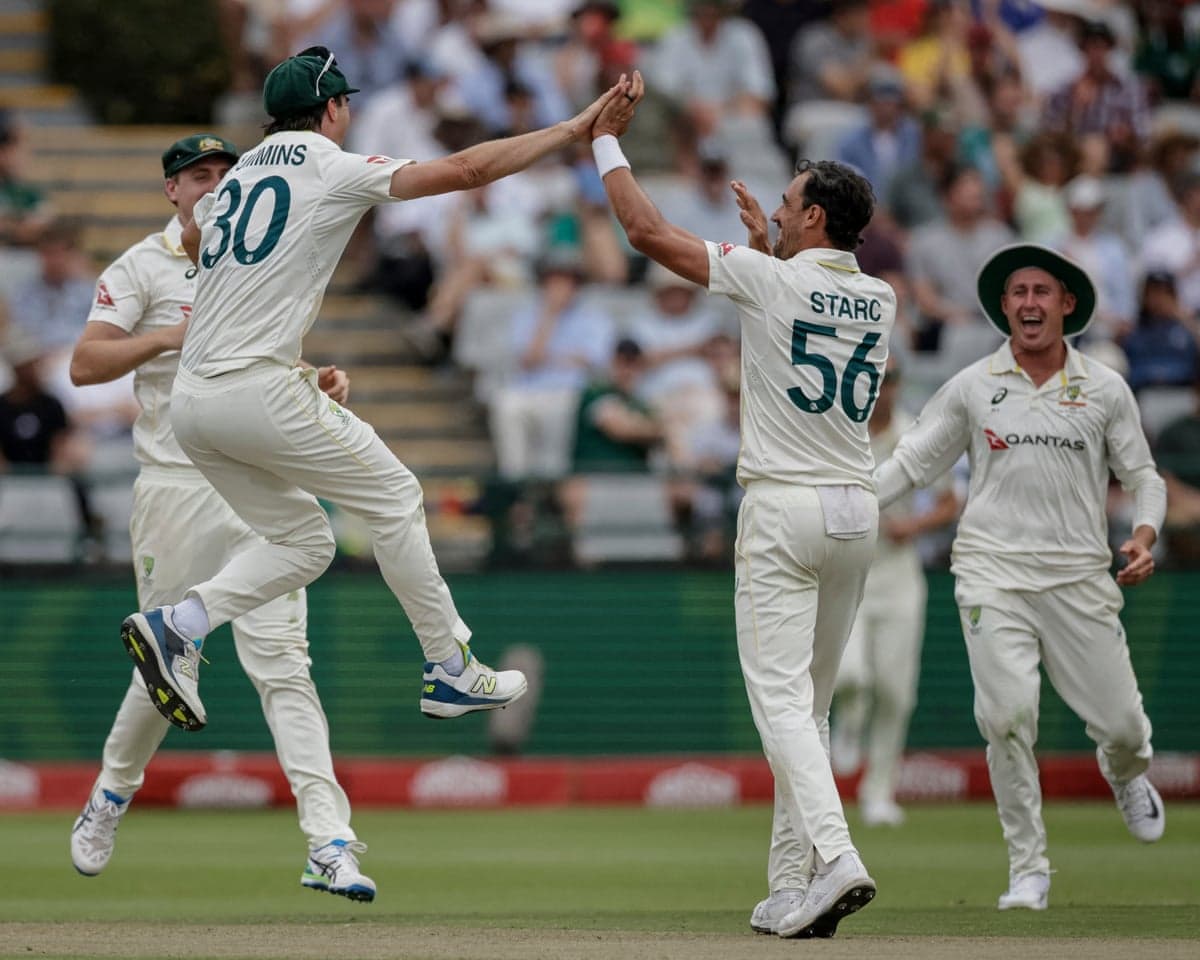
The day unfolded with contrasting rhythms, marked by South Africa's ability to strike twice when Australia appeared to be building momentum, yet each time the visitors responded with measured reconstruction. Australia's bowlers had staged a dramatic comeback on day one, with Mitchell Starc taking 6 for 72 to dismiss South Africa for 329 after the hosts had reached 140 for no wicket. The series remained evenly poised at 1–1, with South Africa having levelled after winning the second Test by an innings and 31 runs, making this final Test the decisive encounter.
How did Australia's opening partnership begin?
Travis Head and Matthew Renshaw started Australia's innings with promise during the first session, threatening to replicate South Africa's strong opening-day performance when Aiden Markram and Marques Ackerman had accumulated 140 against a struggling Australian attack. Head's aggressive approach yielded seven boundaries from his 41 runs off 58 deliveries, mixing fortune with technical skill. Renshaw, by contrast, demonstrated the disciplined temperament he had displayed in the middle order during the previous Test in Durban, leaving and defending the new ball with precision, reinforcing why selectors had originally considered him as the replacement for Jake Weatherald at the top of the order.
What does Head's performance reveal about his role in the team?
Head's contribution raises persistent questions about his optimal batting position. While his overall opening average of 49 appears exceptional by contemporary standards, the underlying statistics tell a more complex story: his average fragments into 23 in first innings, 43 in second innings, 71 in third innings, and 60 in fourth innings. This pattern demonstrates that Head excels at dismantling opposition in matches already shaped to suit his aggressive approach, yet struggles when required to construct innings in challenging early conditions. Deploying a more defensive opener at the top while reserving Head for the middle order may represent a more efficient allocation of his particular strengths.
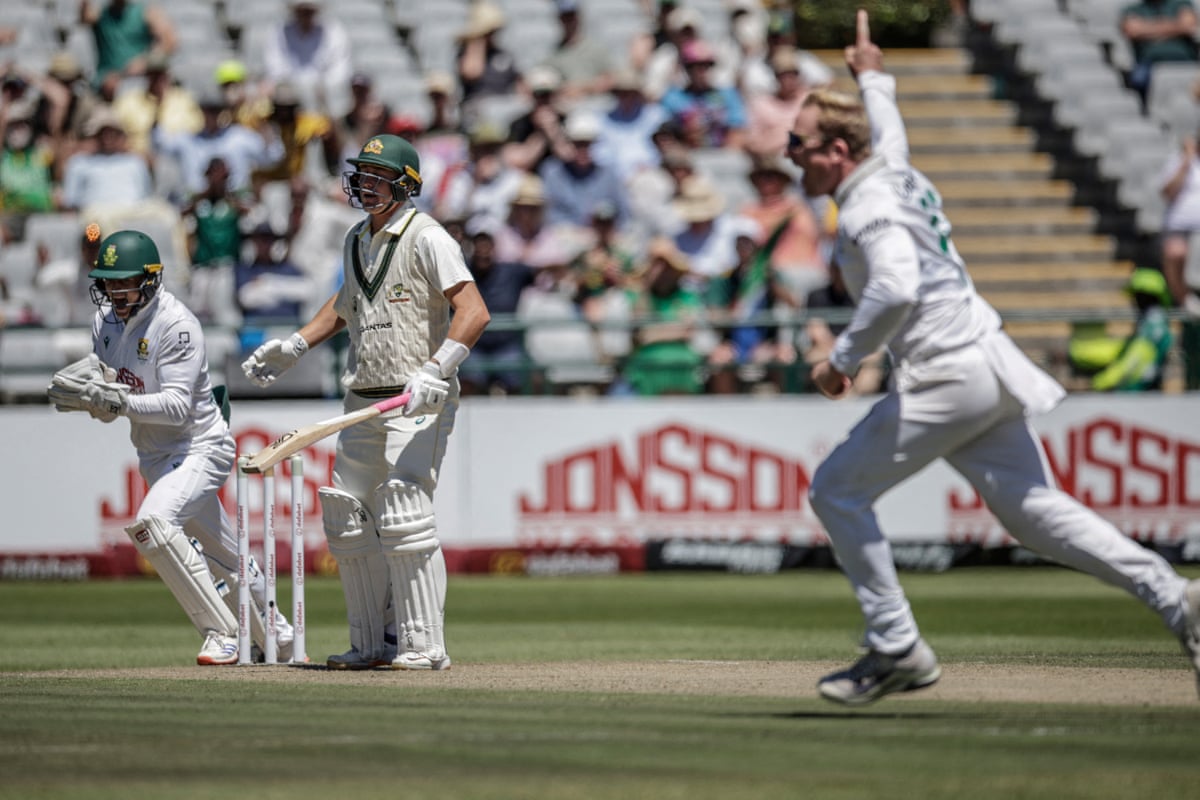
Head's current technical vulnerability compounds this strategic consideration. He was dismissed today through an awkward cut against Simon Harmer's off-spin that saw him chop onto his stumps—a dismissal method that has now claimed him eight times in his last 15 dismissals, a dramatic increase from 20 times in 66 dismissals during the preceding period. This emerging pattern suggests a mechanical flaw that requires urgent correction.
Why was Marnus Labuschagne's dismissal so concerning?
Labuschagne fell to Harmer in the same over that claimed Head, caught at slip after playing a tentative poke at a delivery that would have passed harmlessly by the stumps. The duck itself is unremarkable—any batter can experience such a dismissal—but the manner of it signals deeper problems. A player who has invested considerable effort in developing dynamic footwork against spin appeared rooted to the crease, both feet immobilised, executing a stroke devoid of conviction or purpose. Although Labuschagne retains one further innings to salvage his position, this shot carried the hallmark of a batter in no psychological state to capitalise on such an opportunity. The dismissal may represent his last chance at Test cricket before the Australian summer provides an opening to blood a replacement.
How did Australia recover from their middle-order collapse?
Cameron Green arrived to stabilise the innings following the loss of Labuschagne, but Australia's recovery was temporarily interrupted when South Africa's Gerald Coetzee appeared to have claimed a catch. Harmer at second slip was convinced the ball had been taken, and video replays appeared consistent with precedents where a fielder with flat fingers on the ground successfully catches a ball that bounces into the palms. The third umpire ruled otherwise, denying the catch. Australia subsequently added 85 runs to the partnership before it ended, with Green playing with calculated aggression, hooking Rabada's returning bouncer barrage for consecutive sixes and a four in one over.
Harmer created further frustration when Renshaw was given not out to a delivery that drifted across the left-hander, spun back past the edge, and struck the back pad—a decision upheld as umpire's call for height. Marco Jansen eventually broke through, requiring third-umpire confirmation that extra bounce had deflected off the top edge of Renshaw's half-hearted uppercut. Jansen's next over saw Harmer complete a catch at slip that had previously been overturned, removing Green for 65. Renshaw departed for 74, leaving Australia at 185 for 4 and still trailing South Africa by 144 runs as tea approached.
How did Inglis and Carey turn the match?
The partnership between Inglis and Carey proved decisive in Australia's recovery. Both are wicketkeeper-batters, yet they adopted contrasting approaches: Inglis employed the traditional counterpunching style associated with keepers in that role, while Carey balanced defence with moments of creative aggression. The stand developed steadily, with both batters advancing towards half-centuries as the afternoon progressed. Harmer was repeatedly milked for runs, while Rabada's bowling proved ineffective. As Inglis passed 50, he opened his shoulders, striking sixes off both Harmer and Rabada, and consecutive fours through the off side against Coetzee.
Danger moments interspersed the partnership—Harmer produced one delivery that spun back sharply towards Inglis's off stump, and a pair of top edges landed safely in the field—yet Australia's aggressive scoring kept South Africa's fielders spread and prevented the hosts from building pressure. Unlike Mitchell Starc's devastating new-ball spell on the previous evening, South Africa's use of the new ball merely accelerated the scoring rate. By stumps, the unbroken partnership had accumulated 145 runs, with Carey unbeaten on 51 and Inglis on 85.
What is the significance of Australia's position?
Australia's turnaround holds particular significance given captain Pat Cummins's decision to bowl first on day one. That choice, made when Cummins harboured sufficient doubts about his batting order to prioritise bowling, has been vindicated by the new batting configuration's performance on day two. The visitors now hold a slender lead with four wickets intact, positioning themselves to build a substantial total heading into day three.
What happens next?
Day three is scheduled for October 29 at Newlands, Cape Town, with the third Test running through October 31. The critical question is whether Australia can accelerate their advantage into a commanding lead on the third day, or whether South Africa's bowling attack can reassert itself to restrict the visitors' scoring and engineer a path back into the contest.