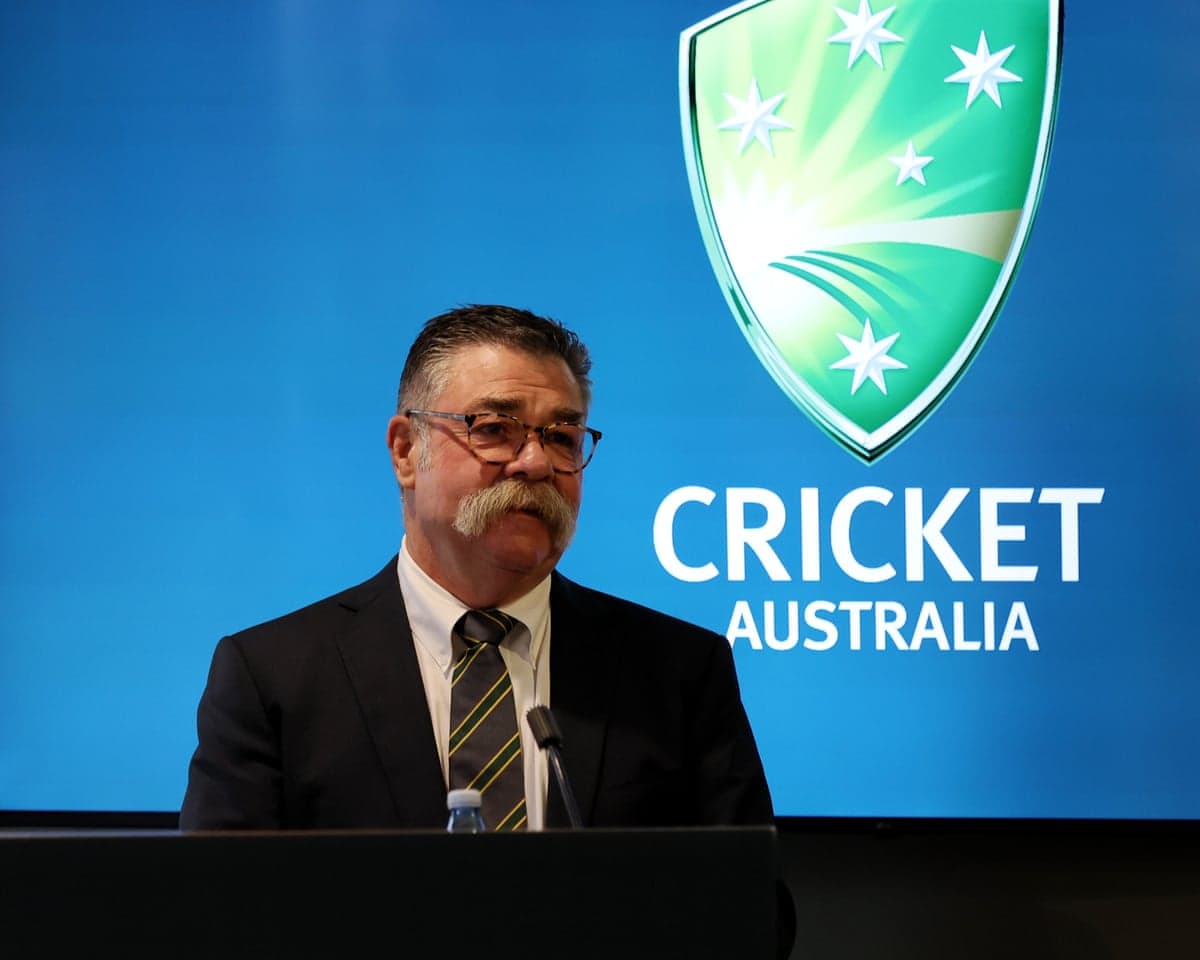
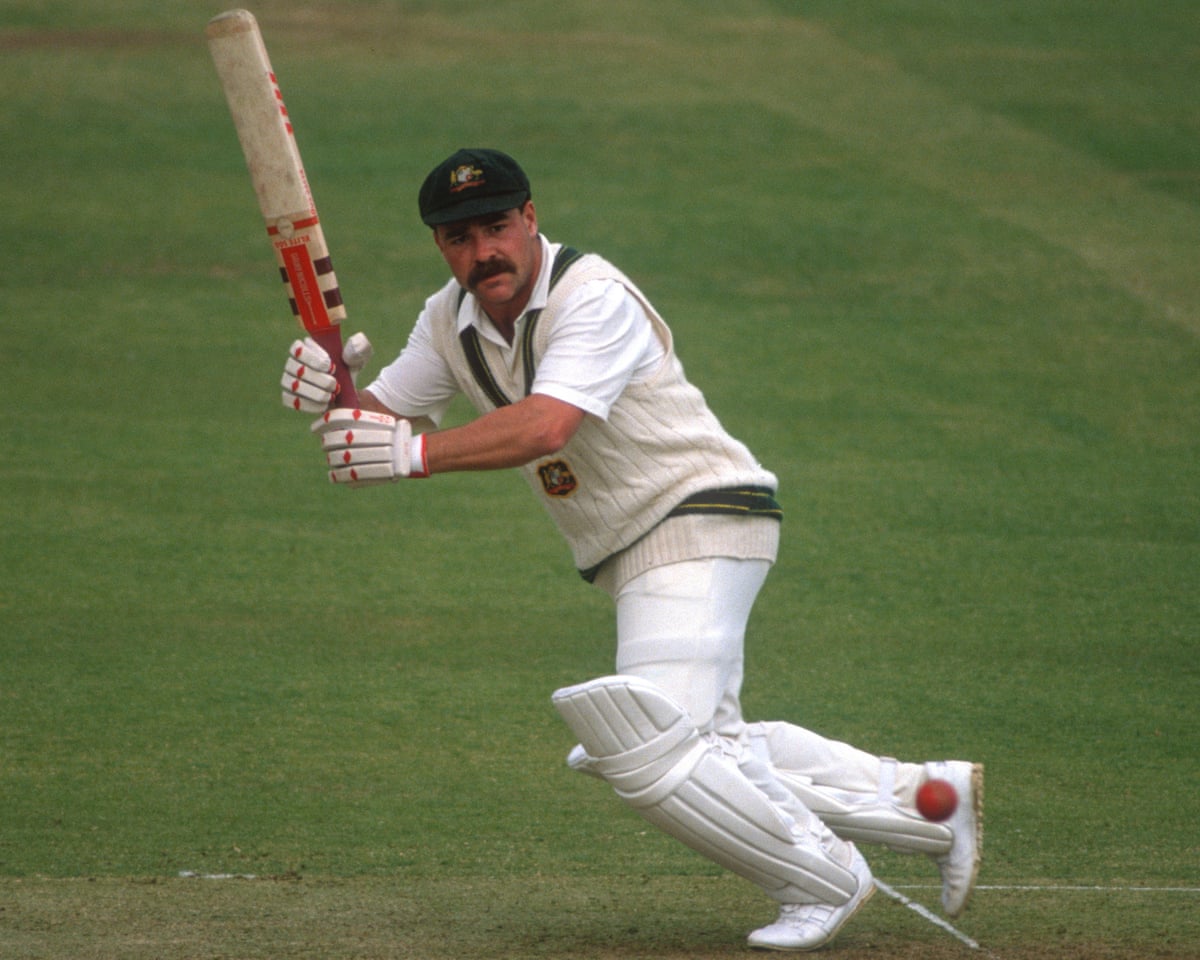
David Boon stepped into the interim chair role at Cricket Australia on 28 October, inheriting a complex portfolio that extends far beyond the immediate challenge of steering the Big Bash League's contentious privatisation process. The former Test batter, who played 107 Tests and 181 ODIs for Australia, replaces Mike Baird following pressure from New South Wales officials who objected to the manner in which Baird pursued private investment in the franchise competition. According to The Guardian, Boon assumes the position at a time when Australian cricket faces financial headwinds, international competition for the summer franchise window, and uncertainty surrounding the men's team's coaching future.
Boon's appointment comes as Cricket Australia navigates a period of financial constraint following what the organisation describes as "cost minimisation" measures. The sport confronts a landscape reshaped by Indian investment interests and concerns about match-fixing, all while the international calendar compresses around lucrative franchise tournaments. The privatisation initiative represents the most immediate test, with the potential to inject substantial capital into the organisation and individual state associations.
Why did Mike Baird step down?
Baird's departure stemmed from disagreement over his aggressive pursuit of BBL privatisation. Cricket NSW, which holds significant influence within the broader governance structure, withdrew its backing for the chair after concluding that his approach to securing private investment lacked sufficient consultation with state bodies. ESPN reported that the state moved to nominate a replacement director to the CA board, signalling its determination to shape the direction of privatisation discussions.
What is the privatisation plan?
Cricket Australia has approved a framework permitting individual state associations to sell minority stakes in their Big Bash franchises to private investors. Rather than imposing a uniform approach across all eight teams, the model grants each state the autonomy to decide whether to pursue investment partnerships. Cricket Australia confirmed that Tasmania, Western Australia and Victoria are among the states actively considering the investment model, with state decisions expected over the next six to eight weeks.
The proposed structure leaves each state association to decide whether to seek investment, while Cricket Australia retains control of international scheduling, player availability, salary caps and media rights. This arrangement emerged after an earlier proposal to sell stakes across all eight BBL teams stalled amid concerns about losing local control.
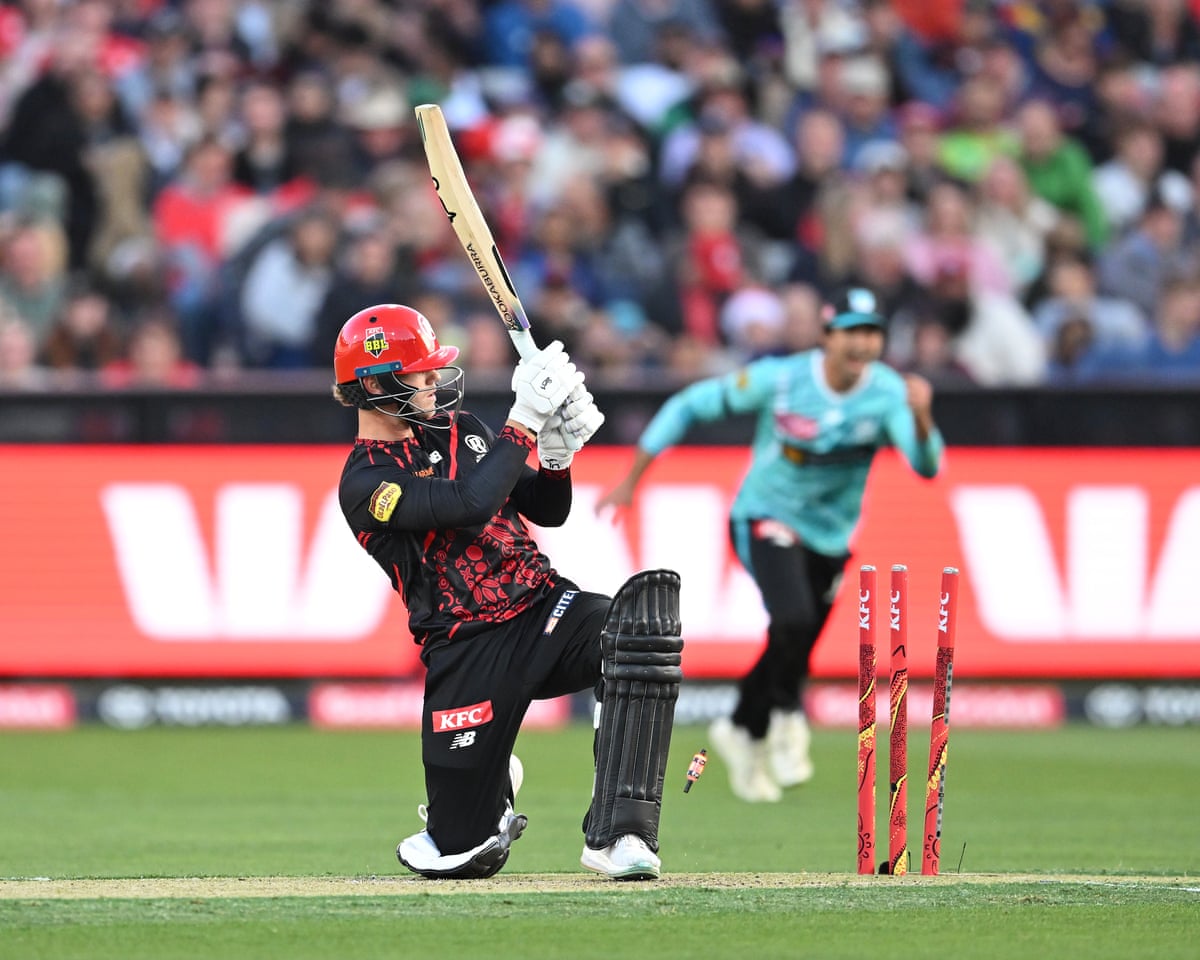
The financial incentives are substantial. Cricket Australia has invited bids for a 100 per cent stake in the Melbourne Renegades, with new ownership targeted for the 2027–28 BBL and WBBL seasons. The proceeds from such sales could significantly ease the organisation's financial position during what Boon and his predecessors describe as a cyclical downturn in Australian cricket's four-year, Ashes-to-Ashes revenue pattern.
At the organisation's annual general meeting on 28 October, Boon declared privatisation a priority, describing it as
"a huge and important project". His stance reflects the position held by Tasmania officials, who have sought interest from partners without relying on investment firms managing the Renegades process. Talks are under way with six parties interested in acquiring a stake in the Hurricanes, with investment expected to be finalised within 12 months.
What obstacles remain?
Player negotiations present a significant hurdle. The Renegades deal might be locked in before an agreement is reached with the Australian Cricketers Association, a potential source of concern for investors seeking buy-in from Australia's top talent before committing capital. Chief Executive Todd Greenberg acknowledged the impasse, stating:
"We're a little way apart in that there's a difference of opinion contractually about how the proceeds of the sale would operate."
Opposition from within the board also persists. Ed Cowan, the former Australian opener elevated as the new board nomination from New South Wales, is a prominent critic of the BBL plans. His presence at the AGM underscored the ongoing tension between those backing privatisation and those concerned about the loss of state control over franchises.
What other challenges face Boon?
The interim chair inherits a portfolio extending well beyond franchise investment. The future of men's Test cricket demands urgent attention, with declining television rights values and concerns about corruption in the sport requiring engagement at the highest levels of international cricket governance. Baird identified these as among the most pressing decisions confronting Boon and other leaders within the global game.
The coaching situation also demands clarity. Andrew McDonald's contract as men's head coach expires at the end of next year's ODI World Cup. Greenberg expressed confidence in McDonald's tenure, noting:
"He's held in incredibly high regard by the Cricket Australia board and by all of us. I think he's done an outstanding job, and I think his results tell you that."However, he added a note of caution:
"But in saying that, there's also an eye on what's coming next, and there's no doubt that there'll be a transition of this team, and we want to make sure that we can have oversight of that so that we protect and thrive into the next phase, whoever that might be."
Boon's post-playing career as a selector and ICC match referee has prepared him for navigating complex stakeholder relationships, yet the scale of the challenge is substantial. Baird, who maintained close ties with Jay Shah, the well-connected former BCCI official now chair of the ICC, promised to introduce Boon to key figures in international cricket governance. These introductions are scheduled to occur at the next ICC meeting in Bali in November and during the Renegades' clash with the Scorchers in December, which opens the BBL season in Chennai.
What happens next?
Cricket Victoria is pushing to sell the Renegades licence by the end of 2026, with the club's new ownership intended to be in place for the 2027–28 seasons. Tasmania, Western Australia and Victoria are expected to make formal decisions on whether to pursue club investment over the next six to eight weeks, setting the pace for the broader privatisation rollout.
Boon's immediate focus will be consolidating support for the privatisation framework while managing the competing interests of state associations, players, and potential investors. The success of his interim tenure will likely determine whether the board moves to confirm him in the role permanently, a decision that hinges on his ability to navigate the financial and political complexities now dominating Australian cricket's agenda.