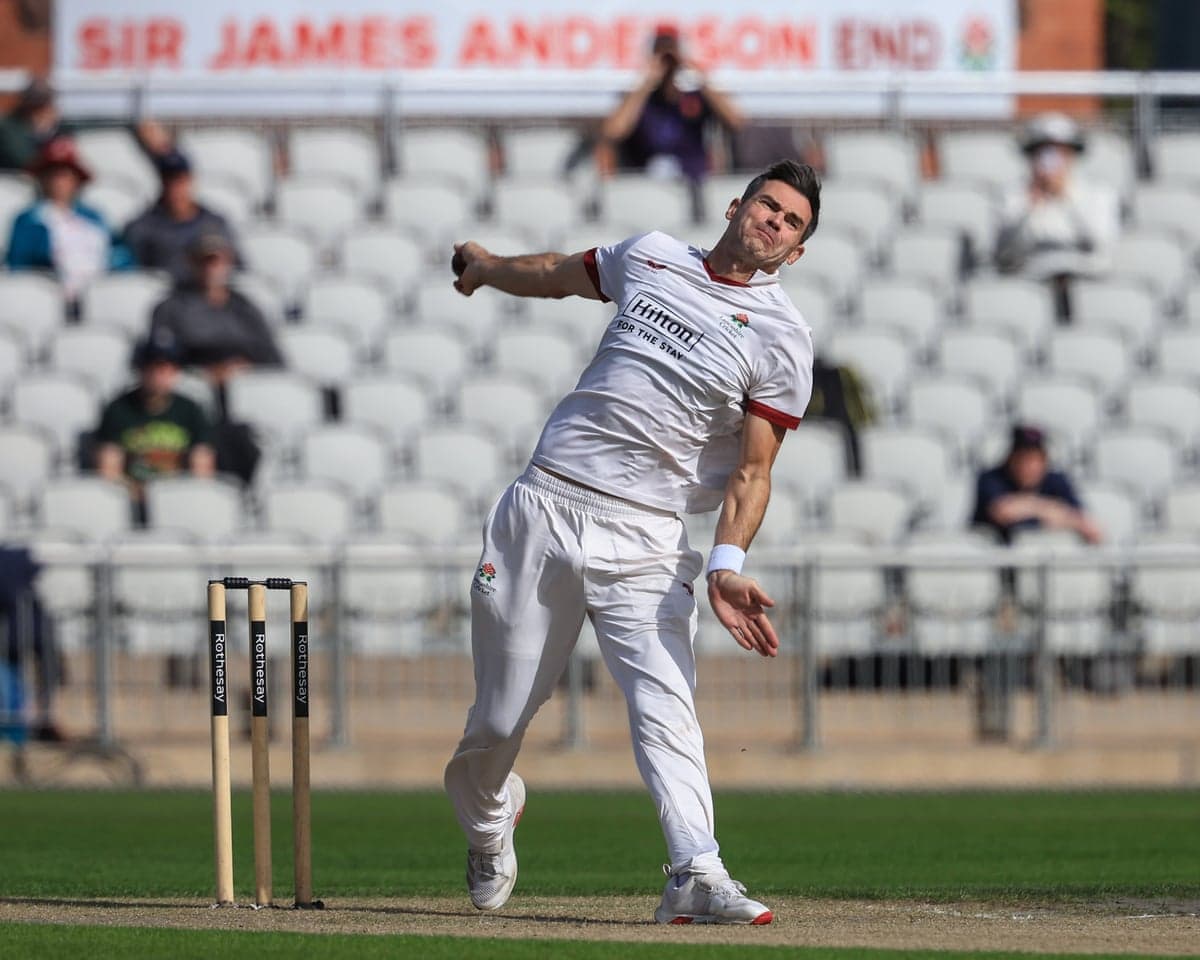
England's leading Test wicket-taker has resisted retirement despite Lancashire ending his 25-year association with the club, instead pursuing opportunities abroad as he continues to defy expectations at 44. According to The Guardian, Anderson's determination to keep playing has become the defining characteristic of a career built on comebacks and reinvention.
When Lancashire announced this week that they would not renew his contract, there was no immediate retirement statement. Instead, Anderson considered his options, ultimately accepting a role to lead and co-own the Napoli Knights in a new Italian T10 competition. ESPN reported that Anderson will serve as captain and co-owner alongside former Lancashire wicketkeeper Luke Sutton, though the exact nature of his ownership stake remains unclear.
Anderson has expressed disappointment about how his Lancashire departure unfolded. According to Yahoo Sports, he stated: "If it was up to me it wouldn't have ended like this." His former England new-ball partner Stuart Broad publicly criticised Lancashire's handling of the situation, calling it disrespectful on the podcast 'For The Love of Cricket'.
"I think it's a pretty disrespectful way for Lancashire to deliver that news to him," Broad said. "I didn't like it from Lancashire, to be honest. I thought it was not done in the right way. I think you give your icons or greats of the game a better sign-off, a better send-off than that, and it shows a lack of leadership at that club, a lack of doing it in the right way."
Broad added that Anderson's recent performances merited continued opportunity.
"I feel uneasy, uncomfortable about it. I think if Jimmy Anderson wants to play another year when he's taken 50 'poles' at 17, you find a way to do that."
Why does Anderson keep playing?
Anderson's refusal to step away from cricket reflects a lifelong pattern of resilience and self-improvement. His greatest strength, recognised even in his early career, has always been his ability to bounce back from setbacks. This determination saw him through periods of inconsistent form, an unsuccessful remodelling of his action, and a stress fracture that threatened to derail his trajectory.
The turning point came during the 2007-08 New Zealand tour, when he paired with Broad to open the bowling for England. From that moment, his performances began to match the promise shown in his debut season. Between the 1990s and 2000s, England was searching desperately for new heroes, and Anderson's rapid progression from Burnley CC to international cricket brought both opportunity and intense scrutiny. His obsessive dedication to bowling allowed him to weather the inevitable backlash that followed early hype.
What distinguished Anderson was his willingness to evolve constantly. As he aged, he developed a mastery of swing and seam bowling that few could match, always experimenting and refining his craft. This commitment to improvement, rather than resting on early achievements, transformed him from a promising young talent into one of England's all-time greats.
How did Anderson's career begin?
Anderson's entry into professional cricket was marked by both promise and turbulence. In his first county season at Lancashire, he took two wickets in two balls against Surrey at age 19, finishing as the club's third-highest wicket-taker despite his youth. He was drafted into England's one-day international side that winter before even receiving a county cap—a selection that was unusual at the time and caught some observers by surprise.
His raw pace and prodigious swing could trouble elite batsmen; he out-yorked both Wasim Akram and Waqar Younis in early encounters. However, he lacked the wisdom and discipline to consistently marshal his skills, producing wild and expensive spells alongside moments of brilliance.
In October 2003, Anderson became English cricket's hot topic when he took a five-wicket haul on his Test debut against Zimbabwe at age 20. The following match against South Africa exposed his inexperience when he was taken apart by the top three of Graeme Smith, Herschelle Gibbs and Gary Kirsten. At that moment, his future seemed uncertain.
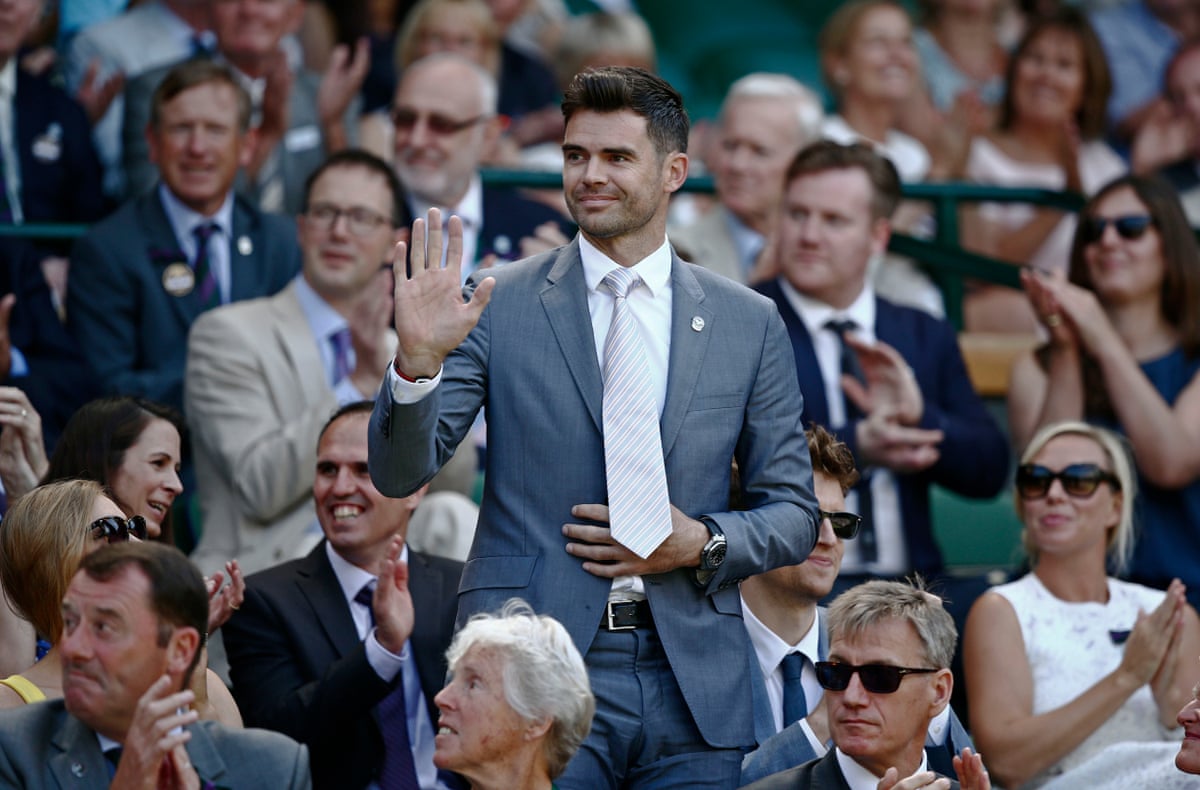
Anderson was featured on the cover of the launch issue of Wisden Cricketer magazine, positioned as the future of English cricket despite his rocky start. In interviews at that time, his characteristic style was already evident: laconic, terse, and marked by an exaggerated languor. England's former bowling coach Bob Cottam assessed his technique and noted areas for development.
"He needs to perfect an in-swinger with the new ball," Cottam said, while adding that "with experience, Jimmy can become a world-class bowler, the attributes are all there."
Even then, Anderson recognised his greatest strength as being able to come back stronger—a quality he would need to draw upon repeatedly as his form and selection remained inconsistent through the following years.
What happened during his Lancashire years?
Anderson's tenure at Lancashire spanned 25 years and produced remarkable statistics. According to NewsBreak, he took 443 first-class wickets in 112 matches for the county, along with 83 List A wickets in 61 matches and 50 T20 wickets in 40 appearances. In 2026, despite a recurring calf injury, he claimed 50 Championship wickets at an average of 17.68 and was named Lancashire's Championship player of the year.
His final years at the club coincided with significant institutional change. Lancashire endured a difficult 2026, finishing second-bottom in County Championship Division Two with membership unrest affecting the organisation. The decision not to renew Anderson's contract followed the arrival of new chief executive Richard Kenyon and director of cricket Paul Farbrace, who have outlined plans to rebuild the club for promotion and future success.
Anderson's departure marked the end of an era for Lancashire, though his impact on the club's history remains substantial. The manner of his exit, however, left him with regrets about how the relationship concluded after more than two decades of service.
What comes next for Anderson?
Anderson's immediate future involves the Italia T10 League, a six-team competition founded by Nadeem Shahid and Aamir Akhtar. Reuters reported that the league features teams representing Bologna, Florence, Milan, Naples, Rome and Venice, with the competition scheduled to run at the Roma Cricket Ground from 18 November to 29 November 2026.
Whether Anderson will seek a county contract for 2027 or pursue other opportunities remains undecided. His willingness to lead a franchise in a format he had not played competitively for a decade—he had no short-format cricket experience when he put himself up for auction in the Indian Premier League at age 42—demonstrates his continued appetite for new challenges.
Anderson's career trajectory has consistently defied expectations. Few observers in 2003 could have predicted that the young seamer with the designer T-shirt and inconsistent performances would become one of cricket's all-time greats. His legacy encompasses not just his statistics but his refusal to accept limitations, his capacity to reinvent himself, and his obsessive commitment to improvement. Whether Italy represents his final chapter or merely another act in an extended farewell remains to be seen, but his stubborn determination suggests the story is far from over.