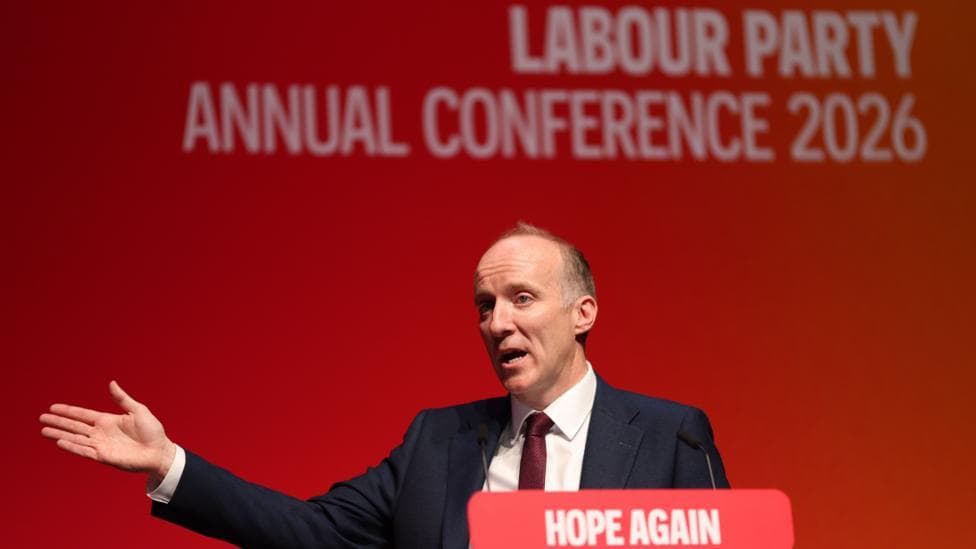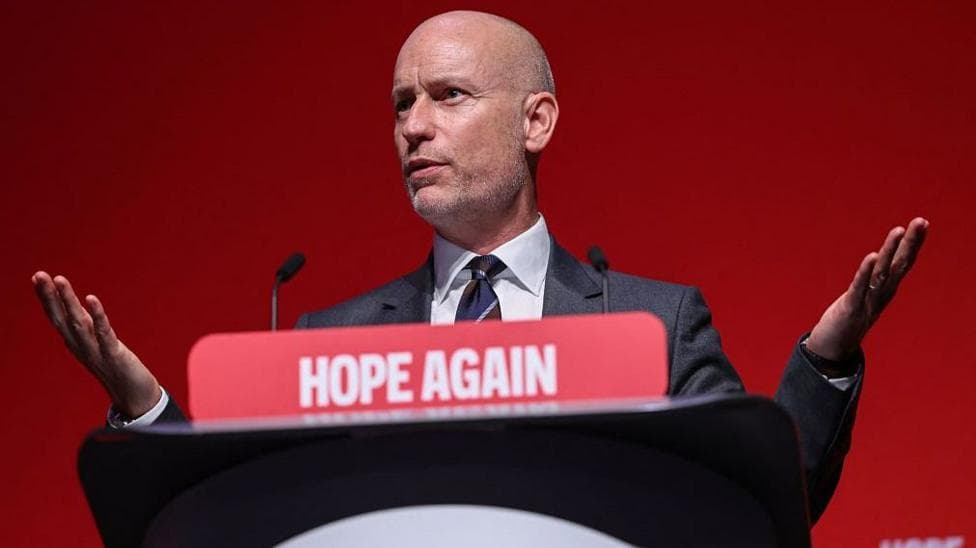
Stephen Kinnock, the Welsh Secretary, has criticised the Plaid Cymru-led Welsh government for delaying investment and urged closer cooperation with UK ministers. Speaking at Labour's autumn conference in Liverpool on 27 September 2026, Kinnock alleged that Plaid Cymru was obstructing agreements that would bring jobs and economic security to Wales.
Kinnock called for Plaid Cymru to collaborate with the UK government, noting that comparable deals were already progressing in England. He emphasised that working together would strengthen outcomes for Welsh communities and the broader UK economy.
Liz Saville Roberts, Plaid Cymru's group leader at Westminster, rejected the criticism. She suggested Kinnock should examine why voters chose to support Plaid Cymru after 27 years of Welsh Labour governance, rather than making what she characterised as personal attacks on the party.
The Welsh government has been approached for a response to the Welsh Secretary's remarks.
What specific investments is Kinnock targeting?
Kinnock outlined several areas where he believes Plaid Cymru is impeding progress. He called on the Welsh government to accelerate energy infrastructure approvals through the planning system, expedite broadband upgrades affecting thousands of households, and honour commitments related to a £50m defence growth deal.
He also pressed Plaid Cymru to distribute funding that the UK Labour government has allocated to address additional learning needs in schools, accusing the Welsh government of delaying the disbursement. According to earlier reporting, the two parties had been negotiating over the scale and timing of additional learning needs funding, with Labour previously seeking £100m to be spent immediately and Plaid Cymru proposing a £120m package spread over three years.
Kinnock also highlighted a major nuclear project in Ynys Môn as an example of UK government investment potential. According to Nation.Cymru, the project could attract more than £2.5bn of UK government backing and support a supply chain across north Wales.
What is Kinnock's message on devolution?
The Welsh Secretary warned that Wales risked becoming the most centralised nation in the UK if it did not pursue similar devolution arrangements to those being rolled out in England. He highlighted that English regions were receiving expanded powers for regional mayors and local councils, and argued that Welsh people deserved equivalent levels of control over decisions affecting their communities.

Kinnock's devolution message aligns with broader Labour positioning at the conference. According to , Welsh Labour leader Ken Skates is using the Liverpool conference to call for a "new phase of devolution" in Wales, with power shifted from Cardiff to local communities. This suggests Labour is also advocating for constitutional change, not merely criticising Plaid Cymru's approach.
What are Kinnock's concerns about police devolution?
When asked about devolving policing powers to Wales, Kinnock expressed caution. He said the UK government would give careful consideration to any Welsh government proposals for transferring police powers, but suggested that such a move could undermine cross-border cooperation between English and Welsh forces.
The question is, will it reduce crime? Will it make the Welsh people safer and more secure?
Kinnock pointed to integrated operations between police forces tackling county lines drug trafficking, where forces in North West England and Avon and Somerset work closely with Welsh counterparts. He argued that devolution of policing could jeopardise this cooperation and ultimately harm public safety.
How has Plaid Cymru responded?
Saville Roberts defended the Welsh government's record and stated it was focused on delivery and a positive vision for Wales. She acknowledged that Labour could continue to attack the choices voters made in May 2026, but argued this approach would not rebuild public trust in the party.
The challenge for Labour is to understand why so many people wanted change. The challenge for Plaid Cymru is to deliver it, and that is exactly what we are focused on doing.
Saville Roberts' response suggests Plaid Cymru intends to frame the dispute as a matter of implementing the mandate voters gave them, rather than engaging in detailed rebuttals of Kinnock's specific investment claims.
What is the broader context for this dispute?
Kinnock was appointed Welsh Secretary in July 2026, a recent ministerial change that has brought fresh momentum to UK Labour's engagement with Welsh governance. The dispute over investment and devolution reflects deeper tensions between the UK government and the Plaid Cymru-led Welsh administration over how powers and resources should be distributed.
Both Welsh Labour and Plaid Cymru have previously pushed for devolving policing powers and Crown Estate profits, indicating that constitutional questions extend beyond the current row. Additionally, the Cardiff Capital Region has recently gained access to the UK's £27.8bn National Wealth Fund, according to Nation.Cymru, providing a concrete investment mechanism that could support economic development across Wales.
What happens next?
The Labour Party conference continues in Liverpool from 27 to 30 September 2026, with further speeches on Welsh devolution and investment expected during the event. Ken Skates is scheduled to address delegates as part of the conference agenda, likely expanding on Labour's devolution proposals.
A summit involving the first ministers of Wales, Scotland and Northern Ireland is expected in October 2026, where devolved powers and constitutional arrangements may be discussed further. The outcome of these discussions could shape the trajectory of UK-Wales relations and determine whether investment disputes are resolved through negotiation or remain a source of political friction.