Prime Minister Andy Burnham has declined to publicly declare his position on a third runway at Heathrow, stating instead that the decision should rest with London residents. His cautious stance comes as the airport revealed that the expansion project faces substantial delays, with operations now potentially pushed back to 2039—roughly four years beyond the original target.
Speaking on Sunday With Laura Kuenssberg, Burnham emphasised the need for local consultation before any commitment.
I think principally, it's a matter for London and Londoners.He continued:
I think we ought to hear the voice of people there first. It's not right for me to just jump straight in on the back of the consultation.
This measured approach marks a shift from Burnham's earlier opposition to the scheme. During his tenure as Mayor of Greater Manchester, he had resisted the project over fears that it would divert investment away from transport infrastructure in the north. Upon entering his current role, he indicated he would adopt an
open-mindedstance on the proposal.
Why has the timeline slipped?
According to , Heathrow acknowledged on Saturday that the original 2035 opening date has become unrealistic. The airport now targets securing planning permission by 2029, with the runway becoming operational within a decade thereafter. The Department for Transport acknowledged that the timeline had
always been ambitiousand pledged to work with stakeholders
at paceon the matter.
Former Chancellor Rachel Reeves had championed the runway as a driver of economic growth, but the revised schedule represents a significant setback to those ambitions. The Department for Transport confirmed there is currently no live planning application for the third runway and declined to comment on the ongoing consultation process.
What are the project's scale and scope?
The expansion carries an estimated cost of £33 billion and would fundamentally reshape the airport's infrastructure. Heathrow's expansion would require realigning a section of the M25 and building a new 2.1-mile northwest runway. The scheme would necessitate demolishing hundreds of homes, diverting rivers, and rerouting a section of the M25 motorway through a tunnel.

Despite these disruptions, proponents argue the benefits are substantial. The project is estimated to create 100,000 jobs and deliver a major economic boost to the United Kingdom. Flight capacity from the site would increase from the current cap of 480,000 annually to 720,000, equivalent to nearly 2,000 flights per day on average.
Who supports and opposes the expansion?
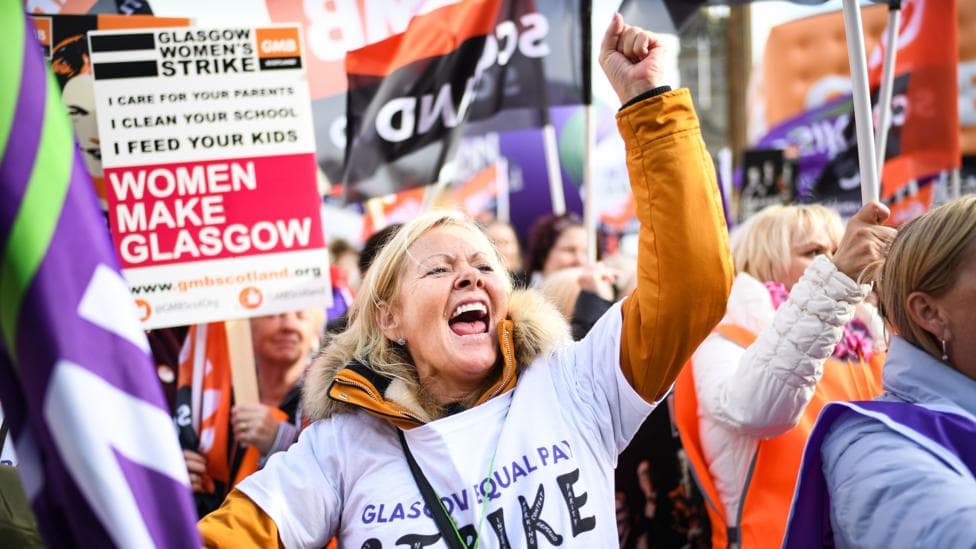
The proposal has attracted backing from major trade unions. Sharon Graham, general secretary of Unite, stated:
A third runway at Heathrow is essential and we need to get going with it. This is more than just infrastructure. It's about investing in the workforce, securing the future of good, unionised jobs and a guaranteed market for UK steel.The GMB union has also endorsed the project.
Opposition, however, remains substantial. Environmental campaigners have raised concerns about the scheme's climate implications. A BBC report on climate advice indicated the runway could not be approved without changes to current climate policies. Local resident groups have mobilised against the expansion, and Sadiq Khan, the Mayor of London, has formally opposed it, calling it a threat to environmental targets and transport networks.
Heathrow has responded to concerns about local sentiment by emphasising community support. The airport stated:
We agree with the prime minister that local voices must be heard. We know from consistent polling over the last decade that communities support our plans for expansion and support is only growing over time.
What happens next?
The path forward involves several critical milestones. Heathrow's expansion plans are tied to a draft Airports National Policy Statement, with parliament expected to vote on the final version later in 2026. The airport is targeting planning permission by 2029, with the runway potentially opening within a decade of that approval. Burnham's reluctance to take a definitive public stance suggests the government intends to allow the consultation process to unfold before committing to a position on the controversial scheme.
Key Facts:
- Heathrow's third runway is now projected to open in 2039 at the earliest, four years later than originally planned
- The £33 billion project would increase annual flight capacity from 480,000 to 720,000 flights
- The expansion requires demolishing hundreds of homes and rerouting a section of the M25 motorway
- Parliament is expected to vote on the Airports National Policy Statement later in 2026
- Prime Minister Burnham previously opposed the project as Mayor of Greater Manchester but has adopted a neutral stance since taking office