Wales's prohibition on greyhound racing, the first of its kind in the UK, is encountering serious obstacles over implementation timing that threaten animal welfare, according to rescue organisations. The legislation, which received royal assent in April 2026, established a three-year window for the ban to take effect and created a Welsh government working group comprising racing industry representatives and animal health and welfare organisations to oversee the transition.
The working group's findings have exposed a fundamental disagreement: animal welfare charities advocate for a gradual phase-out to prevent the sudden influx of hundreds of dogs requiring care and rehoming simultaneously, whereas industry figures contend that a phased approach is commercially unviable. The implementation group's report recommends a 12-month wind-down period, yet the Welsh government has stated it cannot enforce such a timeline, leaving the standoff unresolved.
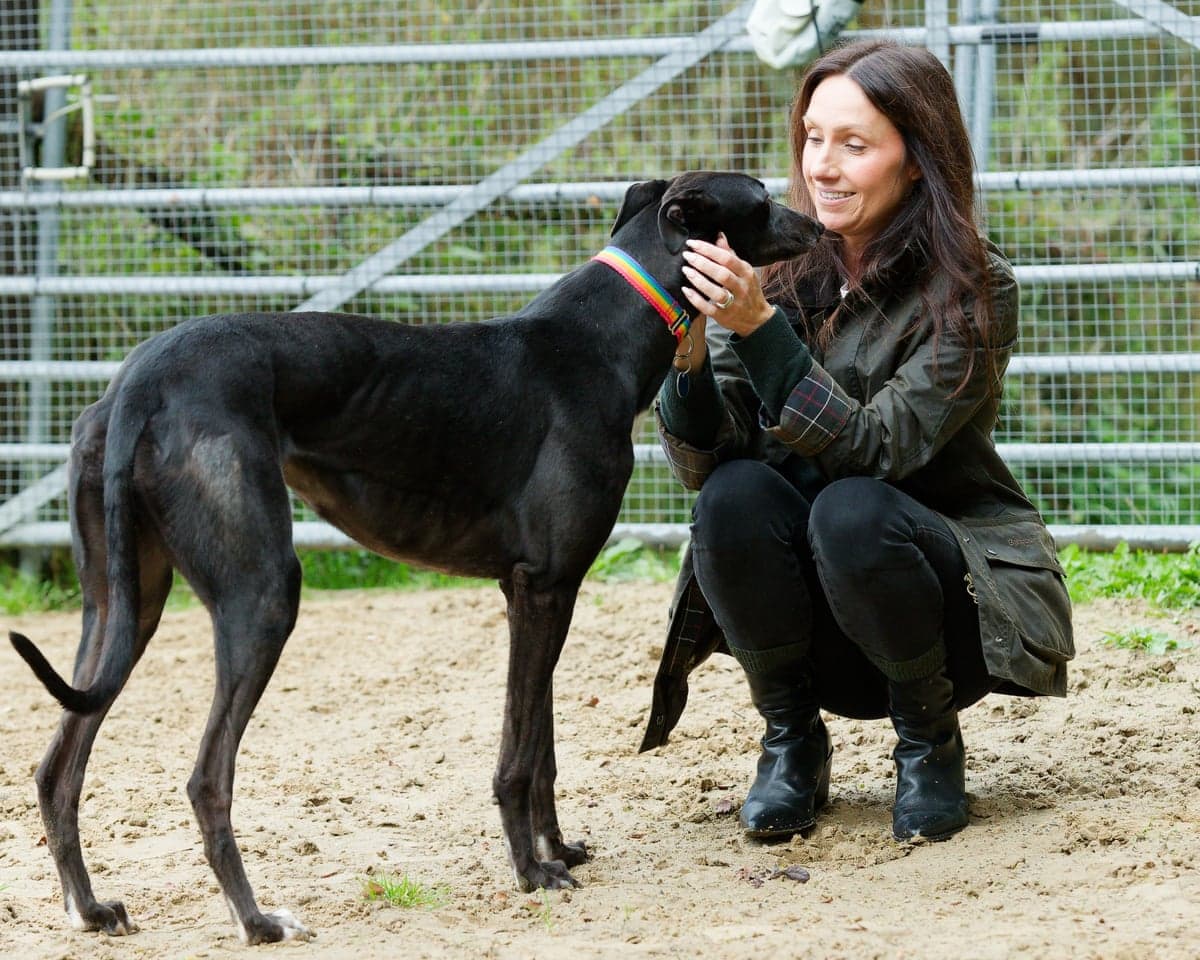
Claire James, chief executive of Greyhound Rescue Wales, expressed the charity's determination to manage the crisis:
If there is a hard stop, we and the other groups working to end greyhound racing will do whatever it takes. Our priority is making sure these animals are happy and healthy but the industry is still trying to maximise its profits.
The charity has called for the ban to commence at the earliest permissible date, arguing that a prolonged delay would be equally damaging. Greyhound Rescue Wales warned that an immediate surge of dogs needing homes would be reckless, highlighting the tension between competing welfare concerns.
What is the current state of greyhound racing in Wales?
Valley Greyhounds Stadium near Caerphilly remains Wales's only greyhound racing venue. Updated stadium information from the implementation group's July meeting indicated approximately 364 active greyhounds and 18 trainers are currently registered at the facility. Paradoxically, greyhound racing activity in Wales has increased since the ban was legislated, as trainers have relocated from closed tracks in Oxford and Swindon to concentrate operations at Valley Greyhounds.
The Welsh government's implementation report estimated that rehoming each dog could cost up to £2,800. Valley Greyhounds Stadium declined to respond to requests for comment regarding the ban's implications for its operations.
Why are animal welfare concerns so acute?
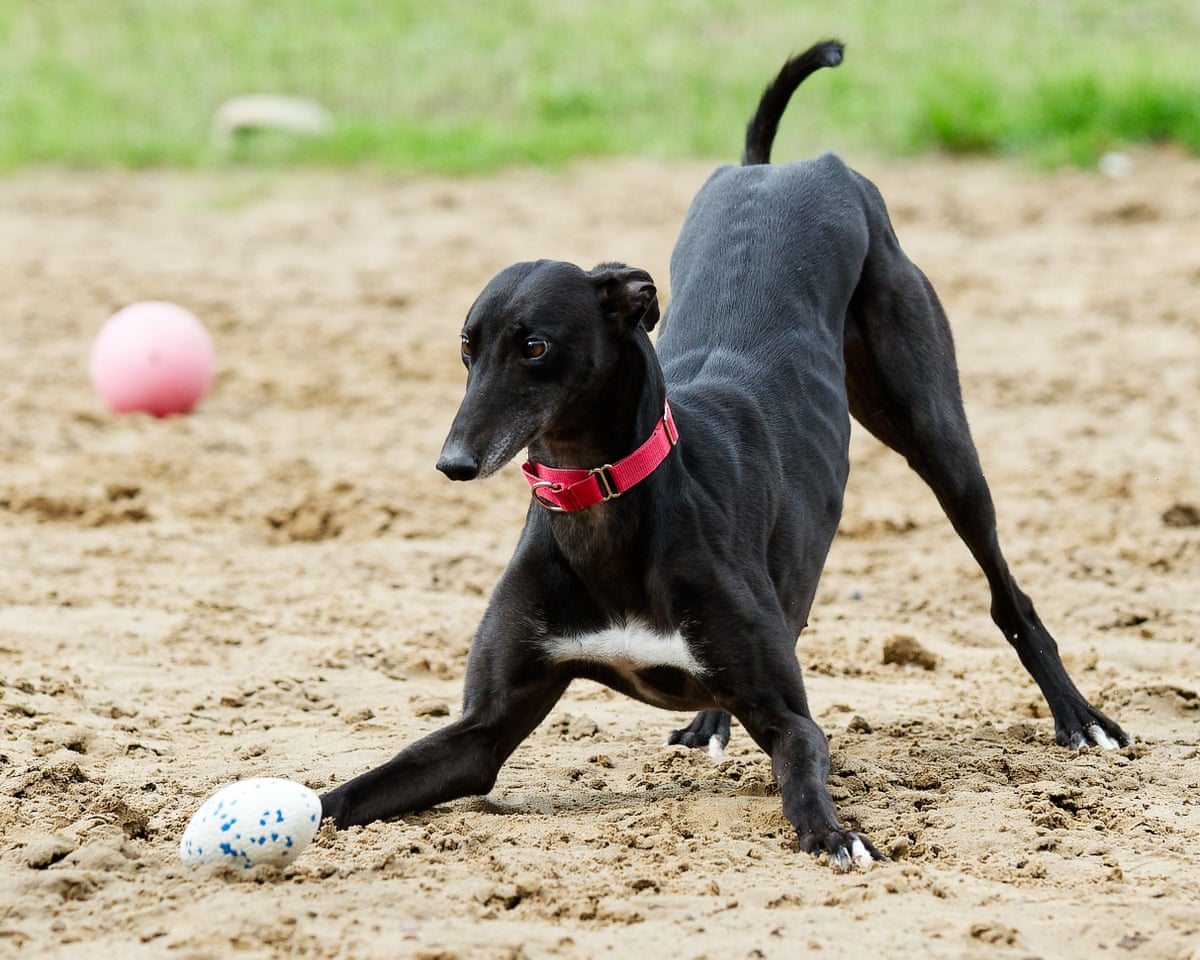
Greyhound racing carries inherent dangers for the animals involved. Data compiled by the Greyhound Board of Great Britain (GBGB) documented 2,700 greyhound deaths and more than 26,500 injuries between 2018 and 2023. Racing careers are exceptionally brief; one calculation determined an average duration of just 14 months.
Nicola Jones, head of rescue and rehoming at Greyhound Rescue Wales's facility in Ammanford in Carmarthenshire, described the condition of arriving dogs:
Most of those relationships are positive, but some animals do arrive with signs of mistreatment, and many need veterinary care for fractured legs and dental disease and socialising and behaviour training after a life in kennels.
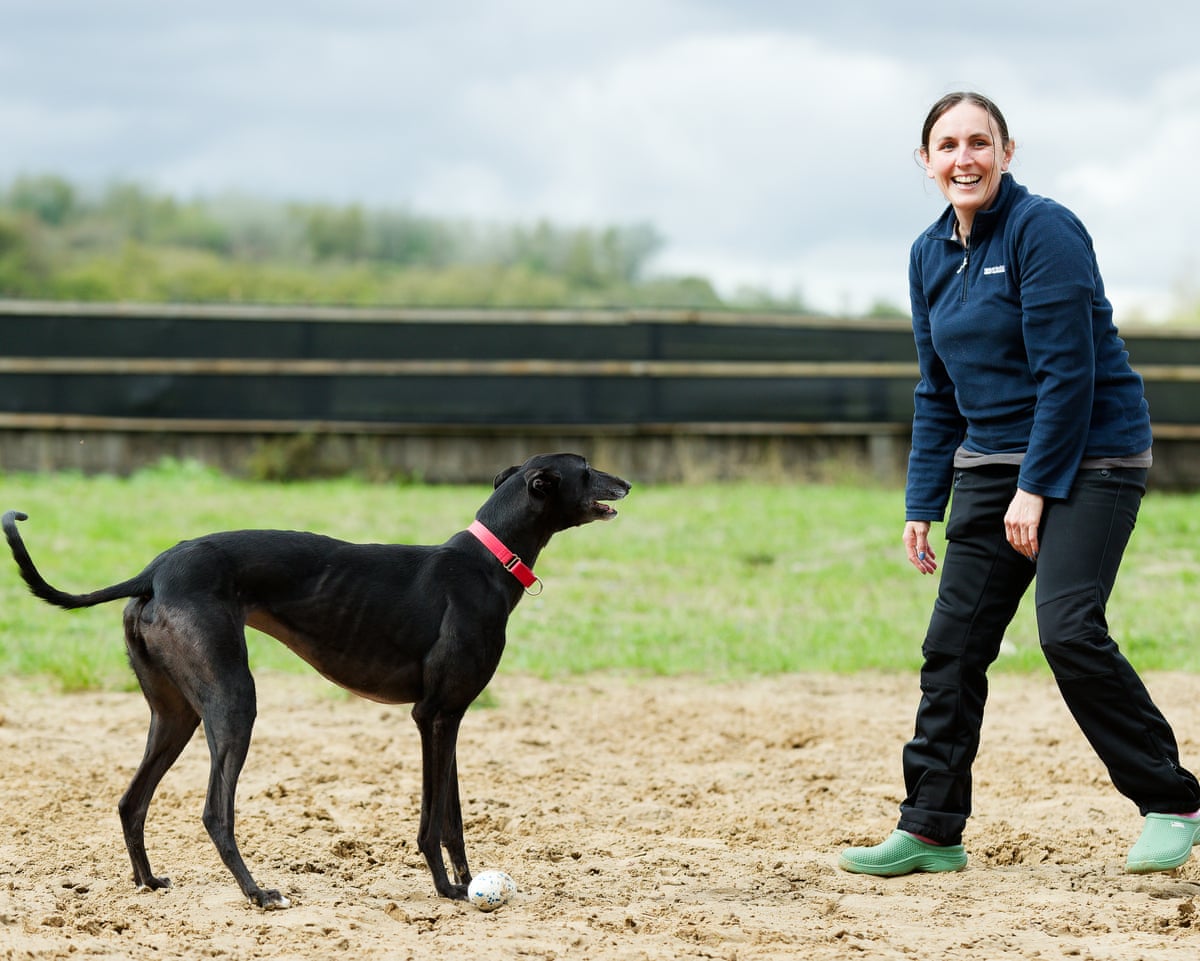
The rescue centre currently receives two or three dogs weekly, typically through volunteer mediators working with trainers. During a recent visit, two dogs named Merlin and Alvin were surrendered, while another named Dolly, who had arrived a week earlier, remained too fearful to leave her kennel.
How did Wales reach this point?
Greyhound racing emerged in the UK a century ago as an accessible working-class entertainment that brought racing to people across all income levels. The industry has experienced prolonged decline, with most remaining tracks now dependent on online betting and streaming revenue rather than physical attendance and ticket sales.
The Senedd's decision to ban racing preceded a similar prohibition in the Scottish parliament by a single day, though the sport was already approaching extinction in Scotland following the closure of the country's final track in 2024. Following both votes, at least a dozen Labour MPs, including members of the all-party parliamentary group on animal welfare, appealed to former prime minister Keir Starmer to implement a comparable ban in England.
Opposition to the Welsh legislation emerged early. Industry representatives argued that licensing greyhound owners would be preferable to an outright racing prohibition because
insufficient evidencehad been compiled to justify an absolute ban. The GBGB initiated a legal challenge asserting the consultation process had been rushed, but the high court rejected the petition.
What are the economic dimensions of the ban?
The implementation group's report acknowledged that the economic consequences of the prohibition remain
yet to be quantified. Valley Greyhound Stadium has reported £15 million in projected streaming contract income across the following five years, representing a significant revenue stream dependent on continued racing operations.
Some observers have suggested the ban resulted from political negotiation, claiming Welsh ministers advanced the legislation as part of a budget arrangement with the Welsh Liberal Democrats, though this remains contested.
Abbie MacGregor, corporate affairs director at GBGB, stated:
It is the people who care for these greyhounds day to day who must now manage the consequences for each dog. GBGB and its industry partners will do that work because the dogs' welfare comes first. The Welsh government must give them the time and certainty to do it properly.
What happens next in the implementation process?
The Act makes it an offence to operate a greyhound racing venue in Wales, with the remaining provisions required to commence between 1 April 2027 and 1 April 2030. Welsh ministers will determine the specific commencement date within this window.
The implementation group agreed its autumn report would include a roadmap setting out practical steps and the proposed sequence of activities leading to the ban. The group also noted that identifying an alternative use for the Valley Greyhounds site and securing necessary permissions could require 12 to 18 months.
A Welsh government spokesperson stated:
This is the first in a series of reports, with further updates to follow as detailed plans continue to be developed. The implementation group will continue to refine its recommendations and provide regular progress updates to ministers.
The government response indicated that the Act does not require a phased reduction and that ministers cannot mandate one, leaving responsible wind-down arrangements to the industry. This position leaves the fundamental disagreement between welfare organisations and racing operators unresolved as implementation planning continues.