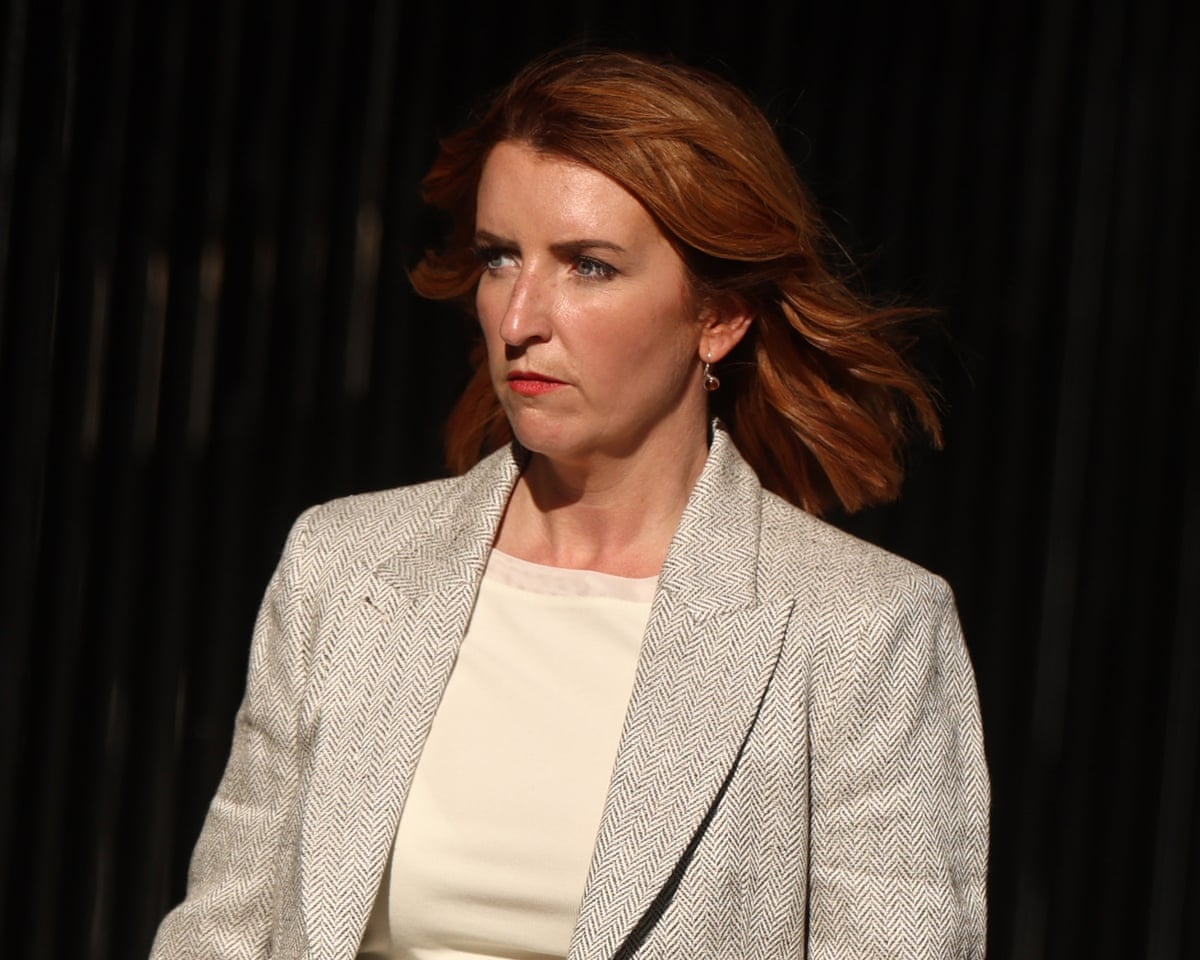
The nature watchdog could be scrapped as part of a broader restructuring of arm's length government bodies, first secretary of state Louise Haigh has indicated. According to The Guardian, Haigh said the proliferation of quangos and similar organisations had made ministerial decision-making more difficult, and that some bodies could be dissolved, devolved to local authorities, or brought back under direct departmental control.
The prospect of abolishing Natural England has been justified on grounds that it could accelerate planning decisions and support housebuilding and economic growth. However, environmental groups are likely to oppose any move that weakens or removes the organisation's regulatory role.
The Conservative Party previously announced plans to abolish both Natural England and the Environment Agency if they returned to power, framing the move as essential to creating more new homes. According to The Star, this proposal encompasses both organisations, not Natural England alone.
Tony Juniper, chair of Natural England, responded to the reports by stating:
"Very proud of all the work we have done during recent years to unite our national ambitions for growth while achieving nature's recovery. It's never been the case that healthy nature is in opposition to economic development, but actually enables it. It's possible to do both."
What is driving the quango review?
Haigh, who serves as de facto deputy prime minister, has argued that successive governments have complained about the proliferation of arm's length bodies while simultaneously creating more of them. Speaking on Sky News, she explained the contradiction:
"We've had successive governments complain about this, but unfortunately, successive governments have created more of these and pushed more decision-making out of their own departments, so that then when they make decisions they don't agree with, they turn around and look in horror."
She added that the government is committed to devolving responsibilities where possible, signalling a fundamental shift in how government operates.
"We're considering all arm's length bodies, both devolving, dissolving, and bringing back into departments, because we cannot continue with this situation where politicians look round and can't take responsibility for the actions that people have elected their government for."
According to AOL, some arm's length bodies' responsibilities could be transferred to mayors and strategic authorities, while others could return to ministers or be dissolved entirely. This three-way approach suggests the government is not simply seeking to eliminate all such organisations, but rather to reconfigure how they operate.
What would abolishing Natural England mean?
Removing Natural England would represent a significant change to environmental regulation in England. However, Sam Richards, chief executive of Britain Remade, has cautioned that abolishing the organisation would achieve little unless the rules it enforces, including the Habitats Regulations, were also reformed. This suggests that simply dissolving the body without changing the underlying regulatory framework could leave many of the same constraints in place.
The move would likely intensify debate over the balance between environmental protection and economic development. Environmental groups have expressed concern that weakening Natural England's authority could lead to reduced scrutiny of development projects and weaker protections for wildlife habitats.
What is Haigh's broader agenda?
Haigh was scheduled to address the Confederation of British Industry conference on 23 November 2026, where she planned to make the case for greater government control of public utilities. In advance extracts of her speech, she stated she would
"put pragmatism and public interest ahead of failed political ideology", adding that
"Public control is not anti-business – it's about getting the foundations right, so that private enterprise can do what it does best."
She highlighted that almost no other developed nation allows so many essential services to be run by private companies, often foreign-owned ones.
"The status quo is not the neutral, pragmatic centre ground. It's the outlier. An exception that no other nation is trying to emulate."
The quango review appears to be part of a wider government strategy to reassert state control over key areas of policy and decision-making. This reflects earlier government moves, including plans to shift government contract rules away from green targets and toward job creation, which prompted criticism from environmental groups concerned about the removal of sustainability requirements.
Key Facts
- Natural England could be abolished as part of a broader restructuring of arm's length government bodies, according to first secretary of state Louise Haigh.
- The Conservative Party has previously proposed abolishing both Natural England and the Environment Agency to accelerate housebuilding.
- Haigh indicated that some arm's length bodies could be devolved to local authorities, brought under direct ministerial control, or dissolved entirely.
- Sam Richards of Britain Remade warned that abolishing Natural England would be ineffective unless underlying regulatory frameworks, including the Habitats Regulations, were also reformed.
- Haigh is due to address the Confederation of British Industry conference on 23 November 2026, where she will outline her vision for greater government control of public utilities.