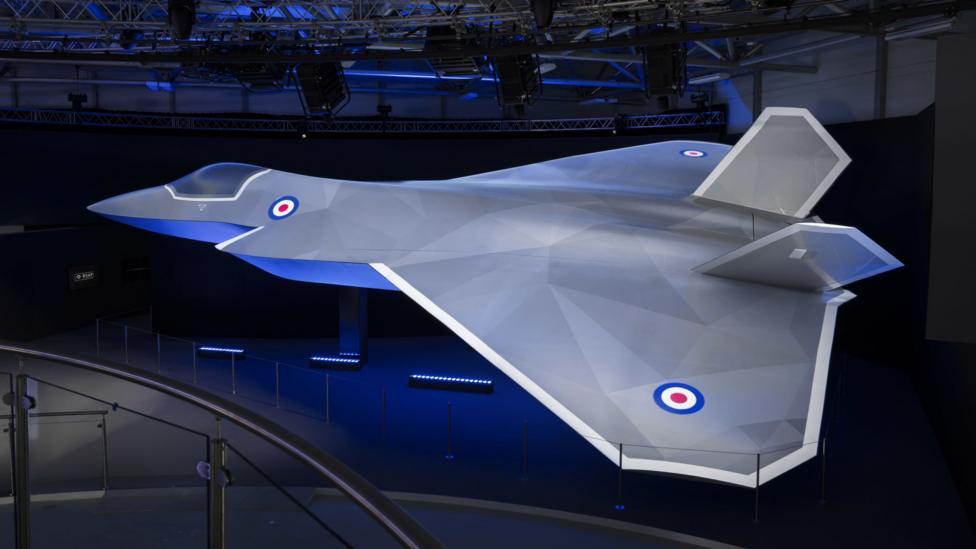
Britain's next-generation fighter jet could represent the final crewed combat aircraft the UK ever constructs, according to the head of the Royal Air Force.
Air Chief Marshal Sir Harv Smyth stated that artificial intelligence-enabled, uncrewed aircraft would fundamentally "transform military aviation." According to BBC News, his remarks centre on the Global Combat Air Programme (GCAP), a collaborative effort between the UK, Italy and Japan to develop a sixth-generation fighter jet anticipated to enter operational service by 2035.
The aircraft, widely referred to as Tempest, is designed to deliver superior speed and stealth capabilities while incorporating advanced sensors and AI systems to support the human pilot during periods of high workload or extreme stress. Sir Harv wrote in the Telegraph that the GCAP aircraft represented "perhaps the last crewed fighter we will ever build", not because human operators would become less vital, but because technological advances were fundamentally reshaping the character of aerial warfare.
How will AI change the role of pilots?
Rather than diminishing human importance, AI and autonomous systems would assume "the most dangerous tasks instead of humans", Sir Harv explained. He emphasised that technology should strengthen human decision-making and "not replace accountability". The air chief added: "Uncrewed fighter jets will start flying in UK airspace next year. This is exciting and necessary in equal measure."
Sir Harv compared the transformative potential of AI-enabled uncrewed aircraft to the historical shift from propeller-driven to jet-powered aviation. The RAF of the future, he indicated, would operate as an integrated force combining existing Typhoon and F-35 aircraft with newly developed autonomous systems.
What is the current status of the Tempest programme?
The three-nation partnership was formally announced in 2022 and has since progressed through multiple development phases. In July 2026, the UK, Italy and Japan signed a £4.6 billion contract covering the next stage of design work through the industry joint venture Edgewing. The UK has committed more than £5 billion in public funding to its combat-air programme, with approximately £800 million contributed by industry partners, according to Aerospace Testing International.
The UK's Combat Air Demonstrator is currently in final assembly in Lancashire, with approximately 90% of its weight represented by 11,500 designed and released components. The project already supports 3,500 jobs and 1,000 apprenticeships across the UK, according to government figures.
The GCAP aircraft will be powered by advanced data processing and artificial intelligence systems while incorporating enhanced stealth technology. Canada was granted "observer nation" status in July, providing it privileged access to the programme without decision-making authority.
Which countries are involved in the partnership?
The original three-nation consortium of the UK, Italy and Japan continues to lead the initiative. In October 2026, Prime Minister Andy Burnham stated the UK government would "seek to progress" Germany's participation in GCAP. Burnham suggested the expanded partnership could facilitate cooperation on broader security challenges including "countering hybrid attacks" and "countering interference in our democratic processes".
The UK's involvement in combat-air development extends back further than the current GCAP partnership. Team Tempest was established under the 2018 Combat Air Strategy, laying the groundwork for the subsequent three-country collaboration.
What are the next milestones for the programme?
The demonstrator's first flight is scheduled before the end of 2027, with capability testing anticipated to commence in early 2028, according to Aerospace Testing International. The current detailed-design contract extends through 31 December 2027, with the programme's concept-and-assessment stage also scheduled to conclude in December 2027.
The development of Tempest occurs against a backdrop of broader UK defence modernisation efforts. Earlier concerns about UK defence preparedness have prompted discussions about increased spending requirements, while defence procurement decisions continue to shape the industrial landscape supporting these ambitious programmes.
Key Facts
- The Tempest fighter jet is expected to enter service by 2035 as part of the Global Combat Air Programme involving the UK, Italy and Japan
- Air Chief Marshal Sir Harv Smyth described it as potentially the last crewed combat aircraft the UK will build, with AI-enabled uncrewed systems taking over future roles
- The three nations signed a £4.6 billion contract in July 2026 for the next design phase, with the UK contributing over £5 billion in public funding
- The Combat Air Demonstrator is in final assembly in Lancashire, with first flight planned before the end of 2027
- The project currently supports 3,500 jobs and 1,000 apprenticeships across the UK