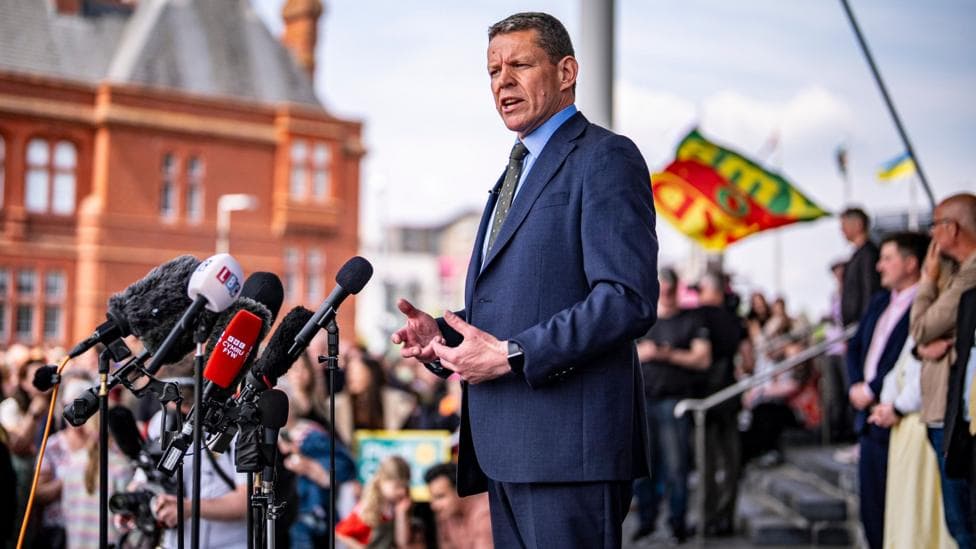
Rhun ap Iorwerth, who became first minister after Plaid Cymru's historic election victory in May, has written to Prime Minister Andy Burnham requesting a significant transfer of powers to Wales ahead of his first party conference speech in the role. The letter, sent on Thursday and obtained by a national broadcaster, outlines detailed demands for devolved control over policing, justice, rail infrastructure and the Crown Estate, alongside fairer funding arrangements that reflect Wales' demographic and economic circumstances.
Burnham has previously indicated he would "give a fair hearing" to proposals from the Welsh first minister, and the two are expected to meet at the end of the month alongside the first ministers of Scotland and Northern Ireland. Ap Iorwerth will address party members in Llandudno on Friday, five months after Plaid Cymru ended Labour's 27-year grip on Welsh government following devolution's establishment in 1999.
The party's success marked a watershed moment in Welsh politics, yet the administration operates without a parliamentary majority. Plaid holds 36 of the 96 Senedd seats, making it dependent on opposition support to pass legislation and budgets. This vulnerability became starkly apparent in July when the government suffered a historic defeat—the first time a Welsh government had lost a vote on a supplementary budget, which was rejected by 49 votes to 44. That budget contained £300m for initiatives including reducing NHS waiting times and expanding childcare provision.
In response to the July setback, ap Iorwerth announced on 2 September that discussions with opposition parties had begun to prevent another defeat over the Welsh government's budget, describing the July process as "a masterclass in how not to achieve things as a minority government". The upcoming annual budget discussions early next year will represent a critical test of whether the minority administration can secure cross-party backing.
What powers is ap Iorwerth requesting?
In his 2,000-word letter to Burnham, ap Iorwerth makes a comprehensive case for transferring control of policing and justice, rail infrastructure, and the Crown Estate to Welsh authorities. He emphasises that Wales should enjoy "the same constitutional and fiscal tools already available in Scotland", reflecting frustration that devolution has not progressed as far north of the border.
The first minister's demands extend beyond specific policy areas. He calls for "funding arrangements that are fair, needs-based and reflect Wales' demographic and economic realities", and argues that "Wales' constitutional settlement should continue to evolve to improve democratic accountability, boost growth, strengthen public services and deliver better outcomes for our communities". Burnham has previously indicated openness to devolving policing control to the Welsh government.
What mandate does ap Iorwerth claim for these demands?
In his conference speech, ap Iorwerth will argue that the May election "delivered a clear mandate from the people of Wales for positive change that makes a tangible difference to their lives". He will contend that this mandate encompasses extending devolution to equip the Senedd and Welsh government with "the necessary tools—powers, funding and financial flexibilities—to drive the maximum improvement in outcomes for the people of Wales by integrating and improving public services and growing the economy".
This framing attempts to position demands for greater autonomy as a direct expression of electoral will rather than a partisan ambition, though critics might note that Plaid Cymru's election victory, while significant, did not produce a parliamentary majority.
How do these demands fit into a broader nationalist agenda?
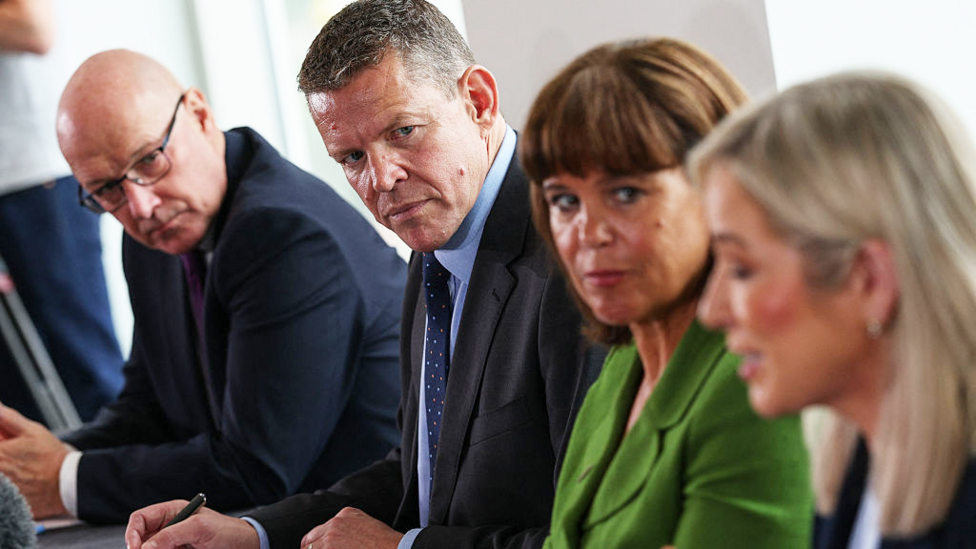
Ap Iorwerth's push for enhanced devolution follows a high-profile meeting in Cardiff last month with the nationalist first ministers of Scotland and Northern Ireland. The three leaders jointly declared that "Westminster's time is coming to an end", signalling alignment on constitutional questions across the Celtic nations. The Plaid Cymru conference, running on Friday and Saturday, will feature a keynote speech from SNP deputy first minister Jenny Gilruth, reinforcing these cross-party nationalist connections.
The timing of ap Iorwerth's letter and conference speech reflects a strategy to build momentum for constitutional change while the party's electoral mandate remains fresh. However, the minority government's legislative difficulties underscore the practical constraints on pursuing an ambitious agenda without broader parliamentary support.
What happens next?
The Welsh government's annual budget is due to be discussed early next year, representing a crucial test of whether the minority administration can secure backing from other parties on major fiscal matters. Ap Iorwerth's efforts to engage opposition members before that process will determine whether the government can avoid repeating July's embarrassment. His meeting with Burnham and the other UK nations' first ministers at the end of the month will signal whether Westminster is receptive to the devolution demands outlined in his letter.
Key Facts
- Plaid Cymru won the May 2024 Senedd election, ending Labour's 27-year tenure in Welsh government, but holds only 36 of 96 seats
- The Welsh government lost a supplementary budget vote in July by 49 to 44, a historic first for a Welsh administration
- Ap Iorwerth is requesting devolved powers over policing, justice, rail and the Crown Estate, plus fairer funding arrangements
- The first minister will meet Prime Minister Burnham at the end of the month alongside the first ministers of Scotland and Northern Ireland
- The annual budget discussions early next year will be a critical test of the minority government's ability to secure cross-party support