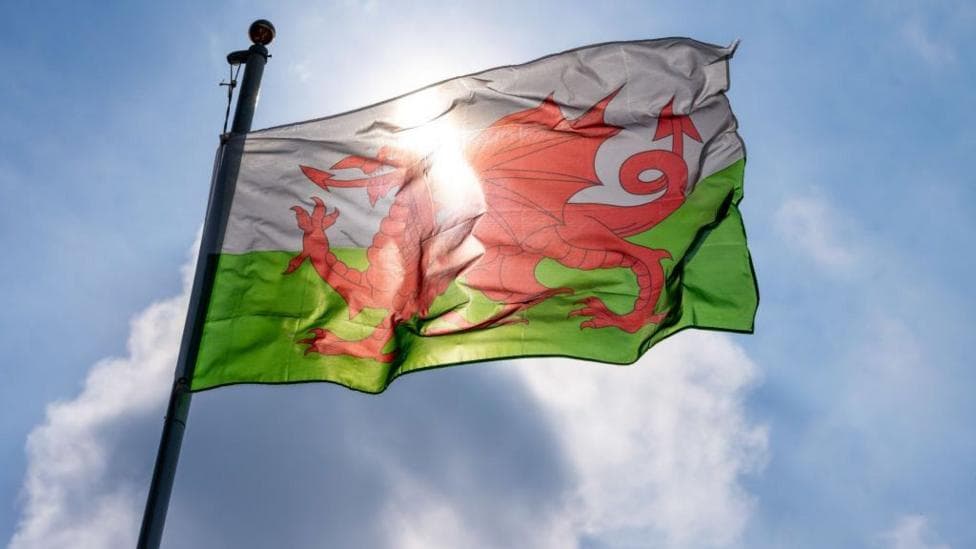
Could Westminster devolve additional powers to Wales, and if so, should those powers flow to the Welsh government in Cardiff Bay or directly to local councils? That question is now at the centre of a growing debate about the future shape of governance across the UK.
Anthony Hunt, leader of the Welsh Local Government Association (WLGA), has warned that Wales' 22 local authorities must not be overlooked as the UK government considers expanding devolution. Hunt, who also leads the Labour administration on Torfaen council, stressed that meaningful involvement from councils would prove "essential" to driving economic growth across the nation.
His intervention follows Prime Minister Andy Burnham's commitment to devolve greater authority to English regions—a move that has prompted Welsh local government figures to question whether similar opportunities will be extended to Wales' own communities.
Why councils fear being sidelined
Hunt highlighted a historical pattern in which devolution discussions have focused almost exclusively on transferring powers to the Welsh government rather than to Wales' regions and local authorities.
"I would not want the prime minister to circumvent the Welsh government, but devolution to Wales should not just be about Welsh government,"he said, emphasising that Wales functions as a collection of distinct regions with their own economic and social needs.
The WLGA leader argued that decisions affecting communities should be made as close as possible to the point of service delivery.
"I have always been emphatic that Wales is a nation of regions and there is a huge opportunity if all three levels of government [UK ministers, Welsh ministers and councils] can discuss how best to devolve power to communities,"Hunt explained.
Hunt expressed concern about being left behind compared to local authorities across the English border, particularly as councils brace for challenging financial settlements in the coming months.
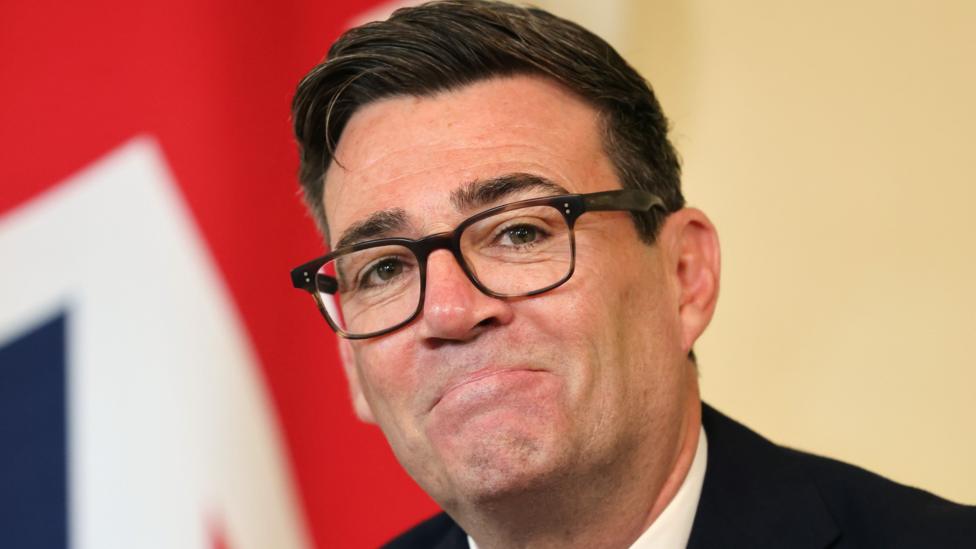
What is Burnham proposing?
Burnham has already signalled his openness to deeper devolution in Wales, including greater powers for cities and regions. According to reports on the prime minister's position, Burnham stated that requests for further devolution would receive a "fair hearing" from the UK government. He has also made clear that
"the UK government should not tell the Welsh government how to run services,"signalling respect for the Welsh government's devolved responsibilities.

A Labour source indicated that deeper devolution in Wales could involve granting powers directly to local councils rather than concentrating all new authority at the Welsh government level. Additionally, Burnham has indicated he is "open to the conversation" about giving Wales control over policing, a significant devolved function currently managed by the Welsh government.
One earlier proposal to grant councils more control over research and development funding drew criticism from the Welsh government, which has been led by Plaid Cymru since the May Senedd election. The Welsh administration expressed concern that such moves could bypass Cardiff Bay on matters within its devolved remit.
What role do Wales' regional structures play?
Wales' governance landscape includes four Corporate Joint Committees, established in 2021, which handle strategic planning, transport planning and economic wellbeing across the nation's regions. These bodies could potentially serve as vehicles for distributing devolved powers if the UK and Welsh governments agree to channel authority through them.
Hunt said there "was a conversation to be had" about devolving more economic development and growth responsibilities to councils, positioning local authorities as key players in Wales' economic future.
What financial pressures do councils face?
Wales' 22 councils are preparing for a tight budget settlement when the Welsh government announces its annual spending plans later in autumn. This financial squeeze could force difficult choices between service cuts and council tax increases for residents.
Complicating matters further, a separate package of additional spending failed to pass the Senedd in July due to disagreement over funding for pupils with additional learning needs. That spending package remains unapproved, adding uncertainty to councils' financial planning.
What happens next?
Burnham has announced plans to convene a National Economic Council meeting in October bringing together leaders from Wales, Scotland and Northern Ireland to discuss devolution and economic issues. At that gathering, Wales' appeals for control over the Crown Estate are expected to receive a "fair hearing", potentially opening the door to new revenue streams for the nation.
The timing of that October meeting will be critical, as it precedes the Welsh government's autumn spending announcement and offers an opportunity for the UK government, Welsh ministers and local authority leaders to align on how devolution might be structured to benefit communities across Wales.