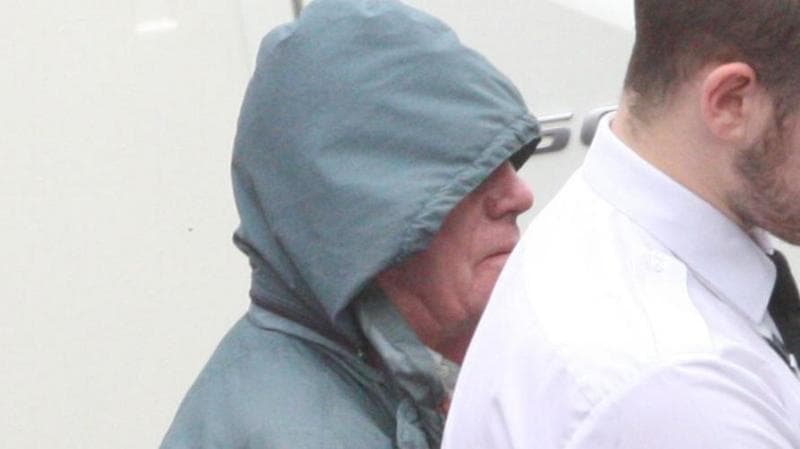
A wealthy businessman who subjected vulnerable women to violent abuse at his remote Caithness property has failed to overturn a worldwide travel restriction imposed by Scottish courts. The Sheriff Appeal Court in Edinburgh rejected his challenge to the five-year ban on all grounds, upholding what remains a landmark decision in UK legal history.
In February 2025, a civil court found that Kevin Booth had systematically recruited women from across the UK and internationally, then subjected them to severe beatings within his Highland lodge. Following evidence presented by Police Scotland, Sheriff Neil Wilson imposed the travel ban—the first of its kind to be issued by a Scottish court—under human trafficking and exploitation legislation. Booth subsequently appealed the judgment, but the three-judge panel refused to overturn it.
What were the allegations against Booth?
The court heard harrowing testimony about Booth's conduct toward his victims. He filmed multiple violent assaults, including an 18-minute recording showing a terrified woman attempting to flee but unable to escape. Experts and the court itself characterised the attack as amounting to torture. Sheriff Wilson, in his original judgment, described the evidence as "utterly harrowing" and noted that the video footage combined with supporting documentation revealed "a level of cruelty and depravity which, whilst extreme, one can only hope is rare."
Why did Booth appeal the travel ban?
Booth's legal representatives argued before the Sheriff Appeal Court that Sheriff Wilson had failed to comply with established legal procedure. They contended that the sheriff was required to specify the particular offence Booth posed a risk of committing before imposing such a restriction, and claimed the order was therefore "flawed and unlawful." According to reporting on the appeal decision, the defence team presented these arguments to Sheriff Principal Gillian Wade KC, Sheriff Principal Andrew Miller and appeal sheriff Iain Fleming.

How did the court respond to the appeal?
In a written judgment delivered on Tuesday, the three appeal sheriffs rejected all of Booth's arguments. According to the court's decision, the appeal judgment specified that findings in fact 10 and 12 provided the required specification of the offence Booth was considered at risk of committing. The court stated it was "satisfied" that Sheriff Wilson had acted correctly in law. Sheriff Principal Miller confirmed the appeal was refused and that the court would adhere to Sheriff Wilson's original order, ensuring the travel ban remains in force.
What was the reasoning behind the original travel ban?
Police Scotland brought the civil action at Wick Sheriff Court, arguing that they could not adequately monitor Booth if he travelled beyond UK borders. The force contended that restricting him to the UK represented the most effective means of minimising the risk he posed to women. This rationale persuaded Sheriff Wilson to grant the ban, which became the first worldwide travel restriction of its kind imposed by a Scottish court.
What other restrictions apply to Booth?
Beyond the five-year international travel ban, Booth faces multiple conditions designed to protect potential victims. He must notify Police Scotland at least 14 days before employing any female worker. Any female visitors to his property must be reported to police in advance, and officers retain the right to conduct unannounced welfare checks. Additionally, Booth cannot sponsor visas for anyone except immediate family members without police authorisation, and he has been required to surrender his passport.
Key Facts
- Kevin Booth recruited women from the UK and abroad and subjected them to violent attacks at his Caithness lodge
- The February 2025 civil court judgment was the first to impose a worldwide travel ban in Scottish legal history
- The Sheriff Appeal Court upheld the five-year ban, rejecting arguments that the original order was procedurally flawed
- Booth must notify police before hiring female employees and cannot sponsor visas without authorisation
- Video evidence presented to the court showed attacks described as torture