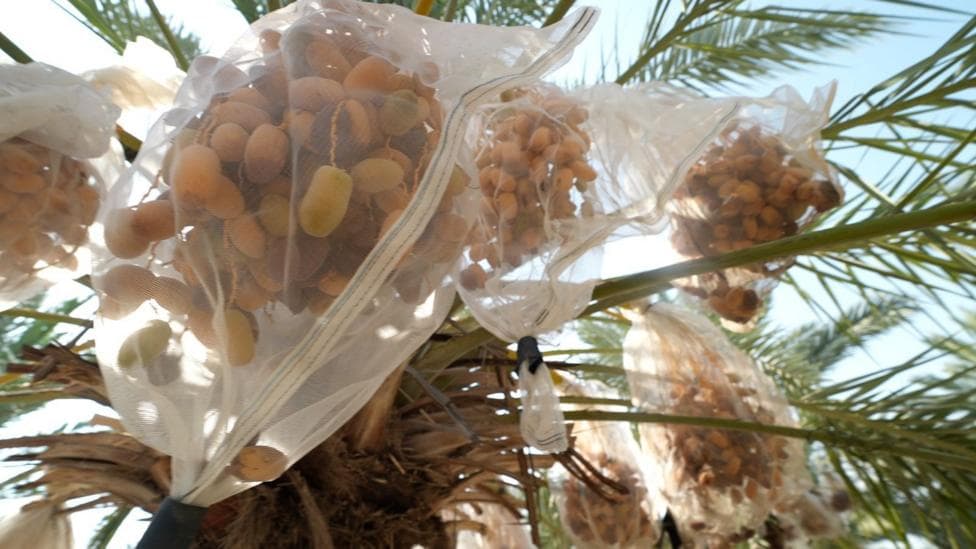
Plump brown and golden-yellow dates hang from the branches of palm trees at Israeli settler farms dotting the Jordan Valley in the occupied West Bank. This season, as Israeli growers prepare for what they expect to be a strong harvest, they are simultaneously bracing for the economic consequences of new Western trade restrictions targeting settlement products, which international law classifies as illegal.
The UK government has announced plans to prohibit imports of goods produced in settlements and intends to restrict companies and individuals providing services that facilitate settlement expansion. According to reporting on the expected announcement, the package will extend beyond agricultural products to cover certain services linked to settlements, including finance and advertising, transforming earlier investment-restriction recommendations into enforceable legal obligations. The UK describes this as part of a
comprehensive resetof its approach to Israel following comparable actions by other European nations.
Canada, Denmark, Finland, France, Iceland, Ireland, Norway, Poland, Portugal, Spain and Sweden have all signalled their intention to introduce national trade restrictions or endorse European-level measures limiting commerce with settlements. The restrictions are being framed partly as a response to the E1 settlement project near Jerusalem, which would further fragment Palestinian territory.
Palestinian communities and their representatives have welcomed such measures, but Israel's president has characterised them as a strategic miscalculation. The move represents a significant escalation in international pressure on settlement activity, which has accelerated dramatically under the current Israeli government.
How are settler farmers responding to the sanctions threat?
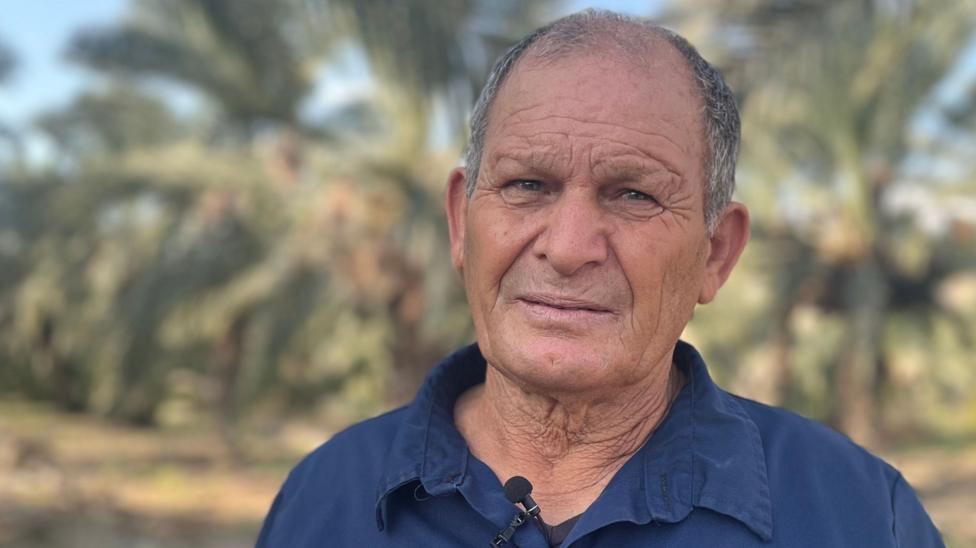
Settler date farmer Avigdor Arbel, operating in the settlement of Mesua, has dismissed boycott efforts as objectionable. Arbel currently exports his produce primarily to European markets, with secondary sales to the United States and increasingly to India. Despite the looming UK restrictions, he expressed confidence that the agricultural sector would adapt.
As soon as we have a situation of pressure and boycotts, we always break out and look for other markets. So, I believe that if we get to a situation in which there's no place to sell my fruits in Europe, we'll find other markets.Arbel, who has resided in the Jordan Valley since the 1970s, maintains that Israel will never relinquish control of the region, viewing it as strategically essential.
What is driving the policy shift in the UK?
British Foreign Secretary Ed Miliband announced the new approach to Parliament, stating that settlement expansion has created conditions
to make the two-state solution unviablewhile
settler terrorism is rampant. Citing Ephraim Sneh, a former Israeli health minister and retired brigadier general, Miliband asserted that the UK government now concurs that
there is ethnic cleansing of Palestinians in areas of the West Bank perpetrated by settler terrorists, to which the Israeli government has either turned a blind eye or actively contributed.
The UK's position has shifted markedly. Miliband stated that the government now aligns with the 2024 International Court of Justice advisory opinion concluding that Israel's continued occupation
is unlawful. This legal assessment, he argued, must inform Britain's economic relationships with the occupied territories.
I do not believe that the British people want us supporting the occupation by accepting products from settlements in our shops and supermarkets.This statement reflects a broader recalibration of UK policy toward Israeli settlements.
The shift builds on earlier UK action. In June 2026, the UK joined Canada, France and Norway in coordinated sanctions targeting networks accused of financing and enabling settler violence, marking the first time the UK government explicitly instructed businesses against economic and financial activity in illegal settlements.
What challenges do Palestinian farmers face?
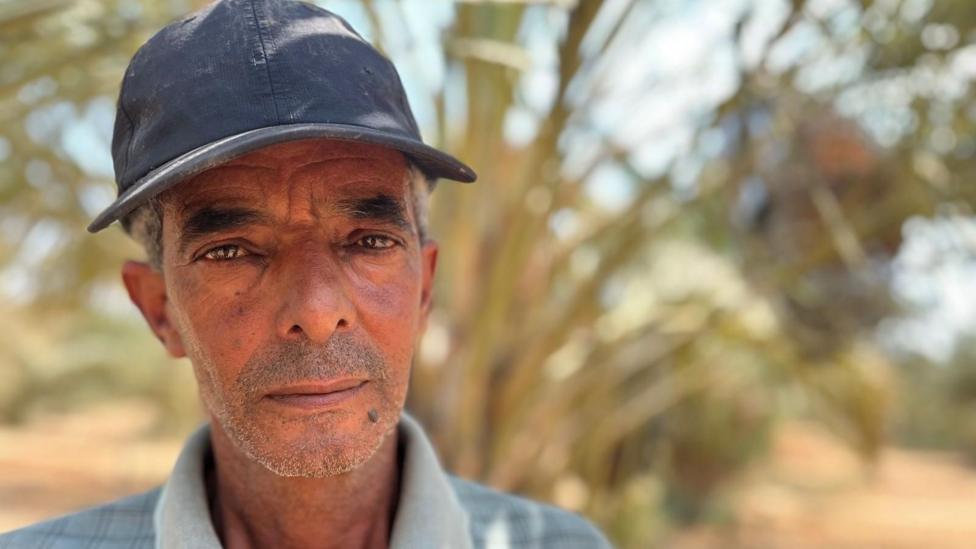
Medjool dates represent the primary export crop from both Israeli settler operations and Palestinian farms throughout the Jordan Valley. Palestinian farmer Abdul Halim Abu Omar, working in al-Ouja north of Jericho, demonstrated the severity of the agricultural crisis by discarding a handful of shrivelled, yellowed dates from his grove. Approximately half of the date palms under his care produced no fruit whatsoever.
It's because we lack water.Abu Omar's situation exemplifies an extreme case: the trees he tends received less than one-third of the water necessary for healthy production this year.
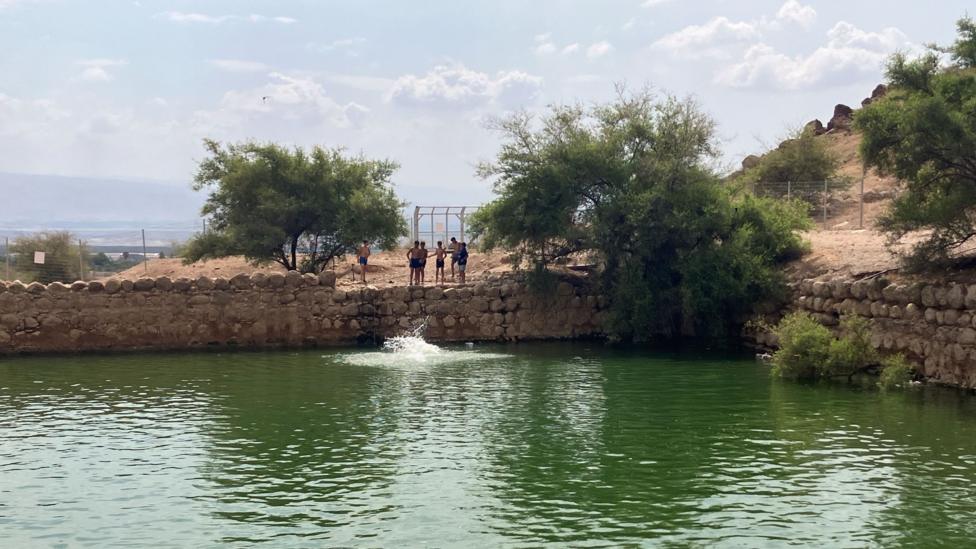
Water access has long constituted a critical challenge in the West Bank. Interim peace agreements from the 1990s established a water distribution disparity between Israelis and Palestinians, with Israeli authorities consistently prioritising water allocation for settlers over Palestinian requirements. In recent months, extremist settlers in rural Jordan Valley areas—nearly all of which fall under Israeli security and civilian control—have seized control of multiple freshwater springs.
The Israeli Civil Administration stated to a national broadcaster that it maintains
continuous contactwith the Palestinian Water Authority and participates in water infrastructure repairs. However, Palestinian communities report that these efforts have proven insufficient to address the systematic water shortage.
This harvest season, Abu Omar possessed few dates meeting the standards required by Momen Sinokrot, a Palestinian exporter. Sinokrot's company, Palestine Gardens, collaborates with 55 date growers across the Jordan Valley to supply multiple European markets, including the UK. The disparity in agricultural output reflects broader structural inequalities affecting Palestinian farmers.

Israeli state support for settlements, combined with their relatively unrestricted access to international markets, places Palestinian farmers at a severe competitive disadvantage. Palestinian enterprises encounter substantially greater restrictions and expenses when exporting across Israeli-controlled borders, limiting their ability to reach profitable markets.
Could sanctions effectively curb settlement expansion?
Sinokrot believes that expanded state-level trade bans targeting settlement commerce could meaningfully constrain settlement growth.
Settlers are very active in the Jordan Valley... and they are not obeying any laws or rules or anything even from the Israeli army itself. They are going to the fields of the growers, they are stealing from them, and they are controlling more and more land.
Enforcement mechanisms have raised questions among policymakers and legal experts. A recent investigation by the legal advocacy organisation Global Echo identified instances of settlement fruits and vegetables sold in Europe being mislabelled as Israeli products or commingled with produce from within Israel's internationally recognised borders. However, Jessica Stober, the report's author, contends that a UK ban on settlement goods would substantially increase the financial consequences of fraudulent practices.
A ban is more self-enforcing because you have involved the private sector and it becomes commercially unviable for them to deal in settlement goods. I would also say that a whole new set of measures become available to the UK government under a sanctions regime, under a ban, including civil and criminal penalties that make compliance much more likely.

How has Israel responded to the sanctions announcement?
Israeli President Isaac Herzog characterised the UK's planned action as
gross interferencein Israel's upcoming elections, scheduled for late October.
I believe it will prove to be a grave miscalculation, a decision that will fall on the wrong side of history,he warned.
The Israeli government has threatened retaliation. Israeli Foreign Secretary Gideon Saar stated on an Israeli podcast that
If Britain acts against the State of Israel, the State of Israel will act against Britain.When approached for clarification regarding specific retaliatory measures, Saar declined to elaborate.
Israel has already demonstrated its willingness to take diplomatic action against countries imposing settlement restrictions. The country recently expelled two Dutch diplomats from a US-led centre responsible for coordinating Gaza ceasefire arrangements, following the Netherlands' decision to ban settlement trade.
Other European nations that have already implemented bans on settlement goods or trade restrictions—citing legal obligations—include Ireland, Spain and Belgium. The UK's new measures are expected to intensify tensions in British-Israeli relations considerably.
What is the broader context of settlement expansion?
West Bank settlements have proliferated rapidly under the current Israeli government, whose ministers have publicly stated their objective to
bury the ideaof an independent Palestinian state, a concept central to the long-standing international peace framework known as the two-state solution. Concurrently, violence perpetrated by settlers against Palestinians has reached what the United Nations characterises as an all-time high.
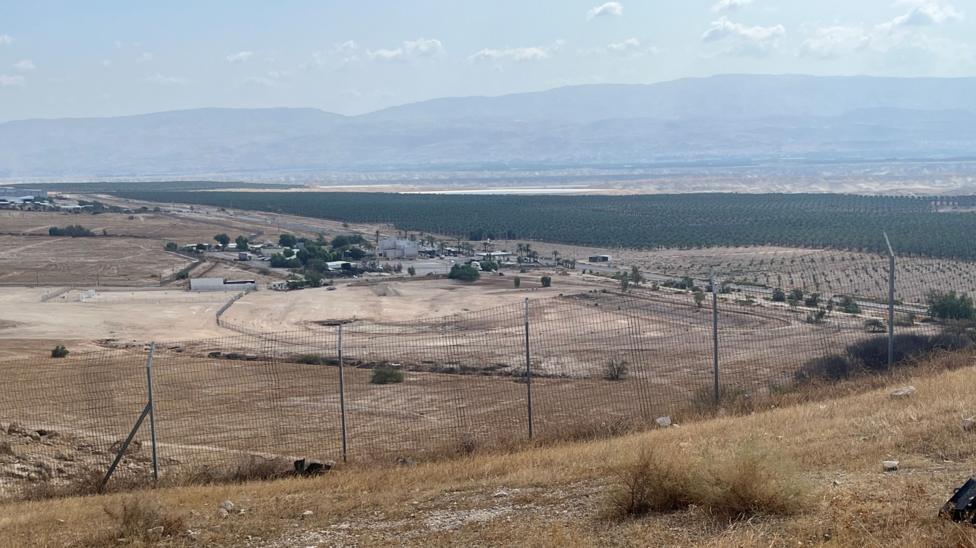
New settler outposts—which violate Israeli law as well as international law—now dot the barren hilltops of the Jordan Valley. These unauthorised settlements have been accompanied by escalating attacks on local Palestinian populations, particularly Bedouin and herding communities.
In January, the final residents of approximately 600 villagers departed their homes in Ras Ein al-Ouja following sustained harassment by hardline settlers, frequently supported by Israeli security personnel. This represented the largest single displacement of a Palestinian community within the preceding three years. In March, Israeli settlers conducted a brutal night assault on a Palestinian shepherd at Khirbet Humsa, involving severe beatings and sexual assault.
The Jordan Valley comprises nearly 30 per cent of the West Bank's territory and represents a highly fertile region. Palestinians aspire to incorporate this expansive agricultural area into their hoped-for future state, alongside the remainder of the West Bank, Gaza, and East Jerusalem as the capital. However, Arbel and other settler leaders reject any notion of Israeli withdrawal from the region.
Within years of Israel's 1967 capture of the West Bank from Jordan during the Middle East War, the Israeli government initiated programmes encouraging its citizens to establish settlements in this area, framing the move as a security measure against perceived threats along the border. Today, more than 500,000 Israelis inhabit settlements throughout the West Bank, excluding Israeli-annexed East Jerusalem, living alongside approximately three million Palestinians.
According to the Israeli anti-settlement organisation Peace Now, 340 unauthorised settler outposts operate in Palestinian territory alongside 146 formally recognised settlements endorsed by the Israeli government. Agricultural exports from these settlements commonly include mangoes, avocados, herbs, grapes and dates. Current UK and EU regulations mandate labelling requirements for settlement-origin goods, though enforcement has proven inconsistent.
What happens next?
The UK is scheduled to formally announce the new trade ban on 8 September 2026, according to international reporting on the expected announcement. The measures will target primarily agricultural products originating from settlements rather than Israel as a whole, though the inclusion of services restrictions represents a significant expansion of previous approaches.
The announcement is expected to trigger immediate diplomatic friction between London and Jerusalem, with Israeli officials already signalling their intention to pursue countermeasures. The outcome will likely influence whether additional countries accelerate their own settlement trade restrictions or whether international pressure on this issue begins to fragment.
Key Facts
- The UK ban targets settlement goods and services including finance and advertising, transforming earlier recommendations into legal obligations
- Eleven other countries—Canada, Denmark, Finland, France, Iceland, Ireland, Norway, Poland, Portugal, Spain and Sweden—have signalled intention to introduce similar restrictions
- Palestinian farmers in the Jordan Valley face severe water shortages, with some receiving less than one-third of required water, while Israeli settlers maintain preferential access
- More than 500,000 Israelis live in West Bank settlements alongside three million Palestinians, with 340 unauthorised outposts and 146 formally recognised settlements
- Israel has threatened retaliation against the UK, having previously expelled Dutch diplomats in response to the Netherlands' settlement trade ban