A decade-long programme providing free milk to Welsh schoolchildren faces an uncertain future as the Welsh government weighs whether to continue or scrap the initiative. The decision comes after the UK government agency administering the scheme announced it would cease operations from April 2027, forcing Welsh authorities to choose between establishing a new grant-funded model or allowing the provision to lapse entirely.
According to BBC News, the Welsh government launched a 10-week public consultation on 26 October to gather views before making its final determination. The consultation will close on 4 January 2027, with the government using responses to decide whether to maintain a dedicated scheme and how it would function going forward.
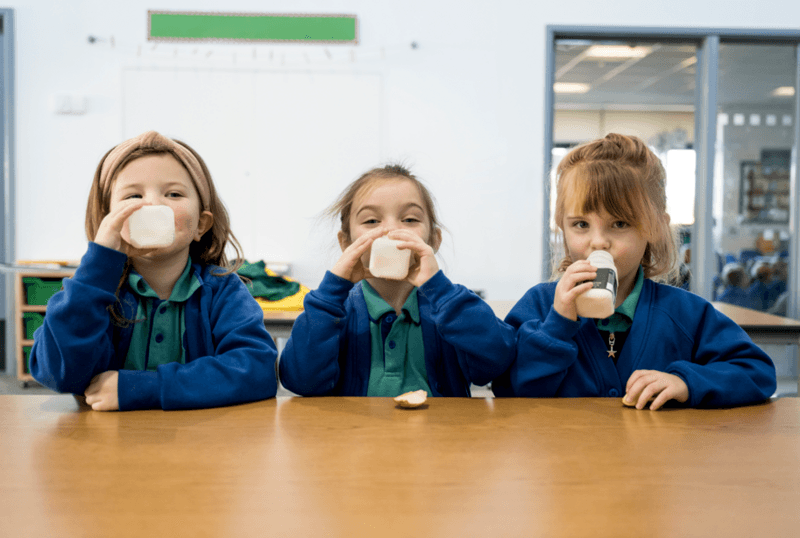
The School Milk Subsidy Scheme (SMSS) has operated continuously since 1977, providing free milk to children aged four to eleven across Wales. In participating schools, pupils in reception through year two receive milk at no cost, while those in years three to six are eligible for subsidised portions. However, the scheme's future has become uncertain following the UK's departure from the European Union and subsequent changes to administrative arrangements.
The Welsh government has acknowledged that discontinuing the scheme could harm rural communities and dairy farmers who depend on revenue from school milk contracts, though officials said the precise scale of such impact remains unclear. The government noted that children would retain access to milk through existing breakfast schemes and free lunch provision, though availability would depend on individual schools and local authorities participating in those programmes.
How did the scheme begin and evolve?
Free school milk in Britain traces its origins to the early twentieth century, with formal provision beginning under the Labour government of 1946 through the Nursery Milk scheme, which supplied 189 millilitres—roughly a third of a pint—to each child daily. The current iteration emerged in 1977 as a dedicated subsidy programme. Following a 2001 reduction in European Union funding, the UK government and devolved administrations introduced a national top-up mechanism, formalised through the School Milk (Wales) Regulations 2008.
The scheme gained historical prominence in 1971 when Margaret Thatcher, then health secretary, restricted milk provision to children over seven years old—a decision that earned her the nickname "milk snatcher" among critics. That controversy echoes in contemporary Welsh politics: Reform UK's deputy leader in the Senedd, Laura Anne Jones, has invoked the comparison by calling Cabinet Minister for Rural Resilience and Sustainability Llŷr Gruffydd "Llŷr Dim Llaeth" (Llŷr no milk) in reference to the current proposals.
Who relies on the scheme today?
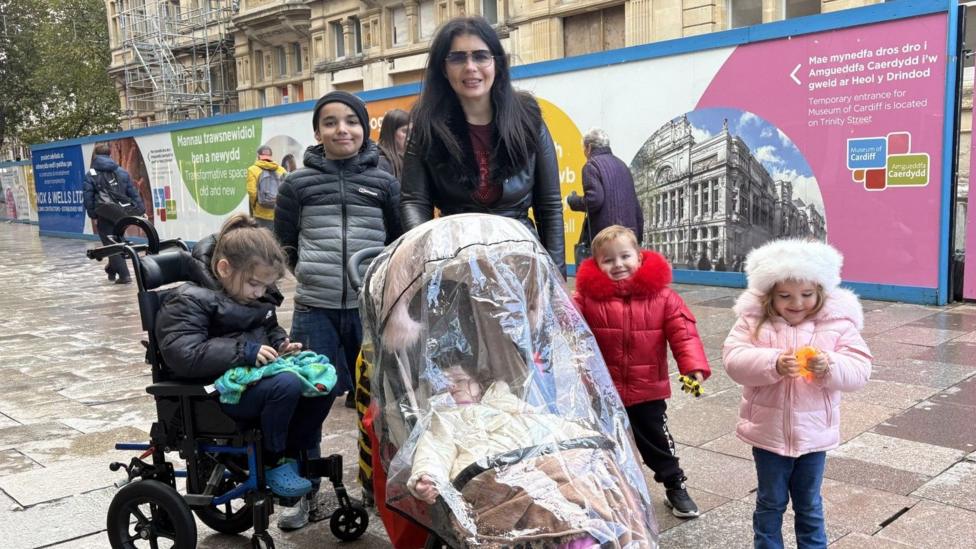
Nicole Williams, a parent of three children receiving free or subsidised milk, has become a vocal advocate for continuation. Her son JJ, aged nine, receives milk daily at The Hollies School in Pentwyn, Cardiff, a specialist facility for pupils aged four to eleven with autism spectrum conditions. Williams emphasised the nutritional importance of the scheme for vulnerable families, stating that many children from households on Universal Credit depend on school milk as a crucial source of calcium for healthy growth and development.
Carol and Alex Crawford, parents of four-year-old Marshall, similarly support maintaining the programme. Marshall currently receives free milk at his nursery in Fairwater, Cardiff. Alex Crawford highlighted the cost-of-living pressures facing families, noting that milk prices in supermarkets have risen substantially and that the scheme provides meaningful relief. Carol Crawford, who remembers her own daughters—now aged 15 and 21—receiving free milk throughout their school years, expressed the view that all children benefit from regular milk consumption and that the scheme should continue.
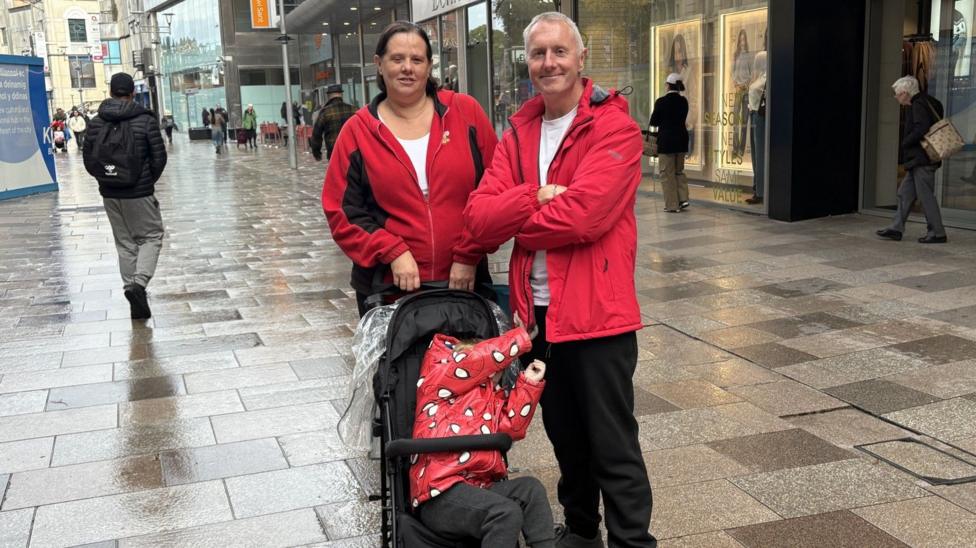
According to local reporting, approximately 81,374 pupils are directly affected by the Welsh government's proposals, underscoring the scale of the potential change.
What do farming and industry representatives say?
Abi Reader, president of the National Farmers Union (NFU) Cymru and a third-generation dairy farmer, has warned that ending the scheme would be "extremely disappointing" for the agricultural sector. Reader emphasised the educational value of connecting children to Welsh food production, arguing that the scheme serves a broader purpose beyond nutrition.
Reader stated:
We should be encouraging children to understand and value the food produced in Wales, not removing opportunities for them to experience it. Education about where our food comes from, how it is produced and the role farmers play in putting food on our tables is important from a young age.
Reader added that the union has a responsibility to give the next generation the best possible start and to lead by example. While she acknowledged the difficulty in estimating precisely how many Welsh dairy farmers contribute to school milk supply, she noted that sourcing could potentially involve producers from across Wales. The scheme represents a significant market for local producers, and its loss would reverberate through rural communities dependent on dairy farming income.
What are the political dimensions of the debate?
The proposal has drawn criticism from opposition politicians. On 3 November, Welsh Labour leader Ken Skates accused the Welsh Government of "looking at snatching" milk from schoolchildren. First Minister Rhun ap Iorwerth responded by noting that the consultation followed the end of a contract with the administering agency and emphasised that milk remains available through school breakfast provision.
Cabinet Minister for Education and the Welsh Language Anna Brychan has framed the consultation as an effort to ensure decisions rest on comprehensive evidence. She stated:
Milk has long played a part in supporting the health and well-being of our youngest learners.Brychan encouraged all stakeholders to participate in the consultation process.
What are the Welsh government's options?
The Welsh government is formally considering two pathways. The first involves creating a new grant-funded model to replace the current scheme. According to the Welsh Government's official guidance, a proposed replacement would use a grant-funded model delivered through the Local Authority Education Grant, retaining broadly similar free and subsidised entitlements while simplifying administration.
The second option is discontinuing the dedicated scheme entirely, with the government arguing that children could access milk through expanded breakfast and lunch programmes. The Welsh government acknowledged that this approach may have negative consequences for rural businesses and dairy industry communities, though it stated that the precise impact depends on how extensively schools and local authorities provide milk through existing food schemes and the degree to which Welsh dairies rely on school milk revenue.
The review itself was prompted by the current delivery arrangements ending and the broader evolution of school food provision, including universal primary free school meals, breakfast schemes, and new nutritional standards coming into effect in 2025.
What happens next?
The consultation period runs until 4 January 2027. The Welsh government will analyse responses and use them to determine whether to maintain a dedicated milk scheme and, if so, how it would operate. A final decision is expected following the consultation closure, with any changes likely to take effect in the 2027-28 school year or later, depending on implementation timelines and the government's chosen approach.