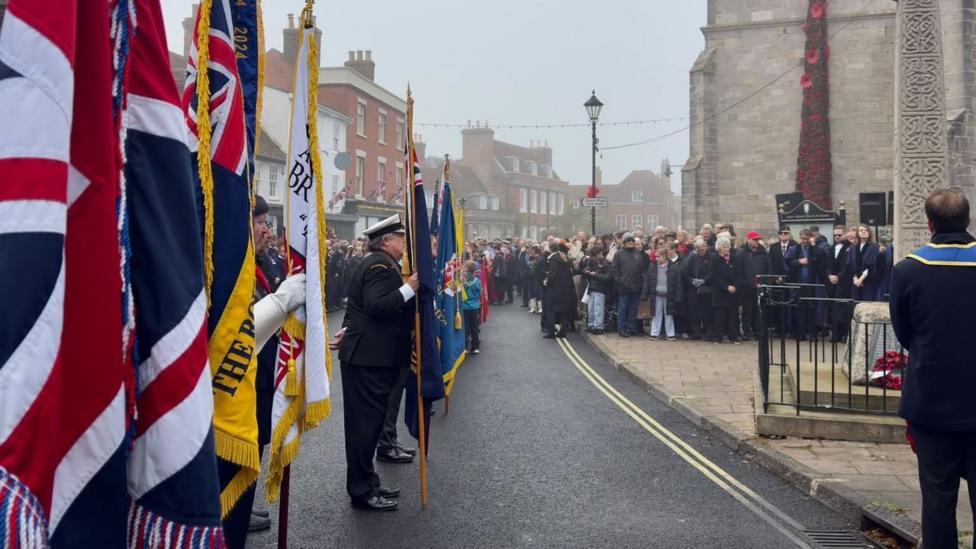
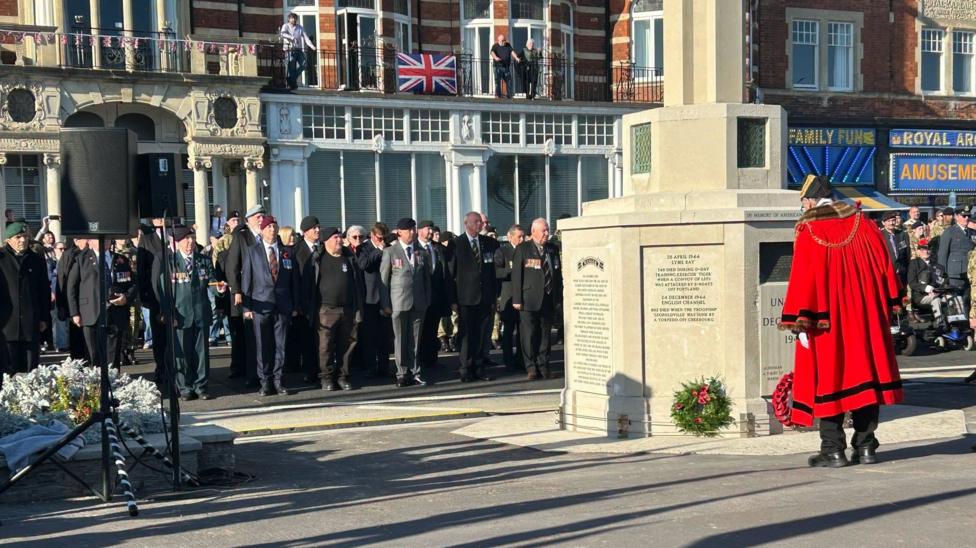
Communities throughout southern England observed a moment of reflection on Remembrance Sunday to honour those who lost their lives in the two world wars and subsequent conflicts. According to BBC News, wreaths were laid at war memorials across the region, with formal services and processions taking place in towns and cities including Dorchester, Poole, Bournemouth, Portsmouth, Winchester, Southampton and Newport on the Isle of Wight.
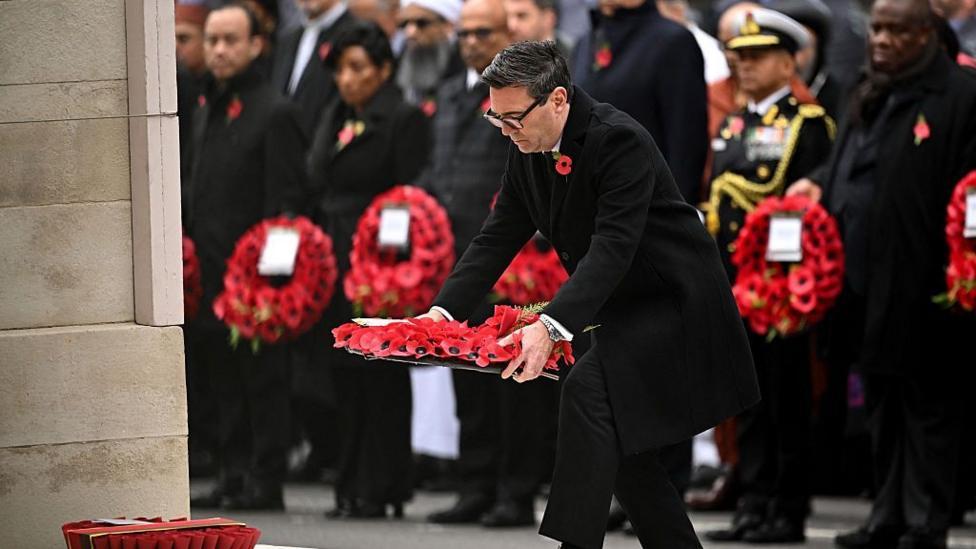
Thousands of people participated in commemorative events across Reading, Slough, Banbury, Oxford, Henley and Abingdon, attending parades and services to pay their respects. The observance coincided with the King leading the national Remembrance Sunday service at the Cenotaph in London, joined by members of the Royal Family and senior politicians.
Why do veterans emphasise the importance of continuing these traditions?
Veterans gathered at the Cenotaph in Southampton's Watts Park to participate in the local ceremony. Connor Scott, who served for 43 years in the British Army Intelligence Corps and now resides in Southampton, stressed the significance of maintaining these commemorations across generations. He expressed his view that remembrance must continue regardless of global circumstances, noting that conflicts extend beyond the world wars.
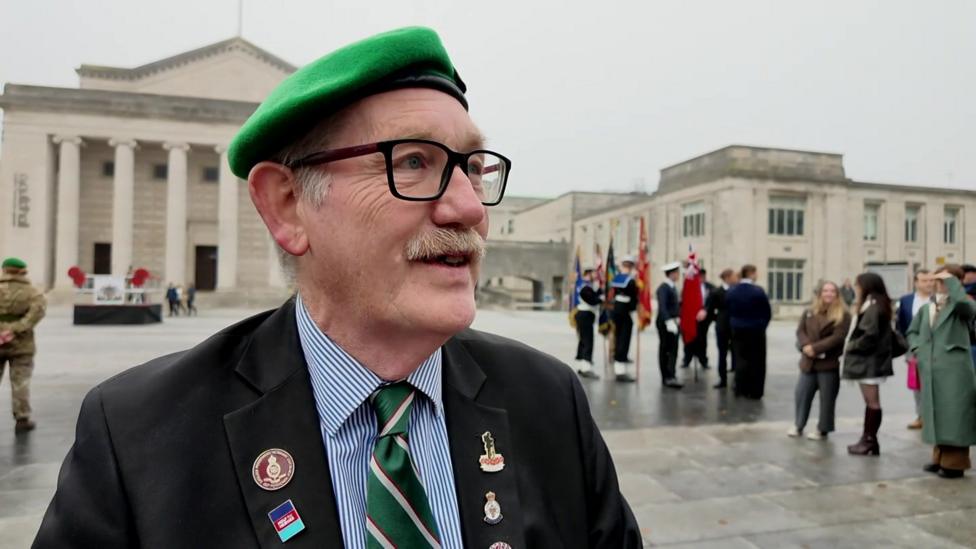
"It doesn't matter what's going on around the world, it's important that we keep remembering and keep this going. It's not just the First World War and the Second World War, there are other wars that people still get injured and killed in."
Aaron Hearn, a former corporal in the Queen's Royal Lancers from Peterborough who now lives in Southampton, highlighted the value of reuniting with fellow veterans who share similar experiences. He reflected on the service's significance in honouring sacrifice.
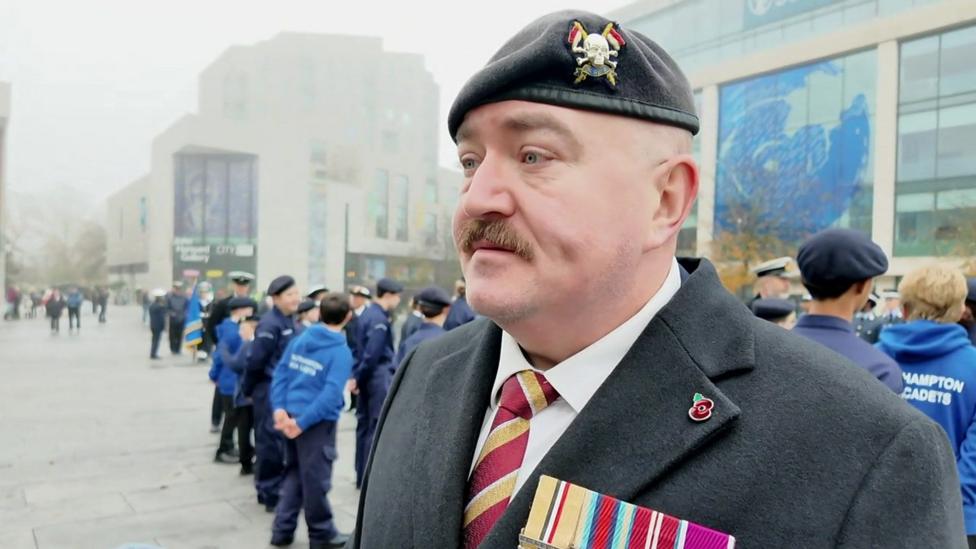
"It's nice to be with fellow colleagues that have been through similar experiences and it's always good to remember the sacrifice made by others."
How did communities across the south mark the occasion?
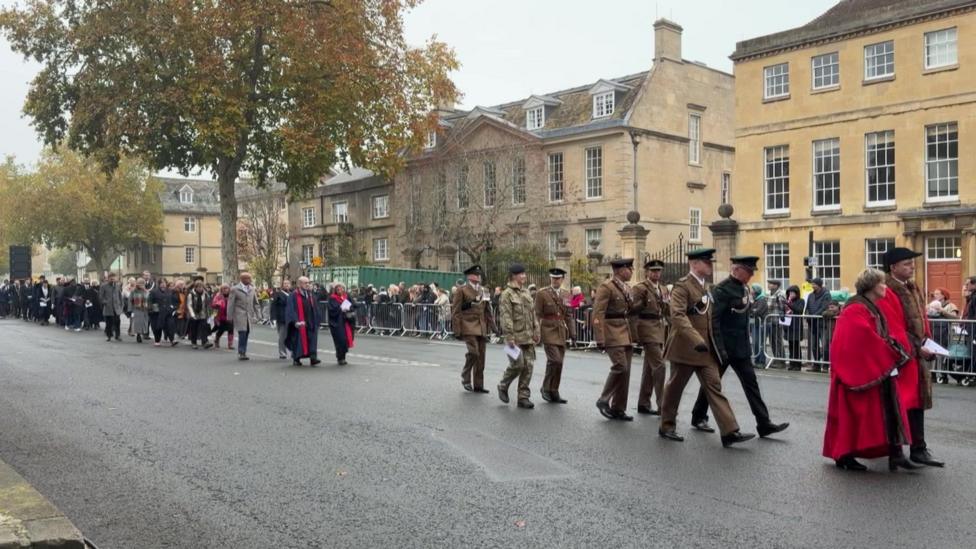
In Oxford, a procession travelled through St Giles to the war memorial, where Lord Mayor of Oxford Chewe Munkonge had called on residents to "come together in gratitude and remembrance". The parade was followed by a service at the memorial and the national two-minute silence.
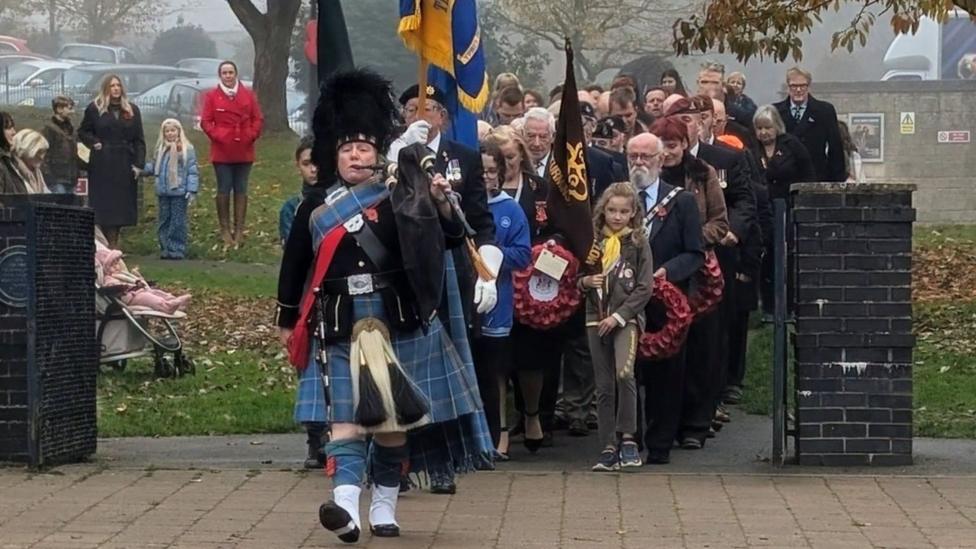
Dorset communities observed the day with solemnity, including a procession led by a lone piper to the church in Sturminster Newton.
Reading's principal service and parade took place in the town centre. Reading Borough Council leader Liz Terry characterised the occasion as "an important time of reflection for everyone and a time to pay tribute to the bravery, selflessness and courage of our personnel, both past and present". The town is scheduled to hold a two-minute silence at Forbury Gardens War Memorial on 11 November, Armistice Day itself.
In the South West, crowds gathered at Plymouth Hoe for a service at the Royal Naval Memorial led by the Bishop of Exeter, while Exeter held a city-centre parade and service.
What special tributes were created for the observance?
Southampton's Cenotaph was decorated with more than 2,000 handmade poppies, with a nearby exhibition featuring stories of young boys who went to war, a First World War medic and a victim of the Nazi regime. This year's Remembrance Sunday marked a significant milestone, as Second World War veterans outnumbered former prime ministers at the Cenotaph ceremony, in what may be the last time this occurs as the veteran population continues to decline.
What is the significance of Remembrance Sunday?
Remembrance Sunday falls on the second Sunday in November each year, serving as the principal occasion for national commemoration. Armistice Day itself is observed on 11 November, marking the date the First World War ended. The national Cenotaph service included a march past by veterans, with approximately 10,000 veterans expected to participate in the ceremony.