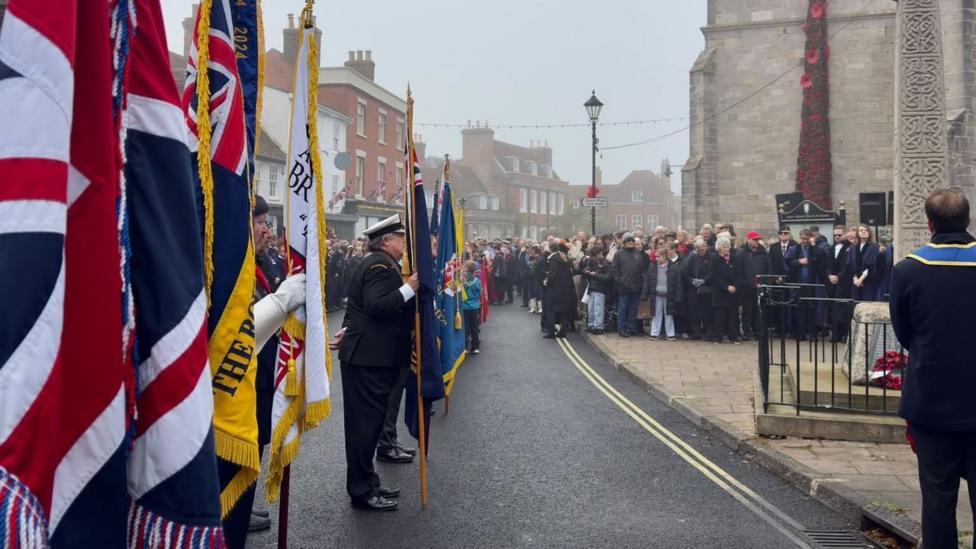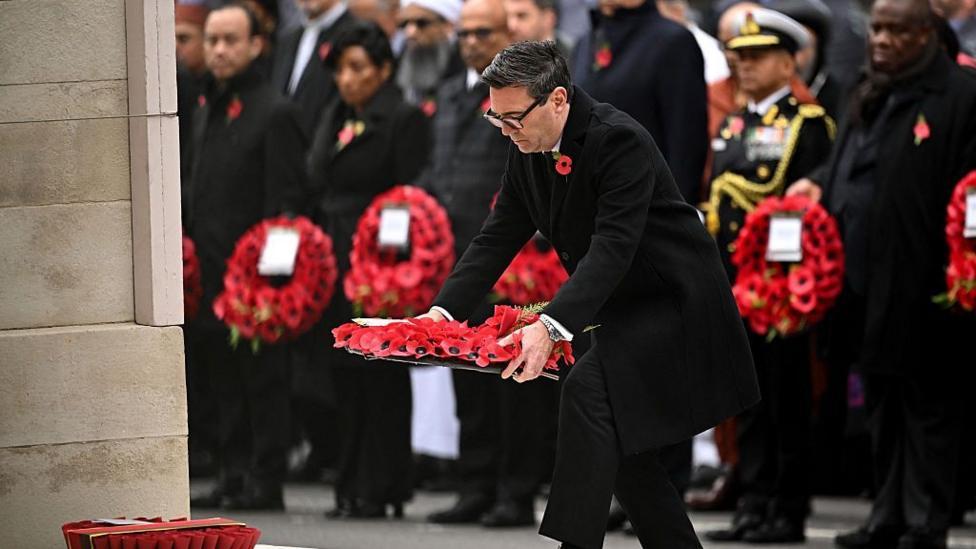
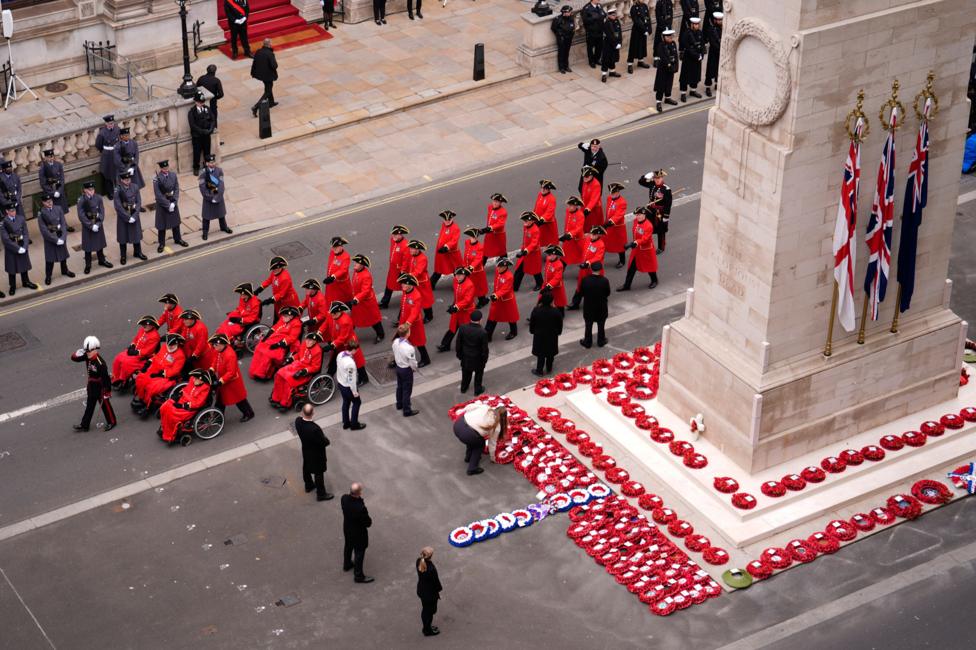
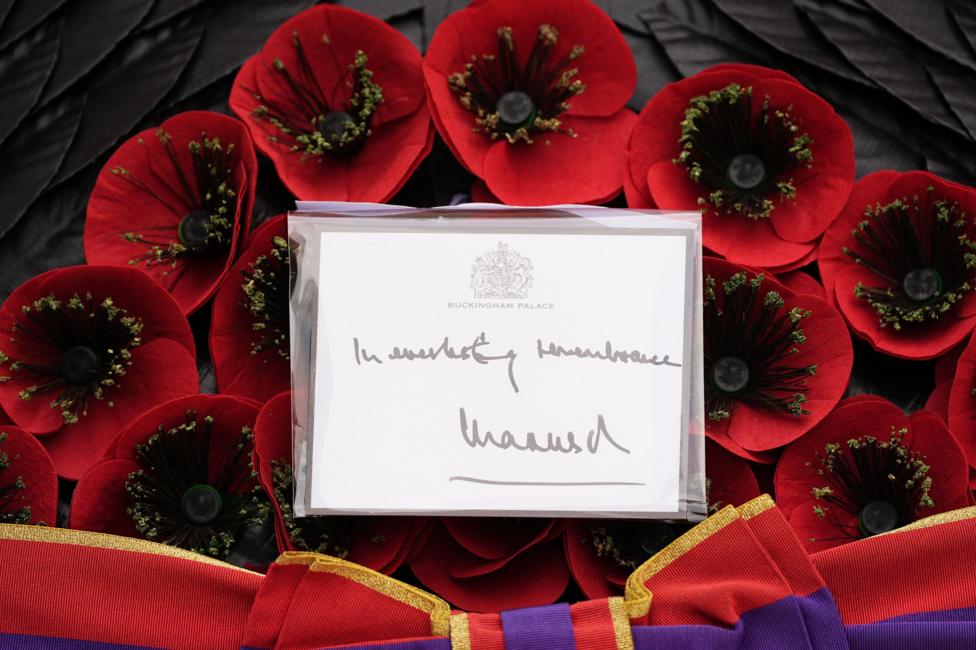
King Charles III presided over the nation's Remembrance Sunday observance in London, standing in silent tribute to honour the service and sacrifice of armed forces personnel who have died in conflict. On a grey autumn morning, he laid a wreath at the Cenotaph in Whitehall before witnessing a march-past involving 10,000 armed forces veterans. According to BBC News, the ceremony drew political leaders, military chiefs, diplomats and faith leaders, with crowds lining Whitehall to pay their respects.
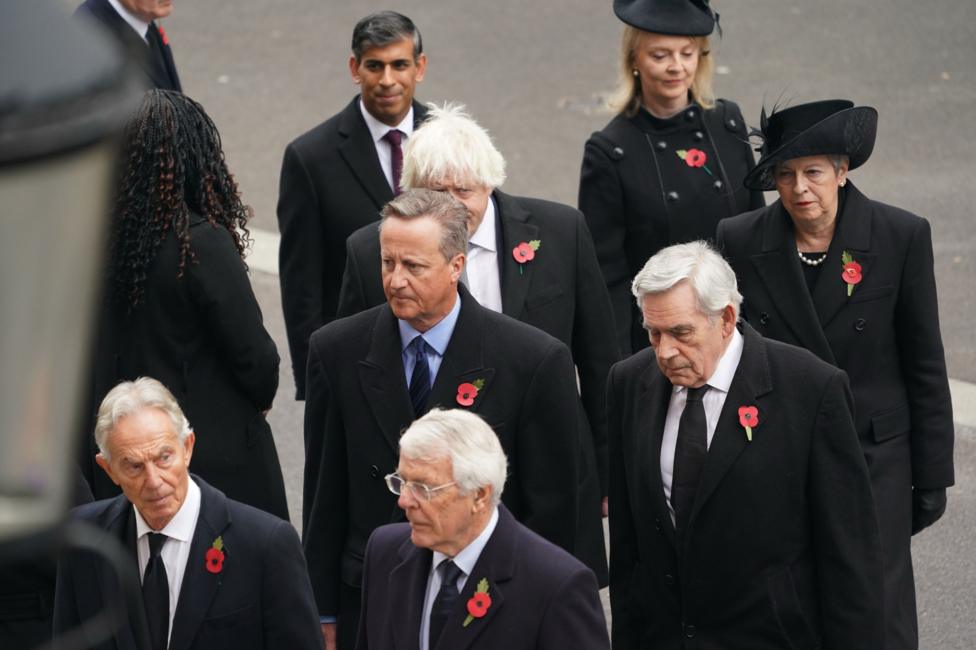
The parade included a diminishing cohort of World War Two veterans, with 12 participating this year compared to 20 in the previous year. Among them was 103-year-old Annie Duplock, the oldest participant at 105 years of age, who described the experience as deeply moving. The number of former prime ministers attending reached a historic peak, with nine former occupants of No 10 Downing Street present to lay wreaths. Prime Minister Andy Burnham attended for the first time in his current role, while Nigel Farage, leader of Reform UK, qualified to lay a wreath as his party now holds sufficient parliamentary representation alongside other major party leaders.
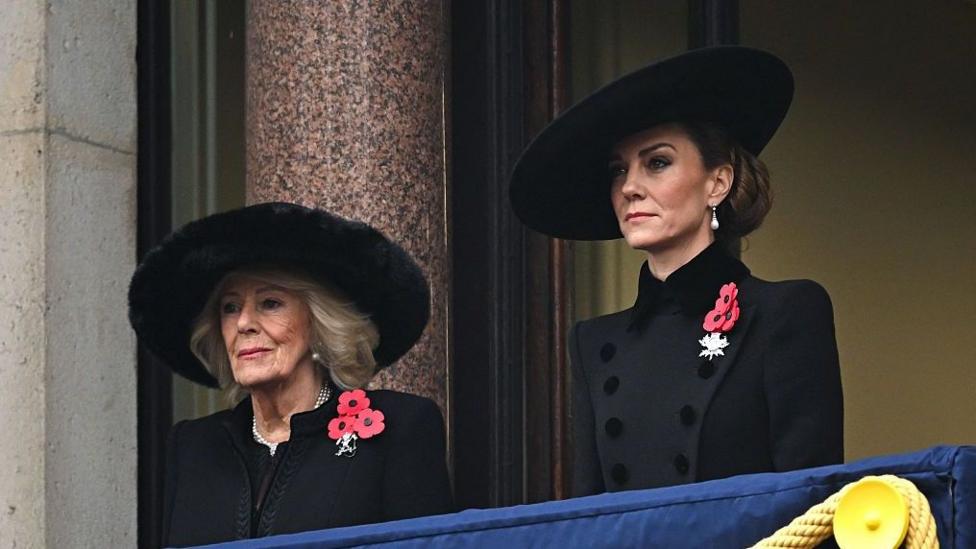
Queen Camilla and Catherine, Princess of Wales, observed the proceedings from a balcony of the Foreign and Commonwealth Office overlooking the Cenotaph. The Prince of Wales and the Princess Royal were among those in attendance at ground level. A poignant detail adorned the Whitehall building's roof: the Ukrainian flag in blue and yellow, raised when Russia invaded and now visibly worn after four years, served as a visible reminder of ongoing global conflict.
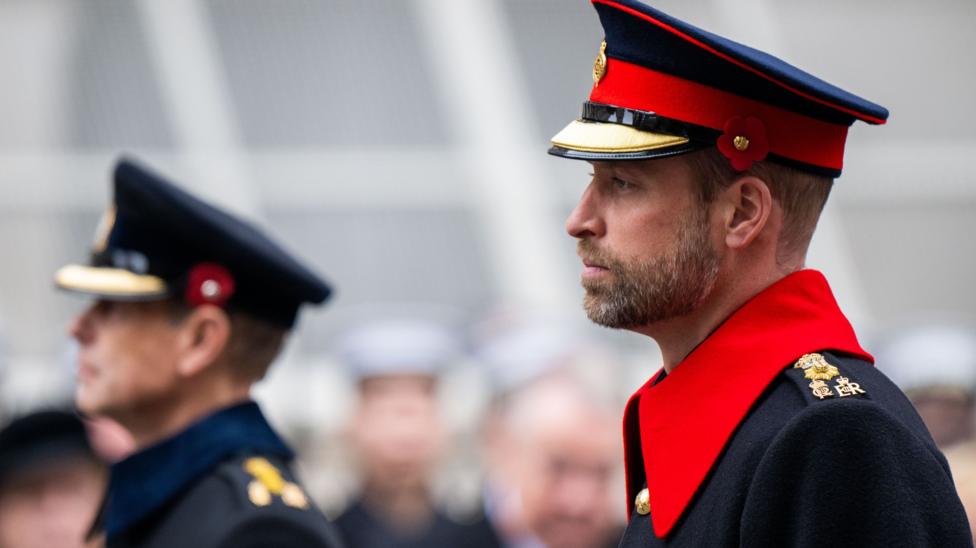
At 11:00 GMT, as Big Ben's first chime resonated from the Houses of Parliament, the capital's usually bustling streets fell silent for two minutes. The King stood with closed eyes while crowds throughout Whitehall observed their own moments of reflection, before the Last Post sounded across the solemn gathering.
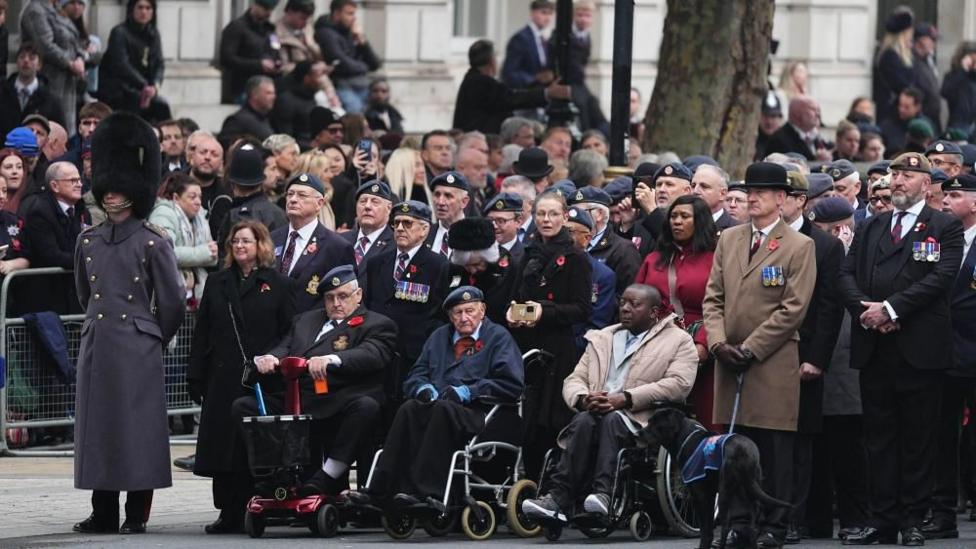
Who participated in the march-past?
Representatives from approximately 340 military and civilian organisations took part in the procession, ranging from the Royal Naval Association and Royal Marines Association to Transport for London and the Royal National Lifeboat Institution. Disability scooters and families assisting veterans in wheelchairs moved alongside those marching on foot, reflecting the physical challenges many face decades after their service.
The dwindling number of World War Two participants underscores the passage of time since the conflict ended. This year's 12 veterans represented a continued decline from previous years, with the oldest marcher aged 105. Annie Duplock, who had joined the Land Army in 1940 at age 16 after misrepresenting her age, worked on a Leicestershire farm during the war years.
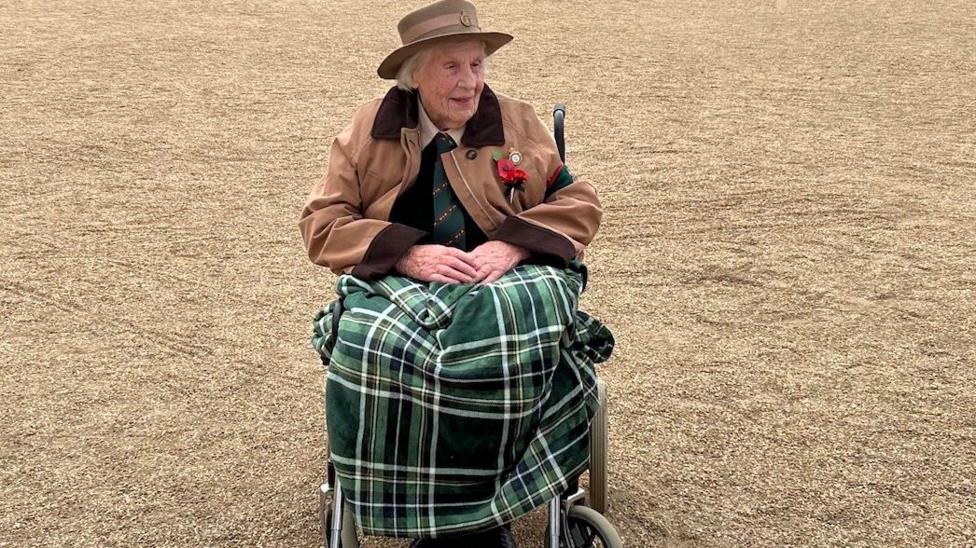
Speaking before the ceremony, Duplock expressed her feelings about the occasion.
I feel very honoured to be taking part in the parade and to represent the Land Girls. I'm very excited, although a little apprehensive as I don't quite know what to expect. I think it will be a very emotional day, bringing back memories of all those who didn't return home. It will be lovely to be there and remember them.
What did political leaders say about the occasion?
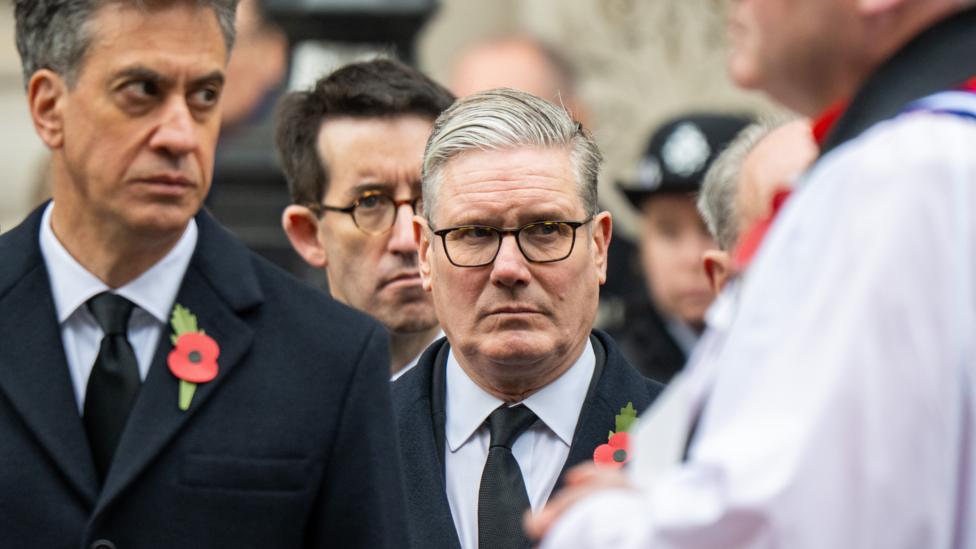
Prime Minister Andy Burnham characterised the annual event as an opportunity to
reflect on the selflessness and courage it takes to commit your life to protecting others. He used the occasion to announce a commitment to addressing homelessness among former service personnel, pledging to
ensure that any veteran sleeping rough is offered appropriate accommodation before Christmas.
Mark Atkinson, director general of the Royal British Legion, offered his perspective on the gathering's significance.
As we come together on Remembrance Sunday, we pay tribute to all those who have served and sacrificed, from generations past to those still serving today.
How did the rest of the nation observe Remembrance Sunday?
Ceremonies and parades took place across the United Kingdom as communities gathered to honour those who died in past conflicts. John Swinney, First Minister of Scotland, placed a wreath at the Stone of Remembrance outside Edinburgh's City Chambers. Veterans, military personnel and cadets marched through the centres of major British cities including Manchester, Birmingham and Leeds.
At Durham Cathedral, a silent poppy drop formed part of the Festival of Remembrance, while wreaths were laid at Canterbury Cathedral. The Duke of Sussex attended a Remembrance service in the market town of Brackley in Northamptonshire.
What was the significance of the Festival of Remembrance?
The 2026 Festival of Remembrance centred on the theme of places of remembrance, encompassing both national memorials and personal spaces such as gardens, football pitches and quiet corners where individuals reflect on loss. The festival's programme featured performers including James Emmanuel, Rita Wilson and Tom Odell, alongside bands from the Royal Marines. At the Royal Albert Hall, a two-minute silence was observed as poppies fell at the close of the event.
A particularly moving element of the festival involved the reading of letters home from military personnel. Lt Col Caroline Whittaker's letters from Iraq, known as "blueys," were read during the festival, having been sent to her sister and parents.

What do the casualty figures reveal about Britain's recent military operations?
The human cost of Britain's military commitments extends across multiple conflicts and decades. According to the Royal British Legion, 179 personnel died during Operation Telic in Iraq, 59 during British operations in Bosnia, and 47 British service personnel did not return from Operation Granby in the Gulf War. These figures underscore the ongoing toll of military service and the importance of remembrance ceremonies in honouring those losses.
What is the historical significance of the Cenotaph?
For more than a century, the Cenotaph has served as the focal point for Britain's national Remembrance observance. The monument was constructed to honour those who fought and died in World War One, including those with no identified grave, and to provide a place of mourning for families unable to visit war cemeteries overseas.
The word "cenotaph" derives from Greek, meaning "empty tomb". Architect Sir Edwin Lutyens designed the structure in a deliberately austere style, eschewing any sense of triumphalism and employing minimal decoration. Originally built in 1919 as a temporary structure of plaster and wood, its popularity with the public led to its replacement in 1920 with a permanent stone version maintaining the original design.
King George V opened the permanent Cenotaph at 11:00 on 11 November 1920. His great-grandson, Charles, stood at the same location on an overcast morning 106 years later, continuing the tradition of royal tribute to the fallen.
What happens next in the Remembrance calendar?
The Cenotaph service on Remembrance Sunday 8 November 2026 began at 11:00 GMT, with Whitehall opening to the public from 8:00 AM. The two-minute silence was marked by guns fired from King's Troop on Horse Guards Parade, maintaining the ceremonial traditions that have defined this observance for generations.