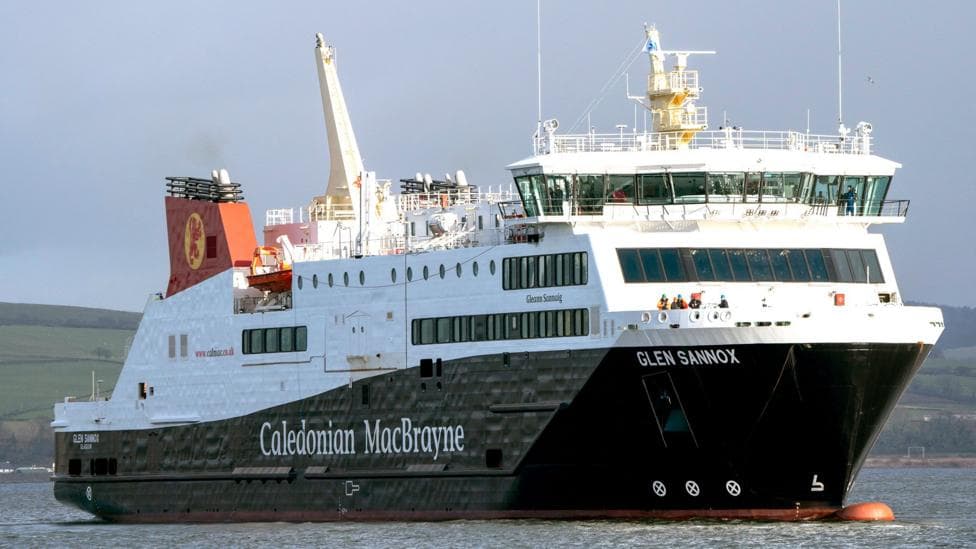
A faulty valve on the CalMac ferry MV Glen Sannox triggered a sudden and uncontrolled discharge of highly flammable methane gas in June 2025 while the vessel was transporting 82 passengers from Arran to the mainland. The operator's investigation determined that approximately 700 kilograms of gas—equivalent to the volume needed to fill a four-bedroom house—vented from the ship's side over a 12-minute period. The incident, which CalMac classified as a "critical failure" in the gas fuel system, emerged publicly only after a freedom of information request revealed previously undisclosed details.
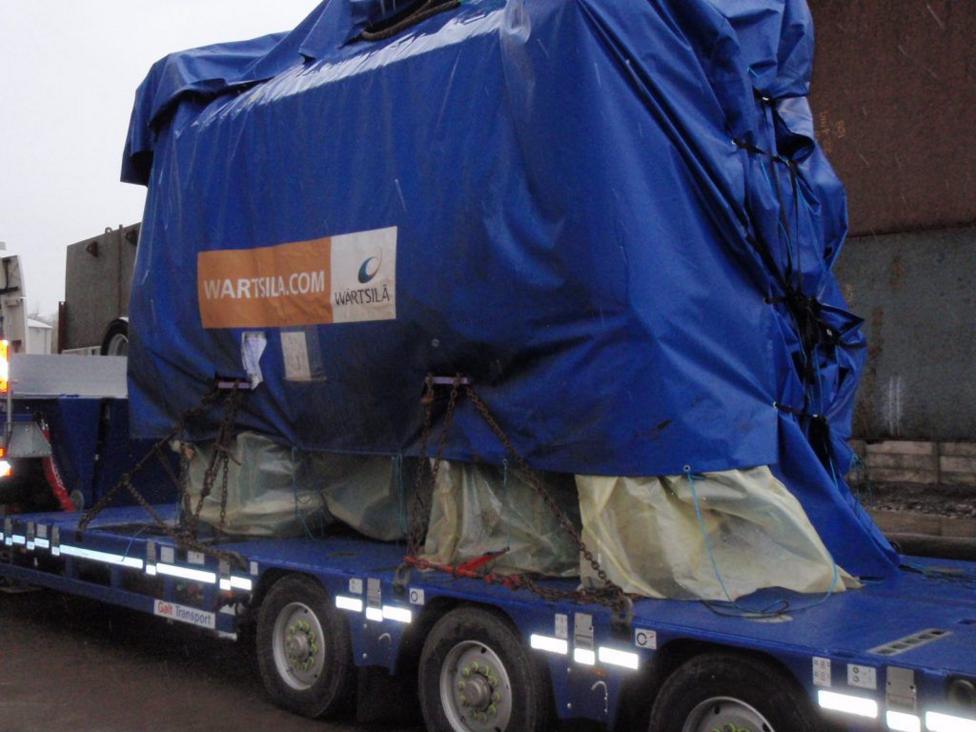
The MV Glen Sannox is the first UK-built ship designed to directly power its engines with liquefied natural gas (LNG). The propulsion systems were engineered, supplied and commissioned by Finnish manufacturer Wartsila, which operated as a subcontractor to Ferguson Marine shipyard. Since the incident, CalMac has not operated the vessel's main engines on LNG, and the methane tank was emptied completely in November 2025.
How did the incident unfold?
On 3 June 2025, the 15:10 sailing of Glen Sannox departed Troon in South Ayrshire heading toward Brodick on Arran. During the 80-minute crossing while running on LNG fuel, gas detector alarms activated inside the vessel, and crew members in the gas tank room reported hearing an unusual noise. The port main engine automatically shut down—a safety feature triggered when systems detect irregularities such as abnormal gas pressure.
The ferry completed its journey to Brodick operating on diesel fuel. An internal CalMac investigation later established that crew should have refrained from using the gas systems until they had determined the cause of the alarms and the strange noise. Instead, testing proceeded while the ship was berthed in Brodick, revealing that the engines appeared to function adequately on gas, although with some abnormal gas flow readings.
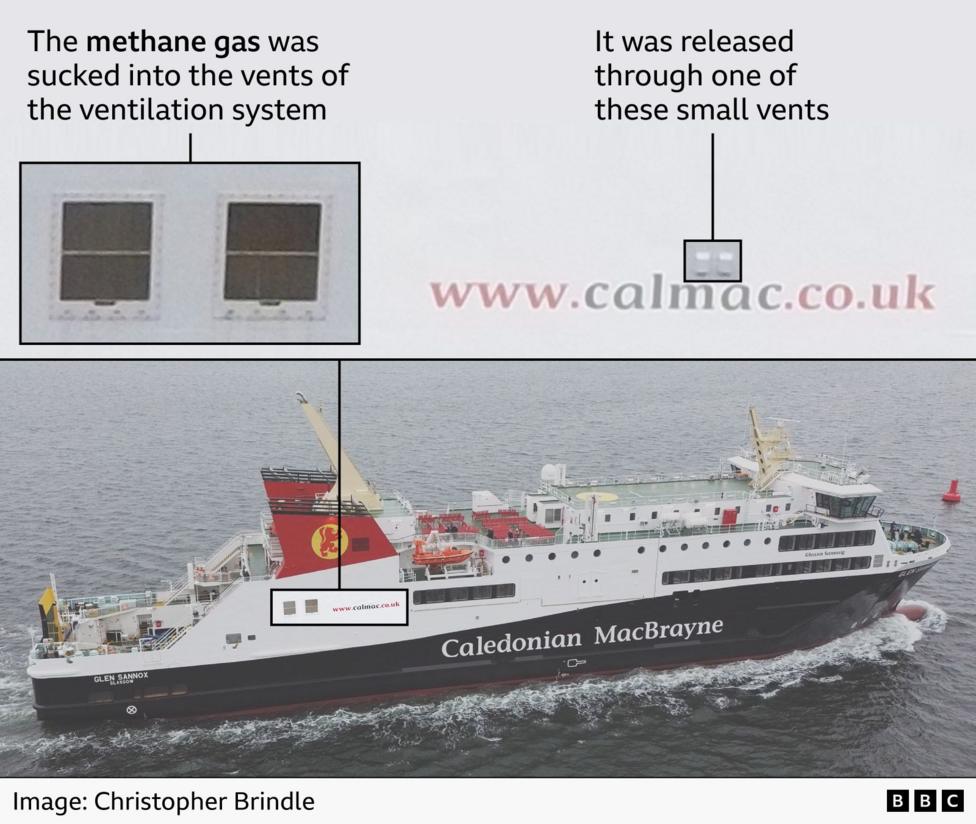
The vessel departed at 17:20 bound for Troon, but during this return journey, a large and uncontrolled release of gas occurred from a small vent on the ship's side. The valve failure happened during a purging process, and the valve defaulted to an open position, allowing high-pressure LNG fuel intended for the engines to escape through the vent pipe.
What caused the valve to fail?
Glen Sannox operates on LNG while at sea but switches to diesel as it approaches harbours to avoid the risk of engine shutdown during docking procedures. When the ship transitions to diesel, residual methane gas must be flushed from the engine pipework and vented into the atmosphere. During this voyage, the valve controlling this flushing process malfunctioned and remained in the open position, causing high-pressure LNG fuel destined for the engines to escape through the vent pipe.
Crew members initially attempted to restart the engine on gas before recognising that methane was escaping from the ship's side. Engineers were forced to manually shut the valve because it failed to respond to electrical control. The exceptionally large quantity of vented methane resulted in some gas being drawn back into ventilation intakes positioned further aft from the gas outlet, triggering gas detector alarms in the ship's generator room and other compartments.
CalMac's internal investigation determined that the valve began to fail on the crossing to Arran and fully failed when the engines were activated on the return trip to Troon. When Wartsila examined the failed valve, engineers discovered that a metal casing was damaged, likely worn away by another component that had worked loose. Glen Sannox has a documented vibration problem while moving in reverse, an issue linked to the propellers—also designed by Wartsila—which are scheduled for replacement.
How dangerous was the incident?
The methane stored on the vessels is maintained under pressure and at minus 162 degrees Celsius as a liquid, but in gaseous form it resembles the gas used in domestic boilers and cookers, with the potential to form an explosive mixture with air. However, methane is lighter than air, and most of the released gas would have dispersed rapidly once vented outside the ship.
Andy Alderson, a marine safety expert with 35 years of experience working with LNG vessels, stated that the gas drawn back inside Glen Sannox was unlikely to have reached the concentration levels necessary to trigger an explosion. Although some safety systems were absent, he noted that the gas detectors apparently functioned correctly, triggering an automatic shutdown of the fuel supply. Alderson characterised the incident as a "significant incident" warranting thorough examination to extract lessons.
"I think the mistake, and it's been acknowledged, was the decision to restart the engine without having discovered what the problem was in the first place, and therefore restarting the engine with the valve open,"
Alderson told a national broadcaster, highlighting the critical error in operational decision-making that allowed the incident to develop.

Were there prior warnings about valve reliability?
Evidence suggests that Wartsila had previously identified reliability concerns with the valve model fitted to Glen Sannox. The manufacturer published three versions of a service notice—in June 2020, March 2021, and June 2024, several months before Glen Sannox was delivered—recommending that the valve either be upgraded using a service kit or replaced with a newer model. Wartsila also advised tightening bolts and securing them with superglue to enhance reliability, particularly to address air leakages, failed silencers, and solenoid coils becoming loose. All these issues were subsequently identified in the valve that failed on Glen Sannox.
However, Ferguson Marine did not have access to this information, which was distributed to "owners and operators" through an online portal. CalMac stated it also lacked access to this service portal until after the ship's delivery. CMAL, the vessel's owner, indicated it would have expected engineering documentation to be transmitted directly to the shipyard prior to handover.
What safety systems were missing?
A significant deficiency identified during the investigation was the absence of a fail-safe monitoring system—comprising valve position indicators and gas pressure sensors—to alert crew that the valve was malfunctioning. Wartsila delivered the main engines to Ferguson's facility in early 2017 without such monitoring systems, although the company later adopted them as standard on new engines and had already fitted them to the smaller auxiliary engines aboard the ship.
CalMac's report suggests that standards body Lloyds Register may have approved the system based on the assumption that such safety features were installed on all engines. Following the incident, these sensors have been retrofitted to Glen Sannox and will also be installed on its sister ship MV Glen Rosa, expected for delivery later in 2025.
The failed valve has been replaced with the new model, and CalMac has expanded crew training. CalMac stated the vessel is currently not operating on gas, and the decision to re-gas it after annual overhaul was aimed at getting it back into service quickly.
Why was LNG selected as the fuel?
The incident is likely to reignite debate regarding whether LNG was the appropriate choice for Glen Sannox and Glen Rosa, projects that have experienced significant delays and cost escalations. CMAL, which procures and owns vessels operated by CalMac, began discussions with Wartsila about powering a Scottish ferry with LNG as early as 2012.
Gas combustion produces fewer emissions than diesel, offering a pathway to comply with emerging regulations governing sooty pollutants known as NOx and SOx. Manufacturers also claimed their engines emitted less CO2, although these environmental claims have faced scrutiny because the engines also release unburnt methane, itself a potent greenhouse gas. A report prepared for CalMac estimated that carbon-equivalent reductions from operating Glen Sannox on gas fall below 9 percent, raising questions about the environmental justification for the technology choice.
CalMac accepted the LNG fuel specification when it collaborated with CMAL to develop the new ships' specifications in 2014, a project initially designated "Super Eco 1000 Ro Pax Ferry." At that time, LNG was cheaper than diesel, making the choice economically attractive.
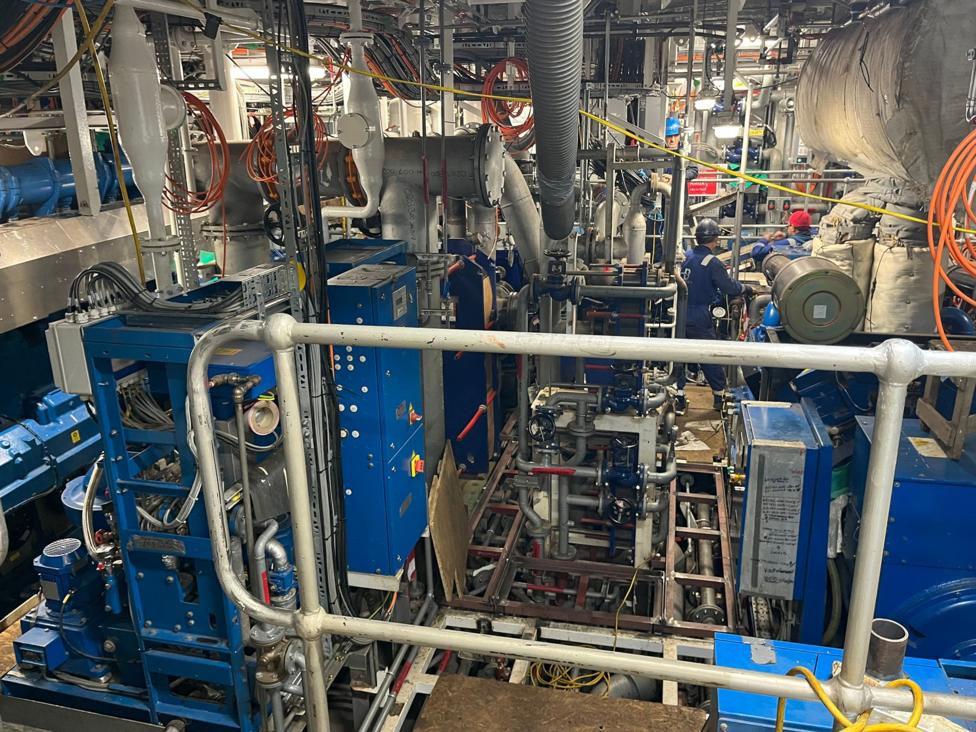
The technology proved exceptionally challenging for Ferguson Marine after it secured the contract the following year. The LNG equipment added substantial weight to the vessel, complicating efforts to meet demanding cargo-carrying requirements without adopting a bulky hull design, which subsequently affected fuel efficiency and speed. The large gas tank consumed considerable space, resulting in an extremely congested engine room. Ferguson workers have nicknamed it the "snake pit" due to the extensive pipework required inside.
Glen Sannox was also the first LNG-powered ship of its type ever built in the United Kingdom, introducing uncertainty about regulatory approval requirements. A prolonged dispute over claims for additional costs eventually forced the firm into administration and subsequent nationalisation. Ferguson managers repeatedly requested that CMAL reconsider the LNG specification, but the ferries agency insisted the shipyard deliver the vessels with fully commissioned gas systems in accordance with the original contract.
What happens next?
The Marine Accident Investigation Branch has reviewed CalMac's report and indicated satisfaction with the company's remedial actions. In a statement, CalMac said:
"Lessons were learned following the incident in June 2025, and remedial actions taken. The vessel is absolutely safe to operate on LNG, and the decision not to re-gas her following annual overhaul at the beginning of the year was purely due to our desire to get her back in service as quickly as possible."
The vessel is expected to return to LNG operation after completing its annual overhaul, once CalMac finishes the re-gassing work and related checks. Wartsila declined to answer questions about why fail-safe monitoring equipment was not fitted on Glen Sannox or who had access to its service notices, citing client confidentiality. The company stated:
"We are dedicated to sustainability and maintaining the highest safety standards, quality, and reliability for our customers. We work closely with our customers throughout the lifecycle of our solutions and provide technical guidance, updates, and support where relevant."
Key Facts
- Approximately 700 kilograms of methane vented from MV Glen Sannox over 12 minutes on 3 June 2025 due to a failed valve in the gas purging system
- The incident occurred while the ferry carried 82 passengers from Arran to the mainland; no injuries were reported
- Wartsila had issued three service notices recommending valve upgrades or replacement, but Ferguson Marine and CalMac did not have access to this information prior to the ship's delivery
- Fail-safe monitoring systems were not installed on the main engines when delivered in 2017, though they have now been retrofitted to Glen Sannox and will be fitted to sister ship Glen Rosa
- The vessel has not operated on LNG since the incident; CalMac plans to return it to gas operation following annual overhaul and re-gassing procedures