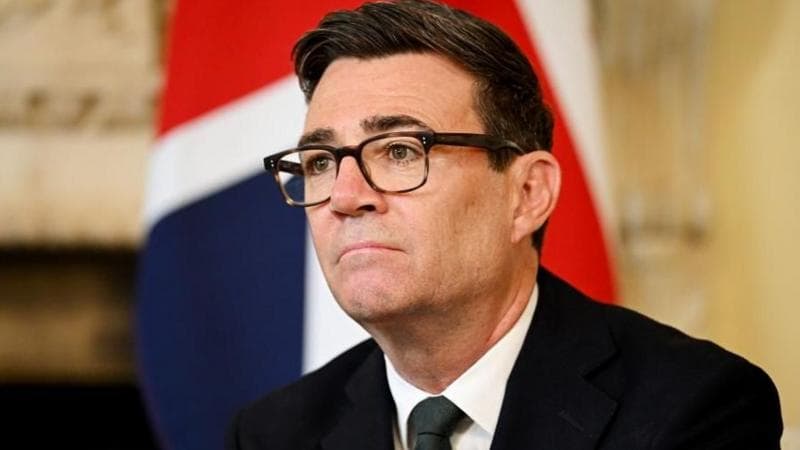
The United Kingdom's decision to prohibit imports from Israeli settlements in the occupied West Bank represents a substantial recalibration of Britain's diplomatic stance toward the Middle East conflict. Foreign Secretary Ed Miliband announced the measure in the House of Commons with Prime Minister Andy Burnham present, marking a significant policy shift almost exactly one year after the UK formally recognised Palestinian statehood.
According to , the sanctions package will take effect within six to nine months and extends beyond goods to encompass services including construction, infrastructure, financing and real estate development linked to settlement expansion. The UK has also extended an arms-export ban to refuse license applications for goods and services that materially contribute to the occupation, while targeting goods from illegal settlements and banning advertising related to settlement properties.
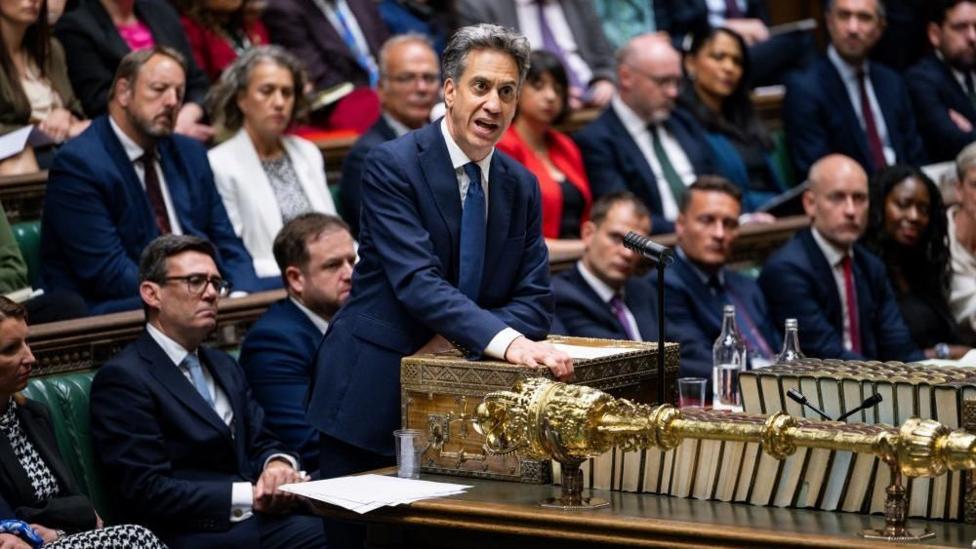
Senior government figures characterise this announcement as both a logical continuation of the Palestinian recognition decision from 12 months earlier and as evidence of Burnham's determination to pursue a more assertive approach than his predecessor Sir Keir Starmer adopted. The government frames the measure as reinforcing the pathway toward a two-state solution—a functioning Palestinian state coexisting with Israel.
What is the government's rationale?
Miliband contends that the UK possesses the capacity to act and that inaction would constitute strategic failure.
A strategy of passivity in the face of what is happening is not a strategy,he stated in an interview with Jewish News. The Foreign Secretary emphasises that Britain's official position is that the West Bank occupation is unlawful, underpinning the legal and moral foundation for the sanctions.
Government sources express satisfaction that the measure emerged from coordinated diplomatic effort during the summer months, with 11 additional nations—including France and Canada—adopting an identical approach. One official explained the coordination process:
We provided a convening and coordinating role in pulling this together, but we didn't have to convince others to do this. They were coming to the same view themselves, so we agreed we should all go out and say this at the same time.The strategy aims to amplify the sanctions' effectiveness while distributing diplomatic pressure across multiple countries rather than concentrating it on Britain alone.
What has been Israel's response?
Israel has responded swiftly to the announcement. According to , Israel ordered the closure of Britain's consulate in East Jerusalem, a measure UK officials had anticipated as a probable retaliation. Additionally, the Israeli foreign minister announced entry bans on several UK MPs following the sanctions decision.

Whitehall officials acknowledge uncertainty regarding potential statements from President Donald Trump but note that the initial response from US Secretary of State Marco Rubio remained relatively restrained, suggesting the American administration may not escalate its opposition to the British action.
Why is this politically significant for Burnham?
The policy shift carries considerable domestic political weight for the new Prime Minister. Approximately 140 Labour MPs publicly demanded such action at the beginning of summer, and Burnham himself criticised his predecessor's approach to Middle Eastern affairs. Writing in July, he acknowledged:
Labour's initial response to the treatment of Gaza caused huge hurt. We got it wrong and I am sorry about that.
Labour has experienced substantial electoral losses in communities with significant Muslim populations in recent years. For a Prime Minister seeking to broaden Labour's coalition by attracting support from the left and beyond, this diplomatic intervention serves strategic electoral purposes alongside foreign policy objectives.
What concerns does this raise domestically?
The announcement has provoked sharp criticism from Conservative leadership and Jewish community representatives. Kemi Badenoch, the Conservative Party leader, wrote in the Jewish Chronicle:
Once again, British Jews find themselves warning their own government that its relentless demonisation of the world's only Jewish state risks fanning the flames of antisemitism here at home.Chief Rabbi Sir Ephraim Mirvis characterised the decision as
truly a dark day for Britain's Jews.
These reactions reflect deep anxieties within the British Jewish community. Last October, while serving as Mayor of Greater Manchester, Burnham was the local figurehead during an attack at the Heaton Park Hebrew Congregation Synagogue. The community subsequently experienced additional trauma through arson attacks on Jewish community ambulances in north-west London during spring 2026.
Miliband has attempted to address concerns about what critics characterise as demonisation by stating unequivocally:
Holding British Jews responsible for the actions of the Israeli government is antisemitism, pure and simple.However, Labour figures remain acutely conscious that the party's relationship with many British Jews deteriorated significantly during Jeremy Corbyn's leadership, a situation Starmer prioritised repairing during his early years as party leader. The fragility of these relations means Burnham must navigate competing pressures as he prepares for his first meetings with international counterparts.
What happens next?
The trade sanctions will enter force within six to nine months, allowing time for implementation of the complex regulatory framework covering goods, services and advertising restrictions. Israel's retaliatory measures, including the consulate closure, represent the immediate diplomatic consequence, while longer-term impacts will depend on whether additional nations adopt similar sanctions and how the Israeli government responds to sustained international pressure on settlement policy.