A builder who abandoned renovation work and disappeared with £14,000 from a Cardiff homeowner has been jailed for six years, marking his third prison sentence in a decade of systematic fraud targeting vulnerable families.
Lee Slocombe, 33, of Delhi Street in Swansea, was convicted in February after defrauding nine victims of £400,000 between March 2021 and May 2023. When costs to rectify his dangerous workmanship are included, his offending caused total losses exceeding £547,000 across properties in Cardiff, Bridgend and Swansea, according to Cardiff council.
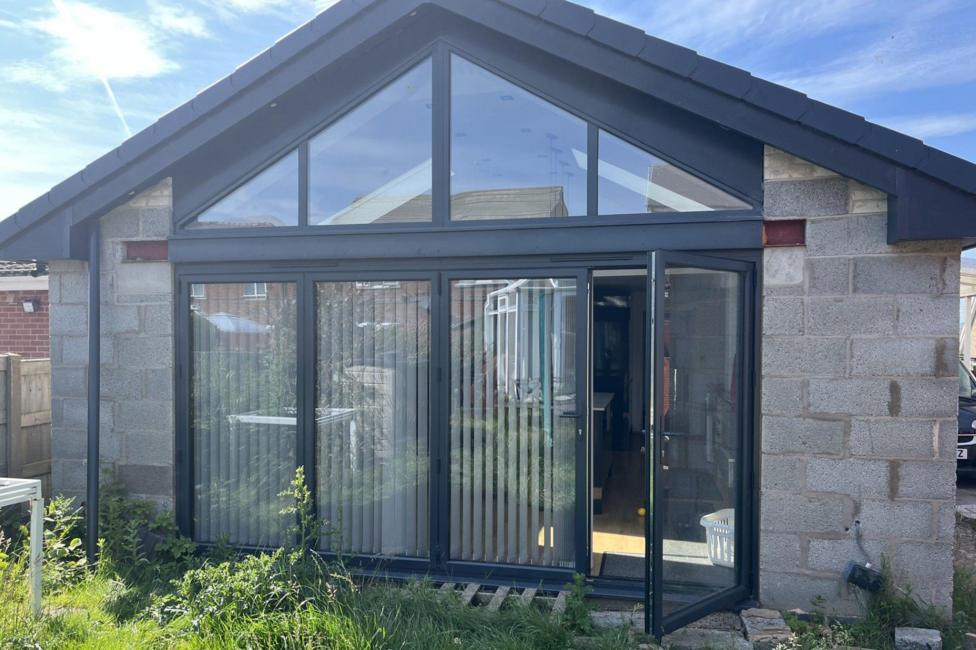
Sheri Ingram, from Cardiff, was among his victims. In 2015, when she was 21 years old, she and her then partner purchased a house in Aberbeeg, Blaenau Gwent with plans to renovate it. They hired Slocombe to construct an extension and reconfigure the ground floor into an open-plan layout.
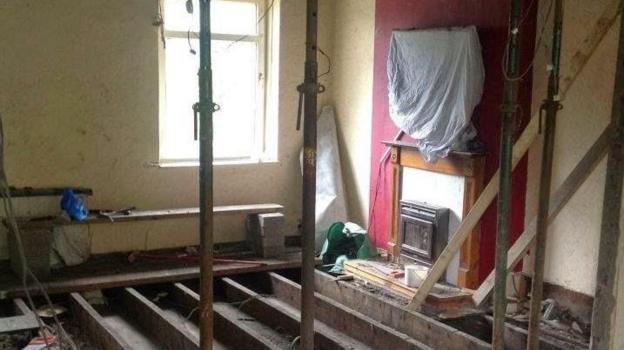
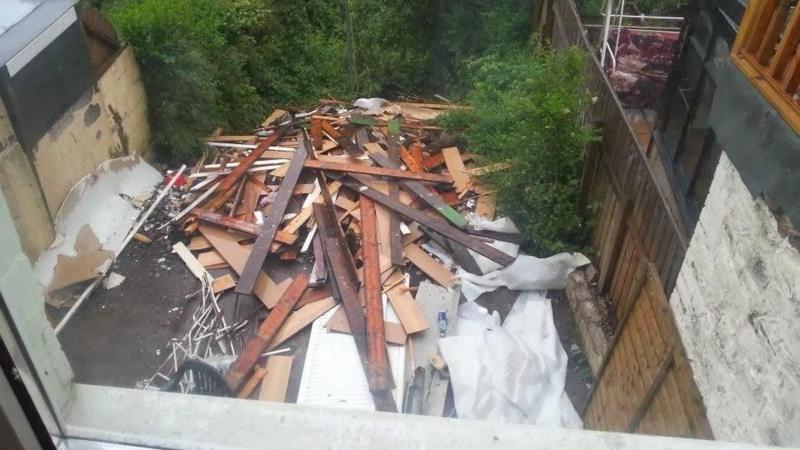
For the opening six weeks, Slocombe maintained regular contact and appeared engaged with the project. However, he repeatedly identified fresh complications requiring additional funds to address them. After this initial period, he severed all communication and vanished with the £14,000 that had been paid to him. When Ingram's ex-partner eventually made contact with him, Slocombe claimed the funds had been exhausted and suggested he would repay the money once he received compensation from an injury sustained on another construction site.
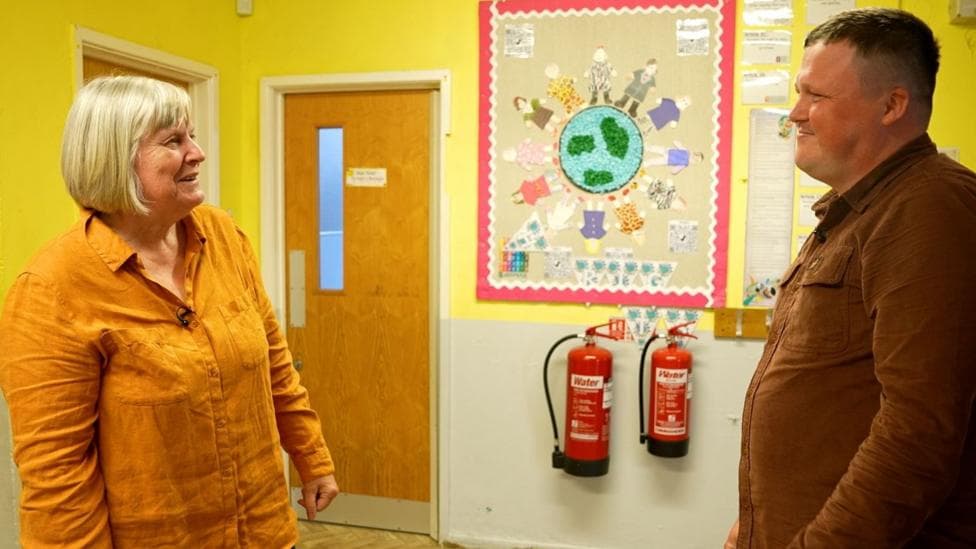
The property was subsequently restored through the Channel 5 programme Cowboy Builders, which specialises in assisting families exploited by unscrupulous tradespeople. Ingram reflected on how easily she had been deceived:
He was recommended to us by a serving police officer who my ex knew. So why on earth would we have not trusted him?
Slocombe's pattern of offending extends back to 2015. He received a 43-month prison sentence that year for three fraud offences. In 2023, he was sentenced to five years and five months after defrauding seven families of £150,000. His most recent conviction involved him operating under the alias Lee Lewis to conceal his previous convictions. On two occasions, he brought an unqualified and fraudulent gas engineer to properties, leaving them in conditions described by the court as
potentially lethal.
Slocombe was placed under a Criminal Behaviour Order prohibiting him from undertaking building, maintenance or gardening work anywhere in the United Kingdom for life. He was also disqualified from serving as a company director until 2031. Critically, he committed the offences for which he was jailed in February while on Crown Court bail, demonstrating a persistent disregard for court orders.
How widespread is the problem?
The scale of consumer harm from rogue traders is substantial. The UK government reported that more than one quarter of people who completed home improvements in the preceding 18 months encountered difficulties, including builders disappearing after receiving upfront payments. A survey commissioned for the Competition and Markets Authority found that customers lost more than £10 billion in 2024 on home and garden maintenance services through losses, inflated charges or unfair trader practices.
Barry and Shelley Sawkins from Flintshire experienced devastating losses at the hands of Christian Williams, a rogue builder who left their extension unfinished with water infiltrating the property. The couple lost more than £30,000 to Williams, who is currently serving a two-year prison sentence after admitting theft and three counts of fraud by false representation affecting four families.


In a Proceeds of Crime Act hearing conducted in June at Mold Crown Court, the court determined that Williams, trading as Chris Williams Construction, had benefitted to the tune of £163,051.70 from his criminal activity. However, his limited assets meant he could only be ordered to repay £1. The extension remains unfinished three years after work commenced in 2023, leaving the couple unable to fully enjoy their home.
We're in a place now where we are stuck. It has scarred us for life really.The Sawkins hope eventually to relocate to St Athan in the Vale of Glamorgan to be nearer their daughter once the work is finally completed.
What is the government's response?
In response to widespread consumer complaints, the UK government has unveiled plans to strengthen protections for homeowners against unscrupulous builders through a new database of vetted traders and a secure payment system. Prime Minister Andy Burnham characterised rogue tradespeople as leaving
families with months of stressalongside unfinished work, and stated they damaged the reputation of legitimate, hardworking professionals. He pledged to
put the cowboys out of business.
The scheme centres on an Approved Code developed in partnership with Trusted Payments and the Furniture and Home Improvement Ombudsman. Traders who join must demonstrate higher standards in customer service, transparency and dispute resolution. Critically, the payment system holds consumers' money safely and releases it in instalments as project milestones are completed, reducing the risk of upfront payment fraud.
Ingram welcomed the initiative as
a good step in the right direction, acknowledging that
the power imbalance is just so bigbetween homeowners and builders. However, she raised concerns about the scheme's voluntary nature:
I would expect the government to take accountability if the project did go wrong if I used the database. I don't think traders would and the reality is they don't need to.
The Sawkins expressed greater optimism. Shelley said:
I really do respect him [Prime Minister Burnham]. I like his approach. He speaks from the ground up. I think the government plans would help give people more confidence.
The Federation of Master Builders also flagged concerns about the voluntary framework. Chief executive Brian Berry stated:
The prime minister's push to crack down on rogue builders is a great move for the industry. However, it is a real concern that this is just another voluntary programme without regulation behind it.
When questioned on a national broadcaster's breakfast programme, Minister for the Future of Work Kate Dearden defended the approach, saying:
We want to act quickly and get support to people as soon as possible. Of course if it was compulsory, that would take a little bit more time for us to develop and to work to. However, we are going to be watching this really closely in terms of the uptake and the impact that it has in the sector.
When will the scheme launch?
The Trusted Payments app is set to go live next week, with more than 100,000 traders expected to have access before the end of September 2026. The Approved Code scheme itself is scheduled to launch in September, with the first businesses expected to join by the end of that month and full rollout anticipated by December 2026.
The initiative represents a significant shift in how the government addresses consumer protection in the home-improvement sector, though questions remain about whether voluntary participation will achieve the scale of change advocates believe is necessary to protect vulnerable homeowners from exploitation.