Sam Gardner's life could have followed a tragic path. Statistically, he acknowledges, he should be dead, imprisoned, or homeless. Instead, at 33, he has become a teacher himself—and recently reunited with the educator who helped set him on a different course.
Between ages three and 17, Gardner lived in 15 different foster homes, an experience he describes as creating profound instability. He frequently felt unwelcome, sometimes went hungry, and faced neglect. When he aged out of the care system at 18, his prospects appeared bleak. Yet a small number of supportive figures—what he calls "anchors"—provided the stability he needed to build a foundation for adulthood.
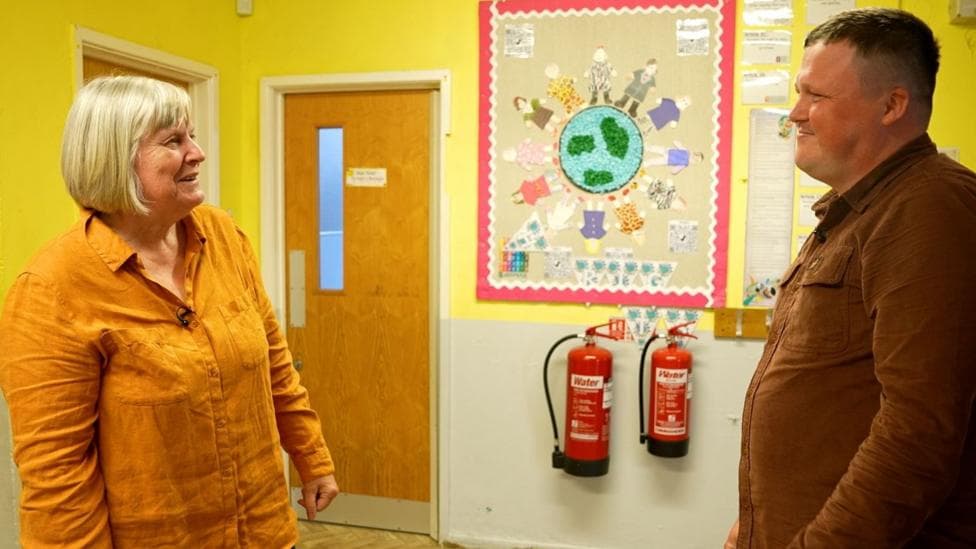
One of those anchors was Christine Meek, his primary school teacher. Twenty-five years after she taught him at St Michael's Catholic Primary School in Pontypridd, south Wales, Gardner and Ms Meek met again, reunited by a broadcaster's documentary project.
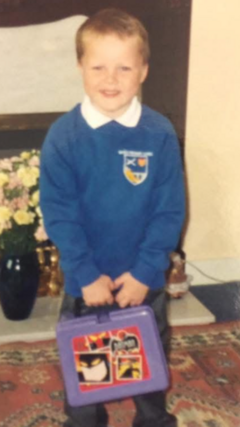
Gardner's early school experience was marked by struggle. Before joining Ms Meek's class at age eight, he was academically two years behind his peers and found the school environment deeply challenging. His care files, which he has recently reviewed, paint a stark picture of his behaviour at that time. One entry reads: "Sadly there has been a great deterioration in Sam's behaviour at school and he is the cause of much concern. His class teacher is emotionally drained. He is disruptive, erratic and volatile."
Reading these accounts proved overwhelming for Gardner, yet they underscore the transformation that followed. Under Ms Meek's guidance, he began to improve academically and eventually met grade expectations for his year group.
What made Ms Meek's approach different?
Ms Meek's impact lay not in extraordinary teaching methods but in her refusal to define Gardner by his circumstances.
She wasn't a perfect teacher but she saw past my label as a looked-after child. She also demanded that I didn't look at that label,Gardner recalled.
She made me feel like I belonged,he added, explaining that this sense of belonging became foundational to his ability to achieve.
Ms Meek herself attributed part of her effectiveness to what she did not know.
I didn't know a lot about Sam's background and in some ways I think that helps,she said.
The expectations were the same for everyone in the class.This consistency—treating Gardner as she treated all her pupils—proved crucial to his development.
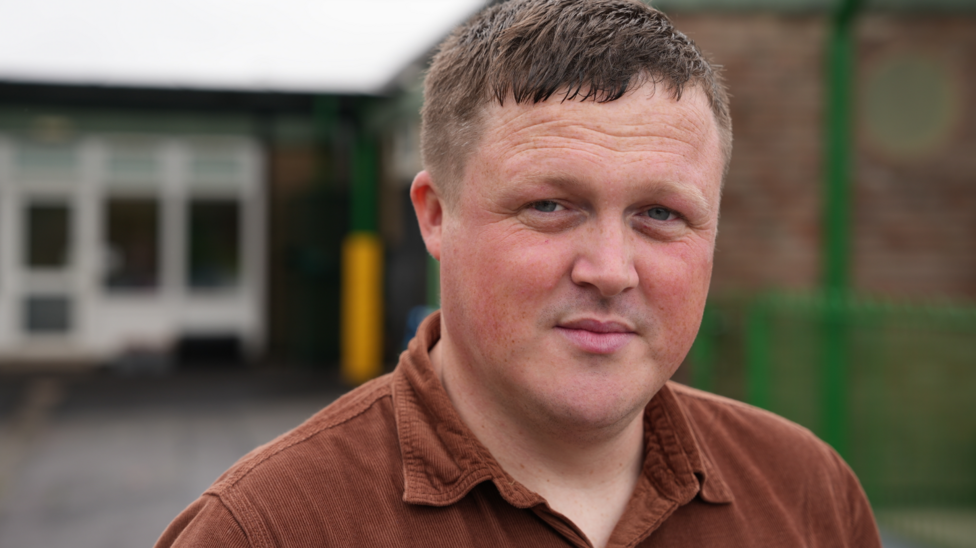
When Gardner and Ms Meek reunited at their old school, the emotional weight of the moment was evident.
I just want to say you've changed my life, I wouldn't be where I am without you,Gardner told her, embracing her. Ms Meek's response was characteristically modest:
It's you who should be proud of what you've done, because it's you who has done it.
For Gardner, returning to St Michael's as an adult brought unexpected clarity.
Walking back through those doors as the person I am today, I realised just how much of St Michael's I'd carried with me. My childhood involved so much change, but that school gave me something steady to stand on.

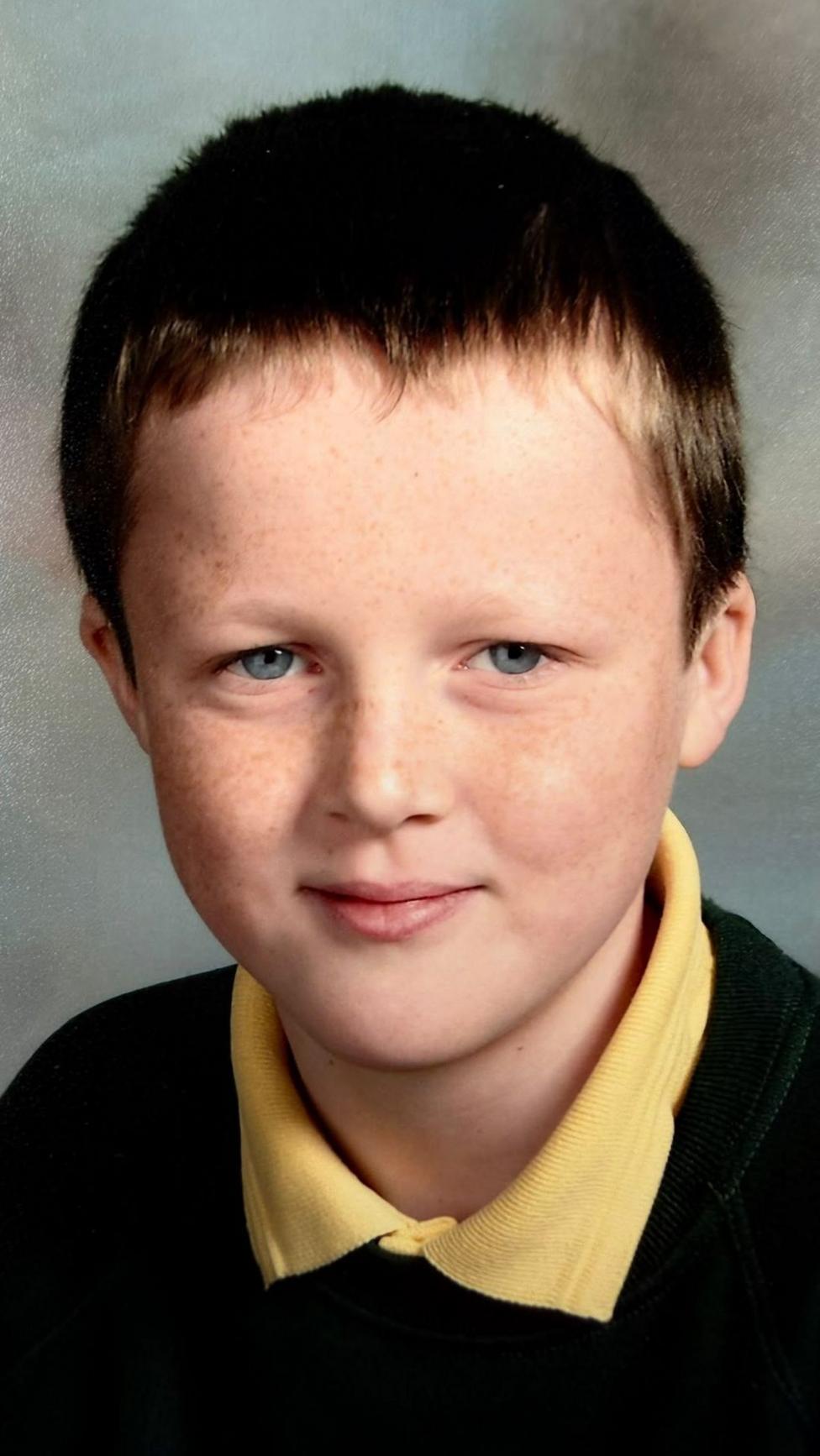
How did Gardner's care experience shape his perspective?
Gardner's journey through the care system exposed him to constant upheaval. He did not feel truly at home until he was placed with his final set of foster carers at age 17. The repeated relocations—often with his possessions packed into black bags—sent a powerful message about his place in the world.
The hardest part of being in foster care is the transitions, moving from home to home, often with your stuff in black bags. It signals that you're different, that you don't belong, you're not valued.
Over his lifetime, Gardner encountered more than 50 professionals involved in his care and support. Yet he emphasises that having a small number of genuine "anchors"—people who consistently believed in him—proved vital to his survival and success.
Ms Meek and the other adults there planted seeds in me that I probably couldn't see at the time, but they became part of the foundation I grew from,he reflected.
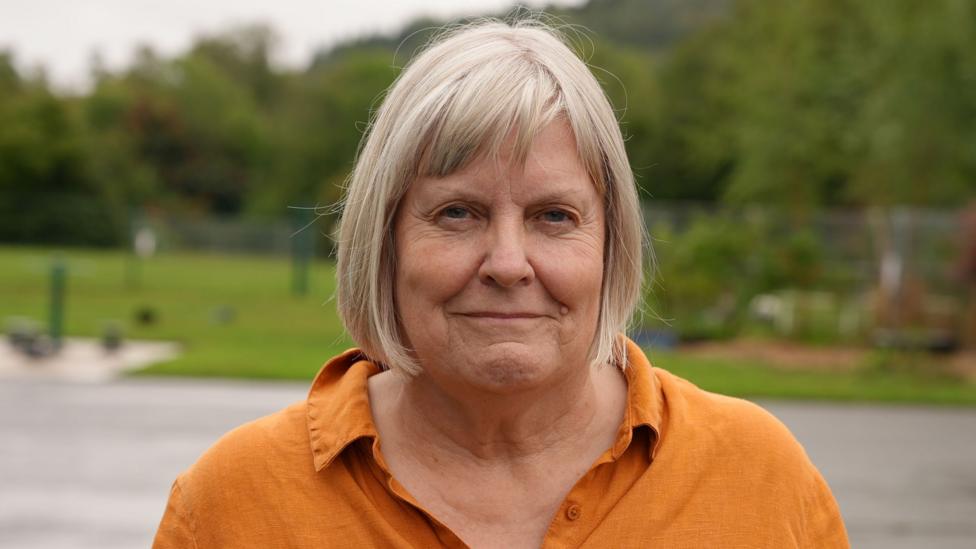
What does research reveal about care leavers?
Gardner's story of resilience arrives against a sobering backdrop. A UK government-commissioned review found that young care leavers in England die at a significantly higher rate than their peers, with the report's co-author describing the deaths as "a national tragedy." Current figures show approximately 7,000 children in foster care in Wales and 54,000 in England, according to government data.
Gardner has become vocal about the systemic failures that allow such outcomes.
The corporate parent is meant to be your parent. What kind of parent allows that to happen to their children? We need to wake up.
What initiatives are underway to support children in care?
Foster Wales launched a pilot programme in May across 37 schools in Swansea and Neath Port Talbot, designed to connect local authority fostering services directly with educational institutions. The initiative recognises that a single caring adult—whether teacher or school staff member—can profoundly alter a child's trajectory.
Alistair Cope, head of Foster Wales, highlighted the significance of Gardner's willingness to share his story.
We talk a lot about the power of one caring adult in a child's life, and that could be a teacher or member of staff within the school. It's been fantastic to see Sam sharing the importance of that, he's a phenomenal individual for telling his story.
Sketty Primary School in Swansea is among those participating in the pilot. Headteacher Simon Lloyd-Jones noted that
we are lucky to have such strong networks of care and support around our children - and this initiative helps shine a light on that. It also highlights the way schools go above and beyond to support some of our most vulnerable learners, including looked-after children, helping them feel safe, valued and able to thrive.

What is Gardner doing now?
Gardner left classroom teaching last year to work as a keynote speaker and trainer, drawing on his lived experience of the care system. His mission has evolved beyond personal advocacy.
My role isn't to call foster carers out, call the system out on what they've done wrong and how it's affected me and my life. It's more to show the impact we can have on thousands of children in this country.
He emphasises that understanding the unique instability faced by children in care is essential to providing appropriate support.
Children in care experience instability on another level, and that's often misunderstood, so the more we can understand the better we can provide the support they need.
The Welsh government acknowledged concerns raised by care-experienced individuals, stating that
sustained support for care leavers is vital, particularly as they transition into adulthood.
Key Facts
- Gardner lived in 15 foster homes between ages three and 17 before becoming a primary school teacher inspired by his former educator Christine Meek
- A government-commissioned review found young care leavers in England die at significantly higher rates than their peers, described as "a national tragedy"
- Foster Wales launched a pilot in May connecting fostering services with 37 schools in Swansea and Neath Port Talbot to improve support for children in care
- Gardner now works as a keynote speaker and trainer, advocating for better understanding of the challenges faced by children in the care system
- Approximately 7,000 children are in foster care in Wales and 54,000 in England