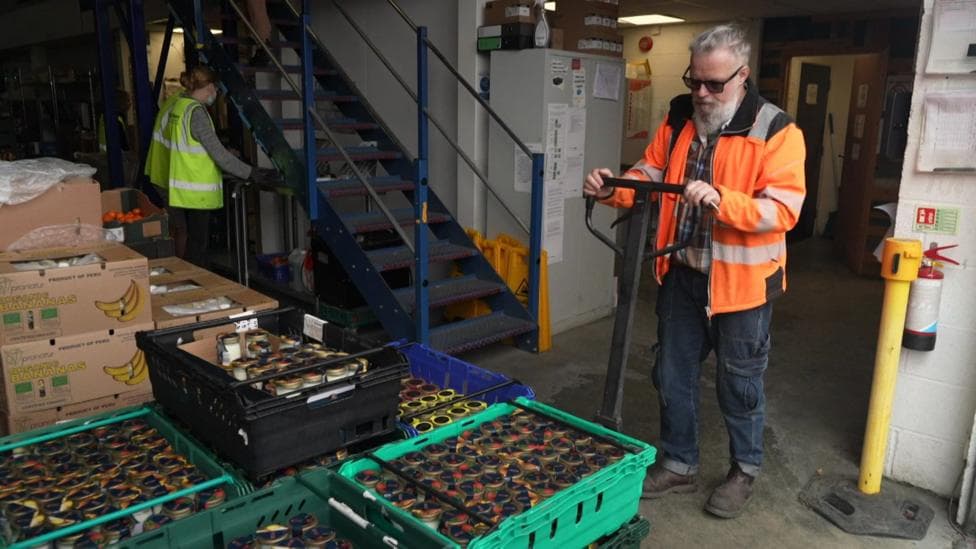
More than four in 10 UK teenagers are seeking expanded work experience opportunities during their school years, while a similar share want better guidance on job applications, according to a survey commissioned by BBC News. The findings reveal that young people also prioritise support with money management, stress handling, and communication skills as they prepare for employment after leaving full-time education.
Survation conducted the online survey with 2,000 young people aged 13 to 18, exploring what support they believe schools should provide to help them transition into the workplace. The results highlight a significant gap between the guidance teenagers receive and what they feel they need to succeed in their careers.
Skills Minister Jacqui Smith stated that it was the government's "mission" to ensure teenagers leave school "confident about their next step and equipped with the skills and experience they need to succeed". In England, the government has committed to guaranteeing two weeks of work experience for every young person during secondary school, though this opportunity is not yet universally available.
The survey revealed that more than half of respondents had not undertaken any work experience. When asked what skills or guidance they would like more of at school, the most frequently cited needs were work experience opportunities (44%), help managing finances (43%), guidance on job applications (42%), support with stress and mental health (39%), and development of communication skills (38%).
As part of the Teen Summit project by Radio 5 Live and Bitesize, the BBC followed four students from Newcastle—Param, McKenzie, Jasmine, and Javaris—as they undertook work experience placements for the first time. Their experiences illustrate both the value and the challenges young people face when entering the workplace.
What did the students learn from their placements?
Jasmine, aged 15, initially expressed anxiety about her future.
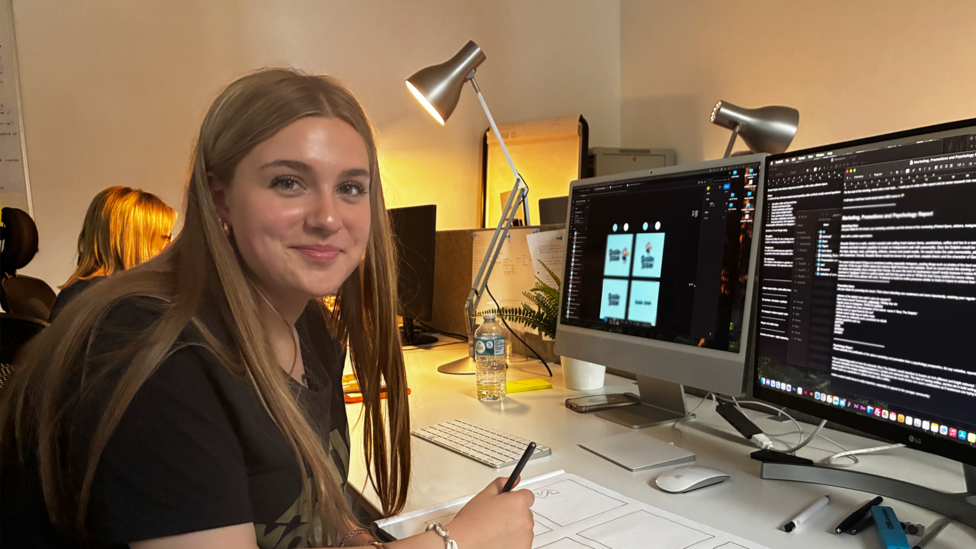
"I'm terrified about the future. I feel very uncertain about it,"she said before beginning her placement. She worked on logo designs at Readysalted, a web design and development agency in Newcastle, and discovered that office-based work was not suited to her interests.
"Hats off to all the workers that have to do this every single day,"she reflected on the experience. Although the placement gave her valuable insight into working life, she remained concerned about making the right decisions for her future.
"I think about exams and not getting the right grades, which leads to not getting into the right course and then not getting into university, and it's very stressful. That's always on my mind."
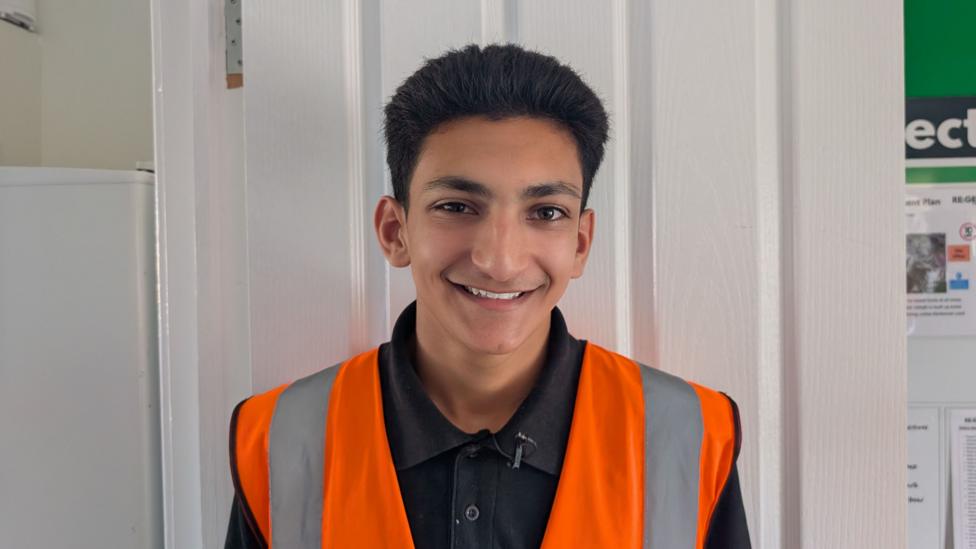
Param, also 15, completed his work experience at Re:Gen, a social housing group located near Newcastle's city centre. He discovered that success in the workplace depends on more than academic knowledge.
"Social skills are just as important as academic skills,"he said after spending time meeting clients and collaborating with unfamiliar colleagues. He also observed staff conducting quality checks on social houses, examining fittings and surfaces.
"It's given us a taste of the real world. It's bringing us out of our comfort zones."As an aspiring pilot, Param advocated for schools to teach practical life skills beyond work experience.
"We need to know about houses, mortgages, selling and tax,"he argued.
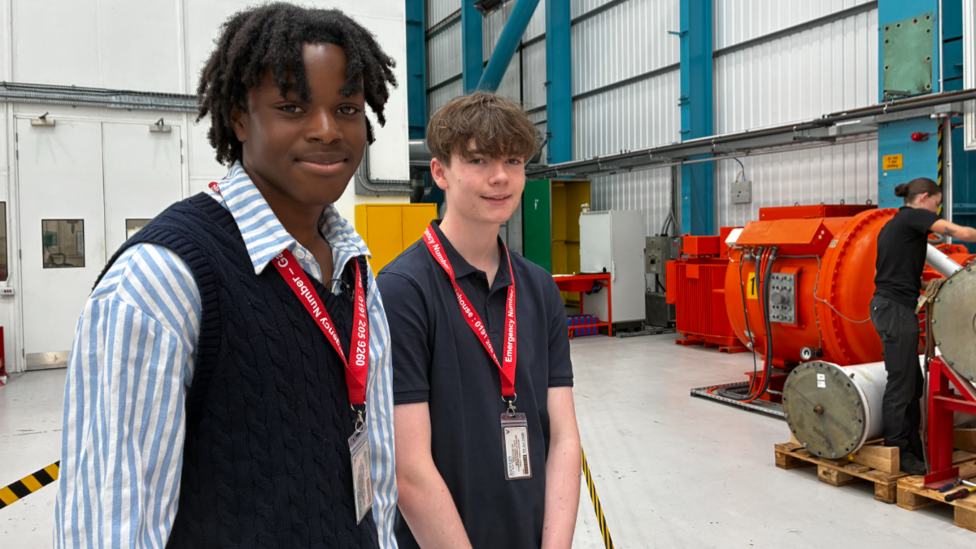
Javaris and McKenzie spent a week at Siemens Energy, where they encountered workplace dynamics and professional environments they had never experienced before.
"I've really never been in a workplace with people I don't know, having to socialise and having to teach me about things I've never learned before,"Javaris said. McKenzie, who aspires to study chemistry or become a firefighter, valued the opportunity to observe different job roles and understand the distinctions between hands-on and office-based work.
What skills do employers actually value?
When asked about school's preparation for the future of work, nearly a third of teenagers (32%) felt they were being prepared poorly, though more than half believed their education was adequate. The BBC challenged Javaris and McKenzie to develop their communication skills by presenting their thoughts directly to Aaron Smith, head of business for Group Technology Service at Siemens Energy.
Smith emphasised that academic strength alone is insufficient for career success.
"You know, you can be extremely academically strong, but if you can't do a presentation, if you can't speak in public, if you are in a group exercise and you step back, these are the kind of softer skills that will be picked out in an apprenticeship assessment centre,"he explained. When the students asked whether they should study artificial intelligence as part of their education, McKenzie expressed concern about the rapid integration of AI into workplaces.
"It's getting harder and harder to see what's AI and what's not,"he said, though he remained optimistic about his prospects. Smith confirmed that AI is central to his industry's future.
"Certainly AI is huge within the industry. We're actively encouraging AI training, AI learning, AI applications in our business to make us better."
How are schools responding to these needs?
Nigel Holmes, the students' deputy principal, acknowledged the importance of academic qualifications but stressed that schools must also develop employability skills.
"We'd be really remiss if we didn't look at those wider employability skills that I think we know are really important,"he said.
The government has signalled its commitment to youth employment. On Sunday, Prime Minister Andy Burnham stated his intention for the government to "invest in the success of our young people", with plans for thousands of job opportunities expected to be announced that week. According to the Careers and Enterprise Company, from September 2026, schools in England are expected to reform work-experience programmes to provide at least two weeks by Year 11—one week in Years 7–9 and one week in Years 10–11. However, updated Department for Education guidance indicates that this two-week ambition is not yet a statutory requirement, though schools and colleges are expected to plan for it.
Current participation rates reveal a significant challenge ahead. A July 2026 report cited by ASCL found that 58% of Key Stage 4 students currently take part in work experience, while 81% of young people rely on family and friends to find placements. This reliance on informal networks suggests that without structured support, access to work experience remains unequal.
What do the students say about their futures?
Despite the backdrop of AI advancement and a challenging jobs market, more than three quarters of teenagers surveyed reported feeling positive about their futures. In the weeks following their work experience placements, all four students expressed greater clarity about their career paths.
Javaris believes work experience should be mandatory, saying it
"really gives you an insight of what to expect [as] you get older."For Jasmine, whose anxiety about her future had been significant before her placement, the experience brought reassurance. After consulting with her school careers adviser, she began considering psychology as a field of study.
"I was kind of worried that I wouldn't get the grades I wanted. I still am a bit,"she reflected.
"But I definitely know now that even if you don't get grade nines, you'll still have a future and you can still be happy with your job."
What happens next?
The government's commitment to expanding work experience aligns with broader policy initiatives. Former minister Alan Milburn has recommended introducing children to careers in primary school and making real-workplace experience mandatory for 14- to 16-year-olds, with the final instalment of his government-commissioned review expected in autumn 2026. These developments suggest that the role of work experience in secondary education will continue to evolve, with potential implications for how schools structure their careers provision and how employers engage with young people.