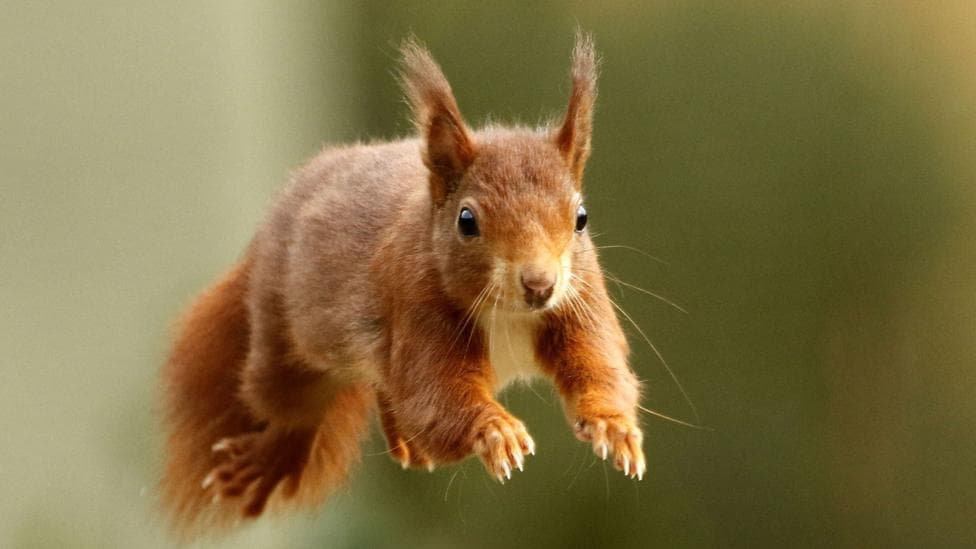
Conservationists regard Jersey as an "important refuge" for red squirrels, a species facing extinction across much of England and the wider UK. According to BBC News, the Channel Island supports a flourishing population of the animals, a success driven almost entirely by the island's isolation from grey squirrels, which carry a virus that proves fatal to their red cousins.
Red squirrels have become critically endangered throughout Britain, with only 120,000 to 160,000 individuals remaining in the wild. Strongholds persist in parts of England, particularly on islands, yet approximately 75% of the entire British population is concentrated in Scotland. Jersey, however, stands as a remarkable exception—a place where visitors from the mainland often prioritise seeing red squirrels because they remain so scarce and difficult to encounter in most of the UK.
The island's squirrel population faces multiple threats across Britain. The Government of Jersey identifies disease, vehicle collisions, pets and fragmented woodland as ongoing hazards, with the Jersey Society for the Prevention of Cruelty to Animals (JSPCA) conducting regular health monitoring of the animals.
How did red squirrels arrive on Jersey?
Red squirrels are not indigenous to Jersey; they were introduced to the island in 1885. Despite this non-native origin, Henry Glynn, an ecologist with the National Trust of Jersey, describes them as "naturalised"—having become thoroughly "assimilated into the natural environment" across the intervening 140 years. A genetic study revealed that Jersey's squirrels descend from two separate introductions: one population arrived from southern England in the island's west, while another came from mainland Europe, likely France, in the east, with both groups' genetic signatures remaining detectable in the modern population.

Glynn emphasised the cultural significance of the animals to the island. He said:
"When you speak to people who have come over to visit the island from the UK, a lot of them will say that one of the things they want to do whilst here is to see a red squirrel, because they're so rare and so difficult to see in large parts of the UK. That is actually really special for them."
Red squirrels have featured prominently in Visit Jersey tourism campaigns, including one fronted by conservationist Ben Fogle, underscoring their importance to the island's identity and visitor experience.
Why are they thriving on Jersey when they struggle elsewhere?
The primary reason for Jersey's red squirrel success is straightforward: the island has never been invaded by grey squirrels. Grey squirrels were introduced to England in the late 19th century on private estates and subsequently spread alongside squirrelpox, a disease they can carry without harm but which often proves lethal to red squirrels. Jersey's geographical isolation has protected its red squirrel population from this catastrophic threat.
The National Trust of Jersey confirmed that the island functions as an "important refuge" for the species, where they are "fairly widespread" across the landscape. Inland valleys and woodlands offer the best opportunities for spotting them.
Beyond the absence of grey squirrels, the island's red squirrels benefit from active community support and protective infrastructure. Nina Powell, senior animal carer at the JSPCA, observed that Jersey maintains a "good population" of squirrels and that "you can see them almost anywhere". She explained:
"A lot of people do support them, put out feeders and stuff like that. Their habitats are decreasing everywhere... but we do have quite a lot of nature reserves. In some places, we've got rope bridges which really help them cross the roads, and our speed limits are quite low, so that helps them as well."
The species enjoys legal protection on Jersey, making it a criminal offence to harm them. Henry Glynn noted that community affection plays a crucial role in their survival. He said:
"They're really beloved amongst the local community as well. A lot of people put out squirrel feeders or love to see them in the garden. We get lots of reports from people who just want to tell us they've seen them because they're so happy to have them around."

What does the JSPCA's work reveal about Jersey's squirrels?
The JSPCA has handled 50 red squirrels so far in 2026, including hand-raising eight babies, known as kits. Powell described the animals' varied personalities:
"We want to keep all animals as wild as possible, so we try and be as hands-off as possible. Some of them don't like us... some of them are quite sweet. They really do vary in personality."
A genetic and health study conducted between 2007 and 2009 estimated Jersey's squirrel population at between 600 and 1,000 individuals and identified amyloid deposits in 37 of the 220 squirrels examined, suggesting that disease monitoring remains an important part of conservation efforts on the island.
What is the broader context for red squirrel conservation?
Jersey's thriving population stands in sharp contrast to the conservation crisis unfolding across Britain. Multiple initiatives are underway to reverse the decline of red squirrels in England. Volunteer groups such as the Upper Coquetdale Red Squirrel Group have secured funding to deploy remote monitoring technology, while facilities like the Suffolk Owl Sanctuary have begun breeding programmes to boost wild populations. These efforts underscore the scale of the challenge facing the species and the importance of refuges like Jersey where red squirrels continue to flourish without intervention.