Soaring fuel expenses are straining the ability of the South West's largest food redistribution organisation to deliver supplies to thousands of vulnerable people across Devon and Cornwall. According to BBC News, FareShare South West has warned that petrol and diesel price increases are forcing the charity to absorb mounting costs while demand for its services continues to climb.
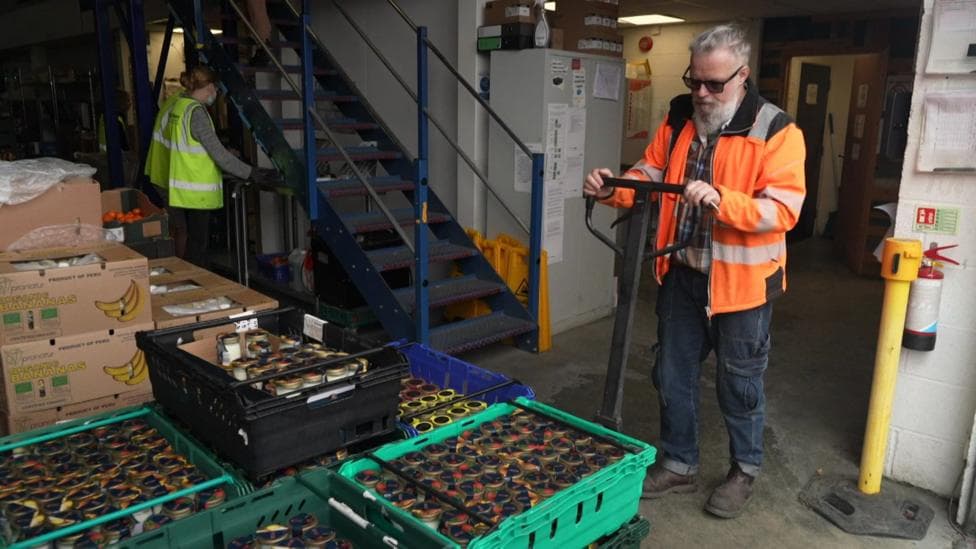
The charity has reported a 45% surge in demand for food support since the Covid-19 pandemic ended, yet the expenses of collecting and delivering surplus food have risen sharply. FareShare South West redistributes food to approximately 70 organisations across the region and operates from a distribution hub in Plymouth, where around 80 volunteers and four paid staff members sort, organise and load tonnes of surplus food each week.
The organisation sources surplus food from producers, farmers, supermarkets and other businesses before it would otherwise be discarded. Much of this food—including fresh fruit, vegetables and dairy products—is then distributed to charities and community groups throughout Devon and Cornwall.
How much have fuel costs risen?
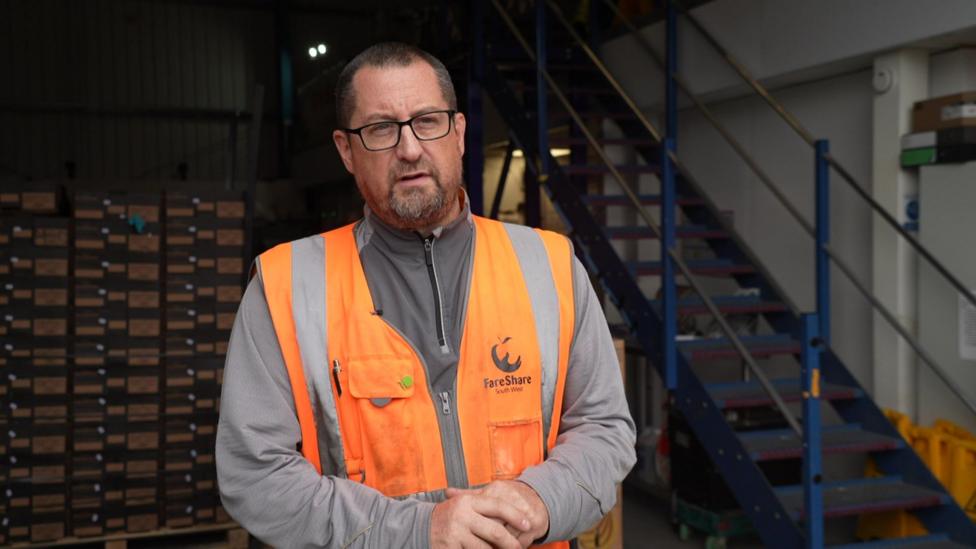
Petrol prices have climbed by 31% and diesel by 41% over the previous six months, according to hub manager Ryan Jackson. These increases have forced the charity to absorb significantly higher operating expenses at a time when requests for support from other charities across the region have grown substantially.
Commercial energy prices are 75% higher than in 2021, which has increased the cost of running chillers and freezers essential for storing perishable food. Recent increases in wholesale oil prices have contributed to these higher fuel costs, making travelling and transporting goods more expensive for charities, businesses and households across the country.
What impact could this have on volunteers?
The rising cost of fuel threatens to affect the volunteers who keep the service running. Volunteer Jamie Henshaw explained the dilemma facing those who give their time without payment:
Everybody's feeling the pinch, but we love what we do. Volunteers aren't paid, so this comes out of their own pockets. They're giving their time and goodwill. There may come a point when some simply can't afford to come to work.
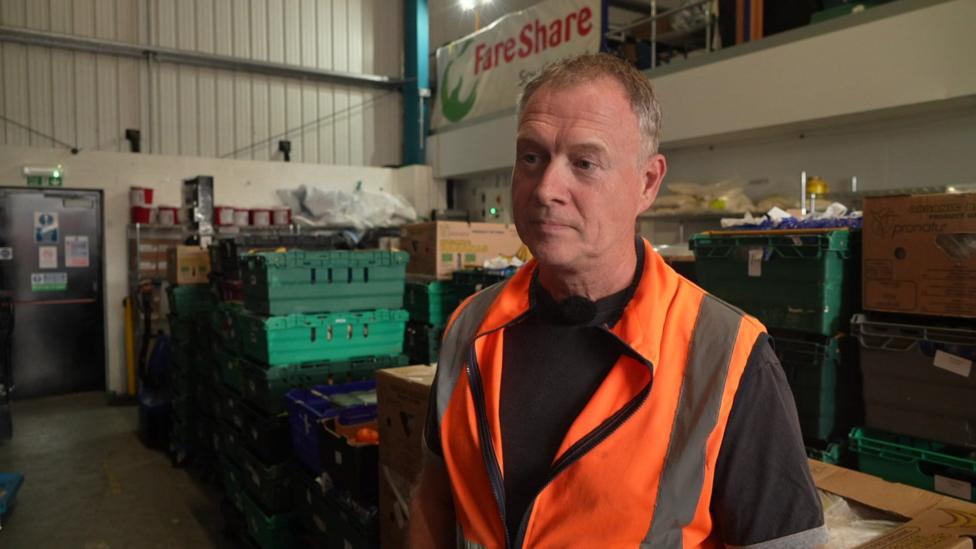
Jackson warned that prolonged high fuel prices could create further recruitment and retention challenges.
If fuel prices stay high for a long period, it could affect our ability to recruit and retain volunteers,he said. Staff and volunteers are already paying more to travel to their shifts, adding personal financial strain to those working to address food poverty in the region.
What is the charity's funding model?
FareShare South West relies on a mix of government, corporate and independent funding to sustain its operations. In December 2025, a regional appeal raised £100,000 in a week to help keep the charity's food-support services running through winter, demonstrating community support for the organisation's work.
What expansion plans does FareShare South West have?
Despite the additional costs, FareShare South West remains committed to meeting growing demand for its services. The charity plans to move to a larger hub in Plymouth later in 2026 and create more food collection points across the region. The planned larger hub is intended to help provide more than half a million additional meals, significantly expanding the organisation's capacity to address food insecurity.
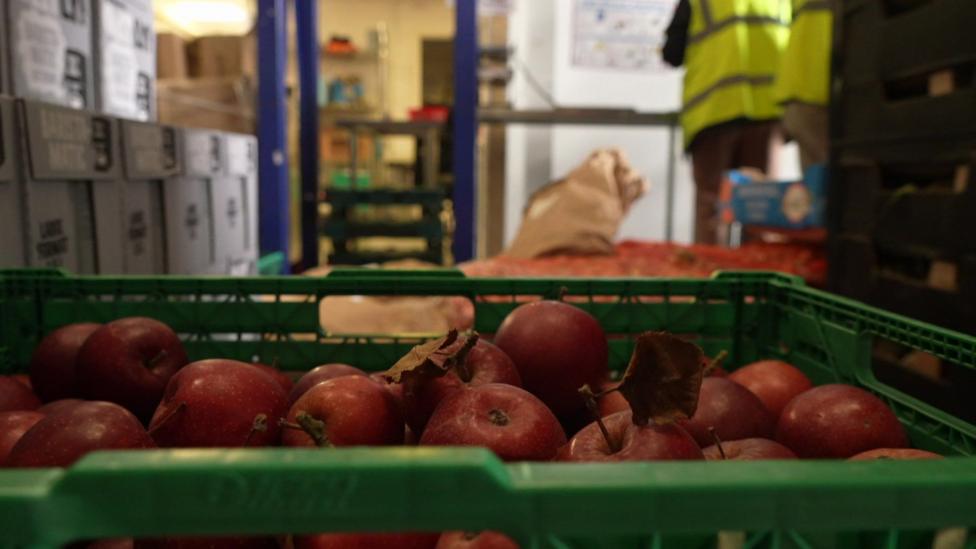
The current Plymouth warehouse, which opened in 2022, was designed to support more than one million meals a year and save 420 tonnes of surplus food from waste. The expansion reflects the growing scale of food poverty across the South West and the charity's determination to scale up its response despite operational headwinds.
What is the broader context for food charities?
FareShare South West's challenges reflect wider pressures facing food redistribution organisations across the region. Other charities working to rescue surplus produce and support vulnerable households are facing similar cost pressures. Gleaning Cornwall, another volunteer-led charity, has rescued £1 million worth of produce from farms and donated it to 160 food banks across the South West, but has also warned that rising operational costs threaten its ability to meet growing demand. Food in Community is similarly working to expand its efforts to rescue surplus produce and expand doorstep deliveries in Devon and Cornwall, seeking more farmers, volunteers and partners to support the work.
Key Facts
- FareShare South West saw demand for food support rise 45% since the Covid-19 pandemic
- Petrol prices increased 31% and diesel 41% over six months, forcing the charity to absorb higher costs
- The charity operates from a Plymouth hub with 80 volunteers and four paid staff sorting and distributing tonnes of food weekly
- A larger Plymouth hub is planned for autumn 2026 to provide more than half a million additional meals annually
- Commercial energy costs are 75% higher than in 2021, increasing expenses for food storage and distribution