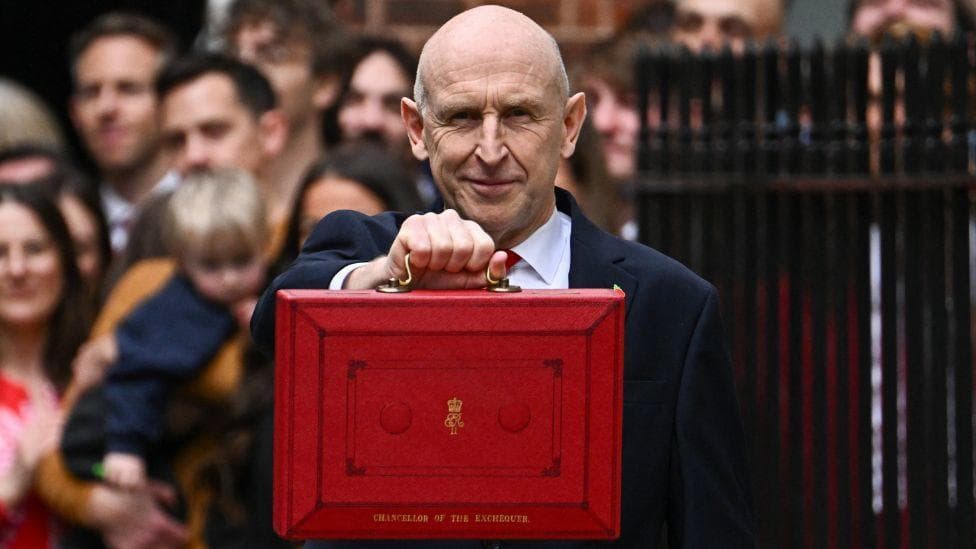
The UK government has pressed the Scottish, Welsh and Northern Irish governments to replicate a scheme that will deliver £100 to households during the winter months. According to BBC News, Chancellor John Healey unveiled the measure as part of the Autumn Budget, announcing that around 20 million English households in council tax bands A to D would receive the payment directly into their bank accounts. BBC News reported that Healey called on the devolved administrations to "do the same and give people of all nations in the UK breathing space on their energy bills this winter."
Healey stated that the payment would
help deal with rising energy bills and take the pressure off in the coldest months. The UK government confirmed that Scotland, Wales and Northern Ireland would receive proportionate funding from the £2.6bn scheme. Approximately 1.9 million homes in Scotland fall within council tax bands A to D, according to government figures, requiring a minimum outlay of £190m to provide each with £100. In Wales, it is thought that between 70 to 75 per cent of households are in the A-D council tax band.
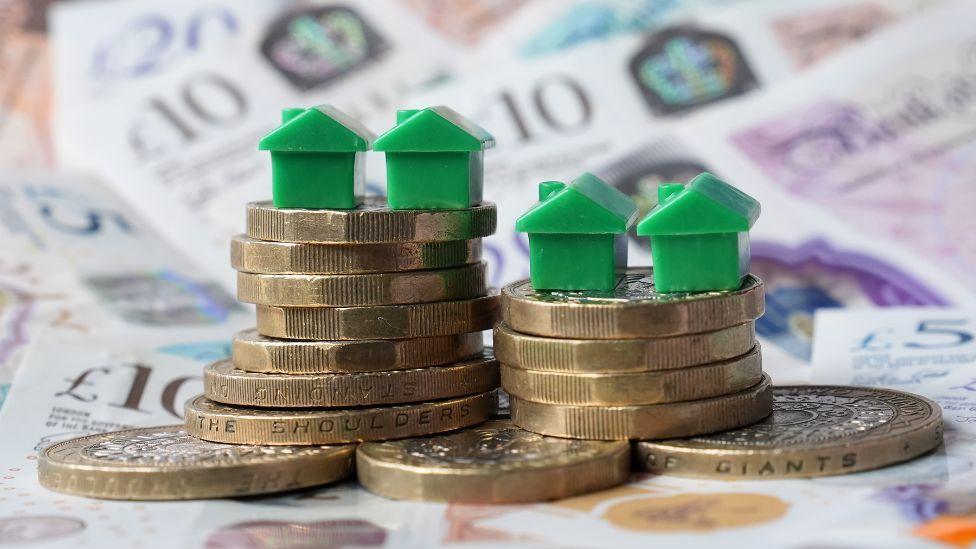
How will the payment be funded?
The scheme will be financed through a temporary increase in the bank surcharge. BBC News reported that the surcharge will rise by three percentage points, bringing it to 6%, starting in January and lasting 15 months. However, the government had not yet specified the exact administration process or the precise date when the payment would arrive.
What other energy measures did the Budget include?
Healey committed to several additional measures aimed at reducing household energy costs. Standing charges on household gas bills are to be eliminated for 23 million homes across the UK. These fixed fees, which currently average £108 annually regardless of usage, will be replaced by costs incorporated into the unit rate. The government estimates that 60 per cent of households will save an average of £45 per year as a result.
The restructuring means households consuming less gas will pay proportionally less, though those using more will face higher bills. The chancellor also extended the VAT cut on electricity bills and increased the National Minimum Wage and National Living Wage by 3.9 per cent.
These savings, however, will be substantially offset by forecast increases to energy rates. The typical annual household energy bill is expected to rise by £276 from January, meaning the standing charge reduction and the £100 payment will provide only partial relief against broader price increases.
How do council tax bands work and who qualifies?
Council tax bands determine eligibility for the payment based on property values. The Independent reported that the last full valuation of properties for council tax purposes was carried out in 1991, meaning the bands may not reflect current property values or accurately identify households most in need of support.
Money advice representatives have raised concerns about the targeting mechanism. Examiner Live quoted advisers warning that payments directed into overdrawn bank accounts could be absorbed by overdrafts rather than reaching households' disposable income, potentially limiting the scheme's effectiveness for those in the most precarious financial situations.

What other announcements affect Scotland and Wales?
Beyond the energy payment, the Budget includes several measures with direct implications for the devolved nations. Pensioners on low incomes will be shielded from income tax when the state pension increases. The government pledged £18m for an advanced chip design project led by the University of Edinburgh and £6m to expand Glasgow's Scottish Event Campus.
A further £20m will establish "defence technical excellence colleges" in the east and west of Scotland. Defence spending increases could benefit Scottish naval bases and shipyards, though this potential gain must be weighed against spending cuts across Whitehall departments that will have knock-on effects for the Scottish Budget.
In Wales, the government announced £30m to fund a new train station in the east of Cardiff. The UK government said the Welsh government, which funds public services in Wales including the NHS, would receive an extra £450m over three years as a result of the Budget measures.
Scottish Secretary Douglas Alexander said:
This is a budget that puts money back in the pockets of Scottish households, backs businesses, and puts Scotland firmly at the heart of the UK government's plan for growth and reindustrialisation.Scottish Labour leader Michael Marra stated that the extra funding from the £100 payment scheme
should be used to give Scots breathing space, not to plug holes in the Scottish Government Budget.
The Welsh response was more critical. Plaid Cymru, which runs Wales' government, said the plans risked the "kind of spending reductions Wales experienced during the worst years of Tory cuts". Plaid Cymru MP Ben Lake said the £450m for Wales over the next three years risked "forcing the kind of spending reductions Wales experienced during the worst years of Tory cuts" because it had not kept up with inflation. The party's Treasury spokesperson stated: "Today's Budget was UK Labour's opportunity to prove that Wales is more than an afterthought in Treasury decisions. Instead, it appears to have delivered the worst funding settlement for Wales in years."
How does this affect the Scottish and Welsh budgets?
Many of the chancellor's announcements apply directly across Scotland and Wales, including changes to fuel and alcohol duty and decisions on policy areas controlled by Westminster such as the state pension and minimum wage. However, the Scottish government controls devolved areas including income tax rates, health, education and policing, meaning Budget announcements in those areas do not automatically apply north of the border.
The additional funding Scotland and Wales receive from the Treasury is calculated using a formula that aims to give devolved nations roughly a population share of changes in spending in England. Officials on both sides of the border are now calculating how much cash will reach each nation in 2026-27.
Scottish Finance Secretary Jenny Gilruth is scheduled to announce the Scottish Budget on 3 December, at which point the government's response to the chancellor's call for a £100 energy payment scheme is expected to become clear. The Welsh government has also been asked to comment on its response to the energy payment proposal.
What happens next?
The temporary bank surcharge increase is set to begin in January and will remain in place for 15 months. The Scottish and Welsh governments' decisions on whether to implement matching energy payment schemes are anticipated before the end of the year, with the Finance Secretary's Budget announcements providing the likely forum for those announcements.