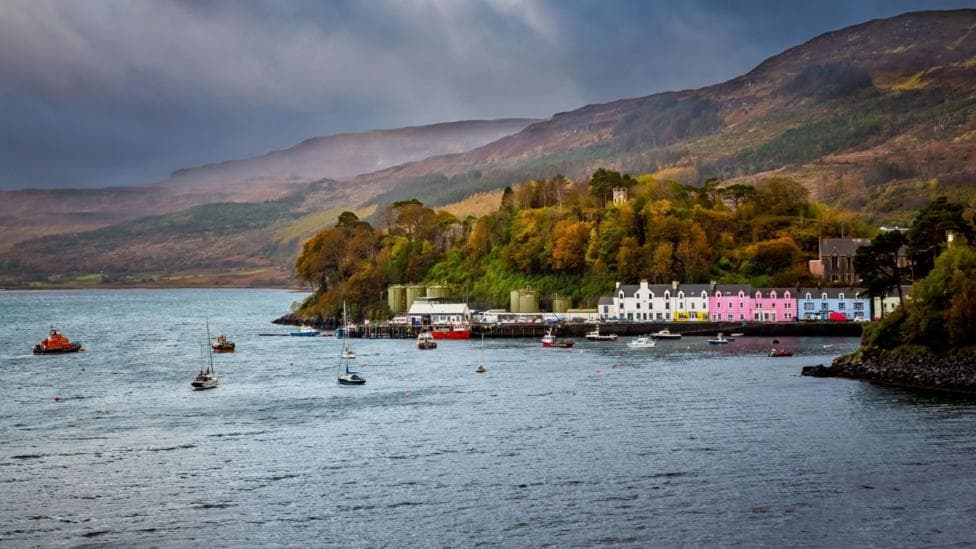
Highland Council is preparing to launch a consultation on whether to designate Skye and the neighbouring island of Raasay as an area of linguistic significance (ALS) for Gaelic, making them the local authority's first such designation under new Scottish language protection powers. According to BBC News, the council has proposed using authority granted by the Scottish Languages Act to introduce the status, which recognises regions with strong Gaelic presence and cultural heritage.
The local authority will recruit a community engagement officer to advance the proposals and guide residents through the designation process. Councillors on the Gaelic committee were informed earlier this year that Skye and Raasay would qualify for ALS status, with officials noting that the designation would demonstrate Highland Council's commitment to the language and potentially unlock economic and educational benefits similar to those observed in Irish Gaeltacht regions.
What qualifies an area for linguistic significance?
Regions where at least 20% of residents possess Gaelic language skills automatically qualify as an ALS, though areas with substantial cultural or historical connections to Gaelic can also meet the criteria. Statutory guidance published in March 2026 indicates that areas may qualify through their Gaelic-speaking population, historical connection to the language, presence of Gaelic-medium teaching, or significant Gaelic-language and cultural activity. In the case of Skye and Raasay, the council report identifies Gaelic-medium education, cultural activity, and everyday language use as factors relevant to the designation.
How does this fit into broader language protection?
The Scottish Languages Act represents a significant shift in how Scotland recognises and supports its indigenous languages. The Scottish Parliament passed the Scottish Languages Bill on 17 June 2025, with it becoming an Act on 31 July 2025. Gaelic and Scots were formally recognised as official languages on St Andrew's Day in November 2025, marking what Scotland's then Deputy First Minister Kate Forbes, herself a Gaelic speaker, described as a historic milestone.
Beyond the ALS designation, the Act empowers parents to request the establishment of a Gaelic school in their area and aims to expand the range of qualifications available in Gaelic. Ministers also gained powers to commission research into the use of Gaelic and Scots and to establish teaching standards for both languages.
What is the current state of Gaelic in Highland?
According to the latest census data, 18,552 people across the Highland Council area possess Gaelic language skills. However, this represents only 8.07% of Highland residents aged three and over, according to the 2022 Census. The Skye and Raasay electoral ward, by contrast, exceeds the statutory 20% threshold for ALS qualification, reflecting the islands' stronger Gaelic-speaking community and cultural heritage.
What happens next?
The ALS provisions for Highland Council commenced on 1 September 2026, with the council required to complete designation for all qualifying areas by 1 September 2027. Further committee reports will outline consultation and engagement plans, delivery phasing, and governance arrangements for implementing the designation. The council's approach has also evolved beyond the initial focus on Skye and Raasay; the Gaelic Committee agreed to adopt a council-wide approach to identifying areas for designation rather than limiting consideration to those two islands alone.