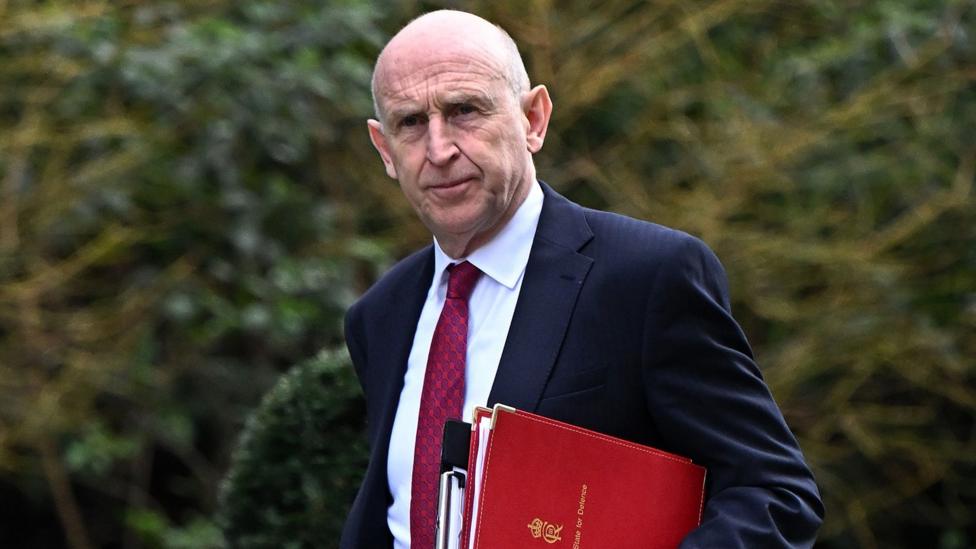
Stormont ministers are set to discover on Wednesday how much additional funding Northern Ireland will receive from the Westminster Budget, with hopes that fresh money could help break a seven-month deadlock over the devolved administration's spending plans. According to BBC News, Chancellor John Healey is expected to announce the headline allocation during his Budget speech, though government sources have cautioned against expecting a transformational injection of cash.
The Northern Ireland Executive remains without an agreed budget despite being seven months into the financial year. While the UK government has already offered an additional £525m this year, the parties collectively say they require approximately £1.5bn to produce a workable financial plan. Democratic Unionist Party leader Gavin Robinson acknowledged last week that it would not be realistic to expect the gap to close entirely, but suggested the additional funding could make the shortfall "more manageable".
According to the Belfast Telegraph, Prime Minister Andy Burnham has urged Stormont ministers to take responsibility for reaching an agreement, stating that the burden cannot always rest with the UK government, though he acknowledged finding additional resources despite wider pressure on public finances.
The mechanism for calculating Northern Ireland's share is well established. Stormont receives a population-based allocation of any additional spending committed to public services in England. The chancellor traditionally announces the headline figure during the Budget speech, after which Stormont's Department of Finance will conduct its own calculations to determine when the money can be spent and what purposes it can serve.
Some funding is already confirmed for this financial year as a result of measures announced following Burnham's appointment as prime minister. His decision to freeze bus fares in England is expected to deliver approximately £10m to £15m to Stormont this year. However, the majority of Wednesday's allocation is likely to be designated for the following financial year.
A spending watchdog has estimated that Stormont departments face a shortfall of up to £1.6bn, and without an agreed budget, departments are currently restricted to spending no more than 95 per cent of the previous year's funding. Finance Minister John O'Dowd has warned that increased UK defence spending in the Budget could reduce Northern Ireland's funding through the Barnett formula, potentially offsetting gains achieved through other spending increases.
What measures is the chancellor expected to announce?
Healey is anticipated to prioritise "breathing space" measures designed to help households manage the cost of living. He has stated that such immediate relief "must go hand-in-hand with building for the future", and the Budget is expected to include targeted support for businesses and self-employed people, action to reduce energy costs permanently, backing for entrepreneurs and investment in growth-driving technologies, and a programme to build additional homes.
A minimum wage rise is expected to be announced, though 18-to-20 year-olds are set to receive smaller increases than in previous years. The government has also confirmed several other measures, including the removal of import taxes on certain food items and the elimination of the so-called cliff-edge for those receiving carer's allowance payments.
Any support announced for energy bills is unlikely to apply directly in Northern Ireland, which operates a separate energy market with distinct regulations from the rest of the UK. Instead, funding would be allocated to Stormont to establish its own support schemes. Households in Northern Ireland have already received a £63 reduction in electricity bills this month as a result of two schemes operating in Great Britain.
How will business owners respond to a minimum wage increase?
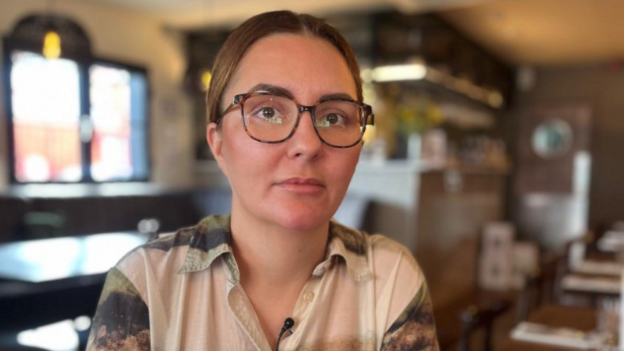
Christina Taylor, who owns Shed Bistro in south Belfast and employs approximately 30 staff, expressed concern that another rise in the minimum wage would translate into higher prices for customers.
The raise last year meant that every guest would need to spend £4.50 more to cover that,she explained.
That's so much money and people can't afford that.
Taylor argued that raising the minimum wage does not address the underlying cost of living crisis because the expense simply cycles through the economy without improving anyone's financial position.
Raising the minimum wage isn't the answer to the cost of living because it goes in a circle and no one is better off. Everyone is still struggling and it's not sustainable for anyone.
She stressed the need for direct support to households, warning that otherwise dining out would become unaffordable.
There needs to be support for households or else eating out will be a thing of the past.Taylor has observed that customers are eating out less frequently, with the exception of special occasions.
The cost of living affects us so much, more than Covid - eating out for people is now a luxury and it shouldn't be.
Taylor's concerns align with calls from business groups such as Hospitality Ulster, which are pressing for a reduction in VAT.
We really need to see a VAT reduction,she said.
Comparing ourselves to the South (Republic of Ireland) at 9% and Europe at 10% and we're sitting at 20%, it's not sustainable. Something needs to happen to change that.
What pressures are carers facing?
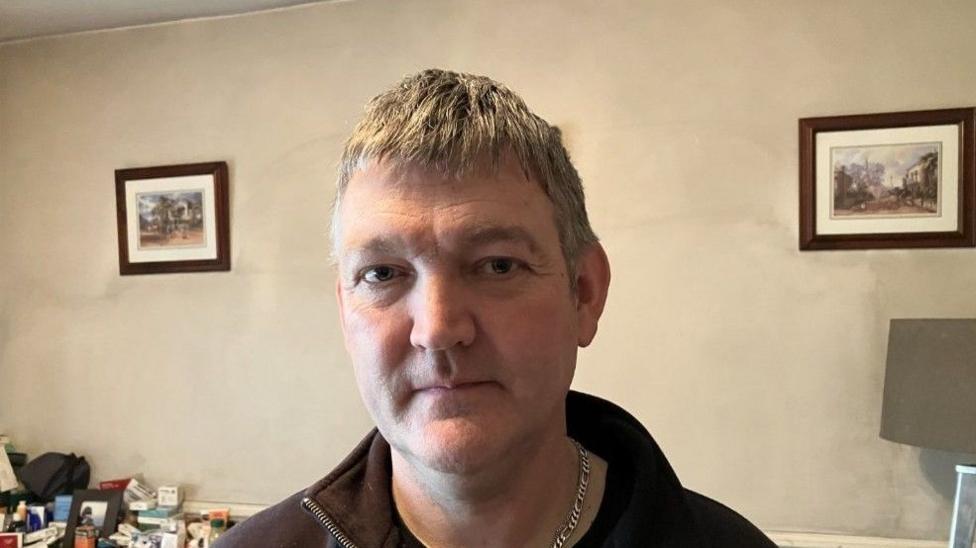
Derek Moore, who cares for his parents Margaret and Douglas in Greysteel, County Londonderry, is hoping the Budget will bring support for heating costs and carers in Northern Ireland. Because social security is devolved, any changes announced in the Westminster Budget would not automatically apply in Northern Ireland without legislation passing through the Stormont assembly.
Moore explained that the cost of living has made it significantly harder to take his parents out and about as frequently as he would wish.
You also have to look at shopping and what things you can save money on,he said.
You also don't turn the heating on as much as you would like, you have to go down the coal route and make sure it's cosy and warm for them. You have to make sure that one room is really warm, and close doors.
His mother is registered blind, and his father suffered a stroke and a heart attack earlier this year. Moore works full-time while his parents receive visits from carers four times daily.
It puts a lot of pressure on you that affects things like your social life, being able to go out and enjoy meals,he said.
What are families telling the BBC about their financial struggles?
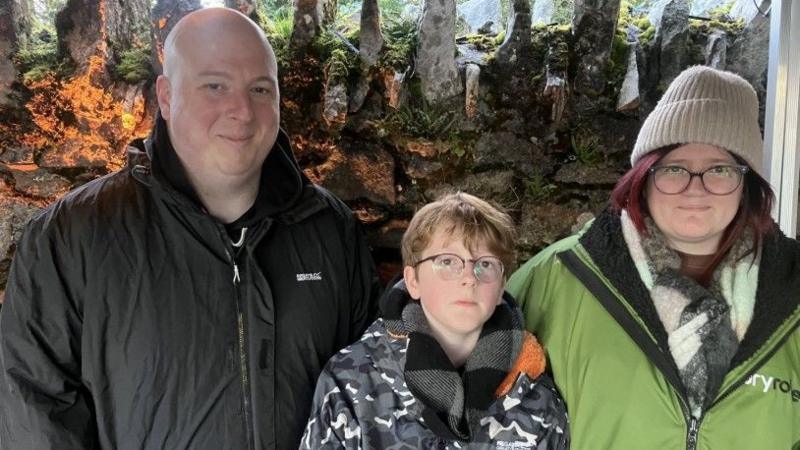
Ahead of the Budget, BBC News NI gathered public opinion at a family event in Slieve Gullion Forest Park near Newry. The Harrison family, who live in Craigavon, described the rising cost of groceries as "crazy". Leanne Harrison said she had her "fingers crossed" for VAT cuts to ease the burden on household budgets.
Tim Hanna, also interviewed at the event, said families were "feeling the pinch" and suggested that tax breaks on hospitality and fuel duty would be beneficial.
I know the hospitality sector is particularly hard hit, the price of a pint seems to keep going up and up, seems to deter people,he added.
Rozlyn Sheridan, who runs the Sheridan Stage School in Newry, expressed hope that the Budget would include support for the arts sector.
In my own business in the arts, we are paddling our own boats and trying to survive in an industry that sometimes isn't valued within our society, within our government,she said.
The arts brings so much to a community and gives so much value to people's mental health.

What structural funding challenges does Northern Ireland face?
Beyond the immediate Budget allocation, Northern Ireland faces longer-term funding pressures rooted in how the devolved administration is financed. First Minister Michelle O'Neill has highlighted how the Barnett formula, which determines Northern Ireland's share of UK spending increases, creates structural funding pressure. This is partly because Northern Ireland has a comparatively large public-sector workforce and seeks to maintain pay parity with the rest of the UK.
The UK government's open-book review indicates that the Executive received a £1.5bn uplift in 2025–26 through the Barnett formula, reflecting the baselining of UK government departments' funding uplifts. However, the same review notes that Northern Ireland's block-grant changes under the Barnett formula are reduced by 2.5 per cent in relation to VAT, creating an additional headwind for the devolved budget.
What happens next?
The Northern Ireland Office has confirmed that Northern Ireland Secretary Chris Bryant is committed to further engagement with Stormont parties following the UK Budget announcement. A BBC report has suggested that the end of January 2027 may represent a critical deadline, as departments could run out of money under the current emergency budget rules if no agreement is reached by that point.