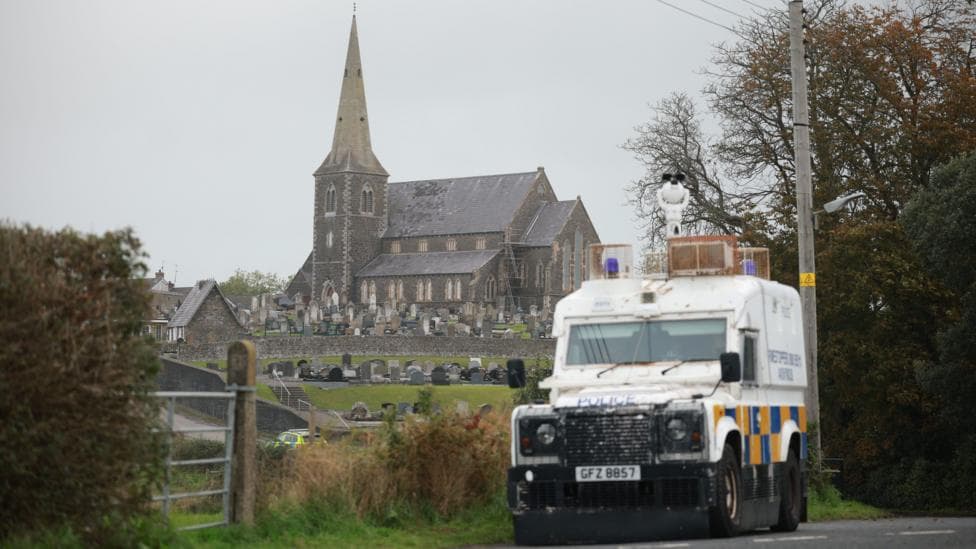
A judgment is expected to be delivered by Mr Justice Scoffield on Wednesday morning in a High Court challenge seeking to overturn the Northern Ireland Secretary Sir Chris Bryant's decision to ban the Drumcree parade in Portadown. According to BBC News, the legal challenge was brought by a Portadown Orangeman against Sir Chris and Police Service of Northern Ireland Chief Constable Jon Boutcher.
Sir Chris's intervention to prohibit the parade followed security advice from Boutcher. The dispute has centred on whether the Orange Order should be permitted to march along the Garvaghy Road, a route that has been contested for nearly three decades. The standoff between Orangemen and nationalist residents lasted almost two weeks before the secretary of state's ban was imposed almost three weeks ago.
The chief constable had previously written to Sir Chris stating that the PSNI's assessment was that all available, lawful and proportionate options to facilitate the procession had been exhausted. He warned:
"Any remaining options would require a substantial public order intervention and this is not assessed to be proportionate, and which would carry an unacceptable risk of serious injury, disorder and a wider contagion affect across Northern Ireland."
During court proceedings last week, the PSNI presented intelligence information suggesting that dissidents may have mounted gun attacks on police officers had they cleared a path for the parade. The Garvaghy Road residents' representatives argued that the Northern Ireland secretary's decision was lawful and justified by the security situation.
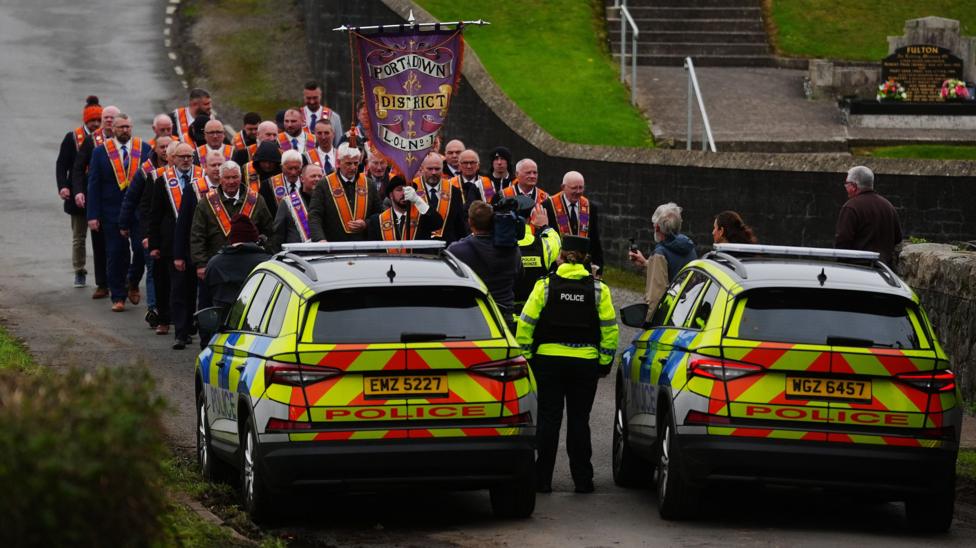
The Parades Commission had initially permitted a silent procession of 35 Orange Order members along Garvaghy Road before the secretary of state's intervention, according to RTÉ. Orangemen made numerous attempts to begin their march but were blocked by police each time during the standoff.
What is the Drumcree dispute?
The Drumcree dispute first emerged prominently in the mid-1990s and nearly destabilised the Northern Ireland peace process. When the Orange Order was prevented by police from walking down the Garvaghy Road route in July 1995, a tense standoff developed. This pattern repeated for the following three years, creating cycles of tension around the annual marching season.
In 1995, after two days of loyalist-area riots and a blockade of Larne port, the RUC allowed the parade to proceed along Garvaghy Road without bands and on the condition it would not return on 12 July, according to The Journal. This compromise set a precedent that would shape future disputes over the route.
The Parades Commission began operating in 1998 to regulate parades and attempt to defuse tension around marches. Its decision not to allow a march down the Garvaghy Road that summer has been challenged by the Orange Order for the past three decades, making it one of the most persistent disputes in Northern Ireland's post-conflict landscape.
How did the latest standoff develop?
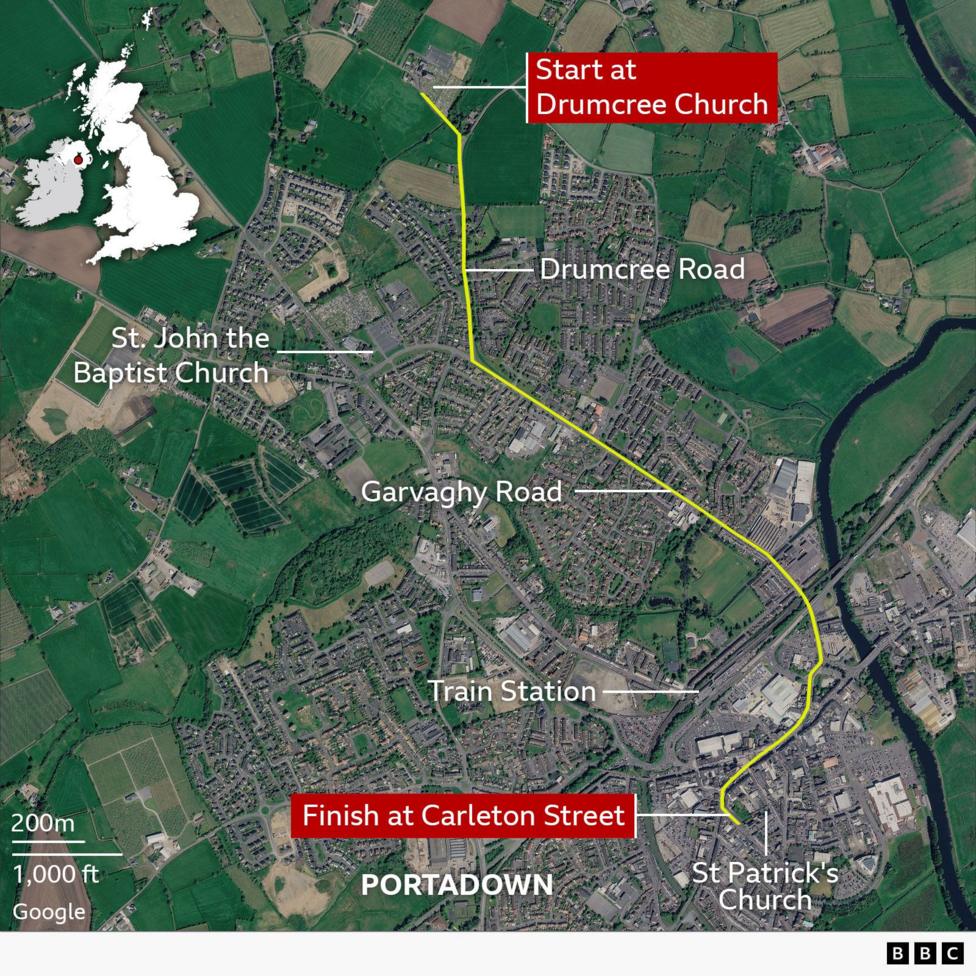
Last month the Parades Commission decided that the march could proceed on 27 September with restrictions in place after its original decision to stop the march was overturned in court. That morning, up to 1,000 people—including politicians such as First Minister Michelle O'Neill—blocked the road, preventing Orangemen from marching from Drumcree Church a mile to the west.
An almost two-week-long standoff then began between protesters on the Garvaghy Road and members of the Orange Order and their supporters. The dispute escalated tensions across the region, with daily protests continuing until Sir Chris's decision to ban the parade almost three weeks ago. Since the ban was imposed, the daily protests have largely dissipated, with the action shifting mostly to the courtroom.
What happens next?
The High Court's judgment on Wednesday will determine whether Sir Chris's ban can be overturned. However, the legal landscape remains complex. The High Court previously quashed the Parades Commission's decision restricting the parade after the commission conceded a procedural error, though that ruling did not decide the wider legal arguments, according to The Irish News.
The Orange Order is expected to make a fresh application to parade along Garvaghy Road regardless of Wednesday's outcome. The Parades Commission has stated that the court ruling does not determine its future decisions, meaning further legal and administrative processes may follow. The dispute appears set to continue through multiple layers of the legal system unless a negotiated settlement can be reached between the parties.