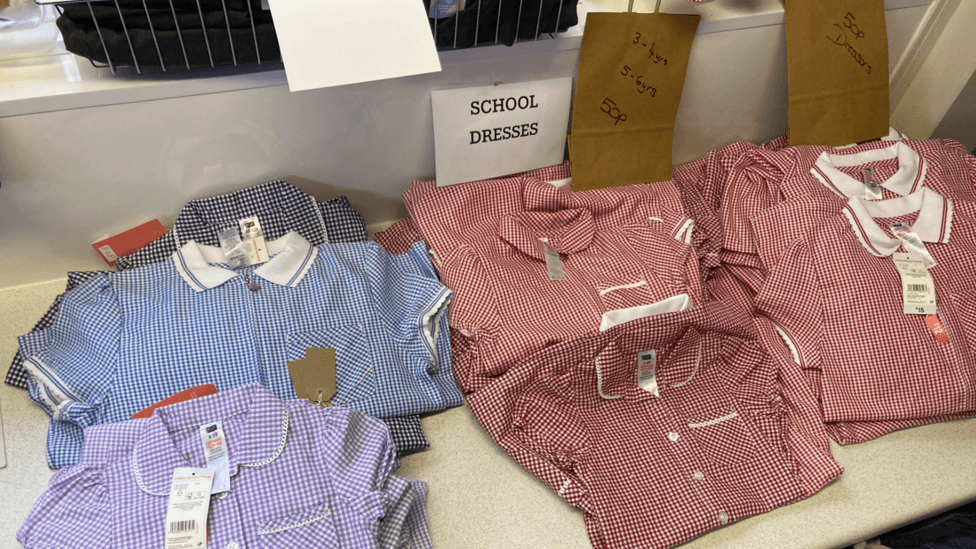
A community initiative in Sheffield is making affordable clothing available at prices as low as 50p, targeting families struggling with living expenses. The Echo project, housed at York House in Manor Top, stocks pre-loved items including coats, shoes, sportswear and school uniforms. According to BBC News, the scheme was established several years ago in response to the cost of living crisis and environmental concerns about textile waste.
The initiative is operated by Manor and Castle Development Trust in partnership with Uni-Recycle, a community interest company specialising in collecting and redistributing school uniforms at reduced prices. The trust has been active for nearly three decades and employs approximately 45 staff members, delivering services ranging from toddler groups and dementia support to mental health services, employment assistance and benefits guidance.
The Echo project's name reflects its core mission: giving clothing a second life through reuse. Dawn Dale, community development manager at the trust, explained that the venture emerged from recognising both the financial barriers families face and the cultural stigma sometimes attached to purchasing second-hand garments. The team sought to create a welcoming retail environment rather than simply a discount outlet.
Retailers including John Lewis contributed to establishing the boutique-style shop by providing advice on visual merchandising and donating display fixtures. This approach enables customers to discover items beyond school uniforms—a parent might find a jacket while searching for uniform pieces, or a family member might spot trainers. The shopping experience is intentionally designed to be inclusive and social, with visitors offered refreshments and craft activities while browsing.
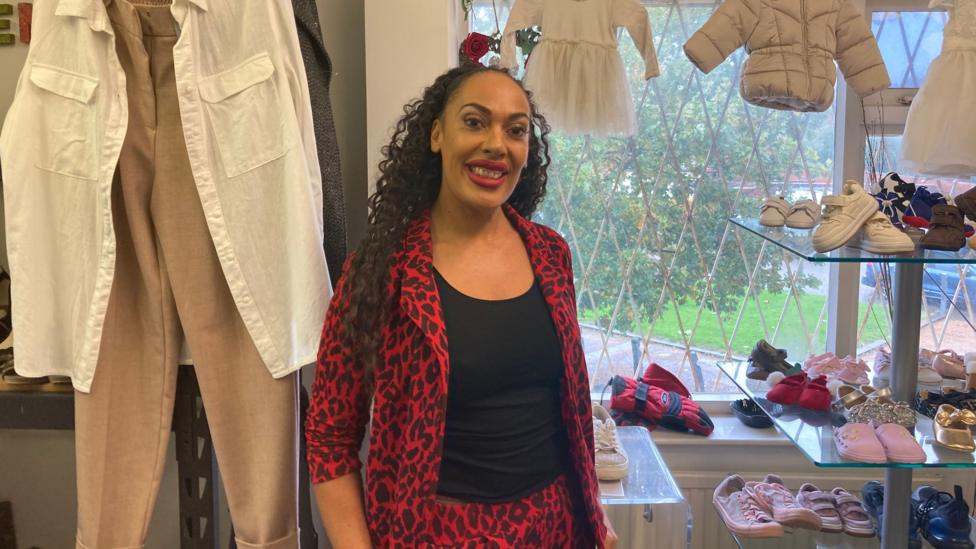
Lucy Warren, the trust's chief executive, highlighted how the project removes barriers to physical activity participation. The cost of sportswear and gym clothing can deter people from engaging in exercise, but affordable access through the Echo project opens pathways to broader community involvement and wellbeing activities.
Kelly Anne Bell, who manages the City Road shops, emphasised the project's role in supporting local families and building community connections. School uniforms represent a significant expense for households; the shop stocks items with original retail prices of £14 that are offered for 50p, with some pieces arriving with tags still attached. Bell stressed that the venture is fundamentally about bringing people together and strengthening the local area rather than generating profit.
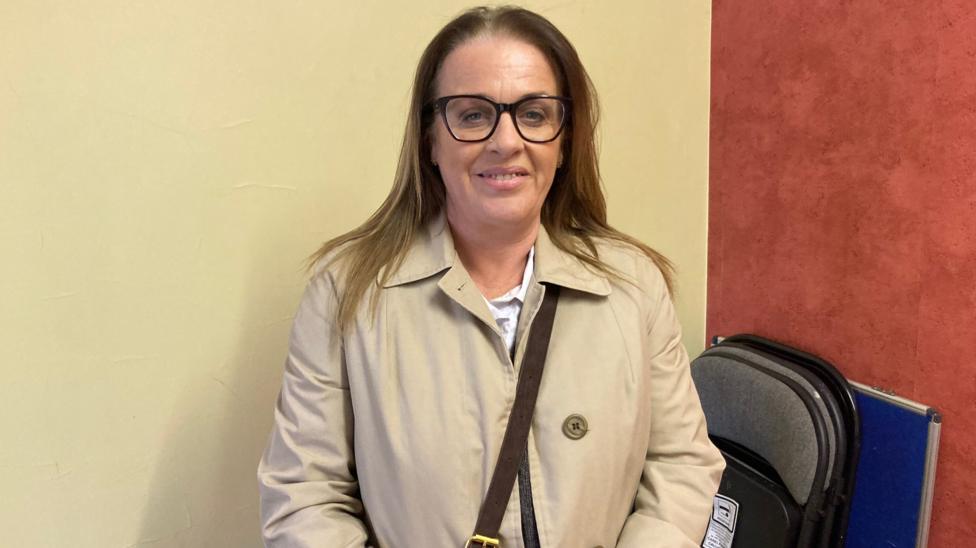
Shopper Kelly Prior described the project as a valuable community resource. She noted that it creates a welcoming atmosphere where residents can meet others while accessing quality goods at bargain prices, reflecting her own approach to shopping and budgeting.
Growing demand and expanded reach
The partnership between Echo and Uni-Recycle has expanded significantly. Uni-Recycle has opened a dedicated shop above the Echo location on City Road, creating an additional venue for purchasing recycled school uniforms. The organisation reported that 2026 proved its busiest year to date, with demand rising sharply; nearly 40 families had been referred for free uniforms that year, approximately double the number from 2025.
The free-uniform service extends support to both working families and people receiving benefits who encounter financial hardship, including those who may not qualify for assistance through other schemes. This targeted approach addresses gaps in existing support networks. The project's 2026 report documented the scale of impact: an early fundraising sale for families in need generated approximately £20, while a subsequent event raised nearly £400, demonstrating growing community engagement.
Part of a wider movement
The Echo and Uni-Recycle initiative reflects a broader shift toward affordable second-hand clothing solutions across the UK. Similar schemes have gained traction in other cities, addressing both financial pressures and environmental concerns. Bristol families increasingly rely on Kids Stuff, a second-hand children's clothing shop offering items from 50p, amid rising living costs, while Clothing Coventry's summer uniform events helped more than 2,700 children prepare for school, with families saving an average of £69 each. Elsewhere, a Cardiff man's free uniform swap scheme has grown from a single school to over 200 institutions across the UK, helping families save money and tackle stigma around second-hand clothing.
Origins and partnership development
Uni-Recycle's roots trace back to Heeley Parish Church during the pandemic lockdown, when volunteers began collecting unwanted uniforms in a donation bin and reselling them at low cost. The scheme has since evolved into a formal partnership with established community organisations. By May 2026, the initiative was collaborating with multiple support agencies including Shelter, the British Cross, young carers services, social workers, doctors and schools to reach families requiring assistance.
Key facts
- School uniforms are available from 50p at the Echo project on City Road, Sheffield, compared to original retail prices of £14 or more
- The Echo project is run by Manor and Castle Development Trust in partnership with Uni-Recycle, a community interest company
- Nearly 40 families were referred for free uniforms in 2026, approximately double the 2025 figure, reflecting sharply rising demand
- The scheme supports working families and those receiving benefits, including those who fall through gaps in other support systems
- Uni-Recycle has opened a dedicated shop above Echo on City Road, expanding access to recycled school uniforms