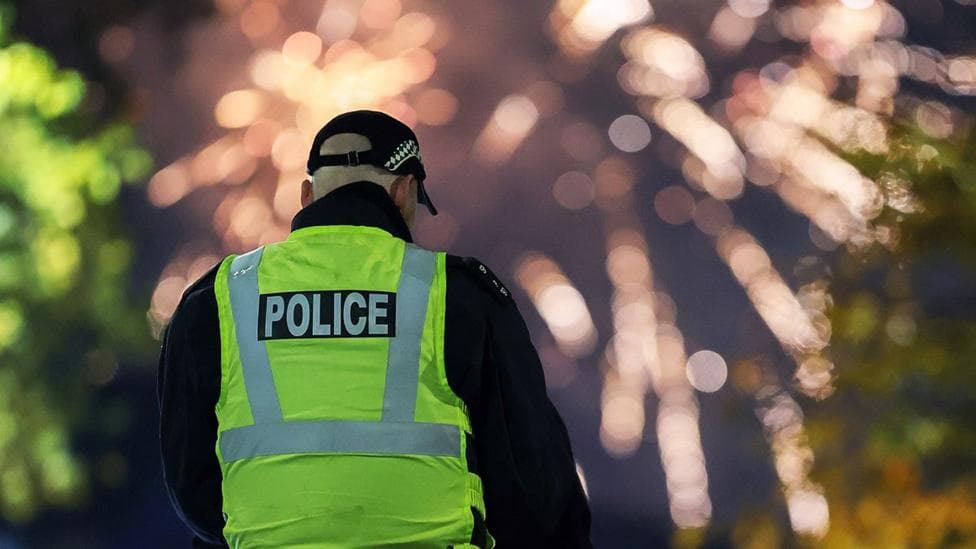
Police Scotland is preparing for its largest coordinated operation since President Donald Trump's visit last year, mobilising up to 1,700 officers on 5 November to manage a convergence of fireworks-related disorder, a European football fixture and potential demonstrations in Glasgow.
The operation, called Operation Amberlight, reflects what senior officers describe as a "unique" combination of public safety challenges. According to BBC News, the force will receive additional support from 18 English and Welsh police forces under mutual aid arrangements to ensure coordinated policing across the country.
Three distinct events are converging on Bonfire Night. Celtic will face Turkish club Besiktas in a UEFA Europa League match at Celtic Park. Simultaneously, police have identified images circulating online suggesting organised protest activity will take place in Glasgow. These challenges will be layered on top of the annual disorder associated with fireworks and Halloween celebrations.
What is Operation Amberlight?
Operation Amberlight is designed as a single overarching policing framework to coordinate the response across all three challenges. The operation builds on Operation Moonbeam, the annual police response to fireworks-linked criminality now in its ninth year, which provides local police divisions with additional specialist support when trouble emerges.
Chief Superintendent David Robertson, the operation's gold commander, stated:
"Bonfire Night remains one of the busiest nights on the calendar for Police Scotland. We are committed to supporting local policing divisions with dedicated nationally co-ordinated specialist capabilities. Operation Amberlight builds on what is already in place to further enhance our capability and capacity to respond to the unique challenges we may face on 5 November. Whilst we have seen improvements in recent years, we are not complacent, and with these additional challenges, our enhanced model will see the largest deployment of police forces since the visit of President Trump."
How will police enforce order?
Fireworks Control Zones (FCZs) will be the primary enforcement tool. These zones ban the use of pyrotechnics in designated areas of Edinburgh and Glasgow from 30 October onwards. Within an FCZ boundary, setting off a firework or throwing one into the zone constitutes a criminal offence.
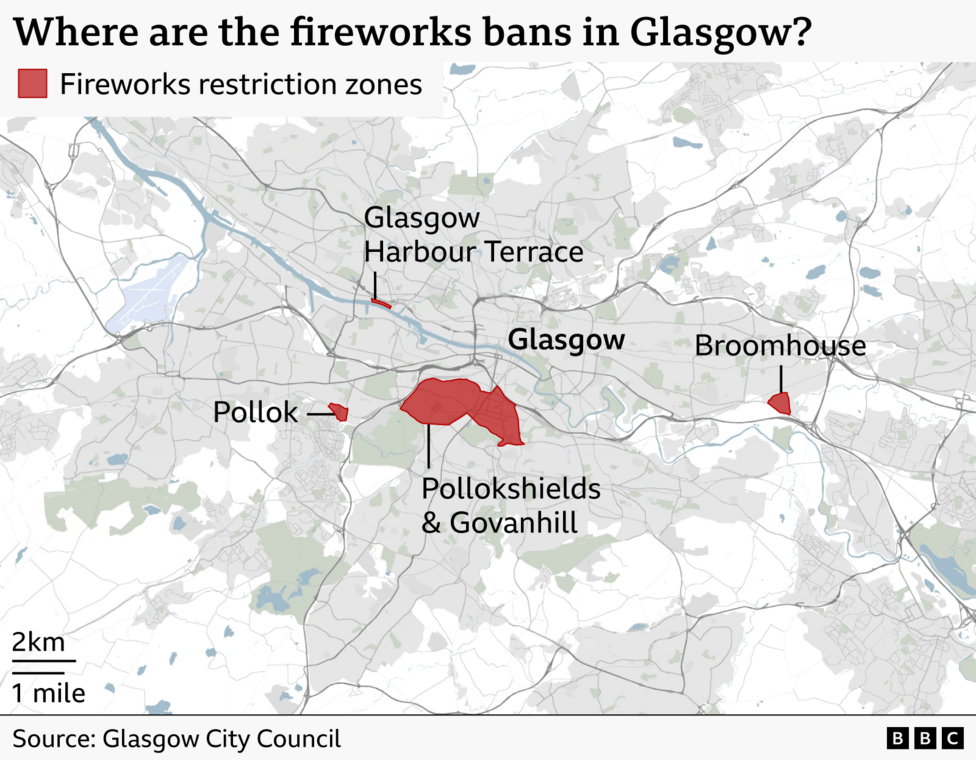
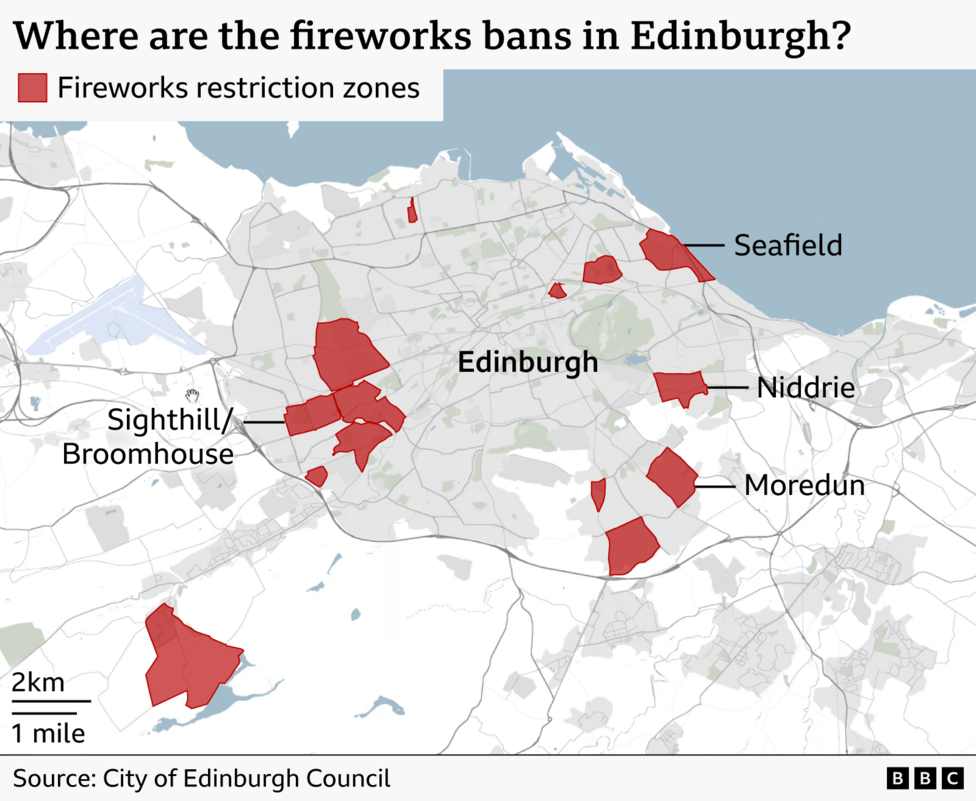
In Edinburgh, the FCZs remain in force until 8 November, while in Glasgow they extend to 9 November. The National reported that 14 Dispersal Zones are planned for Edinburgh and one for Glasgow, giving officers additional powers to manage public order.
Police Scotland has already warned that anyone caught up in disorder around Halloween and Bonfire Night will face "very real consequences". This message follows a sustained campaign of pre-emptive action: police seized more than two tonnes of illegal fireworks ahead of Bonfire Night 2025, with 24 people later charged in connection with offences from that campaign.
What happened in previous years?
The scale of this year's operation reflects the severity of recent Bonfire Night incidents. The worst disorder in recent years occurred in 2023, when more than 60 officers were injured across Scotland. Youths targeted officers with petrol bombs and fireworks in the Niddrie area of Edinburgh, with similar incidents reported elsewhere in the city. Fire crews were also targeted in Dundee, Glasgow, Blantyre in South Lanarkshire, and Blackburn in West Lothian.
Operation Moonbeam was established following serious disorder in 2017, when an Edinburgh officer sustained a serious injury after being struck by a firework. The 2023 violence represented an escalation that prompted enhanced planning for subsequent years.
In 2024, anti-social behaviour around Halloween resulted in another officer being injured and bus services being withdrawn from Niddrie, despite police seizing a cache of fireworks and petrol during pre-emptive raids. However, Police Scotland reported 833 calls requiring a local or specialist response between 31 October and 5 November 2025, down almost 37% from 1,317 the previous year, suggesting that enforcement measures and community engagement are having measurable effect.
Why is the football match significant?
Celtic's Europa League fixture against Besiktas on 5 November adds a layer of complexity to policing. Large-scale sporting events attract crowds that require traffic management, crowd control and heightened vigilance for disorder. The timing—on the same evening as Bonfire Night celebrations—means police resources must be stretched across multiple simultaneous incidents across Glasgow.
How does this compare to the Trump visit?
Operation Roll 2, the police response to President Trump's visits in July 2025, cost £21 million and involved 7,340 officers. While Operation Amberlight will deploy fewer total officers (up to 1,700), it represents the largest single operation since that visit in terms of the scale of coordination required across multiple police forces and the breadth of challenges being managed simultaneously.
What happens next?
The Fireworks Control Zones will remain in effect through early November, with enforcement continuing through the period of highest risk. Police divisions will maintain heightened patrols and specialist units will be on standby to respond to incidents. The outcome of Operation Amberlight will inform planning for future Bonfire Night operations and may influence whether similar multi-agency coordination becomes standard practice for events that coincide with the annual fireworks season.
Key Facts:
- Up to 1,700 officers will be deployed on 5 November under Operation Amberlight, supported by mutual aid from 18 English and Welsh police forces
- Fireworks Control Zones banning pyrotechnics are in force in Edinburgh (30 October–8 November) and Glasgow (30 October–9 November)
- The operation addresses three concurrent challenges: fireworks-related disorder, a Celtic vs Besiktas UEFA Europa League match, and potential protest activity in Glasgow
- More than two tonnes of illegal fireworks were seized ahead of Bonfire Night 2025, with 24 people charged in connection with the seizure campaign
- Police recorded a 37% reduction in calls requiring specialist response between 31 October and 5 November 2025 compared to the previous year