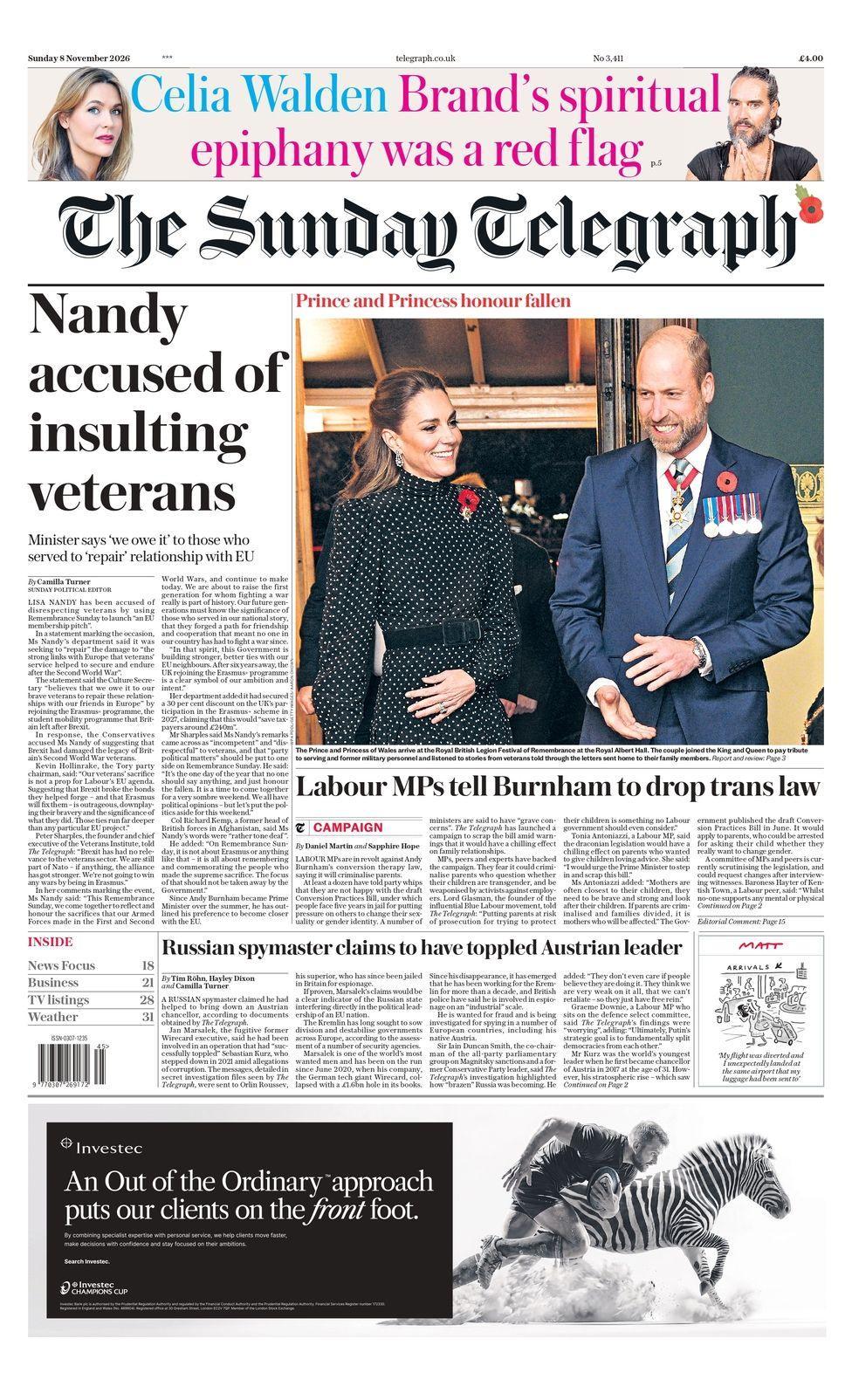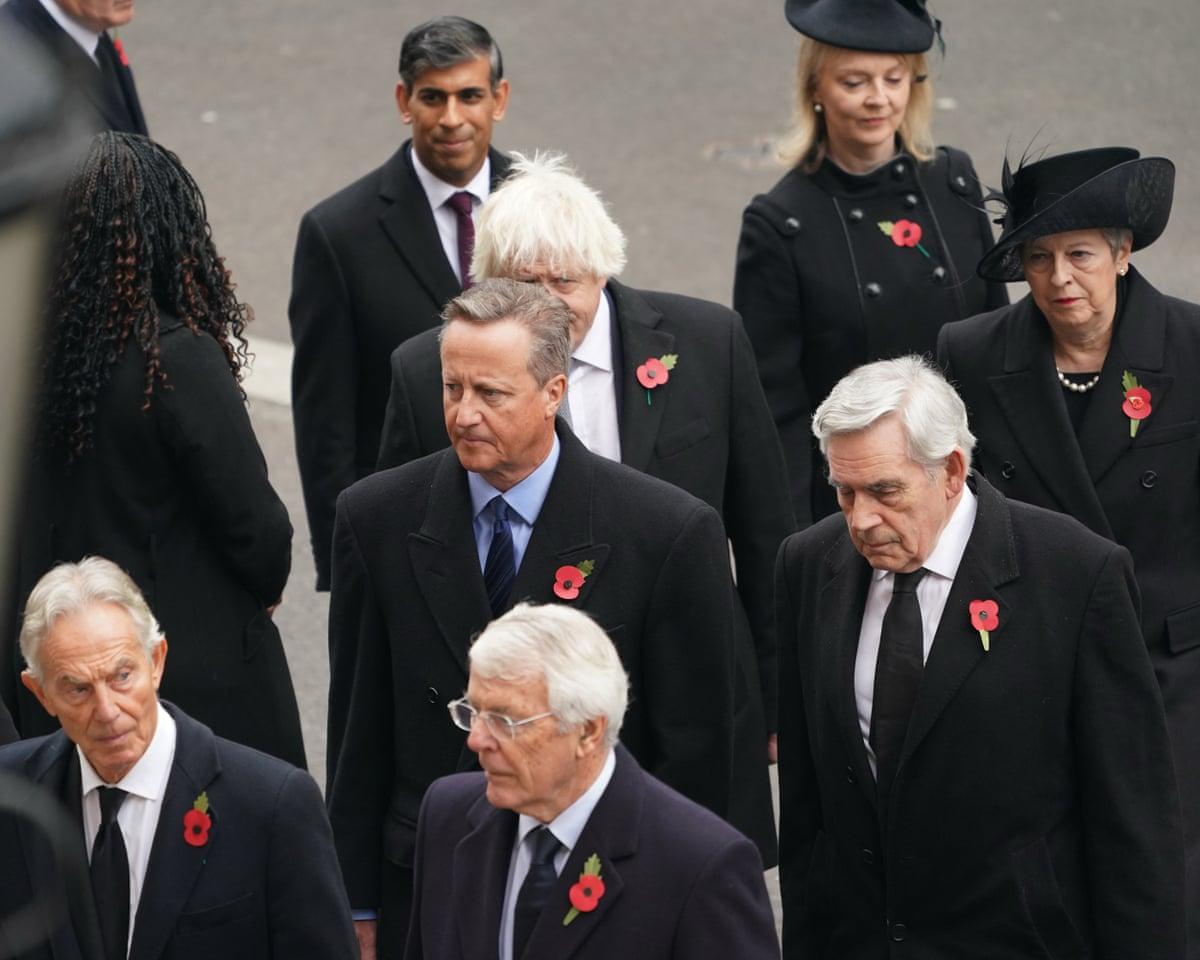
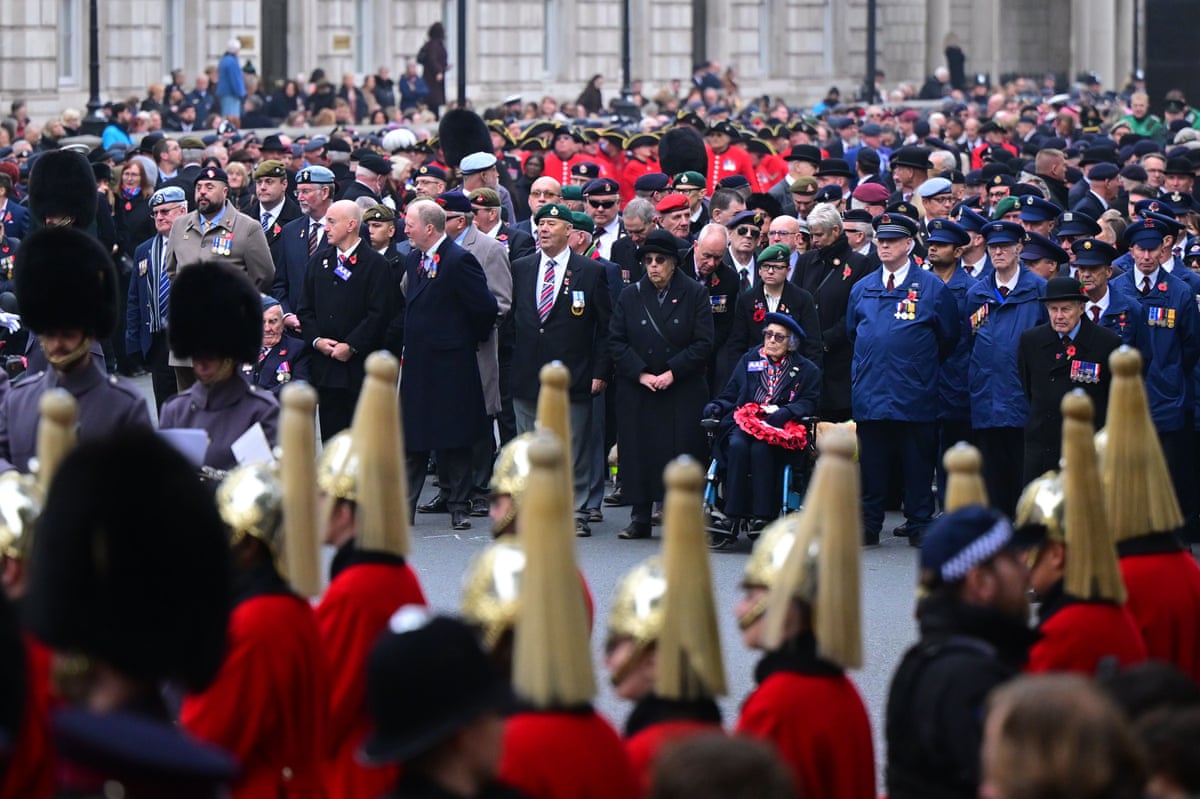
Second World War veterans outnumbered former prime ministers for what could be the last time at the national service of remembrance held at the Cenotaph in central London on Remembrance Sunday, 8 November 2026. The dwindling cohort of wartime veterans—estimated at around a dozen—gathered alongside nine former premiers, marking a historic demographic shift. According to The Guardian, Prime Minister Andy Burnham participated in the ceremony for the first time as a former premier.
The oldest veteran present was Jeffrey Brereton, who served in the RAF after volunteering in 1940 at the age of 19. He worked as a mechanic on Hurricane aircraft during the Battle of Britain. Among the nine former prime ministers attending were John Major, 83, the oldest living ex-premier; Keir Starmer, the most recent to leave office; and others representing decades of British political leadership.
Burnham's participation marked a significant moment, coming months after he assumed the premiership following Keir Starmer's departure from office in July 2026. The attendance of multiple former premiers reflected the growing distance between the Second World War generation and contemporary political leadership.
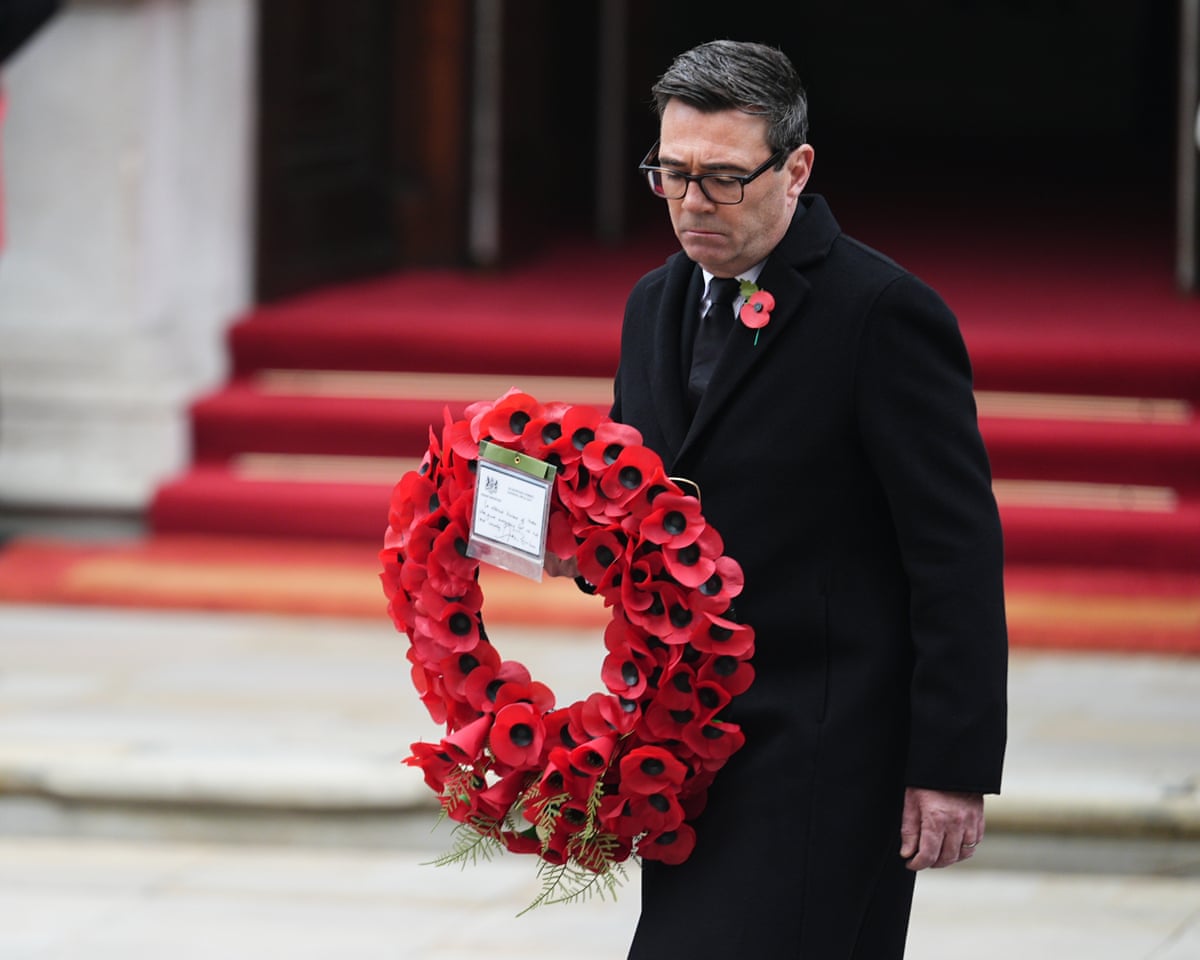
Who participated in the ceremony?
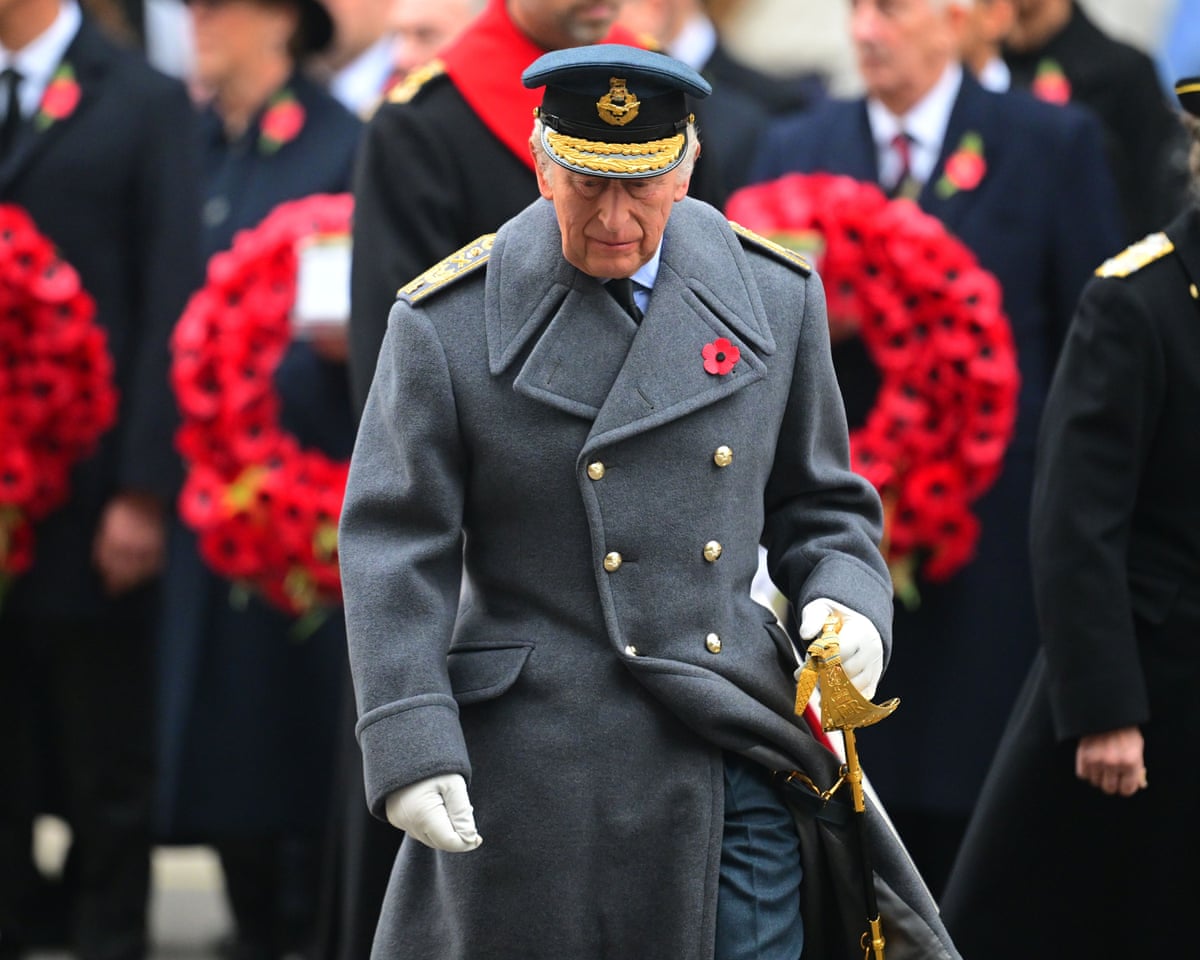
The ceremony began with King Charles, dressed in a field marshal's uniform, laying the first wreath. He was accompanied by his son William, who wore the black uniform of a lieutenant colonel of the household cavalry. The King's Troop Royal Horse Artillery fired the guns marking the start of the 11am silence, which lasted two minutes and was interrupted only by a crying baby in Whitehall.
Reform UK's leader participated in the wreath-laying ceremony for the first time. The party qualified for inclusion after defections from the Conservative Party brought its parliamentary representation to eight MPs, meeting the threshold of six seats required for party leaders to take part in the service.
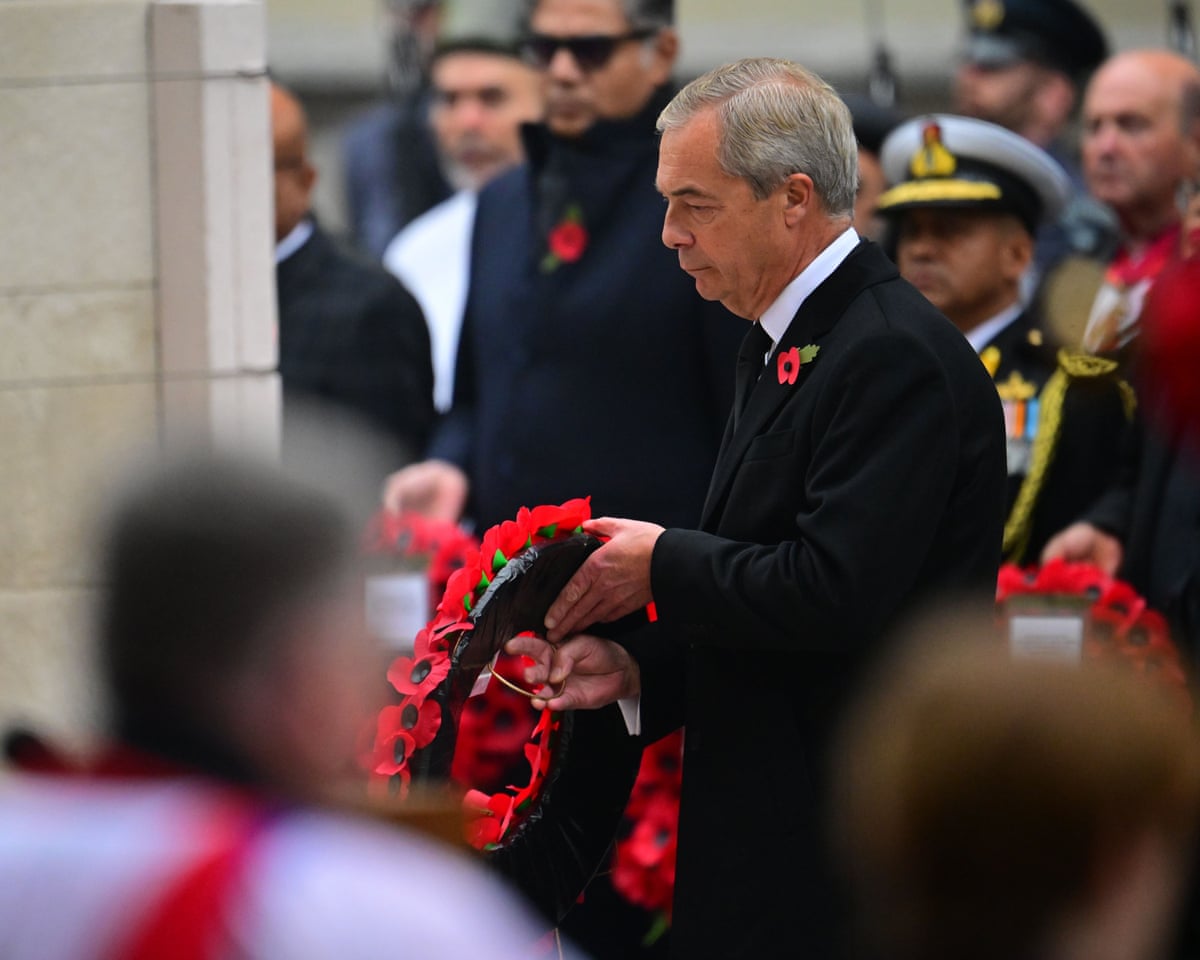
Other politicians who laid wreaths included Kemi Badenoch, Sir Ed Davey, Shabana Mahmood and Sir Lindsay Hoyle. The spouses of several former prime ministers attended from a balcony overlooking Whitehall, including Victoria Starmer, Hugh O'Leary (Liz Truss's husband), Philip May (Theresa May's husband), Sarah Brown (Gordon Brown's wife), and Akshata Murty (Rishi Sunak's wife), alongside Burnham's wife Marie-France van Heel.
What happened during the march-past?
Following the wreath-laying ceremony, approximately 10,000 veterans participated in a march-past through Whitehall, with more than 300 armed forces and civilian organisations represented. Participants had travelled from as far as Canada and Australia, demonstrating the global reach of the commemoration.
Many veterans waved and saluted as they began their march. Older participants were accommodated in wheelchairs and mobility scooters, adorned with medals earned during their service. The crowd applauded as they processed swiftly through Whitehall. The youngest marcher was eight-year-old Ronan Doncaster, who walked in honour of his father, a guardsman with the first battalion Coldstream Guards who died in April 2024.
A gun was fired to mark the end of the two-minute silence before the last post was sounded by the buglers of the Royal Marines. Minutes before the ceremony began, one soldier in the parade on Whitehall was taken away on a stretcher after fainting.
How many veterans actually participated?
The article identifies approximately 12 Second World War veterans at the Cenotaph ceremony itself, though The Telegraph reported 20 Second World War veterans at the broader parade, suggesting different counts depending on whether figures refer to the central ceremony or the wider march-past. The discrepancy highlights the challenge of tracking an ageing population of survivors from a conflict that ended more than 80 years ago.
What happened in other parts of the UK?
In Enniskillen, Northern Ireland, Irish Taoiseach Micheál Martin and Northern Ireland Secretary Chris Bryant attended a memorial service. The event held particular historical significance, as the location was targeted by an IRA bomb in 1987 that killed 11 people on the day and a 12th victim who never regained consciousness from a coma.
In Scotland, First Minister John Swinney led tributes at a service outside Edinburgh City Chambers. A military parade marched down the Royal Mile from Edinburgh Castle, led by the RAF Central Scotland Pipes and Drums. A separate service attended by veterans, faith leaders and Armed Forces representatives was held in George Square, Glasgow, with a silence at 11am followed by a wreath-laying ceremony.
What comes next?
Armistice Day falls on Wednesday, 11 November 2026, three days after Remembrance Sunday. This annual observance continues to mark the moment when the First World War armistice took effect at 11am on 11 November 1918. The distinction between Remembrance Day (always 11 November) and Remembrance Sunday (the second Sunday in November) ensures that the central national ceremony can be held on a weekend when larger crowds can attend.