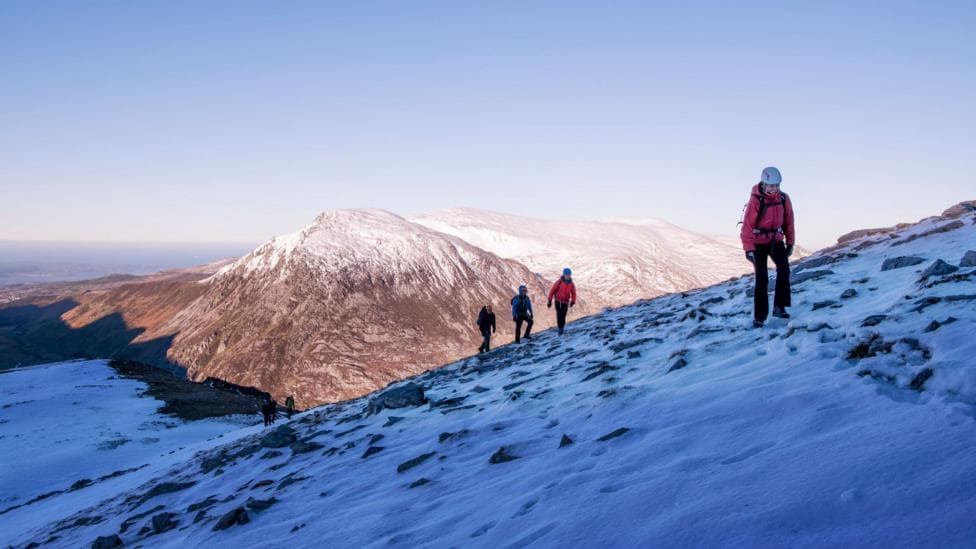
Mountain rescue teams across Wales are warning that social media posts showing stunning peaks without safety context are driving unprepared hikers into dangerous terrain, creating an unsustainable strain on volunteer services.
Emergencies involving 18 to 24-year-olds have nearly doubled between 2019 and 2024, with the four largest rescue teams in Wales all tracking record-high call-outs. The pressure on volunteers has become critical, with teams describing the situation as untenable and calling for urgent action to address the crisis.
Too many people influenced by these posts are ending up in the mountains unprepared, said Nick Phillips from Mountain Rescue England and Wales (MREW).
Llanberis Mountain Rescue Team (LMRT), which covers Wales' tallest mountain, is the nation's busiest rescue operation. In August alone, the team responded to 59 call-outs—an average of two per day. The team has experienced a relentless year-on-year increase since 2020, when it handled 147 rescues across the entire year. By the end of 2026, the team is projected to reach approximately 440 rescues, according to recent reporting, having already attended 359 by mid-year.
The team has called for a
serious conversationabout the sustainability of current operations as demand continues to climb.
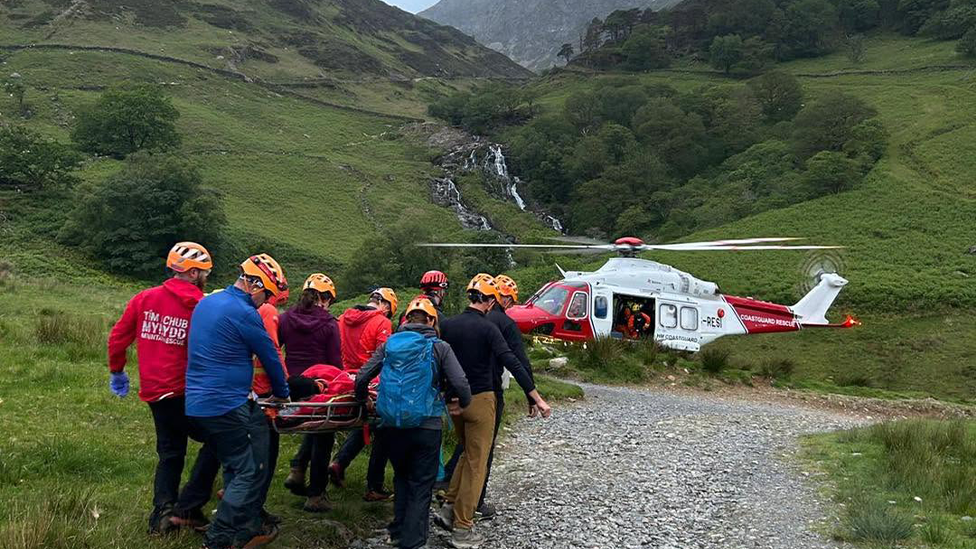
Across Wales, the pattern is consistent. Brecon Mountain Rescue Team, which recorded 70 call-outs in 2020, has already exceeded 80 this year. Ogwen Mountain Rescue Team, operating in Eryri National Park (Snowdonia), handled 107 rescues in 2020 but is now projected to exceed 200 annually. Central and Brecon Mountain Rescue (CBMRT) has risen from 89 calls in 2020 to a trajectory approaching 200 this year.
The scale of the challenge is reflected in national figures. According to mountain rescue data, teams across England and Wales responded to 3,842 call-outs in 2024, with 78% of incidents occurring after midday. Volunteers were deployed every single day that year.
MREW data reveal that 18 to 24-year-olds became the largest age group requiring rescue in 2024, involved in 314 incidents—an 89% increase from 166 cases in 2019. This demographic shift underscores the influence of social media on younger outdoor enthusiasts.
Why are volunteers facing burnout?
The relentless demand is exhausting rescue teams despite recruitment efforts. LMRT has welcomed 30 new volunteers this year, yet burnout is already visible among both long-serving and newer members.
We're in September now and already we're seeing a lot of burnout among volunteers, some who've been here for years and others newer, said LMRT volunteer Tom Carrick.
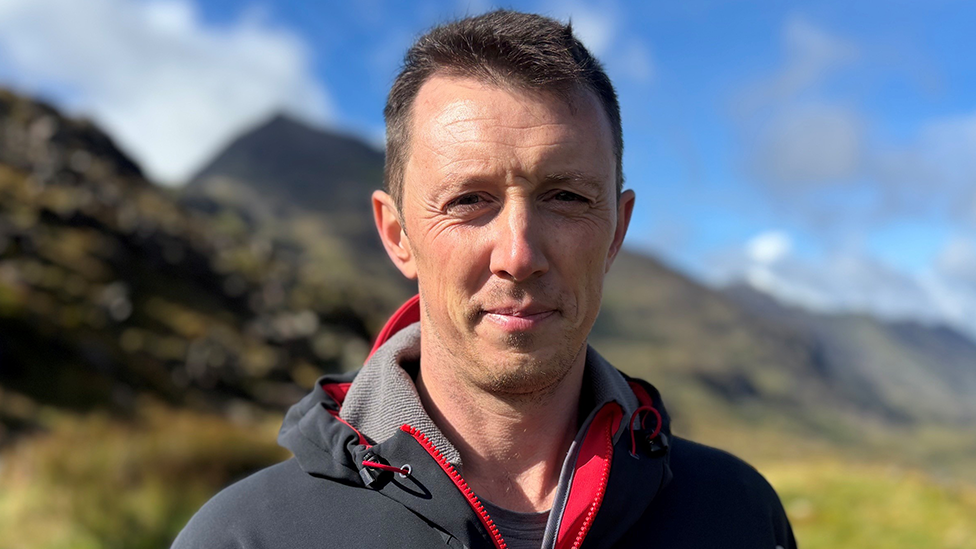
According to House of Commons Library data, approximately 3,000 mountain rescue volunteers across England and Wales contributed 167,411 hours in 2024, responding to 3,784 call-outs that resulted in 3,093 deployments. The voluntary nature of the service means that finite human resources are stretched ever thinner.
Huw Jones, who has served with CBMRT for 45 years, articulated the core concern:
My concern is how we sustain that commitment if demand keeps rising. Volunteers' time and energy are finite. We cannot assume that more and more can be absorbed indefinitely, and we need to talk about that now so teams can continue to be there for people in the years ahead.
How does social media contribute to the problem?
Instagram, TikTok, and X showcase Wales' most iconic peaks—including Yr Wyddfa and Pen y Fan—as aspirational destinations. However, these platforms present only the aesthetic appeal, omitting the technical challenges, hazards, and preparation required.
LMRT highlighted a specific example:
A photograph or video of Crib Goch can make an exposed grade one scramble look like just another route to the summit. What it doesn't show is how intimidating that ridge can be in cloud, rain or strong winds or how quickly a manageable situation can become a serious emergency.
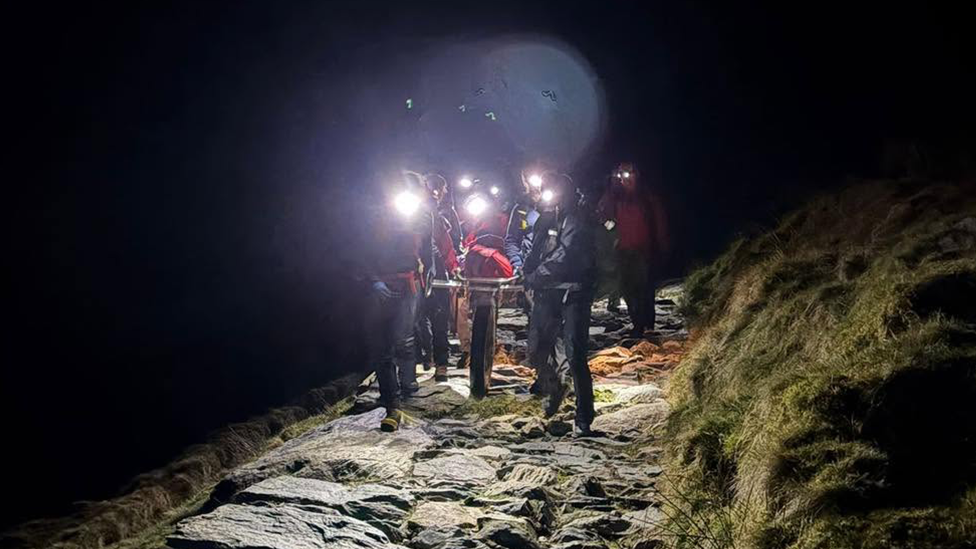
The core issue, according to MREW, is that social media captures destinations but not the journey or the risks.
Wonderful places to go, but what the posts don't capture how you get there, Phillips explained.
We are not criticising people who want to go into the mountain based on what they have seen in a post... but we need to be balanced with the reality.
The problem has intensified as outdoor participation has grown. Sport England data cited by media reports show that the number of people regularly climbing hills or mountains rose from 2.8 million in 2018 to 3.6 million in 2024—a 29% increase in just six years.
What is being done to address the crisis?
MREW is leading what Phillips hopes will be a
culture change, engaging high-profile ambassadors including TV explorer Ben Fogle and reaching out to social media influencers to promote responsible mountaineering.
We want to capture people at home to hopefully reduce these avoidable call outs. People need to be aware they are in a dangerous place.
Caradoc Jones, a pioneering mountaineer who became the first Welshman to summit Everest in 1995 and has climbed in some of the world's most dangerous and remote landscapes, supports the initiative. He welcomes increased mountain participation but agrees that a cultural shift is essential.
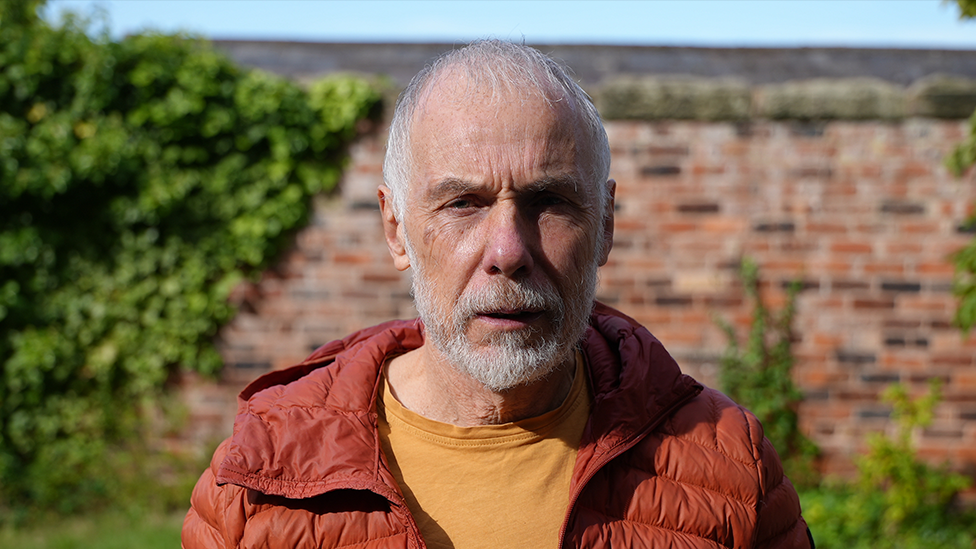
Jones advocates for social media platforms to better reflect
the realities of mountaineeringand has suggested that mountain rescue teams should receive government funding rather than relying on donations.
The Welsh government acknowledged the issue in a statement:
Our mountain rescue teams do a fantastic job supporting people across Wales, often in challenging and demanding circumstances, and we thank them for their dedication and hard work. We recognise in our programme of government the important role that the voluntary sector plays in delivering public services and are engaging with mountain rescue teams to discuss support.
Key Facts
- Rescue call-outs involving 18 to 24-year-olds increased 89% from 166 incidents in 2019 to 314 in 2024, making this age group the largest requiring rescue.
- Llanberis Mountain Rescue Team responded to 59 call-outs in August 2026 alone and is projected to reach approximately 440 rescues by year-end, compared to 147 in 2020.
- Approximately 3,000 mountain rescue volunteers across England and Wales contributed 167,411 hours in 2024, with 78% of incidents occurring after midday.
- The number of people regularly climbing hills or mountains in the UK rose from 2.8 million in 2018 to 3.6 million in 2024.
- Mountain rescue teams operate on a voluntary basis and are funded primarily through donations, creating sustainability concerns as demand accelerates.