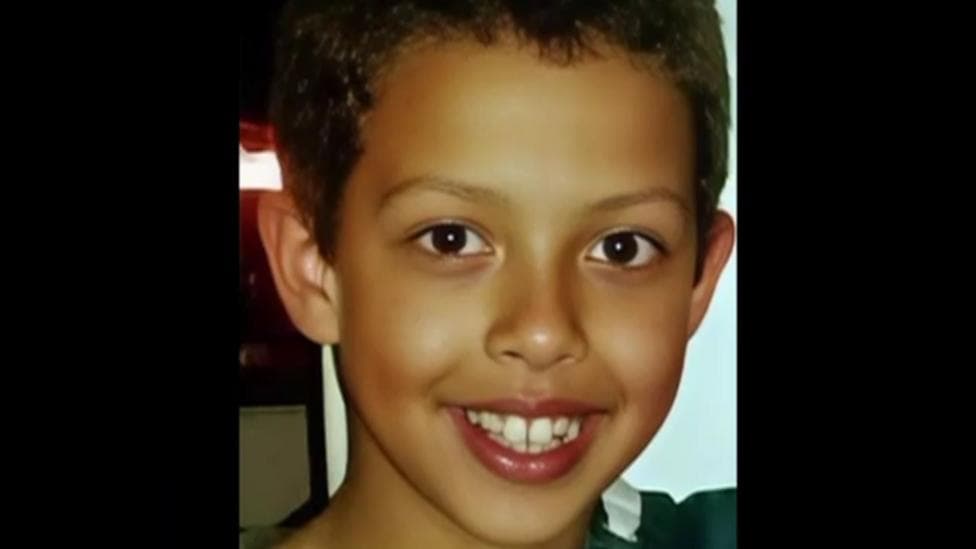
Following six years of delays, legal disputes and procedural obstacles, the inquest into the death of 14-year-old Noah Donohoe has finally delivered its findings. A jury has determined that it was possible, though not probable, that failings by the Department of Infrastructure concerning the underground water tunnel where the schoolboy was discovered contributed to his death.
Noah vanished in 2020 from his home in south Belfast and was found six days later in a north Belfast water tunnel, across the city from where he lived. His disappearance and subsequent death captured widespread attention throughout Northern Ireland and internationally, prompting his mother Fiona Donohoe to lead a sustained campaign demanding clarity about the circumstances surrounding what happened to her son.
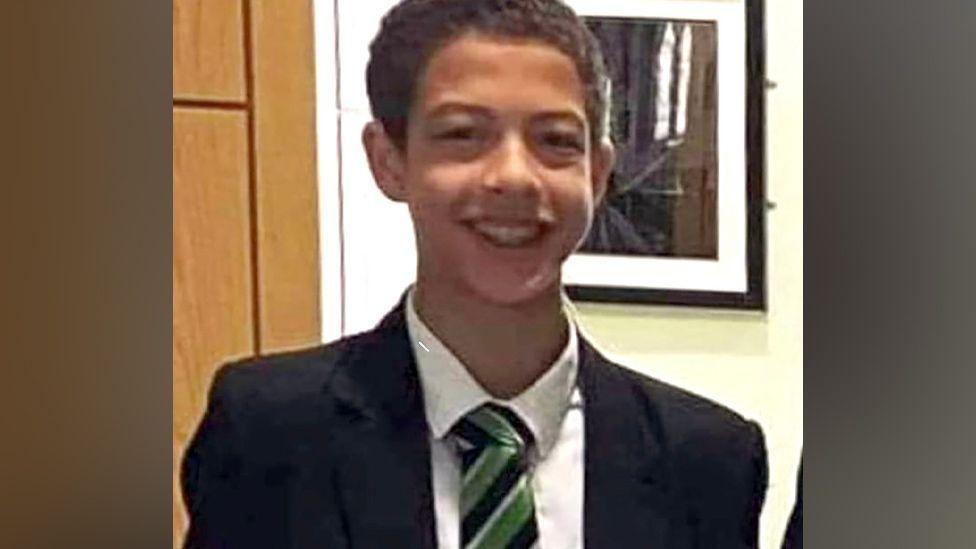
The journey to reach this conclusion proved extraordinarily protracted. Pre-inquest hearings commenced in 2020, yet nearly six years elapsed before the formal inquest proceedings began, with multiple disputes, technical complications and procedural hurdles repeatedly postponing the process.
What obstacles delayed the inquest?
The inquest was originally scheduled to commence on 10 January 2022. However, in November 2021, Fiona Donohoe's legal representatives raised objections, arguing the timeframe did not allow sufficient preparation for the case.
More substantial postponements followed due to disclosure disagreements. In 2022, the Northern Ireland secretary issued a Public Interest Immunity (PII) certificate permitting the redaction of certain police material connected to Noah's death and the investigation that followed. The courts subsequently upheld the Police Service of Northern Ireland's request to withhold specific information from the inquest proceedings in September 2022.
A pivotal development occurred in 2024 when Coroner Joe McCrisken withdrew from the case. Mr Justice Rooney assumed responsibility, and 3 November 2025 was established as the new start date. Yet before that date arrived, Mr Justice Rooney announced a further postponement, pushing the inquest into 2026.
The inquest formally commenced in January 2026 and continued for more than 20 weeks. During this extended period, the coroner and jury examined 76 witnesses, reviewed statements from 42 additional individuals, and studied maps, video recordings, photographs, police documentation and specialist reports across 62 days of evidence spanning five months.
Even as the proceedings approached conclusion, additional complications emerged. On 3 July, after three days of deliberation, the jury had not achieved the unanimous verdict required by law. With four jurors scheduled to depart on holiday, the judge confirmed an adjournment, characterising the situation as "unprecedented." According to reporting on the adjournment, the coroner noted the jury had "run out of time" and deliberations would resume at a later date.
When deliberations resumed on 14 September, Mr Justice Rooney discharged one jury member, reducing the panel to seven men and two women. The grounds for this discharge were not disclosed publicly. According to reports from the resumption date, the coroner characterised the circumstances as having reached an "unprecedented" juncture.
What is an inquest and how does it differ from a trial?
An inquest represents a formal, public fact-finding inquiry into a sudden, suspicious or violent death. A coroner conducts the proceedings with the primary objective of establishing the identity of the deceased and determining how, when and where death occurred.
Critically, an inquest is not a trial and cannot legally assign blame or establish criminal or civil liability against any person or organisation. This fundamental distinction shapes what a jury can and cannot conclude.
Why was a jury used in Noah's case?
Inquests typically proceed without juries, though they may be convened under specific circumstances—such as when a person dies violently in custody or as a result of police action. A coroner may also exercise discretion to summon a jury if deemed appropriate.
Fiona Donohoe and her legal team campaigned for a jury to be included, contending that this would strengthen public confidence in the process and enable broader independent examination of the circumstances surrounding Noah's death. On 27 October 2022, Coroner Joe McCrisken determined it "desirable" to summon a jury for the inquest.

How were jurors selected and what were their responsibilities?
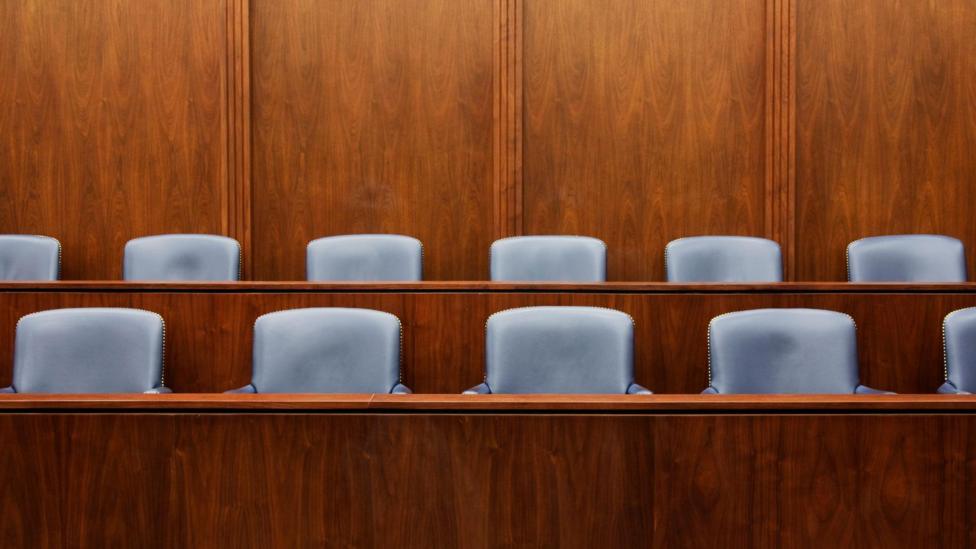
The jury selection process began when more than 100 potential jurors attended Laganside Court. The selection procedure mirrors that of a criminal trial, with juror anonymity maintained throughout.
Potential jurors are assembled in groups and informed of the case background and approximate timeline. This stage permits individuals to identify any circumstances preventing their participation for the full duration—such as scheduled medical treatment or planned holidays. The process also establishes whether any juror possesses knowledge of key participants or connections to the case.
Once selected, an inquest jury typically comprises between 7 and 11 members. Their authority is strictly circumscribed by the Coroners Act (Northern Ireland) 1959. They may deliver factual conclusions addressing the identity of the deceased and how, when and where death occurred. However, they cannot express opinions on questions of criminal or civil liability, though they may make statements relating to causes.
Coroners' courts possess authority to issue recommendations designed to prevent similar deaths in future. These frequently address broad public health or safety improvements, such as revising medical assessment procedures or strengthening institutional documentation practices.
In Noah's case, Mr Justice Rooney instructed the jury to exclude several theories from their deliberations and base their verdict "solely on the evidence you have heard and seen in this court."
What evidence did the jury consider?
The inquest examined extensive evidence over its five-month duration. Expert testimony presented during the proceedings in 2026 concluded that Noah's death was consistent with drowning and identified no evidence suggesting involvement by a third party, according to expert analysis presented at the inquest.
The jury heard from 76 witnesses and reviewed statements from a further 42 individuals. They studied documentary evidence including maps, video footage, photographs and police logs, alongside specialist reports addressing various aspects of the case.
Can inquest findings be used in other legal proceedings?
Raw evidence uncovered during an inquest—including witness statements, documents and physical materials—may potentially be employed in other courts. However, a coroner or jury's final verdict cannot be utilised to establish guilt or liability in criminal or civil proceedings. This separation ensures that inquest findings do not predetermine outcomes in subsequent legal actions.
How are jurors compensated?
Juror allowances are established by law, and courts possess no authority to exceed these amounts. Three categories of allowance exist: travel, subsistence and financial loss.
For service lasting less than four hours, jurors receive a maximum of £32.47. Service exceeding four hours entitles them to £64.95 daily. This rate increases to a maximum of £129.91 per day from the 11th day onward. A day lasting less than four hours after the 11th day receives a maximum of £64.95.
Meal allowance is provided at £5.71 when a juror is away from home or workplace for more than five hours but fewer than ten hours. Absence exceeding ten hours qualifies for £12.17. Receipts for purchased meals must be submitted. Most courthouses provide lunches for jurors when necessary.
Financial loss compensation covers lost earnings, childcare expenses, National Insurance contributions and pension contributions, and operates independently of meal or travel reimbursement.
What happens next?
Following the adjournment in early July and the resumption of deliberations in mid-September, the inquest is expected to continue later in 2026. The reduced jury of nine members will work toward reaching the unanimous verdict required by law on the circumstances surrounding Noah's death.