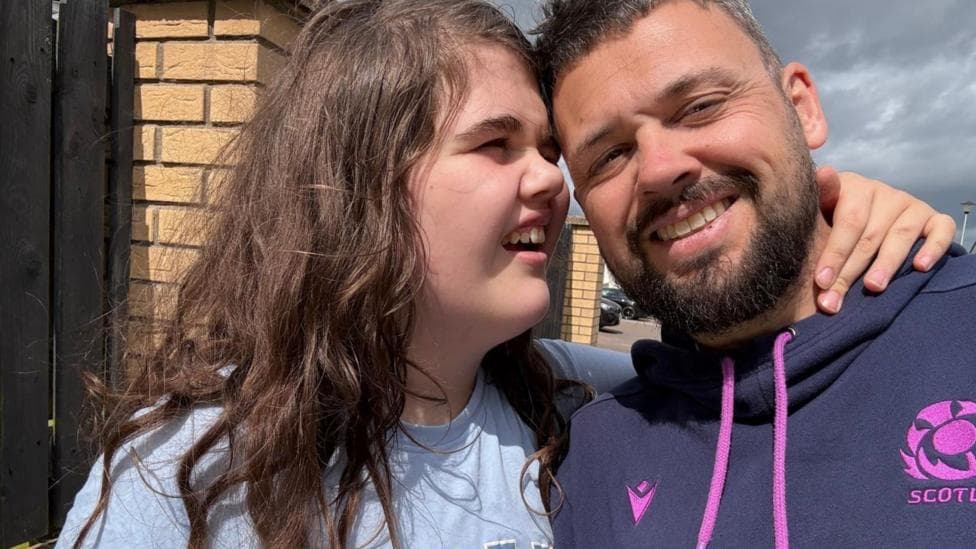
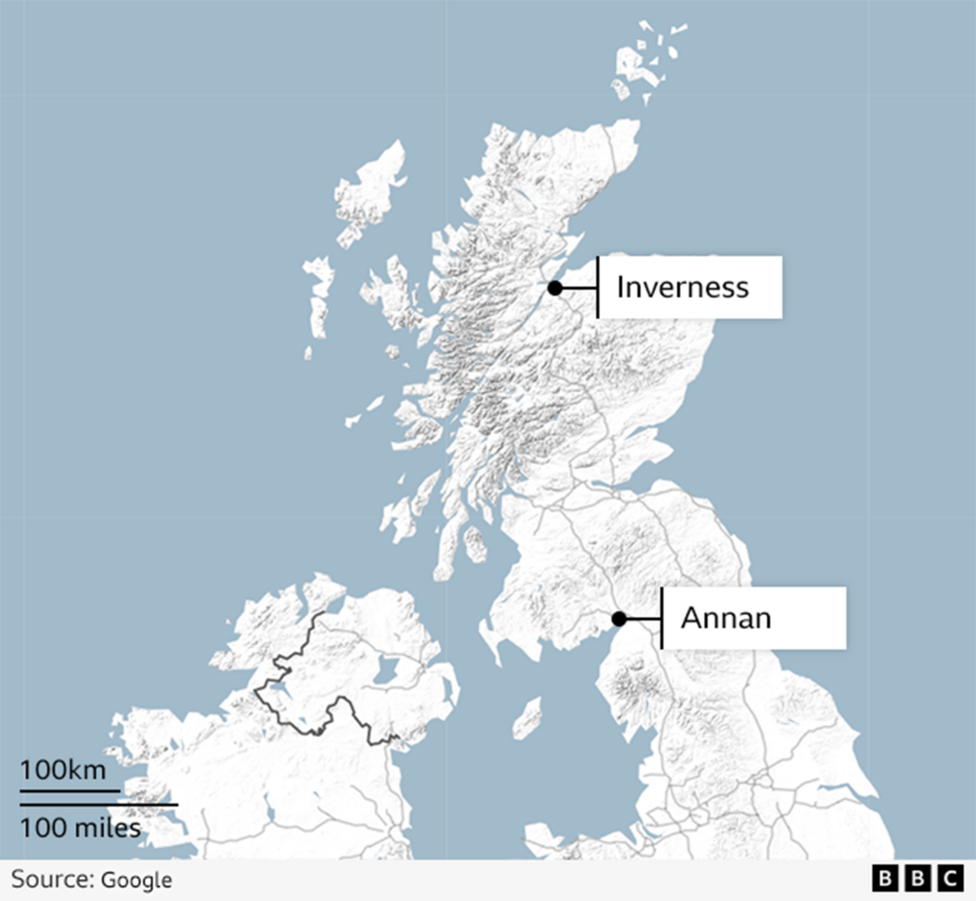
A teenager with complex needs has been placed in residential care more than 240 miles away from her family in the Scottish Highlands, forcing her parents to undertake a gruelling 480-mile round trip to visit her. Sophie McNab, 13, was moved to a facility in Annan, Dumfries and Galloway during the summer after local services could not accommodate her needs, leaving her father Iain and stepmother Jaime unable to see her as frequently as they wish.
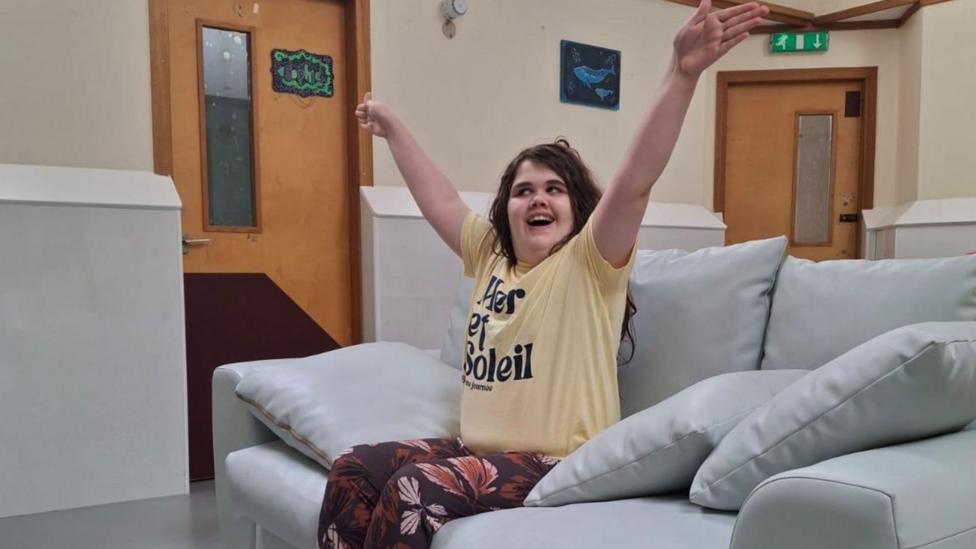
Sophie, who is non-verbal, previously divided her time between the family home in the Leachkin area of Inverness and the Orchard, a council-run residential and respite care facility in the city. However, capacity problems at the Orchard during the summer forced the local authority to seek alternative arrangements. Sophie spent some nights at an Airbnb with agency carers, an arrangement her father said became unsettling for her given the constant changes in her environment.
Iain explained that full-time residential care became necessary because of insufficient before and after-school provision in the Highlands. Without it, one parent would have had to leave employment to provide care at home. The placement in Annan, approximately 13 miles from the England border, was presented as the only viable option that would allow both parents to continue working.
How has the distance affected family contact?
The 480-mile round trip has severely restricted the family's ability to maintain regular contact with Sophie. Iain said visiting her has become logistically and financially challenging, requiring careful planning around work commitments and travel costs. The family has not been able to visit since Sophie moved, following advice from carers that she needed time to settle into her new environment.
Iain described the impact:
"We can't see her as frequently, can't see her for short spells. We are kind of limited in how often we can see her, and for what duration, factoring in the cost of mileage, and travel, and potentially having to take time off work. Whereas if she was local, it would be dead easy to bring her back for a weekend, and we could have much more frequent contact over short spells with her, rather than having to plan a long trip and a week's holiday essentially."
Sophie's non-verbal status makes telephone contact difficult, though the family is attempting to establish video-calling as an alternative means of staying connected. Jaime noted that Sophie also struggles when people she associates with specific locations are not present in those places, which may complicate visits to her new care facility.
Why was Sophie moved away from her local facility?
The Orchard, where Sophie had been receiving respite and residential care, faced over-capacity issues during the summer months. Highland Council acknowledged the difficulty posed to Sophie's family but stated that expanded accommodation would not be ready until the following autumn. According to local reporting, the council is working to increase the Orchard's capacity from four to eight beds, with completion now planned for autumn next year.
The shortage of local provision reflects a wider challenge across the Highlands. A freedom of information request found that 26 children and young people with complex needs in the region have been placed in care facilities elsewhere, including in East Dunbartonshire, Fife, North Lanarkshire, Perth and Kinross, Renfrewshire, Stirling and West Lothian. These out-of-authority placements cost the local authority over £7.4 million in total, with an average annual cost of £166,427 per child.

Iain expressed scepticism about whether the expansion timescale would be met, saying he was "not confident" in the council's nine-month estimate for the work to be completed.
What is Highland Council's response?
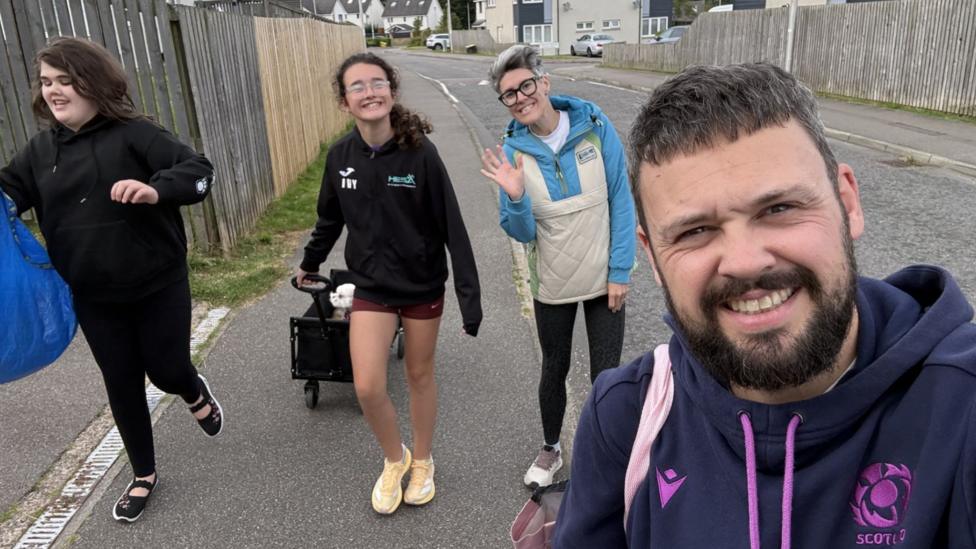
A spokesperson for Highland Council said the local authority "recognised the impact of out-of-authority placements" on both children and their parents and carers. The council described its plans to increase capacity at the Orchard as being on a "realistic timescale" as part of a wider five-year strategy.
According to the council's broader approach, this strategy encompasses developments in kinship, fostering, residential and short-break respite care, alongside early intervention and prevention initiatives designed to support more children remaining at home with their parents and carers. The council stated:
"This strategy is in recognition of the scale of the project, which includes developments in kinship, fostering, residential and short-break/respite care coupled with early intervention and prevention initiatives to support more children remaining living at home with parents/carers."
What have politicians said?
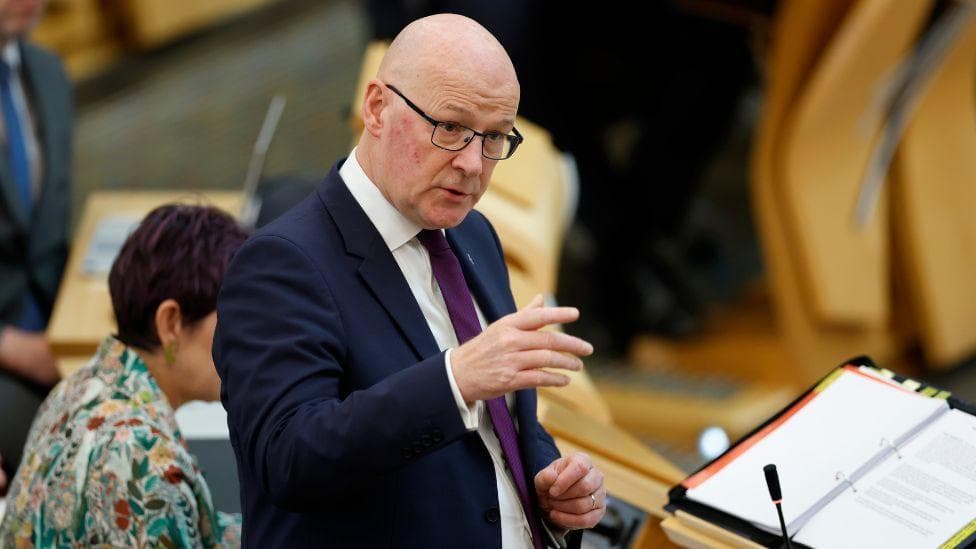
The issue was raised during First Minister's Questions at the Scottish Parliament on Tuesday by Highlands and Islands MSP Morven-May MacCallum. First Minister John Swinney acknowledged that children and young people requiring specific types of care should be "supported as close to home as possible."
Swinney added:
"Whilst there may be a number of children and young people in the Highlands who require that support, there may not be provision in that individual locality which is one of the reasons why we have to undertake some of the more regional work that is necessary to ensure we have provision that better meets the needs of young people."
What happens next?
The expansion of the Orchard is scheduled for completion in autumn next year. If the project stays on schedule and a place becomes available, Sophie may be able to return to Inverness and rejoin her family. However, Iain's concerns about whether the timescale will be met suggest uncertainty about when, or if, his daughter will be able to come home.
In the meantime, the family faces the ongoing challenge of maintaining contact across a distance that makes regular visits impractical. Jaime reflected on the emotional toll:
"Previously, when we used to drop her off for respite, as soon as she saw that physical building it was time for us to leave because, for her, that building comes with carers. We're not sure how much she'll actually tolerate us even being in the property where she is, because to her that's where she is with carers, and we would have her at home."
Iain summed up the emotional impact of the situation, saying: "We all have our moments of being OK and then being less OK."
Key Facts
- Sophie McNab, 13, is non-verbal and has complex care needs requiring full-time residential support
- She is placed in Annan, Dumfries and Galloway, a five-hour drive from her home in Inverness
- Twenty-six Highland children with complex needs are currently placed in care facilities outside the region, costing over £7.4 million annually
- Highland Council is expanding the Orchard's capacity from four to eight beds, with completion targeted for autumn next year
- The family cannot visit frequently due to distance, travel costs and the need to plan around work commitments