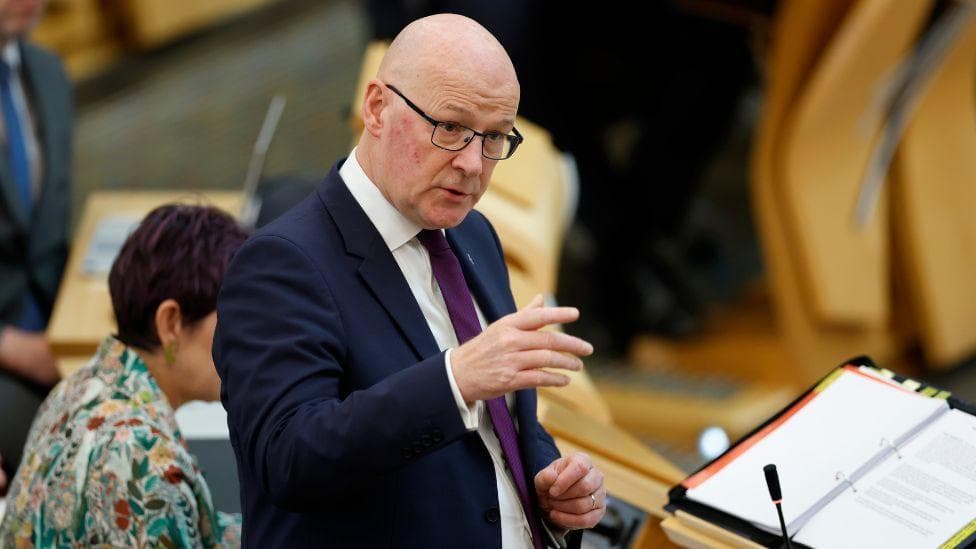
John Swinney has confirmed that electronic monitoring using GPS technology will be tested across parts of central Scotland starting next year, targeting individuals on bail suspected of domestic abuse. The first minister announced the pilot scheme during a Scottish Parliament debate on tackling violence against women, following a meeting with domestic abuse survivors and relatives of victims at Holyrood.
The pilot will operate in the Tayside, Central and Fife sheriffdoms under the leadership of Sheriff Principal Gillian Anne Wade KC. Regulations to establish the scheme are expected to be laid before parliament's October recess, with the government aiming to launch operations in 2027. Swinney stressed that the initiative would operate under "robust local arrangements" designed to protect public safety.
This announcement comes after sustained criticism of Scotland's slow adoption of GPS monitoring technology compared to other parts of the United Kingdom. According to UK government electronic monitoring statistics, GPS-based monitoring of domestic abuse perpetrators has been operational in England and Wales since August 2023 and was expected to be rolled out nationally by September 2026, leaving Scotland significantly behind in implementation.
Why is GPS monitoring being introduced?
The technology allows authorities to track the movements of suspects in real time and establish individually assessed exclusion zones around victims' homes or workplaces, with alerts triggering police response if conditions are breached. This represents a significant upgrade from Scotland's existing electronic tagging systems, which have primarily relied on older radio frequency equipment focused on home curfews and detention, with devices unable to track movements away from a property.
The push for GPS monitoring has intensified following high-profile cases of domestic abuse. Stacy Hunter, 35, was killed by her estranged husband Jim Mair, 43, at her home near Houston in July while he was on bail for attacking her. Her brother Sean Hunter attended the Holyrood meeting before the parliamentary debate and has become an advocate for stronger protections.
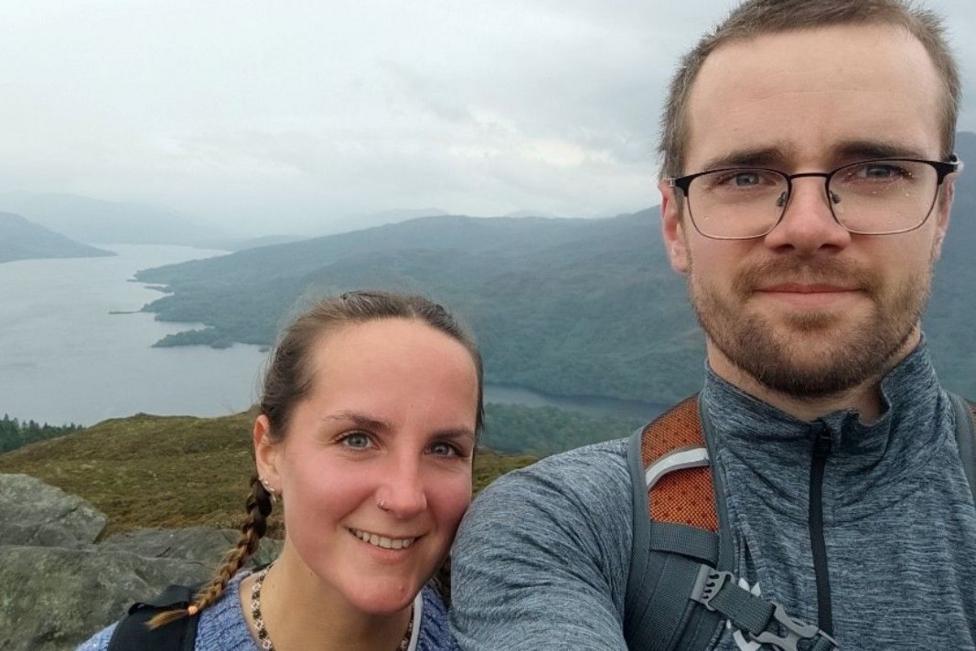
Speaking to a national broadcaster the day after his sister would have celebrated her 36th birthday, Sean Hunter said GPS monitoring would "absolutely make a difference". However, he argued that authorities must consider more specific offences when deciding whether to grant bail to domestic abuse suspects.
"There's so much - strangulation, attempted murder - that's going on that's being overlooked because it's coming under this umbrella of domestic violence,"he said.
"When these people commit these crimes they need to be looked at for what they are and kept from harming more people."
Liz Shanks, a domestic abuse survivor whose former partner Chris Forrest was jailed in 2022 for attacking her over a three-year period, also met with Swinney at Holyrood. She warned that the meeting must not become a "media stunt" and called for comprehensive reforms to the justice system.
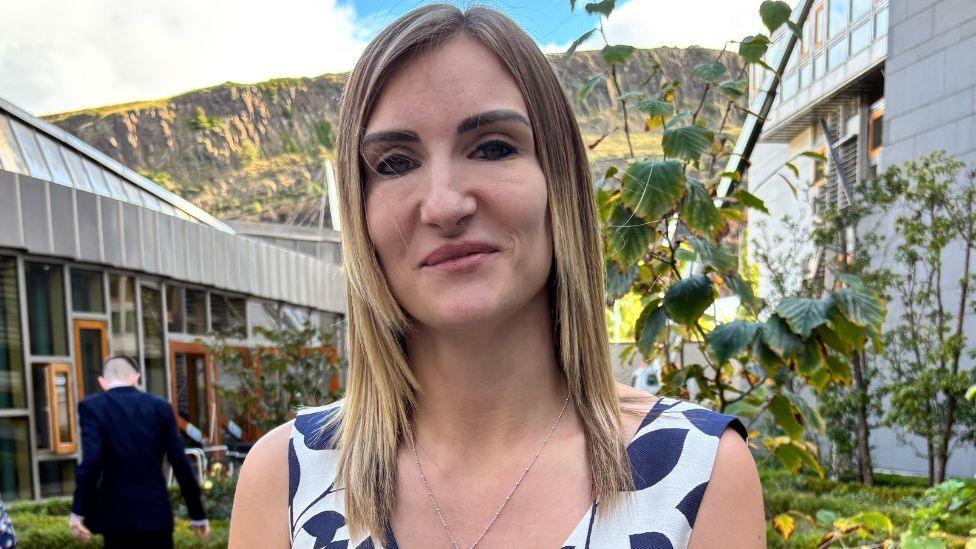
Shanks emphasised that survivors and victims have been failed by existing arrangements and expressed concern that victims may be reluctant to report abuse if they lack confidence in the justice system's response.
"The meeting with the first minister must not be a 'media stunt'"she stated, underlining the need for substantive action rather than symbolic gestures.
What other measures are being announced?
Beyond the GPS pilot, the Scottish Government's programme for government includes several complementary initiatives. A £2 million fund providing practical and financial support to women and children escaping abusive relationships will be made permanent. The government has also committed to multi-year funding for charities delivering crisis support to women and girls.
The administration plans to recognise misogyny as a "distinct form of prejudice and abuse" and will launch a public health campaign targeting toxic male behaviour. Opening the parliamentary debate, Swinney highlighted concerns about the "manosphere" and extreme pornography, which he said had "warped views and attitudes in disturbing and profoundly harmful ways". The government intends to adopt a "public health preventative approach" and push for stronger regulation of social media platforms.
According to the Scottish Government's programme document, the wider violence-against-women strategy includes a new Prevention Unit and an initial £200,000 investment in Social Impact Partnerships for early intervention. Justice Secretary Neil Gray described tackling violence against women and girls as a "top priority" and indicated the government is working to accelerate a "full roll-out and availability across the board" of GPS technology.

Swinney told MSPs:
"We will work to build a Scotland where everyone is safe, accepted, and respected, where women and girls live free from all forms of violence, abuse and exploitation, and where all are free of the attitudes and stereotypes that perpetuate inequality."
What are opposition parties saying?
While there is broad support for action on domestic abuse, opposition MSPs raised concerns about the adequacy of the government's response. A 14% annual increase in domestic abuse charges last year prompted calls for a more comprehensive strategy.
Scottish Labour's Jackie Baillie acknowledged Swinney's "sincere" commitment but argued that tackling violence against women requires a "multi-faceted" approach, including a misogyny reduction unit, enhanced school-based work and increased police investment. Conservative MSP Stephen Kerr cautioned that GPS tracking is "a technology, not necessarily a solution", calling instead for greater investment in community resources.
Scottish Tory leader Russell Findlay praised the "extraordinary bravery" of survivors but urged ministers to strengthen bail laws more broadly. Scottish Green co-leader Ross Greer raised concerns about inconsistent delivery of education in schools addressing harmful attitudes and highlighted low reporting rates among victims. He also called for men to "contest" harmful views expressed by their peers.
Liberal Democrat MSP Yi-pei Chou Turvey pressed the government to immediately launch its planned special sexual offences court, to which Swinney responded that ministers intend to provide funding for the scheme in the next financial year. Reform UK Scotland's Amanda Lindsay questioned whether certain groups committed more sexual crimes than others, calling for improved data collection on offences against women and girls.
How does electronic tagging currently work in Scotland?
Scotland's existing electronic tagging infrastructure has primarily relied on older radio frequency equipment designed for home curfews and detention. These devices are linked to receivers installed in offenders' homes and cannot monitor movements beyond the property.
In 2016, an expert group recommended that Scottish authorities adopt GPS monitoring technology. However, progress has been slow. Last year, Community Justice Scotland, an independent public body, issued an urgent National Improvement Recommendation to the government urging acceleration of more sophisticated monitoring systems, including GPS.
The technology has been widely deployed in England and Wales since 2018, with plans already underway to impose new restriction zones on offenders this autumn. Recent reporting indicates that GPS monitoring could include individually assessed exclusion zones around victims' homes or workplaces, with alerts triggering police response if conditions are breached.
What happens next?
Parliamentary scrutiny of the policy is already underway. The Scottish Parliament's Business Bulletin shows MSPs are tabling amendments that welcome the government's commitment to the GPS-monitoring pilot and press for a clear timetable for rollout beyond the initial pilot areas.
The government's own programme describes the initiative as a "geographical pilot", but the exact operational start date remains to be set through secondary legislation and implementation planning. While Justice Secretary Neil Gray has described the technology as a priority, he has not yet committed to a full-rollout date, indicating he would "check" when asked about delivery by the end of the year.
Regulations to establish the pilot scheme are expected to be laid before parliament's October recess, with the government targeting a 2027 launch in Tayside, Central and Fife. The success of this initial phase will likely determine the pace and scope of any subsequent expansion across Scotland.