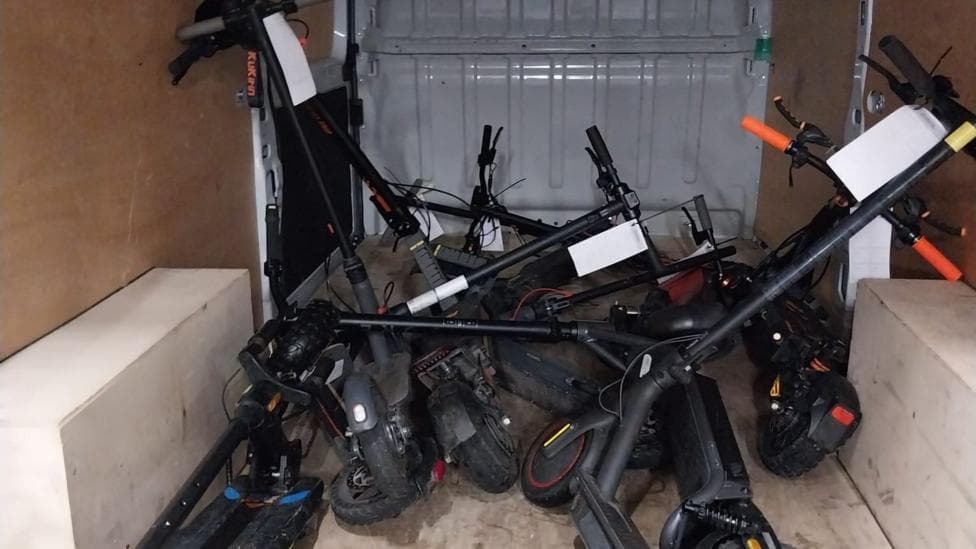
Police in Belfast seized 65 e-bikes and e-scooters during a three-day enforcement operation, with a six-year-old child among those stopped and seven arrests made for drugs and motoring offences. The 'Weekend of Action' ran from Friday 18 to Sunday 20 September, during which officers also recovered £3,600 in cash and a significant quantity of drugs including suspected heroin, cocaine and cannabis.
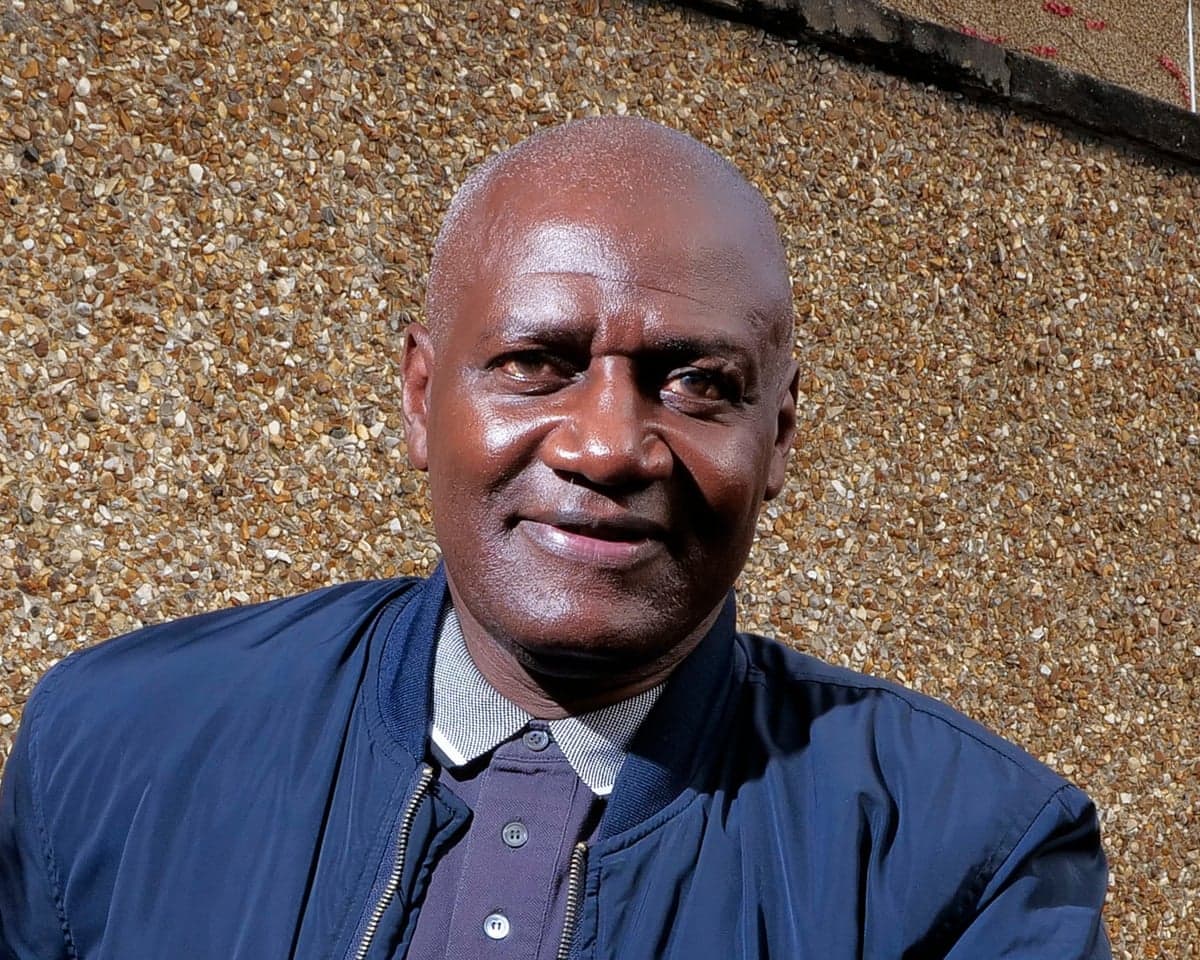
Police Service of Northern Ireland (PSNI) Inspector Matt Adams said the scale of seizures "demonstrates the problem" posed by these vehicles in public spaces. Three petrol motorbikes were also taken off the streets during the operation, which involved support from the Air Support Unit and plain-clothed officers. "These riders will now face a range of criminal justice outcomes," the PSNI stated.
In a separate incident on 20 September, police deployed a stinger device to halt three e-bikes being driven at high speed on the West Link, resulting in the arrest of a 17-year-old and a 20-year-old.
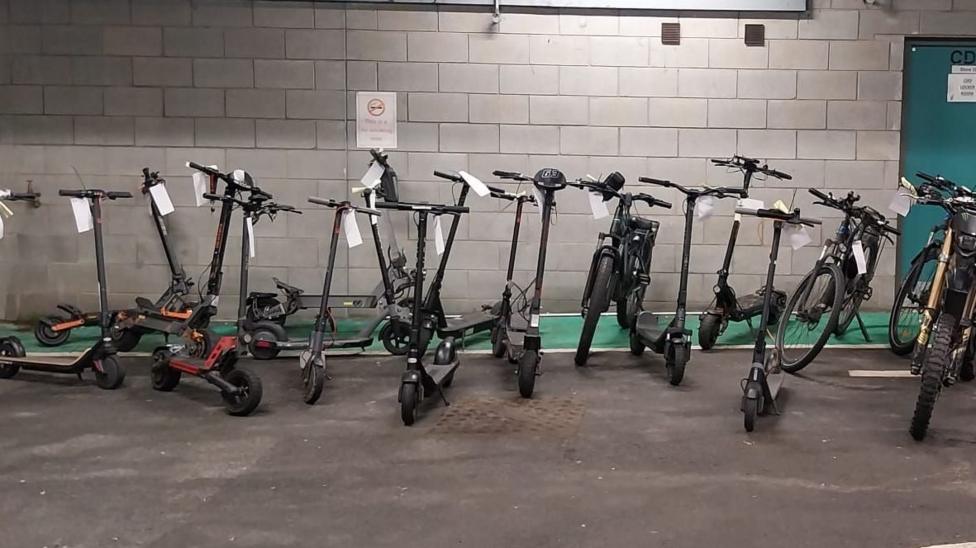
Insp Adams emphasised that the inappropriate use of these vehicles in public areas creates risks for both riders and the public. He noted that under current legislation, e-scooters and e-bikes are classified as motor vehicles, meaning riders must hold a valid driving licence and the vehicles must be taxed, insured and equipped with lights and a number plate.
Police in Newry conducted a parallel "proactive operation" over the same period, seizing 25 e-scooters, three e-scramblers and a petrol scrambler. The PSNI's enforcement activity reflects growing concern about e-scooter and e-bike safety across the region. More than 120 children in the Belfast Trust area had been treated for injuries sustained by electric scooters and e-bikes in the previous two years, according to figures released in July.
The enforcement operations come as part of a wider UK-wide response to illegal e-bikes and scooters. A PSNI court case on 2 September saw police win permission to retain an e-bike seized in a road-safety operation, following community concerns about e-bikes and scooters in west Belfast.

What are the seizure trends?
PSNI figures presented to the Policing Board in June reveal an escalating pattern of seizures. In 2024, police seized four scooters; this rose to 25 in 2025, and 22 have been seized so far in the 2026 financial year to July. These figures encompass e-scooters, e-scramblers and e-bikes but exclude electrically assisted pedal cycles and combustion engine bikes. The September operation represents a significant single-month enforcement effort.
The Belfast crackdown follows similar operations elsewhere in the UK. In Aberdeen, police seized more than 20 scramblers, e-bikes and e-scooters during a two-day operation in early August.
What are the legal rules around e-scooters and e-bikes?
An e-scooter is an electrically-powered vehicle consisting of a narrow foot platform mounted on wheels, attached to a long steering column with handlebars. Users stand on the platform, known as a deck, and are propelled by an electric motor powered by a rechargeable battery. They differ from seated lightweight vehicles such as scrambler bikes, mini motos or quads, though the same off-road restrictions apply to all of them.
Owning, buying or selling an e-scooter is not illegal in Northern Ireland, but they can only be used on private land with the landowner's permission. The PSNI has stated there is no specific offence for using an e-scooter on public roads in Northern Ireland, but officers can enforce other regulations. These include the absence of vehicle excise duty (road tax) or insurance, which users of off-road vehicles are unlikely to possess.
The rules differ for certain types of e-bikes classified as "electrically assisted pedal cycles" (EPACs), which have separate regulatory requirements. Insp Adams stressed that reducing the number of e-scooters and e-bikes on roads would require a co-ordinated approach involving sellers, parents and s, users and owners, working alongside police.
What happens to seized vehicles?
Seized e-bikes and e-scooters will be disposed of by police within 14 days of seizure unless the owner requests a review by the magistrates court. This disposal process applies to all vehicles taken during enforcement operations.
What is the wider policy context?
The enforcement activity in Northern Ireland reflects broader policy shifts across the island of Ireland. On 29 July, Irish ministers approved new regulations raising the minimum e-scooter age to 18 and requiring helmets and high-visibility clothing. These rules came into force on 4 September, with a €100 fixed-charge notice for breaches. The health impact has also driven policy attention: Northern Ireland health coverage reported a 50% year-on-year rise in children and young people admitted with traumatic brain injuries after e-scooter incidents, underscoring why police and health officials have prioritised the issue.
Key Facts
- 65 e-bikes and e-scooters were seized during the three-day Belfast operation, with seven arrests made for drugs and motoring offences
- A six-year-old child was among those stopped, making them the youngest rider to have an e-bike seized
- More than 120 children in the Belfast Trust area were treated for e-scooter and e-bike injuries over the previous two years
- Under current Northern Ireland law, e-scooters and e-bikes are classified as motor vehicles requiring a driving licence, tax, insurance, lights and a number plate
- Seized vehicles are disposed of within 14 days unless owners request a magistrates court review