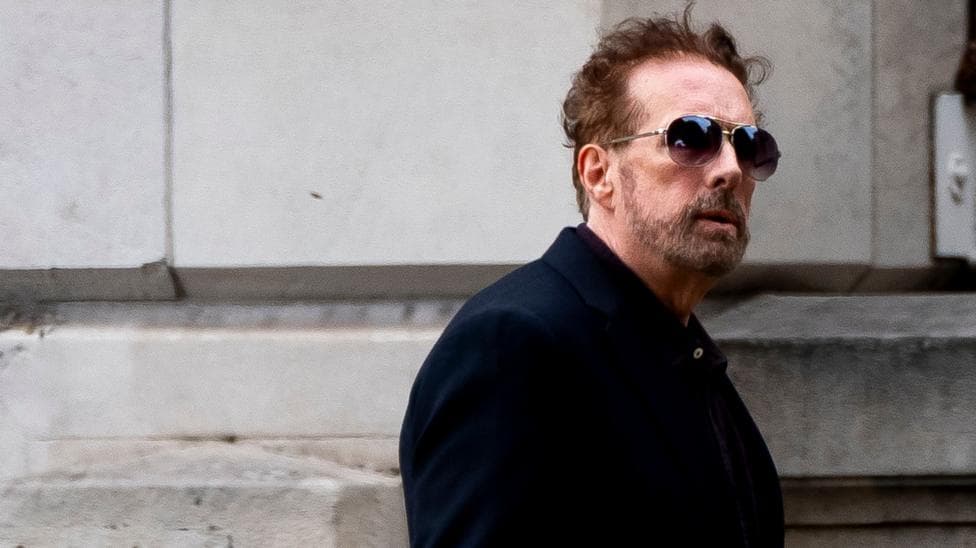
A prominent Scottish lawyer has been fully exonerated of professional misconduct allegations that arose from a protracted legal dispute over two dating applications, following a decision by the Faculty of Advocates' disciplinary tribunal.
Andrew Smith KC had been censured by the Faculty of Advocates complaints committee in 2024 after being found guilty of three counts of professional misconduct. His initial appeal failed, but the case was reconsidered by the faculty's disciplinary tribunal after Lord Colbeck of the Court of Session quashed the tribunal's earlier decision in June, finding that the disciplinary bodies had failed to provide adequate reasoning for their conclusions.
On 1 October 2026, the disciplinary tribunal allowed Smith's appeal, set aside the previous decisions and dismissed all complaints against him. The tribunal was chaired by Lord Drummond-Young, a retired Senator of the College of Justice.
Smith responded to the ruling by stating he was pleased to have been
"vindicated"and expressed hope that lessons would be learned from the process.
"It is unfortunate that this process has taken so long to reach a conclusion that my conduct was entirely proper,"he said.
"It is surprising that the complaints committee could have made a decision that was so utterly lacking in reasoning that it was overturned without hesitation, especially so when that committee had two senior members of faculty making the decision."
What was the original dispute?
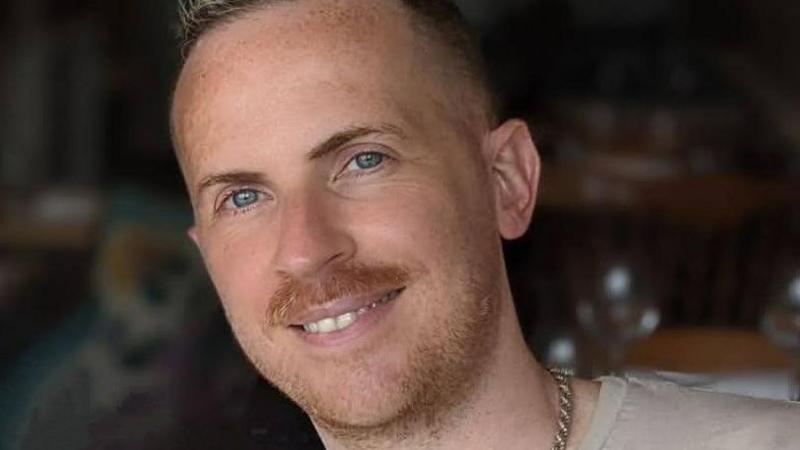
The misconduct allegations stemmed from Smith's representation of two clients in a lengthy civil litigation spanning more than a decade. Steven Elliott had planned to launch two dating applications called Bender and Brenda alongside two business partners, Steven Worley and Kevin Farrell, in 2011. The three men subsequently fell out, and Elliott attempted to proceed with the venture independently.
This led Worley and Farrell to initiate civil litigation in 2013, with Smith acting as their legal representative. Multiple court cases followed concerning control of the business and its intellectual property rights. Elliott first lodged a complaint about Smith's conduct in these proceedings in 2018, claiming that Smith had become personally involved in his clients' business affairs in violation of the Guide to the Professional Conduct of Advocates.
How did the complaints process unfold?
The Faculty of Advocates complaints committee found Smith guilty in 2024, concluding that he had breached an advocate's
"fundamental obligations"and failed to maintain his
"independence". Smith appealed this decision, and a disciplinary tribunal initially upheld two of the three misconduct findings against him.
Smith then pursued legal action in the Court of Session, where his legal team argued that he had functioned solely as counsel to his clients rather than becoming personally involved in their business affairs. They contended there was no clearly identified conflict of interest in his conduct. The Court of Session's decision reduced the tribunal's 18 July 2025 decision, meaning the tribunal's subsequent ruling set aside the remaining misconduct findings and the severe written censure.
What did the court find?
In June, Lord Colbeck determined that the disciplinary tribunal's decision could not stand because the disciplinary bodies had failed to provide adequate justification for rejecting an earlier finding that Smith had been acting as counsel rather than becoming personally involved in his clients' business affairs. Following this ruling, the appeal was reconsidered afresh by the disciplinary tribunal, which subsequently dismissed the complaint in its entirety.
Notably, the Faculty's investigating committee had earlier concluded that Smith had not acted improperly and had no business interest in his clients' affairs; the complaints committee later rejected that assessment. This reversal of the investigating committee's initial finding became a central issue in the subsequent legal proceedings.
What has the Faculty of Advocates said?
A spokesperson for the Faculty of Advocates stated that all complaints about its members were taken seriously and treated fairly.
"Robust procedures are in place, including the opportunity for oversight by the court. Some complaints take more time than others to examine and consider. This was certainly such a case. The matter is now at an end."
Elliott, the original complainant, declined to comment on the tribunal's ruling. The full written decision from the disciplinary tribunal is expected to be published at a later date.
Key Facts
- Andrew Smith KC was cleared of all professional misconduct charges on 1 October 2026 after a disciplinary tribunal dismissed the complaint in its entirety
- The original complaints committee found him guilty in 2024, but the Court of Session quashed that decision in June for inadequate reasoning
- The dispute arose from Smith's legal representation of two clients in a civil case over control of two dating applications, Bender and Brenda
- The Faculty's investigating committee had initially found no impropriety, but the complaints committee later reversed that assessment